Nicole Hardidge, Author at Bellevue Podiatry In Rosanna - Page 9 of 12

Achilles Tendonitis: What You Can Do At Home | Tendon Health

If you’re dealing with the nagging pain of Achilles tendonitis and want to know how to treat it quickly at home, you’re not alone. You might be surprised at how effective simple self-massage techniques and specific relief exercises can be.

By incorporating methods like pinch and pull or circular massages, along with targeted exercises such as eccentric calf raises, you can find significant relief.

But there’s more to take into account, including deep stretching routines and the best exercise tips, to guarantee a speedy recovery.

So, what’s the next step in your home treatment plan (and when might it be time to seek professional help)?  Let’s discuss this and more in our latest blog on Achilles Tendonitis.

Understanding Achilles Tendonitis & Its Common Heel Pain Symptoms

Overuse or improper stretching frequently cause Achilles tendonitis, an inflammation of the Achilles tendon that causes significant pain and discomfort in the back of your leg. Understanding this condition is essential for effective management and recovery.

Achilles tendonitis typically manifests as pain in the Achilles tendon, which can worsen with movement and make it difficult to put weight on the affected foot. You might also notice a swollen Achilles tendon, which can feel tender to the touch.

Achilles tendon pain could mean one of several different issues - it is always a prudent move to seek the guidance of a professional to ensure your treatment is tailored to the issue.

Several factors can contribute to the development of Achilles tendonitis, including flat feet, tight tendons, and arthritis. Overuse of activities such as running or improper stretching before exercise can exacerbate the problem.

Rest is vital for healing, as continued strain can worsen the inflammation and delay recovery. To reduce pain in the Achilles tendon, applying ice can help minimise swelling and provide temporary relief.

Knowing how to heal Achilles tendon pain entails incorporating appropriate home care strategies. Elevate your foot to reduce swelling, avoid weight-bearing activities, and make sure you’re giving your tendon time to recover. Understanding Achilles tendonitis and adopting these measures will empower you to manage your symptoms effectively.

Self-Massage Techniques for Fast Relief

Self-massage techniques can greatly reduce the pain and inflammation associated with tendonitis by loosening tight muscles and improving circulation. To quickly address Achilles pain at home, start by applying massage oil, lotion, or cream to reduce friction. Techniques like the pinch and pull method, upward and downward gliding, and circular massages can effectively target different areas of the Achilles tendon.

Here’s a quick guide to these techniques:

Technique Description
Pinch and Pull
Gently grasp the Achilles tendon between your thumb and fingers, then pull.
Upward Gliding
Use your thumb to slide upward along the tendon, applying moderate pressure.
Downward Gliding
Slide downward along the tendon with your thumb, easing tension.
Circular Massage
Employ circular motions with your fingers around the tendon to improve blood flow.

These methods not only help alleviate Achilles pain but also promote healing by enhancing circulation. For best results, perform each technique for five minutes, two to three times daily. Remember, consistency is key when learning how to heal Achilles tendon pain. Complement your self-massage routine with other home treatments like rest and icing to effectively cure Achilles tendonitis fast.

You can give yourself an Achilles tendon massage to help improve blood flow and recovery time, or even better, having someone else do it!

Effective Tendon Pain & Heel Pain Relief Exercises

Engaging in specific relief exercises at home can significantly speed up your recovery from Achilles tendonitis:

  • Calf Raises

    Start with eccentric calf raises, which involve slowly lowering your heel below the stair step level, promoting tendon healing by increasing collagen production. Perform 15 repetitions twice daily for the best results.

  • Toe Raises

    Incorporate calf muscle activation exercises like toe raises. Stand with your feet shoulder-width apart, slowly rise onto your toes, and then lower back down. This exercise strengthens your calf muscles, providing better support for your Achilles tendon.

  • Seated Heel Drop

    Another effective exercise is the seated heel drop. Sit with your knees bent and your feet flat on the floor. Lift your heels as high as possible, then slowly lower them. This targets the Achilles tendon directly, helping reduce inflammation and pain.

  • Ankle Circles

    Don't forget to practice ankle circles. While seated, extend one leg and rotate your ankle in a circular motion for about 30 seconds in each direction. This enhances flexibility and improves blood flow to the tendon.

Lastly, monitor your progress and adjust the intensity as needed. Consistency and proper technique are key. Utilise online resources for guidance and support to ensure you’re performing these exercises correctly [1, 2, 3, 4, 5].

Deep Stretching Tendon Treatment Routines for Healing

Incorporating deep stretching routines into your daily regimen can greatly alleviate the tightness and discomfort associated with Achilles tendonitis. These stretches focus on elongating the calf muscles and the Achilles tendon, enhancing flexibility, and promoting healing.

Here are three key stretches you can implement:

Calf Wall Stretch

Stand facing a wall with one foot in front of the other. Keep your back leg straight, heel on the ground, and bend your front knee. 

Hold for at least 5 seconds, then switch legs. Repeat five times with a pumping motion to increase flexibility [6].

Please watch this video from Sharp HealthCare for two great calf stretch exercises you can do in the morning.

Stand in front of a step, then place the ball of your affected foot on a step and slowly lower your heel below the level of the step.

Hold this position for 5 seconds and return to the starting position. Repeat five times to target the Achilles tendon [7].

Here is a easy to follow video tutorial from Physiotherapist Aaron Swanson on how to perform this exercise properly.

Stand facing a wall, place your toes against it, and gently lean in until you feel a stretch in your Achilles tendon and calf. Maintain this position for 5 seconds, then relax. Repeat five times with controlled, deep stretches [8].

Here is a great video tutorial from Vertias Health on how to correctly perform this exercise.

Incorporate these deep stretching routines daily to reduce tightness and expedite the healing process of your Achilles tendonitis.

Tips for Optimal Exercises

After mastering deep stretching routines, it’s important to focus on tips for best exercise performance to make sure your Achilles tendon heals effectively and efficiently:

  • Warming Up

    Start by warming up before exercising; this increases blood flow and reduces the risk of injury.

  • Proper Form

    When performing exercises, maintain proper form to specifically target the Achilles tendon. Small deviations in technique can lead to further strain and prolong recovery.

  • Progressive Load

    Gradually increase the intensity and duration of your exercises. Overloading the tendon too quickly can worsen your condition. Balance is key—push yourself, but know your limits.

  • Rest Days

    Rest days are essential; they allow the tendon to recover and adapt to the exercises you're performing. Neglecting rest can lead to overuse injuries, setting back your progress.

  • Hydration & Diet

    Stay hydrated and maintain a balanced diet rich in proteins and essential nutrients to support muscle recovery and overall exercise performance. Proper hydration aids in muscle function and reduces the risk of cramps and stiffness.

  • Listen To Your Body

    Finally, listen to your body—if you experience increased pain or discomfort, it may be a sign to ease up.

Follow these tips to improve your exercise performance and promote faster healing of your Achilles tendon [9, 10, 11, 12, 13, 14, 15].

When to Seek Professional Help

If your Achilles tendonitis symptoms don’t improve after a few weeks of consistent at-home care, it’s important to consult a healthcare professional for further evaluation. Persistent pain and discomfort might indicate the need for a more tailored treatment approach.

Here are three key reasons to seek professional help:

If you experience intense pain or find it difficult to walk, immediate medical attention is vital. 

This could indicate a more serious condition, such as a partial or complete tendon rupture [16].

If your symptoms are getting progressively worse despite your best efforts at home, an experienced Podiatrist can offer advanced interventions.

This may include imaging tests to assess the extent of the injury [17].

When home remedies and exercises fail to bring relief, a physiotherapist can develop a personalised rehabilitation plan.

This might involve modalities like ultrasound therapy, custom orthotics, or even surgery in severe cases [18].

Early intervention and proper medical guidance can prevent long-term complications and expedite your recovery, giving you the freedom to return to your daily activities without pain [19].

Summing It All Up...

To sum it up, you can take the reins of your Achilles tendonitis recovery with self-massage, relief exercises, and deep stretching routines. Optimising exercise performance and being mindful of symptoms will help you recover. 

However, if pain persists or worsens, don’t hesitate to seek professional help. Remember, it’s a marathon, not a sprint—consistency and patience are key to healing effectively and preventing long-term complications.

Self-massage techniques can help alleviate pain and improve blood circulation to the affected area.

Specific relief exercises can strengthen the surrounding muscles and tendons, aiding in recovery.

Deep stretching routines are essential to maintain flexibility and prevent stiffness.

If symptoms continue or worsen, consulting a healthcare professional is advisable to rule out more serious conditions and receive tailored treatment plans.

You don’t need to put up with Achilles Tendonitis any longer.  Our team of experienced Podiatrists have the education and experience to get you moving pain free again.  Take control today by booking in online or call us today on (03) 9457 2336 to get this issue sorted once and for all.

Picture of Bellevue Podiatry Health Care Treatment

Bellevue Podiatry Health Care Treatment

Bellevue Podiatry has been serving the people of Rosanna and its surrounding suburbs for over 10 years. We have the qualifications, experience and education to effectively treat any lower limb condition or injury that requires expert podiatry care.

Heel Pain Achilles Article References

[1] https://www.healthline.com/health/achilles-tendinitis

[2] https://www.mayoclinic.org/diseases-conditions/achilles-tendinitis/diagnosis-treatment/drc-20369025

[3] https://www.oxfordhealth.nhs.uk/podiatry/wp-content/uploads/2013/12/Calf-muscles-stretches.pdf

[4] https://australian.physio/inmotion/strategies-treating-lower-limb

[5] https://www.healthline.com/health/chronic-pain/treating-pain-with-heat-and-cold

[6] https://www.healthline.com/health/achilles-tendon-stretch

[7] https://www.nhsinform.scot/illnesses-and-conditions/muscle-bone-and-joints/leg-and-foot-problems-and-conditions/achilles-tendinopathy/

[8] https://www.ncbi.nlm.nih.gov/pmc/articles/PMC2658946/  

[9] https://www.healthline.com/health/achilles-tendinitis

[10] https://www.mayoclinic.org/diseases-conditions/achilles-tendinitis/diagnosis-treatment/drc-20369025

[11] https://www.oxfordhealth.nhs.uk/podiatry/wp-content/uploads/2013/12/Calf-muscles-stretches.pdf

[12] https://australian.physio/inmotion/strategies-treating-lower-limb

[13] https://www.healthline.com/health/chronic-pain/treating-pain-with-heat-and-cold

[14] https://sma.org.au/wp-content/uploads/2017/08/childrensafetyguidelines-fulldoc.pdf

[15] https://www.ncbi.nlm.nih.gov/pmc/articles/PMC6572041/

[16] https://www.healthline.com/health/achilles-tendinitis

[17] https://www.mayoclinic.org/diseases-conditions/achilles-tendinitis/diagnosis-treatment/drc-20369025

[18] https://www.oxfordhealth.nhs.uk/podiatry/wp-content/uploads/2013/12/Calf-muscles-stretches.pdf

[19] https://australian.physio/inmotion/strategies-treating-lower-limb

Our 10 Best Foot Cream Recommendations to Soothe & Revitalize Your Feet | Skin & Toenail Care

When it comes to maintaining the health and appearance of your feet, choosing the right foot cream can make all the difference. You might be wondering which products actually deliver on their promises to soothe and revitalize dry, cracked skin.

From O’Keeffe’s highly recommended options to Palmer’s Cocoa Butter Formula Foot Magic Cream, each product boasts unique ingredients like urea and tea tree oil, known for their healing properties

If you’re interested to learn how these ingredients work together to transform your feet, then let’s explore these top 10 foot creams and discover which one might be the best fit for your needs.

If you’re dealing with extremely dry, cracked feet, O’Keeffe’s Foot Cream for Dry, Cracked Feet (3.2 Ounce Jar) is a concentrated moisturizer that can heal, relieve, and repair your skin. This cream creates a protective layer on your skin’s surface, instantly boosting moisture levels and preventing further moisture loss.

It’s suitable for sensitive skin, safe for diabetics, unscented, non-greasy, and hypoallergenic. Clinically proven to improve moisture levels, it offers fast relief for dry, cracked feet, with noticeable improvements in just a few days. Users rave about its effectiveness, especially on dry heels, and appreciate its non-greasy formula.

For best results, apply to exfoliated skin at bedtime and after bathing. A little goes a long way!

Best for: Those with extremely dry, cracked feet seeking a concentrated moisturizer that heals, relieves, and repairs skin quickly.

Pros: clinically proven to improve moisture levels and heal dry, cracked feet; non-greasy, hypoallergenic, and suitable for sensitive and diabetic skin. It offers noticeable improvements within a few days of consistent use.

Cons: This product works best when applied to skin that has already been exfoliated. Extremely dry feet may require frequent application. To prevent messiness, some users may need to wear socks after application.

foot cream foot cream foot cream foot cream foot cream foot cream
Heals Cracked and Dry Feet: O’Keeffe’s for Healthy Feet Foot Cream is a concentrated foot cream that heals, relieves and repairs. O'Keeffe's for Healthy Feet cream provides relief.

Dr. Scholls Dry, Cracked Foot Repair Cream (3.5 oz) is ideal for anyone suffering from intensely dry, cracked feet that require deep moisturization and quick healing. With a professional-strength formula containing 25% urea, Epsom salt, and essential oils, it effectively softens and heals your skin.

This cream restores natural moisture balance and provides 24-hour hydration, making it safe for diabetics. It also exfoliates tough skin, soothes irritated, rough areas, and keeps feet smooth and soft. Users praise its effectiveness, despite mixed reviews of the fragrance and packaging.

For best results, apply regularly, especially at bedtime with socks, avoiding the areas between your toes. Overall, it’s a worthwhile investment for revitalising your feet quickly and efficiently.

Best For: Individuals with intensely dry, cracked feet needing deep moisturization and quick healing.

Pros: Professional-strength formula with 25% urea, Epsom salt, and essential oils provides 24-hour hydration and restores natural moisture balance. It is safe for diabetics and effectively softens and heals skin.

Cons: – Mixed reviews on the fragrance; – Some users experienced issues with packaging; – May take time to help with callouses

71R1w1FgdPL. AC SX679
For Healthy Feet: Dr. Scholl's Dry, Cracked Foot Repair Ultra-Hydrating Foot Cream is an intensive hydrating foot cream for dry, cracked feet and heels, restoring your skin's natural moisture balance.

For those battling extremely dry, cracked feet, OKeeffe’s Healthy Feet Intense Renewal Cream offers a fast-acting solution with the added benefits of alpha-hydroxy acid and shea butter. This cream repairs your feet with 48 hours of hydration, instantly boosting moisture levels and protecting against moisture loss. Specifically formulated to exfoliate and smooth your skin, it creates a barrier to lock in moisture.

Users love the non-greasy, hypoallergenic formula, and its suitability for sensitive skin. Apply it as needed to rough, dry areas, and you’ll notice immediate softening and healing effects. Many users report softer feet after just one use and praise the product for maintaining moisturized, supple feet over the long term.

Try it and feel the difference!

Best For: Individuals with extremely dry, rough, and cracked feet seeking fast-acting hydration and long-term moisture retention.

Pros: – Provides 48 hours of intense hydration and protection against moisture loss. – Non-greasy, hypoallergenic formula suitable for sensitive skin. – Immediate softening and healing effects with noticeable results after one use.

Cons: – Alpha Hydroxy Acid increases sun sensitivity, requiring caution with sun exposure. – Some users may dislike the fragrance of the cream. – External use only, should be kept out of reach of children.

foot cream foot cream foot cream foot cream foot cream foot cream foot cream
Clinically proven to provide softer feet in 1 use. Repairs extremely dry, rough and cracked feet with 48 hours of hydration provided in 1 use.

New York Biology Tea Tree Oil Foot Cream is ideal for anyone seeking a natural and effective solution for dry, cracked feet and other common foot issues. This 8 oz cream tackles athletes foot, nail fungus, jock itch, ringworm, cracked heels, and itchy skin.

Free from alcohol, parabens, and sulfates, it’s cruelty-free and made in the USA. Key ingredients like Tea Tree Oil, ceramides, hyaluronic acid, radish root extract, Dimeticone, and spearmint oil work together to hydrate, soothe, soften, and repair irritated feet.

Users love its soothing and moisturizing effects, quick absorption, and pleasant scent. Apply it twice daily and consider wearing white socks at night for enhanced results. With consistent use, you’ll notice softer, healthier feet.

Best For: Anyone seeking a natural and effective solution for dry, cracked feet and other common foot issues.

Pros: – Contains natural ingredients like Tea Tree Oil and hyaluronic acid. – Free from alcohol, parabens, and sulfates, making it cruelty-free. – Provides hydration, soothing, and quick absorption with a pleasant scent.

Cons: – Requires twice daily application for best results. – Some users may find the minty scent and tingly sensation strong. – Wearing white socks at night is recommended, which may be inconvenient for some.

foot cream foot cream foot cream foot cream foot cream foot cream foot cream foot cream foot cream foot cream
TEA TREE FOOT CREAM & BODY CREAM – Tea Tree Oil is a potent oil with amazing benefits for dry feet. This foot cream can help hydrate and soothe itchy, irritated feet. Great foot moisturizer for dry cracked feet.

If you’re battling dry, cracked heels, Palmer’s Cocoa Butter Formula Foot Magic Cream is frequently praised for its intense moisturization and healing properties. This cream contains high-quality, plant-based ingredients like Cocoa Butter, Peppermint Oil, and Vitamin E, which work together to soften and hydrate your skin.

Cocoa Butter acts as a rich moisturizer, while Vitamin E provides antioxidant benefits and even-toned skin. Peppermint Oil revitalizes tired feet, giving them a rejuvenating feel.

For best results, soak your feet in warm water, exfoliate with Palmer’s Foot Magic Scrub, and then apply the cream for a soothing massage. Finish with Palmer’s Heel Repair to enhance softness. Regular use promises significant improvements, making it a go-to solution for healthier feet.

Best For: Those with dry, cracked heels seeking intense moisturization and revitalization.

Pros: – Contains high-quality, plant-based ingredients. – Quick absorption without greasy residue. – Affordable luxury with effective healing properties.

Cons: – Mixed reviews on the product scent. – Some find the cream to be greasy. – Requires consistent use for best results.

foot cream foot cream foot cream foot cream foot cream foot cream foot cream foot cream foot cream
Soften and smooth even the roughest and driest skin with Palmer's Cocoa Butter Formula Foot Magic; This intensely moisturizing lotion for dry cracked feet provides a deep penetrating treatment for the feet and heels.

O’Keeffes for Healthy Feet Foot Cream is perfect for anyone looking to heal and revitalize extremely dry, cracked feet with a concentrated moisturizer. This cream creates a protective barrier on your skin’s surface, locking in moisture and keeping your feet hydrated. Most people notice improvements within a few days.

It’s safe for diabetic skin, unscented, non-greasy, and hypoallergenic. Apply it to exfoliated skin at bedtime and after bathing for the best results. Start with a small amount as it’s highly effective. Suitable for daily use, it maintains soft, moisturized feet.

The 3.0-ounce tube comes with a 100% money-back guarantee if you’re not satisfied. Customers praise its fast results and long-lasting moisturizing effects.

Best For: Anyone looking to heal and revitalize extremely dry, cracked feet with a concentrated moisturizer.

Pros: – Creates a protective barrier to lock in moisture. – Safe for diabetic skin, unscented, non-greasy, and hypoallergenic. – Clinically proven to boost moisture levels quickly.

Cons: – Mixed reviews on effectiveness for severe cracks. – Some users found the cream’s thickness less favorable. – Not effective for everyone.

foot cream foot cream foot cream foot cream foot cream foot cream foot cream foot cream foot cream foot cream
Hydrating Foot Treatment: O'Keeffe's for Healthy Feet Foot Cream is a concentrated foot moisturizer that heals, relieves, and repairs extremely dry, cracked feet.

For those struggling with severely dry, cracked skin, Ebanel Urea Cream 40% offers an intensive moisturizing solution packed with powerful ingredients like Shea Butter, Coconut Oil, and Hyaluronic Acid. This dermatologist-tested, cruelty-free cream also includes Jojoba Oil, Vitamin E, and Aloe Vera to repair and soften your skin.

With exfoliating agents like 2% Salicylic Acid and Epsom Salt, it effectively smooths rough, callused feet, hands, knees, and elbows.

Customers rave about its effectiveness and noticeable improvements in skin texture and appearance. However, be cautious if you’re sensitive to coconut oil or have pets, as the urea scent can attract them. For best results, consider pairing it with a glycolic acid-based peel.

Remember, careful application is key to avoiding any sticky residue.

Best For: Those dealing with severely dry, cracked skin on their feet, hands, knees, and elbows.

Pros: – Intensive moisturizing with powerful ingredients like Shea Butter, Coconut Oil, and Hyaluronic Acid. – Effective exfoliation with 40% Urea, 2% Salicylic Acid, and Epsom Salt. – Dermatologist-tested, cruelty-free, and hypoallergenic.

Cons: – Slight medicinal scent and potential sticky residue. – Possible skin reactions for those sensitive to coconut oil. – Mixed reviews regarding performance compared to marketing claims.

foot cream foot cream foot cream foot cream foot cream foot cream foot cream foot cream foot cream foot cream foot cream
Intensive Moisturizing Skin Barrier Repair Cream - This urea 40% cream creates a protective and breathable barrier on skin, helps lock in moisture and regulate hydration levels, and improves the skin's water-binding ability.

If you struggle with thick, cracked, or rough dry skin on your feet, Urea 40% Foot Cream is your go-to solution for deeply moisturizing and softening your skin. Made in an FDA-registered facility in the USA, this dermatologist-tested cream uses premium quality ingredients to treat and nourish dry, cracked heels.

Thousands of Americans trust this effective and gentle formula, which is ideal for calluses and provides relief from pain. For the best results, apply on damp feet and wear socks overnight. The next day, use a callus scrubber for smoother skin.

Podiatrists recommend it, and users report visible improvements and long-lasting effects in just a week. This cream stands out for its consistency, effectiveness, and affordable price.

Best for: People with thick, cracked, or rough dry skin on their feet looking for an effective and gentle moisturizing solution.

Pros: – Made in an FDA-registered facility in the USA; – Provides visible improvements and long-lasting effects in just a week; – Recommended by podiatrists and trusted by thousands of users

Cons: – Requires overnight application with socks for best results; – May have an unpleasant smell that could deter pet interaction; – Price may be higher compared to some other similar products.

foot cream foot cream foot cream foot cream foot cream foot cream foot cream
Dry skin ointment designed to help heal cracked heels and dry feet, delivering visible results in just 1 day

Profoot Heel Rescue Foot Cream, with its rich Argan Oil formula, is perfect for anyone looking to deeply moisturise and repair cracked, calloused, or chapped skin.

This concentrated, antioxidant-rich cream is non-greasy and fragrance-free, ensuring no unpleasant residue. It’s not just for your feet—use it on heels, elbows, knees, and hands too.

Since 1986, Profoot, a family-owned business from Brooklyn, NY, has dedicated itself to foot care. Customers rave about its quick absorption and effectiveness in softening painful calluses and preventing cracked heels.

Apply it morning and night for best results, and consider using it with silicone foot soles at night to lock in moisture. Despite some issues with the pump mechanism, the product’s quality and visible results make it a top choice.

Best For: Individuals seeking to deeply moisturise and repair cracked, calloused, or chapped skin on their feet, heels, elbows, knees, and hands.

Pros: non-greasy, quick-absorbing formula; effective in softening hard calluses and preventing cracked heels fragrance-free and suitable for sensitive skin

Cons: Some users have experienced issues with the pump mechanism; it requires consistent application morning and night for best results; it is limited to external use only.

81lwyPUQh5L. AC SX679 PIbundle 2,TopRight,0,0
MOISTURIZING HEEL CREAM: Made with rich Argan Oil, Heel Rescue is specially formulated to penetrate, moisturize and repair even the toughest cracks and callouses; Great for feet, heels, elbows, knees, and hands.

Summing It All Up...

Taking care of your feet is essential, and these top-rated foot creams make it easy. Each best foot cream product, from O’Keeffe’s to Dr. Scholl’s, contains healing ingredients like urea and shea butter.

Keep in mind, investing in foot care now can yield significant benefits. With consistent use, you’ll enjoy softer, more hydrated skin that feels rejuvenated.

Don’t wait; give your feet the attention they deserve and step forward in comfort!

Picture of Bellevue Podiatry

Bellevue Podiatry

Bellevue Podiatry has been serving the people of Rosanna and its surrounding suburbs for over 10 years. We have the qualifications, experience and education to effectively treat any lower limb condition or injury that requires expert podiatry care.

What Causes Pain on Bottom of Foot Ball? Ball of Foot Pain Podiatry Treatments

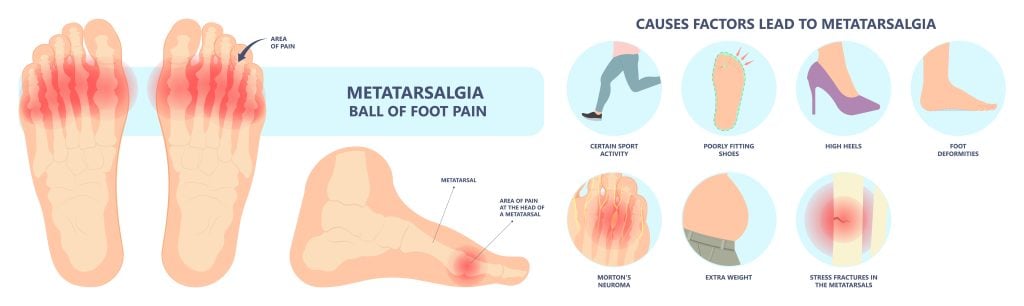
You might be surprised to learn that your walking style can sometimes trigger pain in the ball of your foot, also known as metatarsalgia. Beyond ill-fitting shoes or high heels, biomechanical issues like overpronation can exacerbate the discomfort.

Addressing this pain isn’t just about finding the right pair of shoes; it often involves a holistic approach, including custom orthotics and targeted physical therapy.

So, what exactly does this all-encompassing treatment plan entail, and how can you start feeling relief? Let’s explore the intricacies and solutions together in our latest blog.

Common Foot Pain Injuries Causes

Physical Conditions (e.g. Plantar Fasciitis)

Several common causes can lead to pain in the ball of your foot, including metatarsalgia, plantar fasciitis, Morton’s neuroma, sesamoiditis, and stress fractures. Each condition affects your foot differently, but they all result in pain on the bottom of the foot ball.

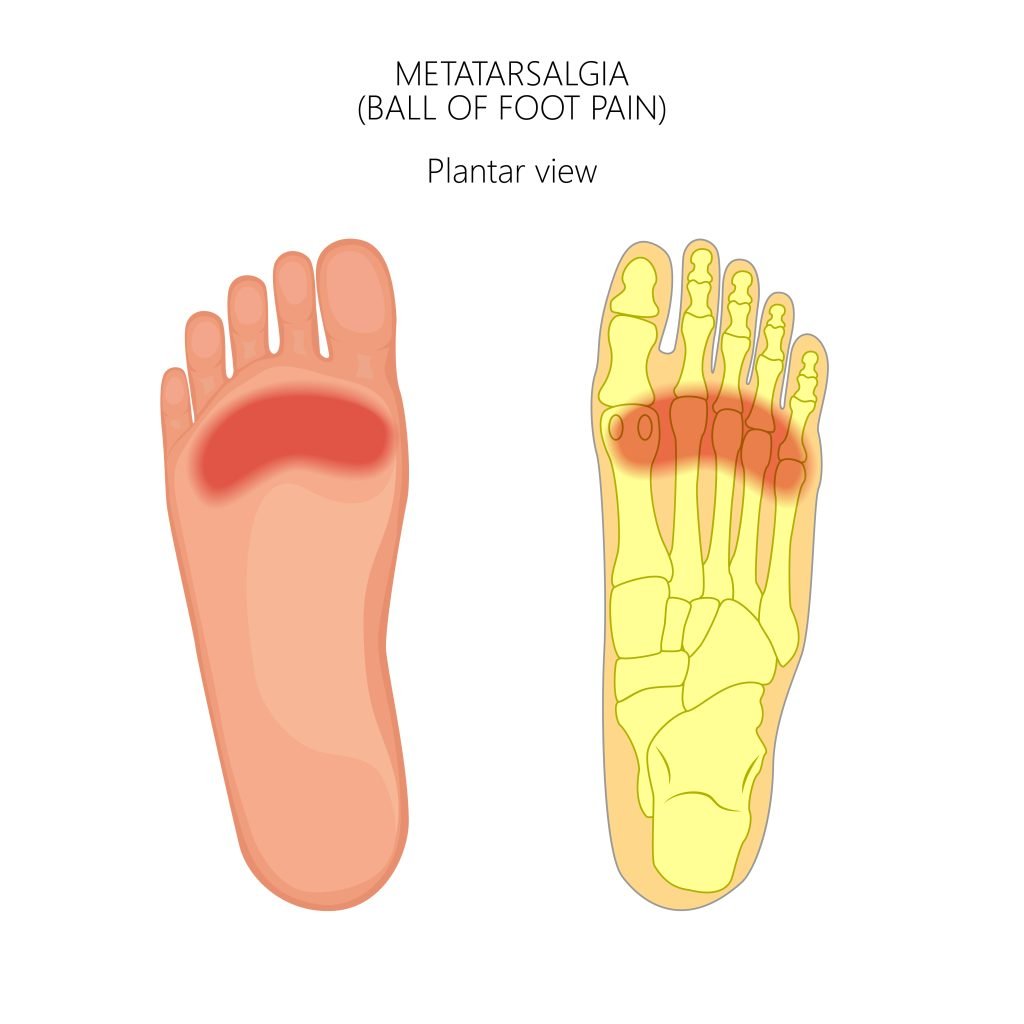
Metatarsalgia, for example, occurs when excessive pressure or overuse causes inflammation and discomfort in the ball of your foot. 

Athletes who participate in high-impact activities often experience metatarsalgia.

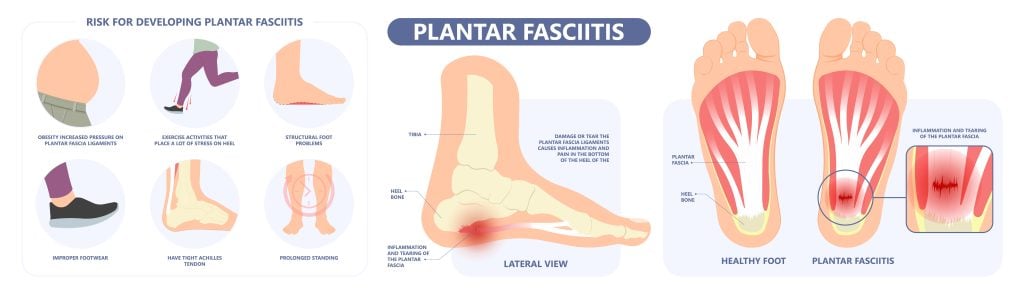
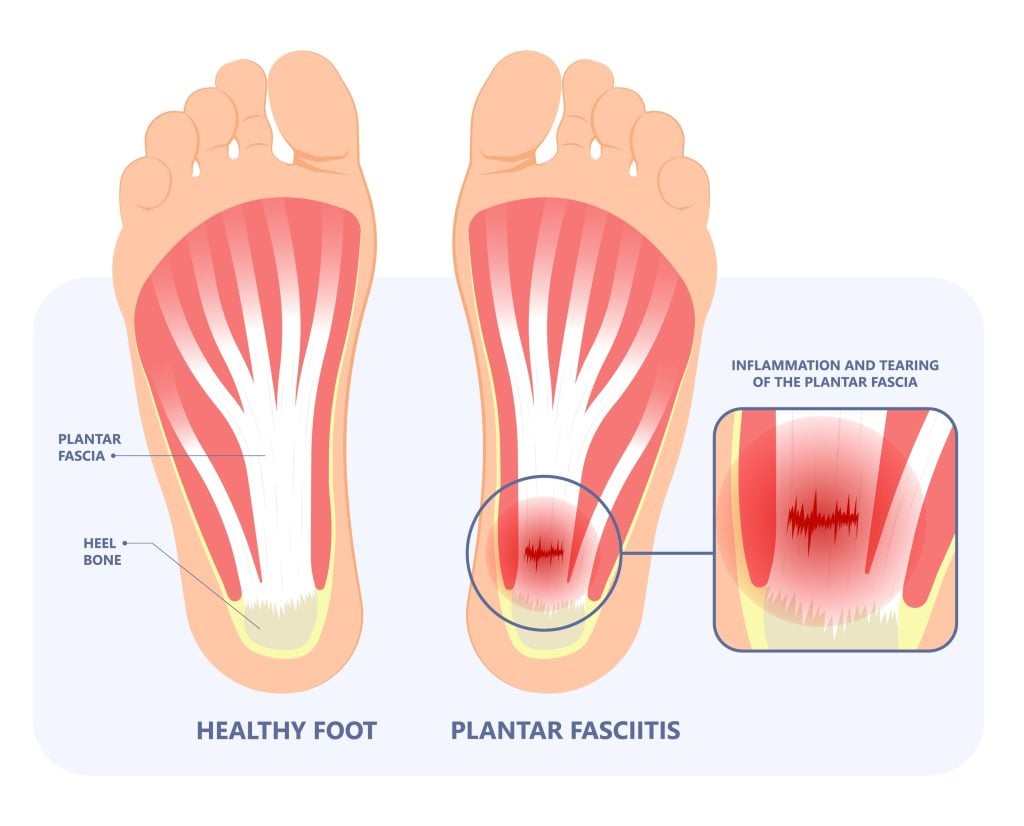
Plantar fasciitis affects the underside of your foot, leading to pain in the ball area and heel. This condition stems from inflammation of the plantar fascia, a thick band of tissue running from your heel to your toes.

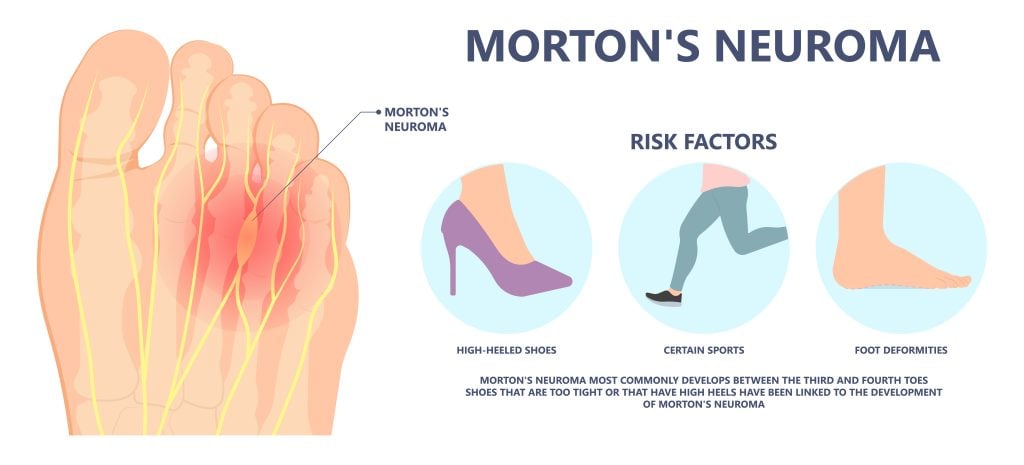
Morton’s neuroma involves a thickening of the tissue around the nerves leading to your toes, generating pain and discomfort specifically in the ball of your foot.

This condition can feel like stepping on a pebble.

Understanding these common causes of pain in the ball of foot is vital for seeking appropriate treatment. Consulting with a podiatrist can help you identify the underlying issue and receive tailored treatments to alleviate your discomfort and prevent further complications.

Don’t ignore persistent pain; address it promptly to maintain your foot health.

Ill-Fitting Shoes Causing Foot Pain & Injuries

Wearing ill-fitting shoes often leads to significant pain in the ball of your foot by placing undue pressure on the metatarsal heads. When the bottom of your feet is tender, it’s frequently due to sore feet caused by shoes that are too narrow or tight, which compress the forefoot. This compression can result in pain on the bottom of your foot near your toes, manifesting as metatarsalgia.

High heels are particularly notorious for causing pain under the big toe pad as they shift your body weight forward, exacerbating discomfort in the ball of the foot.

Shoes lacking adequate cushioning or support can also contribute to pain by failing to provide the necessary shock absorption. This deficiency can lead to inflammation and tenderness, making even simple activities painful. Improper sizing, such as shoes that are too small or too narrow, can aggravate this condition, causing pain on the bottom of the foot by limiting space for your toes and metatarsal heads.

Understanding the causes of these sore feet is crucial for selecting appropriate footwear. Opt for shoes with ample room, excellent arch support, and sufficient cushioning to mitigate pain under the big toe pad and other areas on the bottom of your feet. This proactive approach can greatly alleviate discomfort and prevent further complications.

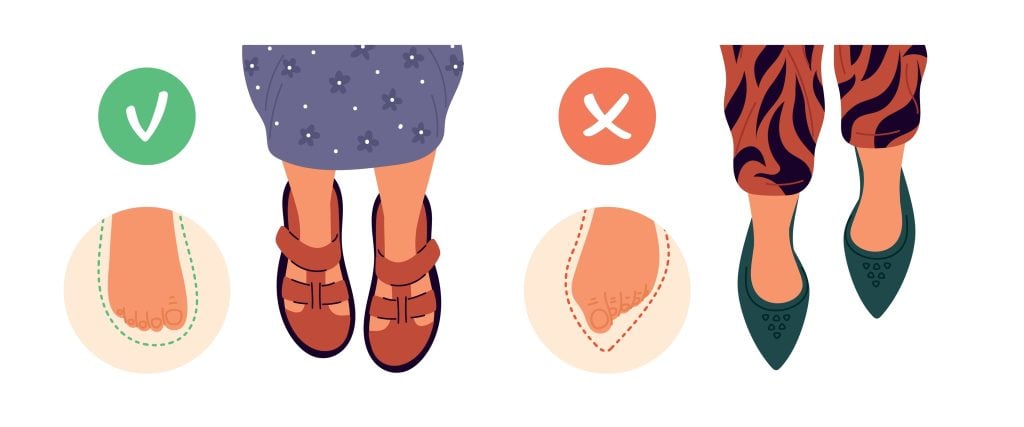
Wearing properly fitted shoes with a wide toe box and low (if any) heels is the ideal choice of footwear to reduce your likelihood of getting an ingrown toenail. An experienced podiatrist can review your footwear and guide you on the best possible choices.
toe shoes part nail
If you're on your feet all day, you must wear a shoe with low heels & a wide toe box to help protect your feet from foot pain.

Overuse Injuries & Foot Pain

Overuse injuries to the ball of the foot often stem from repetitive stress and excessive pressure during high-impact activities like running or jumping. These injuries frequently lead to inflammation, bruising, and discomfort in the metatarsal region. When you engage in repetitive motion or place undue stress on your metatarsals, it can result in microtrauma to the bones, tendons, and ligaments in the ball of your foot.

Symptoms of overuse injuries include aching, burning pain, and tenderness localized in the ball of the foot. You might notice that the discomfort intensifies with activity and improves with rest. Improper foot mechanics, such as overpronation or high arches, can exacerbate these issues by unevenly distributing pressure across the foot.

To manage overuse injuries, it’s important to implement a few key strategies. First, make sure you get adequate rest to allow the affected area to heal.

Supportive footwear that provides proper arch support and cushioning can greatly reduce stress on the metatarsals. Additionally, podiatry treatment, such as custom orthotic inserts, can help correct any biomechanical issues and provide relief.

If symptoms persist, consult a podiatrist for further evaluation and tailored treatment options.

metatarsalgia
Have you recently started feeling pain in the ball of your foot? Fortunately, this is a very common and readily treatable issue.

Podiatry Treatments To Relieve Foot Pain & Pain Relief

You can effectively manage foot pain through various podiatry treatments. Podiatrists might recommend custom orthotic inserts to redistribute pressure.

They may also employ physical therapy techniques to strengthen and stretch the foot. In severe cases, podiatrists may discuss surgical intervention options to address structural issues.

We tailor each treatment plan to your specific diagnosis to ensure maximum relief and long-term foot health:

Custom orthotic inserts, designed specifically by podiatrists, offer a tailored solution to alleviate pain and discomfort in the ball of the foot by redistributing pressure and providing the necessary cushioning. These specialised shoe inserts are essential for treating a variety of foot conditions, including metatarsalgia, which frequently causes pain in the ball of the foot.

We meticulously craft custom orthotics to match your unique foot shape, gait, and specific condition. They improve foot alignment, reduce strain on the metatarsal bones, and improve overall foot function. Podiatrists recommend custom orthotic inserts as part of a detailed treatment plan, ensuring the most effective relief for your symptoms.

Custom orthotic inserts offer several benefits:

While custom orthotic inserts provide targeted support, physical therapy techniques also play an essential role in managing and alleviating foot pain. Stretching exercises are fundamental; they improve flexibility and reduce strain on the plantar fascia and metatarsal region. You could do calf stretches or use a towel to stretch your toes (see top video from PT Sam Visnic), which improves foot mechanics and reduces discomfort.

Strengthening exercises are equally important. They concentrate on your foot’s intrinsic muscles, providing support for the metatarsal bones, and improving overall foot function. Activities like toe curls or marble pickups can be beneficial (see bottom video from Three Lakes PT).

Podiatrists often recommend manual therapy techniques like massage and joint mobilisation. These methods can alleviate pain by enhancing blood flow and relieving tension in the affected area. Additionally, strapping or taping techniques provide much-needed stability by reducing the load on your foot.

Seen as a very rare last resort, several surgical interventions are available to address severe ball of foot pain, targeting the structural abnormalities contributing to the discomfort.

When conservative treatments like orthotics and physical therapy aren’t enough, surgery might be necessary to alleviate your pain – however keep in mind that the vast majority of ball of foot pain issues are solved non-surgically). 

These procedures aim to correct underlying issues that cause persistent discomfort and improve functionality.

Here are some common surgical options your podiatrist might recommend:

In Closing Foot Pain Health Conditions...

Imagine your foot as a complex machine, with each component needing precise calibration. When one part, such as the ball of your foot, goes out of alignment due to ill-fitting shoes, overuse, or conditions like plantar fasciitis, the whole system suffers.

Custom orthotics and physical therapy act like expert mechanics, fine-tuning your foot to restore balance and alleviate pain. With the appropriate treatment, you can resume your smooth walking, akin to a well-functioning machine.

Ignoring ball of foot pain never cures it and your situation will get worse the longer you leave it.   

Take control today by booking in online or call us today on (03) 9457 2336 to see one of our podiatrists and get this issue sorted once and for all.

Picture of Bellevue Podiatry Foot Pain Clinic

Bellevue Podiatry Foot Pain Clinic

Bellevue Podiatry has been serving the people of Rosanna and its surrounding suburbs for over 10 years. We have the experienced and education to effectively treat any lower limb condition or injury that requires expert podiatry care.

What Do Podiatrists Do for Metatarsalgia?

Are you currently dealing with a pain the ball of your foot and have started looking for answers? The good news is ball of foot pain, known as metatarsalgia, is a very common and treatable condition by podiatrists.

You might not know that podiatrists often use gait analysis to diagnose metatarsalgia, observing how you walk and distribute weight across your feet. This thorough examination enables them to pinpoint the exact cause of your pain. But that’s just the beginning.

They also offer a range of treatments tailored to your needs, from custom orthotics to physical therapy and even minimally invasive procedures.

If you’re curious about how these options can alleviate your metatarsalgia discomfort and prevent future issues then let’s explore the multifaceted approach podiatrists take to protect your pain-free foot health.

Podiatrist Diagnosis Approach

Diagnosing metatarsalgia involves a thorough examination by your podiatrist, focusing on foot structure, gait analysis, and pressure distribution. When you visit your podiatrist complaining of metatarsalgia pain on the bottom of your foot near your toes, they’ll meticulously assess the ball of your foot to identify any abnormalities.

You’ll be asked to walk and stand so they can observe how your foot strikes the ground and how your weight is distributed across the ball of your foot.

To rule out other potential issues like stress fractures or joint abnormalities, your podiatrist might recommend imaging techniques such as X-rays or MRIs. These images help you understand the underlying causes of your ball of foot pain, ensuring a precise diagnosis.

Your podiatrist will also explore your medical history and consider lifestyle factors, such as your activity level and the type of footwear you typically use. This thorough approach allows them to pinpoint the root cause of your metatarsalgia and devise a treatment plan tailored specifically to your needs.

metatarsalgia
Have you recently started feeling pain in the ball of your foot? Fortunately, this is a very common and readily treatable issue.

Proper diagnosis is essential for effective management and successful resolution of metatarsalgia symptoms, ensuring that your pain on the bottom of your foot near your toes is accurately addressed.

Custom Orthotics

When dealing with metatarsalgia, podiatrists often recommend custom orthotics to address biomechanical issues and redistribute pressure on the metatarsal heads.

These orthotic devices are specifically designed to fit your unique foot shape and mechanics, providing personalised support where you need it most.

Custom orthotics work by improving foot alignment and reducing excessive pressure on specific areas, thereby alleviating the metatarsalgia pain and discomfort commonly associated with metatarsalgia.

By redistributing weight more evenly across your feet, these devices help to minimise the stress on your metatarsal heads, promoting better overall foot function and reducing metatarsalgia inflammation.

podiatry melbourne symptoms
Orthotic therapy is an effective form of treatment for ball of foot pain. Re-distributing bodyweight taking pressure off the injured area of the foot.

Podiatrists carefully assess your foot structure and gait to create orthotics that cater to your individual metatarsalgia needs. This tailored approach ensures that the orthotics not only address the symptoms but also tackle the root causes of your metatarsalgia condition.

Physical Therapy

While custom orthotics provide valuable support, physical therapy offers an additional layer of treatment to strengthen foot muscles, improve flexibility, and correct biomechanical issues in managing metatarsalgia. Engaging in physical therapy can greatly alleviate pain and enhance your overall foot function.

A well-structured physical therapy plan for metatarsalgia may include the following:

Minimally Invasive Medical Procedures

Many podiatrists incorporate thorough treatment plans like corticosteroid injections to quickly reduce metatarsalgia inflammation and alleviate pain in metatarsalgia patients. These injections target a specific area of discomfort in your forefoot, providing rapid relief from acute pain and inflammation. Corticosteroids help you resume normal activities more comfortably by directly targeting the inflamed tissues.

The process involves referring the patient to their GP to inject a corticosteroid solution into the affected area, which can greatly reduce swelling and pain. It’s a targeted approach that allows for precise treatment, minimising disruption to surrounding tissues.

Corticosteroid injections are often part of a detailed treatment plan tailored to improve your overall foot health and functionality. They’re especially beneficial when conservative measures like rest and orthotics haven’t provided sufficient metatarsalgia relief. By incorporating these minimally invasive techniques, podiatrists aim to enhance your quality of life and expedite your metatarsalgia recovery.

Preventive Measures Information

To prevent metatarsalgia, we emphasise the importance of wearing well-cushioned, supportive footwear. Proper shoes can make a significant difference in distributing pressure evenly across your feet, reducing the risk of developing metatarsalgia pain in the ball of your foot.

Footwear with adequate arch support and shock absorption helps to maintain correct foot mechanics and alleviate strain on the metatarsal region.

To help you avoid metatarsalgia, Podiatrists recommend several preventive measures:

Summing It Up...

When treating metatarsalgia, podiatrists provide a thorough approach tailored to your needs.

Did you know that over 70% of metatarsalgia cases show significant improvement with custom orthotics?

By combining precise metatarsalgia diagnosis, custom orthotics, physical therapy, and minimally invasive procedures, podiatrists effectively alleviate your pain and enhance foot health.

Preventive measures like proper footwear and exercise routines provide long-term metatarsalgia relief. Trust your podiatrist to guide you through a personalised treatment plan for excellent foot care.

Ignoring ball of foot pain never cures it and your situation will get worse the longer you leave it.   

Take control today by booking in online or call us today on (03) 9457 2336 to see one of our podiatrists and get this issue sorted once and for all.

Picture of Bellevue Podiatry

Bellevue Podiatry

Bellevue Podiatry has been serving the people of Rosanna and its surrounding suburbs for over 10 years. We have the experienced and education to effectively treat any lower limb condition or injury that requires expert podiatry care.

What Are Diabetic Foot Symptoms and How Can a Podiatrist Help

Blog 60 – What Are Diabetic Foot Symptoms, and How Can a Podiatrist Help? | Foot Health Assessments

Diabetic foot symptoms, which are a serious concern for many diabetics, frequently include discomfort, numbness, or tingling sensations, as well as slow-healing wounds.

A podiatrist, a medical professional specialising in foot and ankle health, is the cornerstone of managing these symptoms. They provide thorough foot evaluations, devise tailored treatment strategies, and vigilantly monitor for early indications of foot complications.

Understanding the role of a podiatrist in managing these symptoms, as well as the importance of regular visits to this specialist, could potentially prevent severe complications such as infections and ulcers. What are the essential aspects that you should be aware of?

Understanding Diabetic Feet Symptoms

Understanding the symptoms of diabetic foot conditions is essential for early detection and effective management.

Neuropathy, or nerve damage, often leads to altered sensations, while decreased blood flow can result in impaired healing.

Recognising and addressing these symptoms, along with the complications of foot ulcers, forms a critical part of diabetes care.

Identifying Diabetic Feet Symptoms

Identifying diabetic feet symptoms, such as pain, numbness, tingling, or burning sensations in the feet, is an essential step towards managing this common complication of diabetes. Other symptoms, such as swelling, redness, warmth, or changes in skin colour, can also indicate that diabetes is affecting the feet.

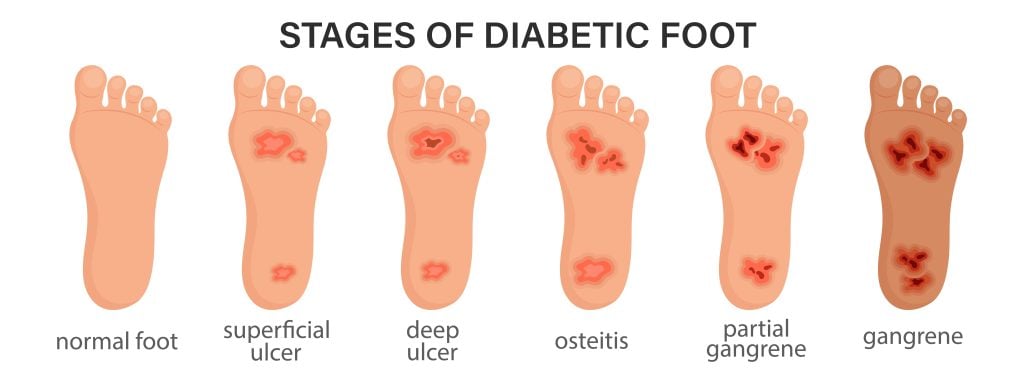
It’s critical to understand that these symptoms can lead to more diabetic feet ulcers, necessitating prompt and effective diabetic feet ulcer treatment. If left untreated, the symptoms may escalate to serious complications like infections, posing severe health risks. In such cases, a diabetes-infected foot can lead to drastic measures like amputation.

diabetes diabetic foot
Blisters on diabetic feet are a serious complication, even if painless, as they can go unnoticed and become infected, leading to ulcers, gangrene, or even amputation.

A podiatrist is instrumental in identifying these symptoms early on. Their specialised training enables them to conduct thorough foot assessments and tests, which are essential for the early detection of symptoms. Additionally, podiatrists can develop customised treatment strategies and preventive measures to manage diabetes and foot-related complications.

The Role of Neuropathy

Exploring the role of neuropathy in diabetic feet symptoms, it becomes clear that nerve damage, often manifesting as pain, numbness, or tingling in the feet, greatly contributes to the decreased sensation often experienced by individuals with diabetes. This diminished sensation forms the crux of the precarious situation that many diabetic patients face, as it enhances their vulnerability to foot injuries, ulcers, and infections.

Neuropathy in diabetes can lead to alterations in the shape of the foot and toes, which further complicates matters by increasing pressure points and the risk of developing foot ulcers. Neuropathy often masks the pain associated with ulcers or infections, thereby delaying diagnosis and intervention.

The diminished feelings & sensations of a diabetic foot make the risk of ulcers and their potential complications a very serious matter that need to be attended to by a podiatrist immediately.

Podiatrists, as healthcare professionals specialising in foot care, play a critical role in managing these symptoms. They can assess nerve function in the feet to detect neuropathy and its severity. Based on this evaluation, podiatrists can develop personalised treatment plans to manage the symptoms and prevent further complications.

Early detection and treatment of neuropathy by a podiatrist can considerably improve foot health and quality of life for individuals with diabetes.

Impact of Reduced Blood Flow

While neuropathy presents significant challenges in diabetic feet care, another critical factor to take into account is the impact of reduced blood flow. Poor circulation, a common complication of diabetes, results in decreased delivery of oxygen and nutrients to the feet, thereby slowing the healing of wounds and increasing the risk of infection.

Reduced blood flow can have the following effects:

Furthermore, reddish-blue discoloration of the feet can be another indicator of poor blood circulation. It’s vital to seek prompt medical attention for these symptoms to prevent complications and maintain foot health.

The next section will discuss the important role a podiatrist can play in addressing these challenges.

Diabetic Foot Health Assessments Explained

While managing diabetes, understanding the intricacies of a thorough diabetic feet evaluation becomes essential, as it serves as a critical tool in identifying potential foot-related complications early on. This evaluation, performed by a podiatrist, involves a detailed examination of the feet to detect signs of potential problems that may arise due to diabetes.

A diabetic feet evaluation typically consists of the following key components:

Understanding these steps can help individuals with diabetes better manage their foot health and avoid complications.

Importance of Regular Podiatrist Visits to Avoid Diabetic Foot Disease Complications

Regular visits to a podiatrist are critical for individuals with diabetes because they help to prevent foot-related complications and promote overall foot health. These medical specialists are proficient in detecting early signs of foot problems, which may otherwise go unnoticed until more severe symptoms develop.

Podiatrists play a critical role in creating thorough care plans tailored to the unique needs of each patient. These plans may include preventative measures, treatments, and lifestyle changes designed to reduce the risk of foot complications. Regular consultations ensure that these plans remain effective and relevant, adjusting to any changes in the patient’s condition.

Additionally, podiatrists are an integral part of the healthcare team for those with diabetes. They collaborate closely with other medical professionals to provide the best possible care. With their specialised knowledge, podiatrists can help prevent severe outcomes, including amputations, by making sure foot health is not overlooked.

Diabetes assessment rosanna ivanhoe podiatry Diabetic Foot
Doppler ultrasound is a noninvasive test that can be used to measure the blood flow through your blood vessels. It is a valuable tool for accurately assessning potential foot health issues, particularly for the diabetic foot.

In Closing...

To conclude, diabetic feet symptoms, often resulting from nerve damage and poor circulation, can profoundly impact an individual’s quality of life. A podiatrist provides essential care for managing these symptoms, preventing complications, and promoting overall foot health. Therefore, regular visits to the podiatrist are indispensable for individuals with diabetes.

Know your risk – a short 30 minute consult could save your feet.  

Book in today to see one of our experienced Podiatrists, call us on (03) 9457 2336 or book online for a GAP FREE Diabetes Foot Health Assessment (or just $69 if no extras cover).

Is It Possible To Get Fake Toenails From A Podiatrist?

Did you know that some podiatrists offer a cosmetic nail restoration system called KeryFlex?

You might wonder whether getting fake toe nails from a medical professional is a viable option for you. This specialised procedure uses a durable polymer resin to create artificial nails, closely mimicking the appearance of natural nails.

In about 30 minutes, you can have non-porous, antifungal-infused toenails that last up to 8 weeks. If you’re dealing with damaged or unsightly nails, you may find this long-term solution appealing.

But how does KeryFlex compare to other options, and what should you expect regarding cost and maintenance?

What is KeryFlex?

KeryFlex is a cosmetic nail restoration system that enables podiatrists to apply a durable, natural-looking prosthetic nail to damaged or unsightly toenails. Utilising a specialised polymer resin, the procedure creates an artificial nail that closely mimics the appearance and flexibility of a natural nail.

The process, taking approximately 30 minutes, involves multiple steps to guarantee a secure and aesthetically pleasing result. First, your podiatrist will prepare the nail bed by cleaning and debriding any damaged or infected portions. This step is vital to ensuring the best adhesion of the KeryFlex material.

Keryflex Results 18 (1)
The KeryFlex Nail Restoration Solution delivers immediate results that last for approximately 8 weeks before requiring re-application.

Antifungal properties infuse KeryFlex nails, offering an additional advantage to individuals with a history of nail infections. This makes them a safe and effective option for individuals seeking cosmetic enhancement without compromising their nail health. Overall, KeryFlex offers a sophisticated solution for achieving aesthetically pleasing toenails.

Benefits of KeryFlex

There are several key benefits that KeryFlex has that make it easy for Podiatrists to recommend as a superior fake toenail solution for people wanting to say goodbye to their damaged toenails:

Immediate Results

One of the key benefits of the KeryFlex system is its ability to provide an immediate and significant improvement in the appearance of toenails affected by damage or disease.

This advanced cosmetic nail restoration method uses a durable polymer resin that replicates the look and feel of a natural toenail, offering you a seamless aesthetic enhancement.

Flexible & Non-Porous

KeryFlex nails aren’t only flexible but also non-porous, which means they prevent moisture penetration. This is particularly advantageous if you’re undergoing antifungal treatments, as the non-porous nature of KeryFlex nails doesn’t hinder the treatment’s effectiveness.

Furthermore, the material used is safe for human skin and non-irritating, ensuring a comfortable application process.

Durable & Lasting

Another notable benefit is the durability of KeryFlex nails. They can last up to 8 weeks, providing a long-term solution without frequent maintenance.

KeryFlex specifically designs its patented composite resin gel to be gentle on your nail bed and skin, yet robust enough to withstand daily activities.

Anti-Fungal Protection

Additionally, the system contains anti-fungal properties, further protecting your nails from potential infections.

The KeryFlex Process

The process starts by preparing the damaged natural nail, ensuring a clean and smooth surface for the best adhesion of the patented resin. Your podiatrist will meticulously clean and file the affected nail, removing any debris or irregularities to create an ideal base. This step is essential for the resin to adhere effectively and produce a seamless, natural-looking artificial nail.

Next, we apply the KeryFlex resin in layers. A specialized UV light hardens the first layer, which serves as a base coat. This UV curing process ensures that the resin sets quickly and firmly, providing a solid foundation. We apply and cure additional layers of resin in the same manner until we achieve the desired thickness and shape.

Once the resin has hardened, your podiatrist will shape and smooth the artificial nail to match the natural contour of your toenail. This customization ensures a natural appearance and a comfortable fit.

KeryFlex Versus Other Options

When comparing cosmetic nail restoration options, you’ll find that KeryFlex offers distinct advantages over traditional acrylic nails:

Cost and Maintenance

Understanding the cost and maintenance of KeryFlex nail restoration is vital for those considering this advanced cosmetic treatment. The cost can vary depending on the amount of treatment required.

The cost of the Kery Flex solution treatment is $115 which includes the cost of application to one toenail, all subsequent toe cosmetic nails are $32 each.  A 30-minute appointment fee is also required.

The KeryFlex solution lasts between 6 – 8 weeks before needing to be reapplied to your feet in our clinic.  

Keryflex Results 16
KeryFlex provides a lasting and realistic nail restoration solution for people with damaged toenails.

You simply need to book an appointment (we will safely store your bottle of KeryFlex solution at our clinic until it has been used up).  We charge $25 per cosmetic nail for the KeryFlex application plus appointment fee for follow-up nail application appointments.

Maintenance of KeryFlex nails generally involves reapplication every 6–8 weeks. The procedure lasts approximately 20 minutes for one toenail and around 40 minutes for two.

Proper care is paramount to prolonging the durability and appearance of your KeryFlex nails. Follow your podiatrist’s instructions meticulously, which may include avoiding excessive moisture exposure and wearing comfortable shoes. These steps can greatly enhance the longevity of your restored nails.

Please Contact Us If You Would Like To Know More...

Imagine your nails acting as a fortress, protecting your toes. With KeryFlex, a podiatrist can rebuild this stronghold using advanced polymer resin, creating a barrier against fungal invaders.

The process, lasting merely 30 minutes, crafts durable, natural-looking nails that endure up to 8 weeks. You’re not just masking damage by choosing KeryFlex; you’re fortifying your defense with an evidence-based, long-term solution.

So, step confidently, knowing that your nails are both aesthetically restored and medically protected.

Damaged and unsightly toenails are a common issue that is now readily treatable, don’t put up with it any longer.  Call the experienced team at Bellevue Podiatry on (03) 9457 2336 or book online to make an appointment and take the first step towards great looking toenails!

What is the Best Morton’s Neuroma Treatment in Podiatry?

When considering the important treatment for Morton’s neuroma, it’s imperative to recognise that effective management often requires the best approach. From selecting the right footwear with ample toe space and arch support to utilising metatarsal pads for pressure redistribution, each intervention plays a vital role.

Physical therapy, cortisone injections, and even walking boot immobilisation offer additional avenues for alleviating symptoms.

But which of these strategies truly stands out as the most effective? The answer may depend on various individual factors, and understanding these nuances is key to identifying the most suitable course of action.

Appropriate Footwear

Selecting appropriate footwear is a critical component in the non-surgical management of Morton’s neuroma. Shoes with a wide toe box can greatly alleviate pressure on the affected area.

High-quality footwear designed with a spacious toe box helps to reduce the compression on the interdigital nerve, which is often the source of nerve pain in the toes and shooting pain in the toes.

Choosing shoes with adequate arch support and cushioning can help distribute weight more evenly, reducing localised stress on the metatarsal heads.

Wearing properly fitted shoes with a wide toe box and low (if any) heels is the ideal choice of footwear to reduce your likelihood of getting an ingrown toenail. An experienced podiatrist can review your footwear and guide you on the best possible choices.

Evidence-based research highlights that restrictive, narrow shoes exacerbate symptoms and can contribute to the development of Morton’s neuroma. A crucial aspect of Mortons neuroma treatment involves advising patients to select shoes with proper fit and construction. We should assess shoes for materials and design that minimise biomechanical stressors, such as high heels or pointed toes, which are known to aggravate the condition.

Patient-focused Morton’s neuroma trreatment should emphasise the importance of footwear modifications as a foundational strategy. Consistently wearing suitable shoes can greatly mitigate nerve pain in the toes, facilitate a reduction in inflammation, and promote neuroma healing.

Hence, footwear selection is indispensable in any extensive treatment plan for mortons neuroma treatment.

Metatarsal Pads

In addition to appropriate footwear, incorporating metatarsal pads into a treatment regimen for Morton’s neuroma can effectively redistribute pressure away from the affected nerve area. Place metatarsal pads inside the shoe, typically behind the ball of the foot, to provide targeted cushioning and support. This alleviates the compression on the interdigital nerve, thereby reducing symptoms such as pain and numbness.

Clinical studies have demonstrated the efficacy of metatarsal pads in managing Morton’s neuroma, offering a non-invasive alternative to surgical intervention. The key benefits of using metatarsal pads are as follows:

Integrating metatarsal pads into a detailed treatment plan can greatly improve the quality of life for individuals suffering from Morton’s neuroma, promoting both comfort and functional mobility.

Physical Therapy

Physical therapy is crucial in the non-surgical management of Morton’s neuroma because it focuses on specific exercises and techniques designed to alleviate pain and improve foot function.

Therapeutic exercises aim to strengthen the intrinsic and extrinsic musculature of the foot, which can reduce the mechanical stress on the affected nerve. Stretching protocols, particularly for the calf muscles and plantar fascia, are essential in enhancing foot biomechanics and reducing nerve entrapment.

Manual therapy techniques, including mobilisation of the metatarsophalangeal joints and soft tissue manipulation, can be highly effective in relieving symptoms. These interventions aim to improve joint mobility and alleviate soft tissue restrictions, thus reducing pressure on the neuroma. Additionally, pain and altered foot mechanics may compromise balance and gait, which proprioceptive training can help improve.

Please watch this fantastic video tutorial from ProActiveSF for four great Morton’s Neuroma exercises you can perform at home:

A patient-centred approach, incorporating individualised exercise prescriptions and regular follow-up, ensures optimal outcomes and long-term relief from Morton’s neuroma symptoms.

Cortisone Injections

A podiatrist may refer you to your doctor to administer cortisone injections, delivering a potent anti-inflammatory treatment for Morton’s neuroma. These injections offer significant pain relief by targeting the inflammation surrounding the affected nerve.

Direct delivery of corticosteroids into the site of discomfort markedly diminishes swelling, effectively alleviating symptoms.

Numerous clinical studies underscore the benefits of cortisone injections, demonstrating their efficacy in managing neuroma-related pain. Patients typically experience rapid relief, often within a few days of the procedure. This method is particularly advantageous for those seeking non-surgical options.

Cortisone injections’ key aspects include:

Walking Boot Immobilisation

Walking boot immobilisation, often used in cases of severe pain, is an effective non-surgical intervention for Morton’s neuroma because it reduces mechanical stress on the affected area. 

Using a specialised orthopaedic boot, this method distributes weight more evenly across the plantar surface and limits foot movement.

This immobilisation technique can help a lot with reducing pain and inflammation by reducing the repetitive pressure and biomechanical forces that act on the interdigital nerve.

Clinical evidence supports the efficacy of walking boot immobilisation in alleviating the symptoms associated with Morton’s neuroma. Studies have shown that patients often experience marked symptomatic relief within a few weeks of continuous use. 

In cases of severe Morton's Neuroma pain, your podiatrist may recommend a walking boot to restrict foot movement and give your injury time to to heal while still allowing you a decent level of mobility to go about your day.

The boot’s restrictive nature ensures that the foot remains in a neutral position, thereby preventing further aggravation of the neuroma and allowing the affected tissue time to recover.

From a patient-focused perspective, the use of a walking boot can be particularly advantageous because it provides a non-invasive alternative to surgical intervention. Compliance is generally high, as patients typically find the boot comfortable and simple to integrate into daily activities.

However, it is critical for healthcare providers to monitor progress on a regular basis and make adjustments as needed to optimise outcomes.

Morton's Neuroma FAQs

In Closing Treatment for Mortons Neuroma

The multifaceted approach to treating Morton’s neuroma offers a spectrum of evidence-based interventions, each tailored to address the unique needs of the patient.

The efficacy of these treatments lies in their synergy, from judicious footwear selection and strategic use of metatarsal pads to the incorporation of targeted physical therapy and potentially precise cortisone injections.

The pivotal question remains: which combination will ultimately provide the best relief and restore function, underscoring the necessity for personalised, patient-centric care

We do recommend seeking the professional advice of an experienced Morton’s Neuroma Podiatrist to answer that question in close consultation with you, your personal circumstances and pereferences to ensure the right morton’s neuroma treatment plan is put in place.

You don’t need to put up with foot pain any longer.  Call us today on (03) 9457 2336 or book online and let us get you back on your feet pain free and walking with confidence once again.

Picture of Bellevue Podiatry

Bellevue Podiatry

Bellevue Podiatry has been serving the people of Rosanna and its surrounding suburbs for over 10 years. We have the qualifications, experience and education to effectively treat any lower limb condition or injury that requires expert podiatry care.

Bunion Self-Care: How to Treat Bunions at Home Effectively | Big Toe Exercises

When dealing with bunions, you don’t always need to rush to a specialist right away. There are several effective strategies you can adopt at home to manage the discomfort and progression of bunions.

From selecting the right footwear to incorporating targeted exercises, each step plays an important role in bunion self care. You’ll find that small adjustments can make a significant difference in reducing pain and improving mobility.

Curious about where to start? Let’s explore the various methods to treat bunions at home effectively in this blog.

Understanding Bunions and Your Foot Health

Bunions are bony bumps formed at the base of the big toe joint due to misaligned bones and muscles. 

These misalignments often lead to significant pain and discomfort, making daily activities challenging.

Bunions, clinically known as hallux valgus, don’t resolve spontaneously and can progressively worsen if left untreated. Hence, implementing proper bunion self care is important.

For bunion pain relief, consider using padding and cushioning solutions to minimise pressure on the affected joint. Opt for wide, comfortable shoes to provide adequate space for your toes, thereby reducing irritation.

Incorporating regular exercises and stretches into your routine can strengthen the surrounding muscles and improve joint stability.

Additionally, alternating hot and cold therapies can alleviate inflammation and reduce pain.

ivanhoe podiatrist ivanhoe podiatrist
Bunions are far more common than you think affecting over a quarter of the world's population. If you have a bunion forming, it is important to implement a regular and ongoing bunion treatment plan to keep your bunion at bay and avoid it becoming painful or possibly requiring surgery.

We will discuss each one of these self-care treatment options in this blog, but it’s important to remember while these measures can provide significant bunion treatment without surgery, it’s important to consult an experienced bunion podiatrist for ongoing pain or if symptoms persist.

Common Causes of Bunions

At a high level, genetic predisposition, tight-fitting shoes, and high heels are primary factors that force the big toe joint out of alignment, leading to bunions, specifically:

Certain activities and lifestyle choices also play a role. For instance, jobs that demand long hours on your feet or activities that exert excessive pressure on your toes can aggravate existing bunions or accelerate their formation.

Self-Care Treatment - Footwear / Shoes Adjustment

Selecting appropriate footwear is crucial for alleviating bunion discomfort and preventing further joint misalignment. 

Opt for wide, comfortable shoes with a roomy toe box to minimise pressure on the bunion. Narrow or tight-fitting shoes exacerbate pain and can accelerate the deformity’s progression.

Low-heeled or flat shoes are preferable as they reduce strain on the big toe joint. High heels, in contrast, shift body weight forward, increasing pressure on the forefoot and worsening bunion symptoms. 

Additionally, shoes with good arch support are essential. Proper arch support helps maintain foot alignment, thereby decreasing the discomfort associated with bunions.

When choosing footwear, prioritise materials that offer flexibility and breathability to accommodate any swelling. People often recommend leather or mesh shoes for their ability to conform to the shape of your foot.

It’s also advisable to select shoes with adjustable straps or laces, which can provide a more customised fit and additional support.

Avoid shoes with pointed toes, as they can squeeze your toes together, exacerbating your condition. Instead, look for styles that allow your toes to spread naturally

Implementing these footwear adjustments can greatly reduce bunion-related pain and contribute to better foot health.

Wearing properly fitted shoes with a wide toe box and low (if any) heels is the ideal choice of footwear to reduce your likelihood of getting an ingrown toenail. An experienced podiatrist can review your footwear and guide you on the best possible choices.
toe shoes part nail
If you're on your feet all day, you must wear a shoe with low heels & a wide toe box to help protect your feet from foot pain.

Self-Care Treatment - Padding & Cushioning for Pain Reduction

Using padding and cushioning techniques can greatly reduce pressure on the bunion joint, alleviating pain and discomfort. You can place readily available over-the-counter bunion pads and shields directly over the bunion. These pads provide a barrier, preventing friction and rubbing against shoes, which is a common source of irritation.

Gel cushions and silicone toe separators are another effective option. These devices not only provide cushioning, but they also help to maintain proper toe alignment, reducing pain. Orthotic inserts with extra padding can also help by redistributing pressure across the foot, minimising the direct impact on the bunion. Be sure to select orthotics that fit well within your footwear to avoid additional discomfort.

Additionally, choosing properly fitted shoes with cushioned insoles can enhance the overall effectiveness of padding and cushioning strategies. Shoes with wide toe boxes and soft, cushioned insoles can provide ample space and support, reducing stress on the bunion.

Self-Care Treatment - Bunion Toe Exercises and Stretches for Foot Health

Incorporating specific exercises and stretches into your routine can effectively strengthen the muscles around the toe joint and improve overall flexibility, thereby reducing bunion pain and discomfort:

Toe points curls are excellent for enhancing toe muscle strength and joint flexibility.

You simply need to point your toes forward and then curl them back, repeating this motion several times a day.

Here is a useful tutorial from Stability Before Strength Physical Therapy that you can watch to get a better understanding of this important exercise.

Another beneficial exercise is toe spread-outs.

You can work on widening the space between your toes by spreading them apart as far as you can and holding the position for a few seconds, which reduces pressure on the bunion.

Please watch this short and clear video tutorial on toe spread-outs from Eric Price.

Toe circles are also effective. 

Hold your toe and rotate in circular motions, first clockwise and then anticlockwise, to promote mobility and alleviate stiffness.

This is a great exercise that promotes toe mobility and loosens the movement of your big.

Check out this great tutorial from Centerworks Pilates on how to do toe circles properly.

Assisted toe abduction, which uses an exercise band, targets the muscles around the big toe joint. 

To strengthen your muscles, wrap the band around your big toe and gently pull it away from the other toes.

Here is a useful demonstration of the exercise using an exercise band from Feet & feet. It is important to use some kind of elastic band such as a theraband for this exercise to be effective.

Finally, ball rolling under the foot can provide a soothing massage. 

To improve circulation and relieve bunion pain, roll a small hard ball under your foot.

 Here is a great video from Coach Robb on how to effectively execute ball rolling to get the best results for your feet.

These exercises, when performed consistently, can offer significant relief.

Self-Care Treatment - Hot & Cold Therapies for Pain Reduction

In addition to exercises and stretches, hot and cold therapies offer a non-invasive approach to managing bunion pain and inflammation. These therapies, such as contrast baths or using ice packs and warm compresses, can greatly reduce the inflammation and pain associated with bunions.

Alternating between hot and cold treatments—known as contrast therapy—can offer the combined benefits of both modalities, enhancing overall relief.

You can seamlessly integrate these cost-effective and easily accessible methods into your daily self-care routine. Combining hot and cold therapies with other self-care techniques like toe separators and proper footwear can provide thorough pain relief.

Always make sure you’re using these therapies correctly to maximise their benefits and minimise any risks. For persistent or severe pain, consult with a healthcare professional.

In Closing...

You’ve now got a toolkit to tackle bunions head-on, right at home. With wide shoes, cushioned insoles, and bunion pads, you’re shielding your feet from harm’s way.

Strengthening exercises and stretches are your secret weapons for fortifying your toe muscles and joint stability.

Don’t forget the power of hot and cold therapies; they’re your frontline soldiers against pain and inflammation.

By integrating these strategies, you’re not just managing bunion symptoms—you’re reclaiming your comfort and mobility.

You don’t need to put up with Bunion pain any longer.  Call us today on (03) 9457 2336 or book online and let us get you back on your feet pain free and walking with confidence once again with our Bunion treatments.

Bunions

Understand what causes your bunions and what you can do about them. Find out what treatments can get you back to walking pain free so you can enjoy living an active life again!

operative management
Picture of Bellevue Podiatry

Bellevue Podiatry

Bellevue Podiatry has been serving the people of Rosanna and its surrounding suburbs for over 10 years. We have the qualifications, experience and education to effectively treat any lower limb condition or injury that requires expert podiatry care.

Do Plantar Fasciitis Socks Really Work?

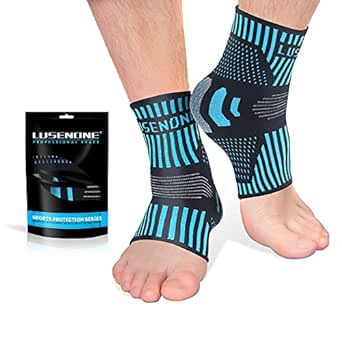
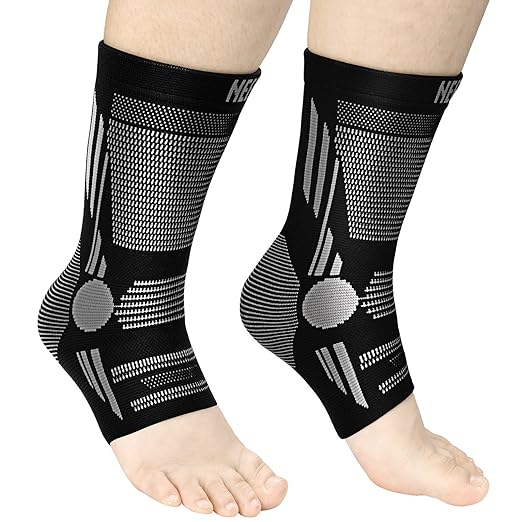
It’s interesting that just last week, a friend mentioned their struggle with plantar fasciitis and the use of specialised socks for relief, so we thought we would write a blog about it as people ask us this question a lot – do compression socks really work to reduce plantar fasciitis pain?

You might wonder if these socks are genuinely effective or if they’re just another overhyped solution. Some people swear by them, claiming they reduce morning pain and provide all-day comfort. However, without solid clinical data available at the moment, it’s hard to determine their true efficacy.

So, do these socks really offer the support you need, or are there better alternatives? Let’s explore the evidence and user experiences to find out.

Understanding Plantar Fasciitis

Plantar fasciitis, a prevalent foot condition, arises from repeated stress on the plantar fascia ligament, leading to inflammation and pain. You might notice this discomfort mainly in the heel area, making those first steps in the morning particularly excruciating. 

Several factors can predispose you to this condition, including high-impact exercise routines, abnormal foot biomechanics, and excess body weight. Understanding these risk factors is essential for both prevention and management.

In clinical practice, conservative therapy is highly effective, with 90% of cases resolving within 6–8 weeks. This approach includes rest, ice application, and stretching exercises targeting the plantar fascia and Achilles tendon. 

Proper footwear also plays a pivotal role in providing the necessary arch support to alleviate ligament stress.

An inflamed plantar fascia will stop you from doing the things you enjoy in life. Getting an accurate diagnosis is crucial to resolving the pain once and for all.

It’s important to note that, while surgery is an option, less than 5% of cases require such an invasive intervention. Instead, emphasising non-surgical methods can yield significant relief. To effectively manage and alleviate symptoms, you should focus on modifying risk factors, incorporating supportive footwear, and engaging in specific stretching routines. Understanding these elements forms the basis for a thorough approach to treating plantar fasciitis.

Compression Socks: How They Work

While understanding the risk factors and conservative treatments for plantar fasciitis is fundamental, knowing how compression socks function can further enhance your management strategy. 

Compression socks work by applying graduated pressure to the foot and lower leg, which helps improve circulation and reduce swelling. 

This is particularly beneficial for individuals with plantar fasciitis, as enhanced blood flow can aid in the healing process and alleviate pain.

There is insufficient clinical data at present to prove (or disprove) the potential benefits of compression / plantar fascia socks, however their intention to reduce load on the plantar fascia to provide pain relief is a well-established treatment option with podiatrists (e.g. foot strapping & taping). Here’s how compression socks can assist you:

51BHhcb ukL. SY445 SX342 QL70 ML2
There is a lack of clinical data supporting the use of plantar fasciitis socks, however the concept of offloading pressure from the plantar fascia to relieve pain is well-established and this is what compression socks aim to do.

Understanding these mechanisms can help you make an informed decision about whether you want to incorporate compression socks into your plantar fasciitis treatment plan.

Evaluating Effectiveness & Lack of Clinical Data

Despite anecdotal reports of relief, the effectiveness of plantar fascia socks remains questionable due to the lack of thorough clinical data. This uncertainty stems from a lack of in-depth studies that control for variables such as footwear choices and activity levels. Without these controls, it’s hard to isolate the socks’ true impact on plantar fasciitis symptoms.

Clinicians often hesitate to recommend plantar fascia socks as a primary treatment option because of this lack of evidence. Instead, they lean towards more scientifically validated treatments like orthotics or shockwave therapy. The limited research available makes it difficult to determine if the socks genuinely alleviate plantar fasciitis or merely reduce general foot soreness.

When evaluating plantar fasciitis socks, you should consider factors such as fit, material, and compression level. These elements can influence comfort and potential benefits, but remember that individual experiences vary widely. While some users may find relief, others won’t notice a significant difference.

Hence, without robust clinical data, the reliability of these socks as a definitive treatment for plantar fasciitis remains in doubt. Always consult with a healthcare provider to explore the most effective treatment options for your condition.

Plantar fasciitis / compression socks are designed to reduce load on the plantar fascia and therefore reduce foot pain, but there effectiveness has not yet been concluded in a sufficient number of clinical studies.

User Experiences

Many users reported varying degrees of relief from plantar fasciitis symptoms when incorporating plantar fascia socks into their treatment regimen. These socks aim to provide targeted arch support and alleviate discomfort. However, the extent of relief can vary greatly among individuals.

From clinical observations and user feedback, several common themes have emerged:

Understanding these user experiences can guide you in deciding whether plantar fascia socks might be a beneficial addition to your current treatment plan. Always consider consulting an experienced plantar fasciitis podiatrist to tailor interventions to your specific needs.

Evidenced-based Alternatives to Socks

There are a number of alternatives to plantar fascia socks, that do have a significant number of supporting clinical studies to confirm their efficacy, that your podiatrist will be able to advise you on:

Custom Orthotics

Custom orthotics, designed to fit the unique contours of your feet, can effectively redistribute pressure and provide enhanced arch support.

This helps mitigate the strain on the plantar fascia, leading to reduced inflammation and pain.

Shockwave Therapy

Another highly effective treatment is shock wave therapy. This non-invasive procedure utilises acoustic waves to break down scar tissue and stimulate the production of healthy collagen.

Clinically, it’s been proven to accelerate the healing process, offering a more scientifically validated approach compared to socks.

Physical Therapy

Additionally, physical therapy can be instrumental in managing plantar fasciitis. A trained podiatrist can guide you through targeted exercises to stretch and strengthen the plantar fascia, Achilles tendon, and lower leg muscles.

These exercises improve flexibility and reduce tension, addressing the root cause of the pain.

Summing It Up...

While plantar fascia socks may offer anecdotal relief akin to a placebo effect, their clinical efficacy remains in the shadows. We aren’t saying you shouldn’t try them for yourself, that is up to you. As mentioned, there is plenty of anecdotal evidence of people getting some pain relief benefit from there.

As evidence-based Practitioners however, we are unable to point to sufficient clinical data that proves their effiacy, so please be aware of this limitation if you are going to try compression socks for yourself.

In the labyrinth of treatment options, we recommend you don’t rely solely on socks; consult a podiatrist to help navigate your path to recovery.

If you want the right professional advice on how to treat your heel pain, we currently have a limited offer running to help you out. For just $79 (usually valued at $189), book in online for our Complete Heel Pain Assessment & Treatment Consultation will get:

  • Complete In-Depth Heel Pain Examination
  • Review of Footwear & Personal Habit Diagnosis
  • Treadmill Walking Gait Analysis & Video Assessment
  • Complete Foot & Ankle Structural Diagnosis
  • Effective Heel Pain Treatment Plan To Get You Walking Pain Free
  • Peace of Mind You Know What Is Causing Your Heel Pain & How To Fix It
Check out our eBook below for further details on this special offer as well as other tips and techniques you can try at home to manage your plantar fasciitis and heel pain.

Heel Pain & Plantar Fasciitis

Understand what causes your heel pain and what you can do to get rid of it once and for all. Find out what treatments can get you back to walking pain free so you can enjoy living an active life again!

plantar fasciitis treatments best arch support insoles for plantar fasciitis
Picture of Bellevue Podiatry

Bellevue Podiatry

Bellevue Podiatry has been serving the people of Rosanna and its surrounding suburbs for over 10 years. We have the qualifications, experience and education to effectively treat any lower limb condition or injury that requires expert podiatry care.

Our 10 Best Plantar Fasciitis Treatment Pain Relief Product Recommendations

If you’re struggling with plantar fasciitis, you’re not alone, and finding the right products can make a world of difference.

Our Podiatrists have pinpointed some of the best items to help ease your pain, from the soothing Loumet Spikey Massage Ball to the supportive Hoka Shoes.

These recommendations cater to various needs, whether it’s reducing inflammation with Voltaren Emulgel or providing targeted relief with cold therapy socks. Are you curious about which products might best suit your needs and lifestyle? Let’s look deeper into these top picks to help you step comfortably again… and be sure to read our tips on how to pick the right plantar fasciitis pain relief products after our own recommendations.

If you’re struggling with tight muscles or tension due to plantar fasciitis, the Loumet Spikey Massage Ball is an excellent choice to help alleviate your discomfort. The design of this self-myofascial release tool effectively targets and massages tight muscles, knots, and trigger points. With its spikey nodules, it enhances flexibility and reduces muscle pain and tension.

You can use it on various parts of your body, including your calves, hamstrings, quads, back, shoulders, neck, and feet. Its compact and portable design means you can carry it anywhere for quick relief, whether it’s before, during, or after physical activity. Made by Loumet, a trusted Australian brand, this 10-cm blue ball ensures a safe, phthalate-free experience for your muscle maintenance.

Best For: Individuals seeking relief from muscle tension, tightness, and discomfort, particularly those dealing with plantar fasciitis or regularly engaging in physical activity.

Pros: – Effective for massaging tight muscles, knots, and trigger points; – Compact and portable for convenient use anywhere. Made from safe, phthalate-free materials

Cons: – May be too firm for those with very sensitive muscles; – Spikey nodules might be uncomfortable for some users; – Limited to self-massage, which might not be as effective as professional treatments for severe conditions.

71T rJM20uL. AC SX679
Compact self massage ball is the perfect tool to release muscle tension and soreness for injury prevention, muscle maintenance, and increased flexibility.
71IgaogoBqL. AC SX679
Voltaren Emulgel is used to treat pain and inflammation of muscles, joints, tendons and ligaments, due to sprains and strains, sports injuries and soft tissue rheumatism. Non-greasy formula. No strong odors.

For those battling the persistent discomfort of plantar fasciitis, Voltaren Anti-Inflammatory Emulgel (150 g) offers a clinically proven solution that targets inflammation right at the source. This topical gel contains diclofenac, which penetrates your skin to deliver fast pain relief.

You’ll appreciate its triple benefits: pain relief, reduced inflammation, and quicker mobility. The non-greasy formula has no strong odours and combines the properties of gel and cream, providing a cooling and moisturising effect.

To use it, just apply a small amount to the affected area 3–4 times daily. Users have praised its effectiveness for sore muscles, arthritis, and back problems, often noting the quick delivery and favourable pricing. While some reported packaging issues, most are highly satisfied.

Best for: Those suffering from plantar fasciitis, muscle soreness, arthritis, or back pain seeking fast and effective topical relief.

Pros: Clinically proven to relieve pain and reduce inflammation. A non-greasy formula with no strong odors. provides a cooling and moisturising effect.

Cons: Some users experienced packaging issues leading to leakage. requires multiple applications daily for effectiveness. This product may not be suitable for individuals with diclofenac allergies.

With its physician-trusted design and APMA acceptance, the ProStretch Blue Original Calf Stretcher and Foot Rocker is perfect for anyone seeking effective relief from plantar fasciitis, Achilles tendonitis, or tight calves. This device, made in the USA, boasts a slip-resistant bottom and a unique rocker design that guarantees your foot is positioned perfectly for an effective stretch. It’s been a go-to for professional athletes and physical therapists for over 20 years.

You’ll appreciate how it reduces pain and inflammation, helping you stay active and injury-free. The ProStretch is easy to use and fits adult shoes up to size 12. For the best results, try pairing it with plantar fasciitis socks. It’s a simple, effective tool that delivers deep, satisfying stretches.

Best For: Anyone seeking effective relief from conditions like plantar fasciitis, Achilles tendonitis, or tight calves, including professional athletes and physical therapists.

Pros: It reduces pain and inflammation for various foot and calf conditions. Its slip-resistant bottom and unique rocker design ensure safe and optimal stretching. Professionals have trusted this design for over 20 years, enhancing safety and effectiveness.

Cons: Only adult shoes up to size 12 are allowed. The recommended weight limit of 250 pounds may not accommodate all users. Some users may need additional products, like plantar fasciitis socks, for optimal results.

61EDISwsJyL. AC SX679
Using ProStretch daily reduces pain and inflammation caused by plantar fasciitis, achilles tendonitis, sever’s disease, shin splints, and tight calves & hamstrings. ProStretch isolates the lower leg muscles, tendons, and ligaments to ensure a deep, effective stretch that helps reduce injuries.

Relief Genius Cold Therapy Socks with Reusable Gel Ice Packs offer immediate relief for those experiencing aches, pains, and soreness, making them perfect for anyone struggling with plantar fasciitis. Easy to use, these socks offer soothing cold therapy to reduce inflammation and swelling.

Whether you’re dealing with sprains, bruises, or muscle pain, these socks can help. They fit women’s shoe sizes 10–13 US and men’s sizes 9–12 US. Customers have praised their quality and effectiveness, especially for conditions like plantar fasciitis and arthritis.

With a money-back guarantee, you can try them risk-free. If you’re looking for a straightforward solution to foot pain, these cold therapy socks could be just what you need.

Best For: Individuals experiencing foot pain from conditions like plantar fasciitis, arthritis, sprains, or muscle pain who need immediate relief.

Pros: Provides immediate relief from aches, pains, and soreness; reduces inflammation and swelling effectively. Reusable gel ice packs are easy to use.

Cons: – Mixed feedback on usability as heat packs; – Only available in specific sizes; – Might not fit all foot sizes comfortably.

71cE2JBMY1L. AC SX679
Simple and effective, our cooling socks with gel ice packs is a great at-home cold therapy solution to achieve relief in minutes; Simply freeze and wear at your leisure.

If you’re seeking immediate and efficient pain relief for plantar fasciitis, the Nurofen Tablets Pain and Inflammation Relief 200mg Ibuprofen 24 Pack may be the perfect solution. These tablets contain 200 mg of ibuprofen, providing quick relief from inflammation and pain. They’re handy for managing not only plantar fasciitis but also other discomforts like headaches, muscle pain, and even dental pain.

Just take them with water, and you’ll likely notice the difference. Many users love their effectiveness and reasonable price, making them a popular choice. Plus, they contain no preservatives, so you can feel good about what you’re putting into your body.

Keep a pack on hand for those days when plantar fasciitis flares up.

Best For: Individuals seeking fast and effective temporary relief from pain and inflammation associated with conditions like plantar fasciitis, headaches, and muscle pain.

Pros: – Provides quick relief from various types of pain and inflammation; – Contains no preservatives; – Affordable and well-reviewed by customers

Cons: – Only to be used as short term, temporary pain relief solution.

For anyone struggling with foot pain from conditions like plantar fasciitis or Achilles tendonitis, the Everlasting Ice RX Ankle Ice Pack Wrap offers a holistic solution with its versatile hot/cold therapy and secure compression design.

This wrap provides all-around coverage, guaranteeing thorough relief for inflammation and soreness. Its gel-based construction makes it easy to use and reusable, giving you quick and effective pain relief whenever you need it.

The slip-on design ensures a comfortable fit, perfect for managing heel pain, sprains, and post-surgery recovery. Users rave about its effectiveness, noting that it stays cold for 15-20 minutes and provides significant comfort and support.

This wrap is a must-have for anyone dealing with foot discomfort.

Best For: Individuals suffering from foot pain due to conditions like plantar fasciitis, Achilles tendonitis, sprains, or post-surgery recovery are best served.

Pros: It provides 360-degree coverage for comprehensive pain relief. It offers versatile hot/cold therapy for effective management of inflammation and soreness. The slip-on design is comfortable and secure, making it easy to use.

Cons: The cold pack stays cold for only 15-20 minutes. The cold pack may not fit all foot sizes perfectly. Some users may prefer longer-lasting cold therapy.

81nlJMztO3L. AC SX679
Versatile Hot/Cold Therapy: Get ankle ice pack the best of both worlds with this gel-based ice pack for ankle. Use it to reduce inflammation or soothe soreness, enjoying the benefits of versatile hot and cold therapy. Perfect for various conditions like ankle pain, Plantar Fasciitis, and Achilles Tendonitis.
61JUMoPJ4yL. AC SY300 SX300 QL70 ML2

Designed to provide exceptional comfort and support, Silicone Gel Heel Cups are perfect for anyone struggling with the persistent pain of plantar fasciitis. These medical-grade shoe inserts from BLLETION offer excellent cushioning with their silica orthotic gel pads.

Whether you’re dealing with bone spurs, sore heel pain, or Achilles pain, these heel cups can make a significant difference. Customers rave about their thick, supportive design, noting how they protect the heel and make walking more comfortable. With positive feedback on ease of use and effectiveness, they’re a solid choice for foot care.

They are lightweight at 170 grams and reasonably priced, so they fit seamlessly into your shoes, ensuring you get the relief you need without any hassle.

Best for: Individuals suffering from plantar fasciitis, bone spurs, sore heel pain, and Achilles pain seeking comfortable and supportive shoe inserts are best suited.

Pros: Medical-grade silicone gel offers excellent cushioning and support. The thick and supportive design enhances comfort and protects the heel. They are lightweight and easy to fit into any shoe, making them convenient to use.

Cons: The gel pads may not fit all shoe sizes perfectly, requiring adjustments. Some users might find the gel pads too thick for certain types of footwear. The gel pads are only available in one size (large), which may not be suitable for everyone.

You’ll find the Formthotics Hike Dual Density Insoles perfect if you’ve struggled with high arches and splay feet, especially during long hikes. These insoles have been a game-changer for many, offering relief where other orthopaedic solutions failed.

Imagine your second Camino de Santiago walk with no foot pain, just pure enjoyment. That’s what these insoles deliver. They mold to your feet using body warmth, ensuring a perfect fit, particularly in size 39/40 shoes.

They hold up remarkably well after over 1000 km of use, though you may need a new pair after about 15 months. Whether you’re hiking, jogging, or just going about your daily routine, these insoles provide the comfort and support you need.

Best for: Those with high arches and splay feet seeking relief and comfort during long hikes or daily activities.

Pros: Provides excellent support and relief for high arches and splay feet. It conforms perfectly to your feet by harnessing your body’s heat. It is durable, lasting over 1000 km of usage.

Cons: The item may require replacement after approximately 15 months. It’s important to select the correct size to ensure an optimal fit. The initial cost might be higher compared to standard insoles.

81Uj9umZHbL. AC SY695
Formthotics offers a high level of comfort, better balance and more feeling for the ground as well as speed and endurance.
51r1EHeA2OL. AC SY695
Reworked with softer, lighter foam and brand-new extended heel geometry for the perfect blend of soft and bouncy. Taking on a billowed effect, the rear crash pad affords an incredibly soft and balanced ride from heel strike to forefoot transition.

If you’re struggling with plantar fasciitis, the Hoka Bondi 8 Wide Shoes, offer a cushioned and supportive solution for your feet.

The extended heel geometry and softer, lighter foams in these shoes make them perfect for long-distance running or walking. The rear crash pad guarantees a soft, balanced ride, reducing the strain on your plantar fascia with every step.

Designed for a smooth heel-to-forefoot shift, the Bondi 8 provides a comfortable experience that helps alleviate pain. Podiatrists recommend these shoes for their excellent support and cushioning, making them a reliable choice for managing plantar fasciitis.

Your feet will thank you for the extra comfort and care.

Best for: Individuals suffering from plantar fasciitis who require cushioned and supportive footwear for long-distance running or walking are best served.

Pros: Softer and lighter foams for enhanced comfort extended heel geometry for improved stability The rear crash pad provides a smooth and even ride.

Cons: – It might be too cushioned for those who prefer firmer support; – It is more expensive than some alternatives; – There are limited colour options available.

For anyone grappling with foot nerve pain or plantar fasciitis, Hilph Ice Pack Slippers offer a soothing and effective solution to keep your feet comfortably cold. The design of these slippers relieves foot nerve pain and neuropathy, maintaining their coldness for an extended period. They’re not suitable for walking, but their spacious design guarantees excellent foot coverage.

Many users have found them particularly effective for hot feet at night. Just pop them in the freezer for maximum chill.

To use them safely, slip on a pair of thinner socks to protect your skin. While they may require some adjustment to find the perfect cold spot, especially around the big toe joint, they’re an easy and comfy alternative to traditional ice packs.

Best for: Individuals with foot nerve pain, neuropathy, or plantar fasciitis seeking effective and soothing cold therapy.

Pros: comfortable and easy to use.

Cons: not suitable for walking. It is necessary to wear thinner socks to protect the skin. You may need to make adjustments to find the perfect cold spots, especially around the big toe joint.

51AQcVlMtIL. AC SY695
Wide opening design is easy for people with sore feet to put on and take off, no worry about squeezing your feet. The coverage area of the instep is larger than the others which can provide long-lasting cold compress.

Factors to Consider When Choosing Plantar Fasciitis Pain Relief Products

When you’re choosing a product for plantar fasciitis relief, it’s important to think about a few key factors to guarantee you get the best support. Consider the effectiveness, how long the relief lasts, the material’s comfort, and how easy the product is to use.

Also, don’t forget about portability, convenience, and price; make sure it fits your lifestyle and budget.

Effectiveness and Relief Duration

Choosing the right plantar fasciitis pain relief product can make a world of difference in how quickly and effectively you experience relief. The effectiveness and duration of relief you get from these products can vary greatly. It largely depends on your specific condition and the product you choose. While some options offer immediate but temporary relief, others aim for longer-lasting effects.

You’ll want to think about what you need. Are you looking for something to ease acute pain right now, or do you need a solution for long-term management? Different products work in different ways. For instance, some may leverage advanced technology or specific ingredients to deliver quicker results.

It is essential to consider each product’s design and mechanism of action. Understanding how they work can guide you to the most suitable option for your needs. Keep in mind that what works for one person mightn’t work for another, so there might be some trial and error involved.

Ultimately, choosing the right product can help you manage your pain effectively, allowing you to get back to your daily activities with ease and comfort.

Material and Comfort

Finding the perfect plantar fasciitis pain relief product means considering the material and comfort it offers to guarantee effective and lasting relief. You’ll want to look for products made from materials like gel, silicone, or breathable fabric. These materials provide different levels of cushioning and support, reducing pressure on your heel and arch and ultimately alleviating pain.

Comfort is key, so prioritise products that offer cushioning and support features. Gel and silicone options can mould to your foot’s shape, providing individualised relief. Breathable materials are also essential to prevent moisture buildup, keeping your feet dry and hygienic throughout the day.

Adjustability is another important factor. Look for products that offer customisable features, like adjustable straps or inserts, to ensure a snug fit tailored to your needs. This will help maximise comfort and efficacy. Additionally, lightweight and non-intrusive products are ideal, so you can wear them comfortably during your daily activities without feeling burdened.

Ease of Use

After ensuring that your plantar fasciitis pain relief product is both comfortable and made from high-quality materials, it’s important to assess how easy it is to incorporate into your daily routine. You want a product that doesn’t add stress to your busy day. Look for items with clear instructions and simple mechanisms.

The last thing you need is to spend time deciphering complicated manuals or setups. Consider how often you’ll need to use the product. Daily or frequent use means it should be straightforward and hassle-free. Products that require additional tools or accessories can become cumbersome, so opt for those that are self-sufficient.

Think about where you’ll use it most. Whether at home, work, or on the go, it’s essential that the product fits seamlessly into your lifestyle. User-friendly designs that don’t require complex maintenance will save you time and energy, making it easier to stay consistent with your treatment.

In essence, the easier a product is to use, the more likely you’re to stick with it, and ultimately, that consistent use could lead to better relief from your plantar fasciitis pain.

Portability and Convenience

When you’re dealing with plantar fasciitis, portable and convenient pain relief products can make a world of difference in managing your symptoms throughout the day. Whether you’re travelling, at work, or just on the go, having easy access to relief can be a game-changer.

Compact sizes and lightweight designs are vital for these products, allowing you to carry them effortlessly in a bag or purse.

For instance, gel ice packs can provide soothing relief and reduce inflammation wherever you are. Another great option is to use massage balls, which are small enough to fit in your pocket, under your desk, or while watching TV. Heel cups are also incredibly useful; you can slip them into any pair of shoes, providing instant cushioning and support no matter where your day takes you.

Consistency is important when managing plantar fasciitis, and the convenience of portable products ensures you can stick to your pain relief routine even with a busy lifestyle.

Keeping these tools within easy reach helps maintain foot comfort and effectively manage symptoms, making it easier for you to stay active and comfortable all day long.

Price and Value

Choosing the right plantar fasciitis pain relief products involves balancing their price with the value they bring to your daily comfort and symptom management. It’s important to take into account the price range, as these products can vary widely—from budget-friendly options to more expensive, high-end solutions.

When evaluating value, look at the features, effectiveness, durability, and reputation of the product. A higher price doesn’t always mean better quality, so it’s essential to find a product that offers a good balance between cost and benefits.

Compare different products based on their cost-effectiveness, taking into account factors such as longevity, ease of use, and the level of relief they provide.

Prioritise products that promise long-term relief, even if they come with a slightly higher initial cost. Investing in something durable and effective can save you money and pain in the long run.

Summing Up Plantar Fasciitis Treatment Pain Relief Products...

When it comes to battling plantar fasciitis, don’t settle for discomfort—take action with these podiatrist-recommended products.

Whether you’re opting for soothing massage balls, potent anti-inflammatory gels, or supportive orthotics, you’ve got plenty of options to ease your pain.

Remember, the right tools can make all the difference. Prioritise your comfort, invest in your health, and step confidently towards long-term relief.

Your feet deserve the best care, and you’ve got the power to provide it.

If you want the right professional advice on how to treat your heel pain, we currently have a limited offer running to help you out. For just $79 (usually valued at $189), book in online for our Complete Heel Pain Assessment & Treatment Consultation will get:

  • Complete In-Depth Heel Pain Examination
  • Review of Footwear & Personal Habit Diagnosis
  • Treadmill Walking Gait Analysis & Video Assessment
  • Complete Foot & Ankle Structural Diagnosis
  • Effective Heel Pain Treatment Plan To Get You Walking Pain Free
  • Peace of Mind You Know What Is Causing Your Heel Pain & How To Fix It
Check out our eBook below for further details on this special offer as well as other tips and techniques you can try at home to manage your plantar

Ignoring heel pain or plantar fasciitis never cures it and your situation will likely get worse the longer you leave it.   

Take control today by booking in online or call us today on (03) 9457 2336 to see one of our podiatrists and get this issue sorted once and for all.

Heel Pain & Plantar Fasciitis

Understand what causes your plantar fasciitis & heel pain and what you can do to get rid of it once and for all. Find out what treatments can get you back to walking pain free so you can enjoy living an active life again!

plantar fasciitis treatments best arch support insoles for plantar fasciitis