Expert Plantar Fasciitis Treatment Melbourne | Bellevue Podiatry

Blog 148 – Plantar Fasciitis Treatment Melbourne: Your Definitive Guide to Lasting Heel Pain Relief

That sharp, stabbing pain under your heel when you take your first morning steps isn’t something you should ignore or push through.  Plantar fasciitis affects thousands of Australians each year, and without proper intervention, it can linger for months or even become chronic.

At Bellevue Podiatry, we’ve seen firsthand how the right combination of evidence-based treatments can dramatically reduce your recovery time and get you back to the activities you love.

Key Takeaways

Is Morning Heel Pain Ruining Your Day? Understanding Plantar Fasciitis

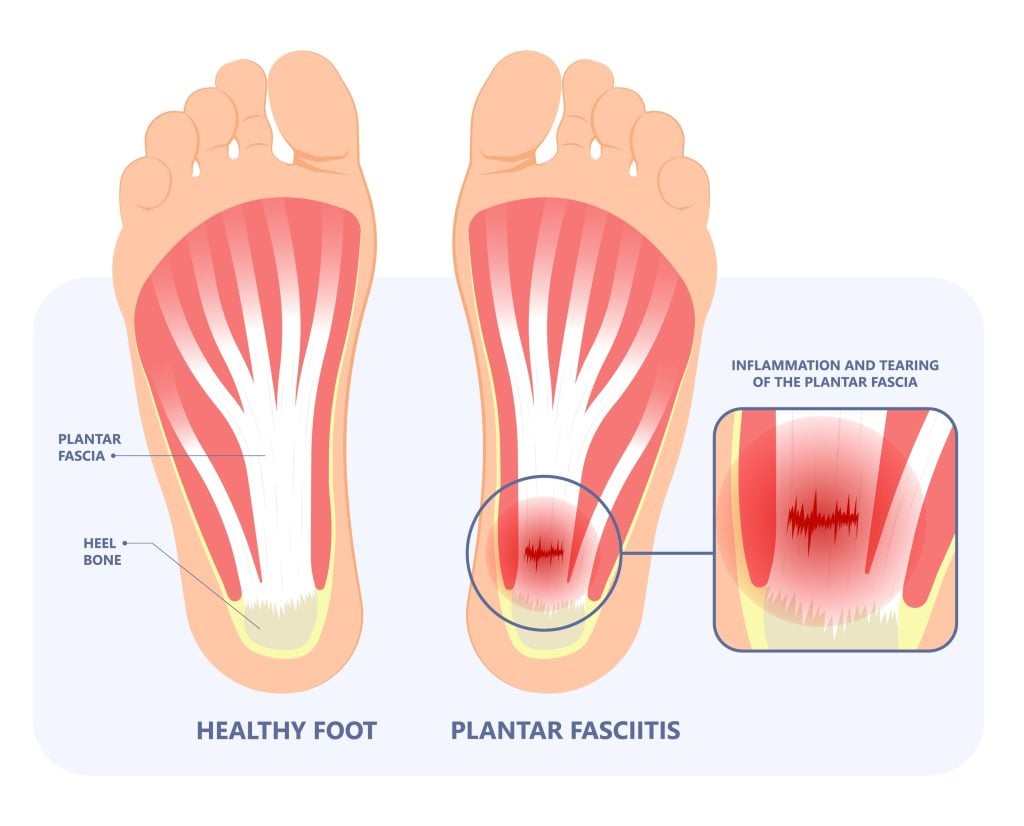
Sharp, stabbing heel pain with your first morning steps is the signature symptom of plantar fasciitis—a common overuse injury affecting the thick band of tissue running along the bottom of your foot.

The plantar fascia undergoes inflammation and microtears at its attachment to the heel bone, producing intense pain after rest.

An inflamed plantar fascia will stop you from doing the things you enjoy in life. Getting an accurate diagnosis is crucial to resolving the pain once and for all.

While discomfort typically eases after a few minutes of walking, it returns with prolonged standing or activity.

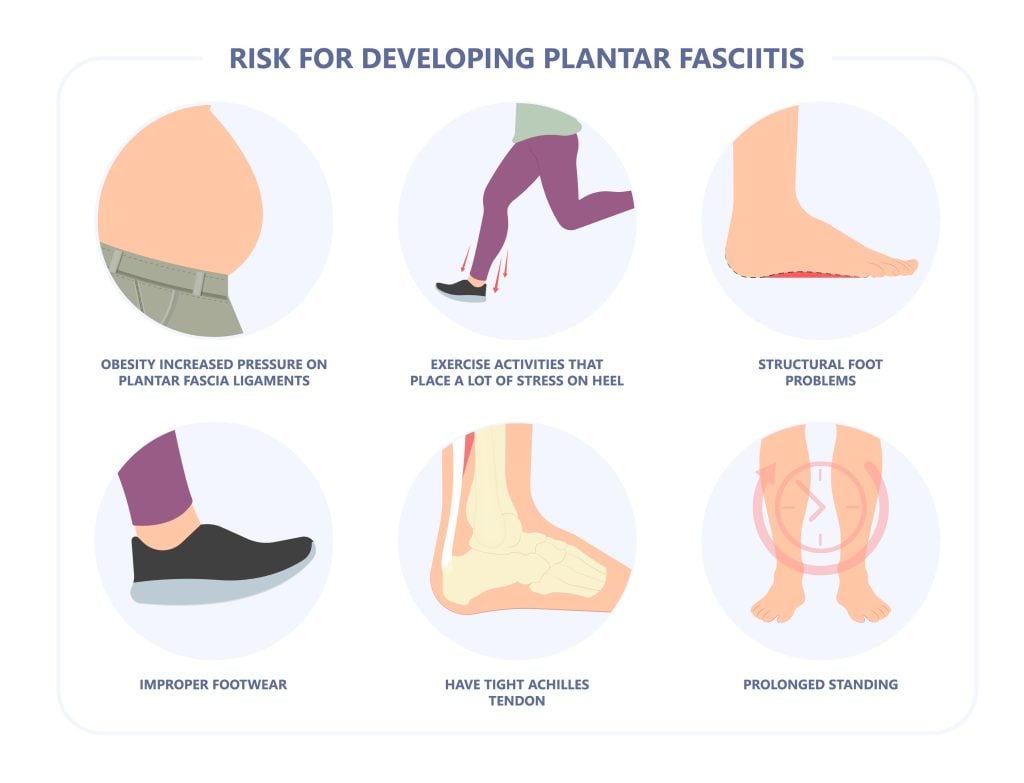
Risk factors include sudden increases in activity, obesity, tight calves, and poor footwear. When conservative care fails after three months, podiatrists may recommend advanced interventions like shockwave therapy for lasting relief.

Key Symptoms: Do You Have Plantar Fasciitis?

When does heel pain signal plantar fasciitis rather than another foot problem? You’ll typically feel sharp pain at the bottom of your heel during the first morning step or after sitting, which eases once you start moving.

Recognising these patterns helps distinguish plantar fasciitis from other causes of foot pain, which require different treatment approaches.

The Telltale Sign: Stabbing Pain with Your First Steps

When you step after a night’s rest, you might feel a sharp, stabbing pain just beneath or in front of the heel—a hallmark sign of plantar fasciitis. Overnight shortening creates micro‑tears, causing the jab; it softens after steps.

Pain beyond a week needs a sports podiatry review in Melbourne for fasciitis treatment, including shockwave treatment and a plantar fasciitis treatment plan.

Feature Description Typical Response
Trigger
First step stabbing pain
Sharp pain at heel
Cause
Overnight shortening
Micro-tears in fascia
Duration
Improves after minutes
Warm-up eases pain
When to seek help
Pain > 1 week
Consult podiatrist

After you’ve been standing for an extended period or sitting at your desk for hours, that familiar stabbing sensation under your heel announces itself the moment you take your next step—this delayed pain is another hallmark of plantar fasciitis.

Sore heels for nurses standing all day are often caused by plantar fasciitis, an inflammation of the tissue band connecting the heel to the toes, due to long hours on hard surfaces.

Prolonged weight-bearing on hard surfaces places cumulative traction on the fascia’s heel insertion, which can trigger discomfort. If you have flat or high-arched feet, carry extra weight, or wear unsupportive shoes, you’re especially vulnerable.

Our Melbourne foot clinic assesses these risk factors and designs treatment options—stretching protocols, custom orthotics, and shockwave therapy—to relieve chronic inflammation and restore your feet to full function.

One of plantar fasciitis’s most puzzling features is sharp heel pain that temporarily disappears once you’ve been moving for a while, only to surge back after you finish your walk, run, or workday. This pattern occurs because increased blood flow during activity reduces stiffness; however, repetitive loading creates cumulative microtears that trigger delayed inflammation.

If rest and ice don't fix your heel pain after a couple weeks, or if the pain is severe or gets worse, you should contact a podiatrist for a professional diagnosis and treatment. Other options may include physical therapy, stretching exercises, custom orthotics, shockwave therapy or, in some cases, steroid injections.

Melbourne sports enthusiasts often notice this cycle after training sessions. At our clinic, we typically address this condition through targeted stretching, icing protocols, footwear modifications, and custom orthotics.

What Causes Plantar Fasciitis? Our Podiatrists Explain

Understanding why this cyclical pain occurs requires examining the root causes of plantar fasciitis itself:

plantar fasciitis exercises
Plantar Fasciitis is a common reason for sore feet and has a number of common risk factors - do you fit the category for any of these? Don't worry, your heel pain is very common and readily treatable.

Your First Step: A Comprehensive Diagnosis at Bellevue Podiatry

Because plantar fasciitis often mimics other heel conditions, such as bursitis, stress fractures, and nerve entrapment, your diagnosis must be precise to guide effective treatment. Your first appointment at Bellevue Podiatry begins with a detailed history and biomechanical foot exam to pinpoint the onset of symptoms, identify activity triggers, assess footwear issues, and determine the likely source of heel pain.

A treadmill gait assessment is a valuable technique to quickly identify issues with your walking style that could be causing your foot pain so a targeted & effective treatment plan can be implemented.

Our clinic offers on-site diagnostic to confirm plantar fascia injury or tears and rule out other potential causes. Assessment includes evaluation of gait, foot posture, and orthotic needs.

Bellevue Podiatry’s experienced team often combines this thorough assessment and imaging in a single visit to fast-track your personalised care plan.

Our Evidence-Based Plantar Fasciitis Treatment Options

After we’ve confirmed your diagnosis through clinical examination and ultrasound, Bellevue Podiatry develops a treatment plan based on the evidence that shows what works best for plantar fasciitis.

Approximately 70–80% of patients experience meaningful relief, with some showing improvement after the first treatment and minimal downtime.

Advanced Relief with EMS Shockwave Therapy

When conservative measures haven’t resolved your plantar fasciitis after several months, EMS radial shockwave therapy offers a proven, non-invasive alternative to surgery.

We utilise Swiss DolorClast technology to deliver high-energy acoustic pulses through a handheld probe during 5– to 20–minute sessions.

Shockwave therapy, or extracorporeal shockwave therapy (ESWT), is a non-invasive treatment for plantar fasciitis that uses high-energy sound waves to stimulate healing, improve blood flow, and regenerate tissues in the heel and arch. It is a conservative option for chronic cases that haven't responded to other treatments and works by over-stimulating nerves to reduce pain and triggering repair mechanisms.

This triggers controlled microtrauma that restarts your body’s healing response, increases blood flow, and breaks down scar tissue.

Most patients complete 3–6 weekly treatments, with clinical studies showing 70–80% achieve meaningful pain relief. There’s no anaesthesia, no downtime, and many notice improvement after their first session.

Shockwave therapy resets your body’s healing response, but long-term relief often requires correcting the underlying biomechanical factors that caused your plantar fasciitis in the first place.

Custom foot orthotics are moulded precisely to your foot and gait, providing a personalised arch support that redistributes pressure away from your painful heel insertion. They’re far more effective than pharmacy inserts for chronic cases.

Foot Type Biomechnical Issue Custom Orthotic Correction
High-arched
Poor shock absorption
Cushioned support with arch fill
Pronated
Excessive inward roll
Medial posting and arch control
Rigid
Limited motion
Flexible materials with targeted relief

As always, proper assessment promotes ideal outcomes.

Targeted stretching and strengthening exercises address the root mechanical dysfunction driving your plantar fasciitis:

Below is a great video tutorial of a range of plantar fasciitis stretches and exercises from the world renown Cleveland Clinic that will give you a deeper understanding of this important treatment option:

How can the right shoes help ease your heel pain? They redistribute loadcushion impact, and stabilise your foot during gait:

When you bring your shoes and orthotics to us, we verify the fit, adjust the heel height, and confirm that the devices complement your treatment plan, preventing new irritations while promoting faster recovery.

We’re here to support you every step of the way.

Strapping your foot with rigid sports tape delivers immediate mechanical relief by supporting the medial longitudinal arch and reducing the tensile load pulling on your inflamed plantar fascia.

Low-dye or arch-support techniques reposition your calcaneus, limit excessive pronation, and often cut first-step pain within minutes.

An experienced Podiatrist can work closely with you to understand your health needs and implement an effective heel pain rehabilitation program. Professional taping of your foot can help relieve pressure off the plantar fascia and bring immediate pain relief.

We apply taping before or alongside stretching and orthotics, enabling you to move with less discomfort while healing begins.

Each application lasts 24–72 hours, after which the adhesive fails to adhere.

Taping also helps us assess how much structural support—such as custom orthotics—will benefit you by simulating the offloading effect in real time.

Why Choose Us for Your Plantar Fasciitis Treatment in Melbourne?

Because plantar fasciitis responds best to early, thorough care, choosing a podiatry clinic with proven diagnostic tools and advanced treatment options directly influences how quickly you’ll recover.

Bellevue Podiatry brings over 15 years of experience treating heel pain across Melbourne’s northern suburbs. We offer Swiss DolorClast radial shockwave therapy—an evidence-based option for chronic cases—typically completed in 3–6 weekly sessions. Principal Podiatrist Nicole Hardidge leads your care, bringing advanced clinical training in heel pain and plantar fasciitis.

Book online or call (03) 9457 2336 and mention code NEW80 to receive $80 off your initial consultation.

You should see a podiatrist for heel pain if it's persistent, severe, interferes with daily activities, or is accompanied by swelling, redness, tingling, or numbness. A podiatrist will diagnose the cause, which can range from conditions like plantar fasciitis to issues with gait or footwear, and develop a personalised treatment plan.

In Closing...

Plantar fasciitis doesn’t have to dictate your daily routine or prevent you from participating in the activities you love. Understanding the condition, recognising the symptoms early, and seeking professional treatment are essential steps towards recovery.

Whether you’re dealing with sharp morning heel pain or persistent discomfort throughout the day, evidence-based interventions like custom orthoticstargeted stretching exercises, and advanced therapies such as shockwave treatment can make a significant difference.

Don’t let heel pain become a regular part of your life. The experienced team at Bellevue Podiatry is ready to provide comprehensive assessments and personalised treatment plans tailored to your specific needs.  Book your appointment today and take the first step towards pain-free movement.

You don’t need to put up with heel pain any longer.  Our team of experienced Podiatrists have the education and experience to get you moving pain free again.  Take control today by booking in online or call us today on (03) 8104 9270 to get this issue sorted once and for all.

Foot Pain & Plantar Fasciitis

Understand what causes your foot pain and what you can do to get rid of it once and for all. Find out what treatments can get you back to walking pain free so you can enjoy living an active life again!

plantar fasciitis treatments best arch support insoles for plantar fasciitis
Picture of Bellevue Podiatry Shockwave Therapy

Bellevue Podiatry Shockwave Therapy

Bellevue Podiatry has been serving the people of Rosanna and its surrounding suburbs for over 10 years. We have the qualifications, experience and education to effectively treat any lower limb condition or injury that requires expert podiatry care.

Picture of Nicole Hardidge - Principal Podiatrist

Nicole Hardidge - Principal Podiatrist

Nicole graduated with a Bachelor of Podiatry from Latrobe University in 2009 with a certificate in Advanced Clinical Education. Nicole has completed her post graduate certificate in wound care through Monash University.

If you would like a deeper understanding of the content discussed in this article, please refer to the reference sources below:

  1. American Academy of Orthopaedic Surgeons – Plantar Fasciitis and Bone Spurs https://orthoinfo.aaos.org/en/diseases–conditions/plantar-fasciitis-and-bone-spurs/
  2. Mayo Clinic – Plantar Fasciitis: Diagnosis and Treatment https://www.mayoclinic.org/diseases-conditions/plantar-fasciitis/diagnosis-treatment/drc-20354846
  3. Cleveland Clinic – Plantar Fasciitis: Management and Treatment https://my.clevelandclinic.org/health/diseases/14709-plantar-fasciitis