Uncategorized Archives - Page 3 of 16

Blog 131 – What Ingrown Toenail Treatments Do Podiatrists Use? Treating Ingrown Toenails

You need relief fast when you’re suffering from a painful ingrown toenail (also known as onychocryptosis). Podiatrists offer a range of treatments, from simple home remedies to advanced surgical techniques.

We will start with conservative methods like proper nail trimming and padding, but if your ingrown nail persists, specialised devices or even surgery may be necessary.

So, what exactly can a podiatrist do to fix your ingrown toenail and get you back on your feet pain-free?

Key Takeaways

Understanding Ingrown Toenails: Causes and Symptoms

Ingrown Toenail Treatment Melbourne
An ingrown toenail is a common condition where the side of a toenail grows into the skin. It can be painful and cause swelling, redness, and inflammation. You don't need to put up with them though - Podiatrists have a range of effective and lasting treatment options.

Ingrown toenails, a common foot condition, occur when the corner or side of the toenail grows into the surrounding skin, leading to pain, discomfort, and inflammation:

Proper foot hygiene and nail care practices help prevent ingrown toenails. Podiatrists employ various conservative and surgical treatment approaches to alleviate symptoms and prevent recurrence.

If you’re experiencing persistent ingrown toenail pain or signs of infection, it’s essential to seek prompt treatment from a qualified podiatrist.

Conservative Treatments: Home Remedies and Medical Advice

A foot soak in warm, salty water can help relieve pain and discomfort from an ingrown toenail - however we would only suggest this home remedy for early onset and mild ingrown toenail cases.

Podiatrists may suggest these conservative treatments to alleviate symptoms and decrease recurrence risk – however you should only try them if you have a mild ingrown toenail that is in the early onset stages.

Padding and Taping Techniques: Reducing Discomfort

Podiatrists often recommend padding and taping techniques as conservative measures to reduce discomfort associated with ingrown toenails.

By placing soft padding materials around the affected area, you can cushion the ingrown toenails, minimising pressure and promoting healing.

Taping the toenail helps lift its edge away from the skin, allowing proper growth and alleviating pain caused by the nail digging into the flesh.

These techniques offer temporary relief from ingrown toenail symptoms, making it easier to wear shoes and engage in daily activities. Proper padding and taping can also help prevent further irritation and complications, such as infection, by keeping the area clean and protected.

These conservative measures may be recommended in mild cases before considering more invasive treatments.

Taping can help relieve pain from an ingrown toenail by pulling the skin away from the nail. However, taping is a temporary solution and doesn't address the underlying cause of the ingrown toenail.

Non-Surgical Podiatry Options: Pain-Free Ways To Fix Your Ingrown Nail

If you’re looking for pain-free ways to fix your ingrown nail, your podiatrist can offer several non-surgical options.

They may recommend regular nail trimming and debridement to keep the nail from digging into the skin.

Additionally, they suggest using specialised devices, like the BS Brace Ingrown Toenail Corrector or the Onyfix Ingrown Toenail Solution, to lift and guide the nail as it grows gently.

Podiatrist Nail Trimming & Debridement

Although ingrown toenails can cause considerable discomfort and pain, you don’t always need surgery to find relief. Podiatrists offer professional nail trimming and debridement, a non-surgical approach that can alleviate pressure and pain associated with ingrown toenails.

During this procedure, they skilfully remove excess nails and tissue, reducing inflammation and preventing infection. Here’s what you can expect:

Regular podiatric care, including nail trimming and debridement, dramatically reduces the likelihood of developing ingrown toenails.

Follow-up sessions ensure ideal recovery and maintain foot health, allowing you to stay active and comfortable without surgical intervention.

Nail trimming and debridement from a professional can be an effective measure against some cases of ingrown toenails.

The BS Brace is a non-surgical treatment for ingrown toenails. It offers a pain-free solution that can provide immediate relief.

Podiatrists use this innovative device to correct ingrown toenails. They apply gentle tension to the nail, promoting proper growth and natural healing. The brace gradually lifts the ingrown edge of the nail away from the surrounding skin, reducing pressure and discomfort.

bs brace rosanna
The BS Brace application is a simple process and starts correcting the ingrown toenail immediately. Over the coming weeks, the BS Brace will painlessly "train" the toe nail back into the right position.

It’s a practical option for patients with mild to moderate ingrown toenails who wish to avoid surgery. In many cases, treatment can be completed in a single appointment, and the BS Brace can help prevent recurrence in patients prone to ingrown toenails.

If you’re suffering from an ingrown toenail, ask your podiatrist if the BS Brace is right for you.

Onyfix, a revolutionary non-surgical treatment for ingrown toenails, offers patients a pain-free solution that can effectively correct the condition without requiring invasive procedures.

This innovative approach applies a flexible, adhesive composite material to the affected nail, gently lifting it away from the skin. Onyfix promotes proper nail growth, preventing further ingrowth and reducing the risk of recurrence.

It’s an ideal option for those seeking to avoid the discomfort and downtime associated with traditional treatments. Podiatrists can determine if Onyfix suits your specific case, considering factors such as the severity of your ingrown toenail and overall foot health.

The OnyFix nail brace gradually "trains" your toenail back into place so you avoid the need for ingrown toenail surgery. It's painless, safe and it works.

Surgical Options: When Is Surgery Necessary? What Does It Entail?

When conservative treatments fail to resolve a chronic or recurrent ingrown toenail, you may need to contemplate surgical options. Ingrown toenails typically necessitate surgery under local anaesthesia when they cause significant pain or complications.

The two primary procedures are partial nail avulsion (PNA), which removes only the problematic nail edge, and total nail avulsion (TNA), which involves complete toenail removal.

With no pain and quick recovery time (as long as you follow the post-operative care), ingrown toenail surgery is a quick, safe, painless and long-lasting remedy.

Phenolization, a technique that destroys the nail matrix to prevent regrowth, achieves a 98.5% success rate. Post-operative care is essential, with most patients able to return to normal activities within 48 hours.

Complete healing occurs within 2 to 6 weeks, emphasising the importance of monitoring through follow-up appointments.  Consult your podiatrist to determine the best surgical approach for your specific case.

When To Seek Professional Podiatrist Help For Your Ingrown Nail

While minor ingrown toenails may resolve with home treatments, it’s essential to recognise when a professional podiatric intervention becomes necessary.

If you experience persistent pain and visible signs of infection or have a chronic condition like diabetes, it’s time to consult a podiatrist for an ingrown toenail treatment plan.

A podiatrist can:

Don’t hesitate to seek professional help when home remedies fail to improve your condition.

Summing It All Up...

When dealing with an ingrown toenail, a podiatrist offers a comprehensive approach to alleviate pain and prevent future occurrences. Treatments can range from non-invasive methods like the BS Brace to surgical interventions such as removing part or all of the toenails. This may involve numbing the toe, cutting away a portion of the nail, or using procedures such as phenol treatment to prevent regrowth.

If your ingrown toenail persists or worsens, seeking professional care is essential. For personalised treatment and expert advice, visit Bellevue Podiatry to ensure your foot’s health gets the attention it deserves.

If you think you may have an ingrown toenail and want the right professional advice on how to treat it, we currently have a limited offer running to help you out. A GAP FREE ingrown toenail assessment consult (only $69 for those without extras private insurance).

Please feel free to book yourself in online or call our friendly Reception on (03) 8104 9270 today.

Ingrown Toe Infection

Understand how you get ingrown toenails your self care home options and what you can do to get rid of them once and for all. You don't need to put up with the pain of an ingrown toenail any longer.

podiatry care
Picture of Bellevue Podiatry Treatment Clinic

Bellevue Podiatry Treatment Clinic

Bellevue Podiatry has been serving the people of Rosanna and its surrounding suburbs for over 10 years. We have the qualifications, experience and education to effectively treat any lower limb condition or injury that requires expert podiatry care.

Picture of Nicole Hardidge - Principal Podiatrist

Nicole Hardidge - Principal Podiatrist

Nicole graduated with a Bachelor of Podiatry from Latrobe University in 2009 with a certificate in Advanced Clinical Education. Nicole has completed her post graduate certificate in wound care through Monash University.

Blog 130 – Heel Pain Treatment: Causes, Diagnosis & Evidence-Based Podiatry Remedies

Are you experiencing persistent heel pain that interferes with your daily activities? You’re not alone.

Heel pain is a very common complaint we see and treat at our clinic, and the good news is that effective treatments are available. You can take steps towards alleviating your discomfort by understanding the underlying causes, getting an accurate diagnosis, and exploring evidence-based podiatry remedies.

Let’s explore this and much more in our latest blog on lasting heel pain remedies.

Key Takeaways

Common Causes of Heel Pain

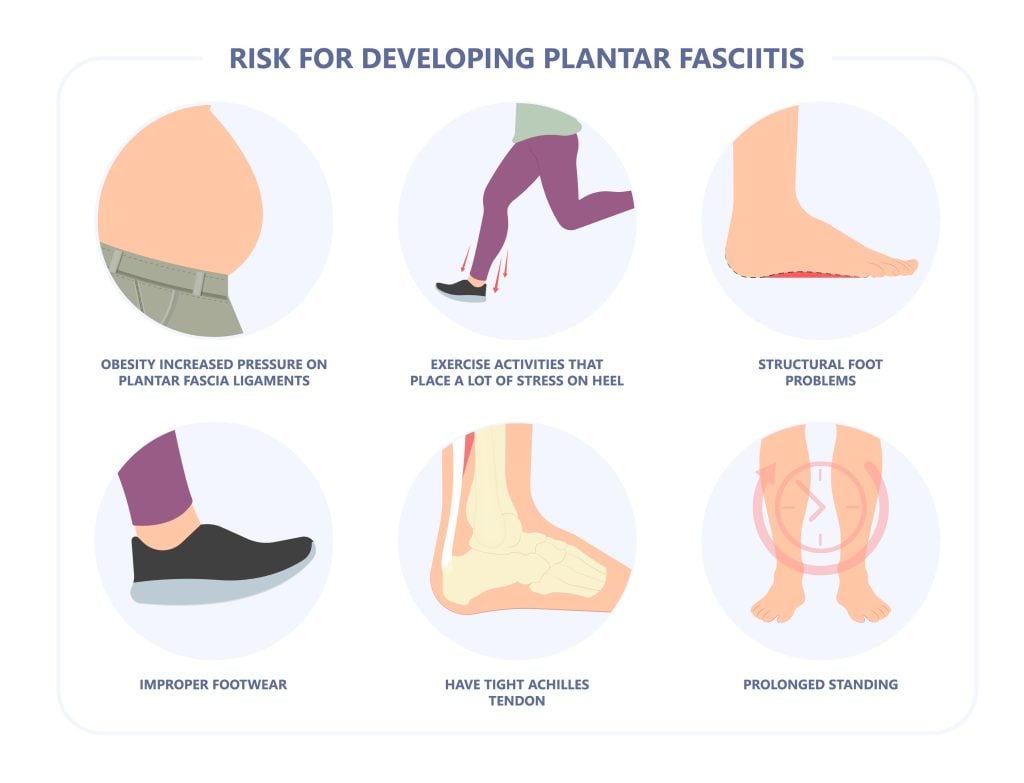
Plantar Fasciitis is one of the most common causes of heel pain. Do you get a sharp, stabbing pain in your heel for the first few steps in the morning? It's possible you have plantar fasciitis - the good news is it is readily treatable.

Understanding the common causes of heel pain is essential for effective treatment and prevention:

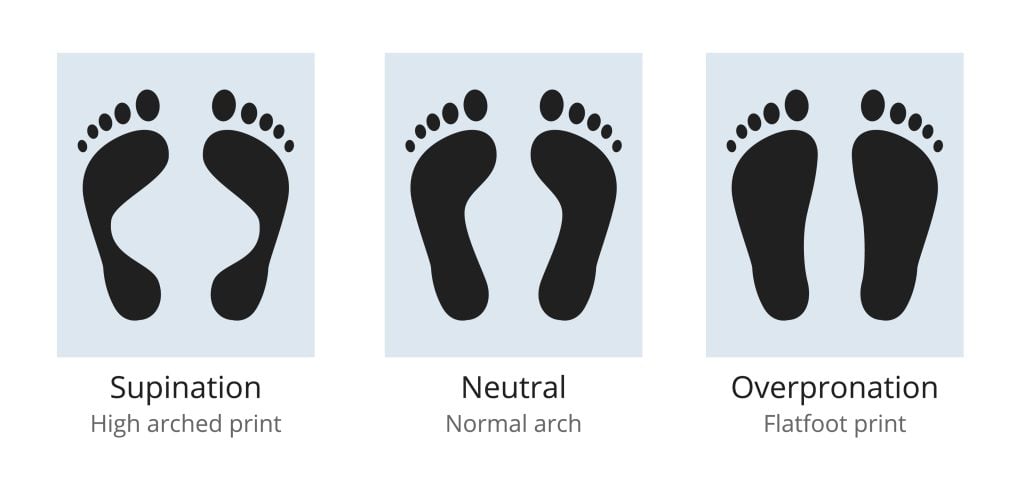
Additionally, structural issues such as flat feet, high arches, and obesity put extra strain on the heel. You can take proactive steps to alleviate and prevent heel pain by addressing these factors.

Symptoms and Signs of Heel Pain

Insertional Achilles Tendinopathy is a chronic overuse injury at the insertion of the Achilles Tendon. People with this problem generally present with pain when first getting out of bed which reduces slightly after walking a short distance and then returns again with extended walking.

Recognising the symptoms and signs of heel pain is the next step to addressing this common foot problem:

Noting your heel pain’s specific location, timing, and triggers will help guide an accurate diagnosis and effective treatment plan.

A bump on the back of the heel may develop, feeling tender and warm. Pain may radiate to the arch or heel, indicating potential nerve involvement or referred pain from other structures. Pain that decreases with rest but returns with activity may suggest a stress fracture.

Diagnostic Methods for Heel Pain

How do podiatrists diagnose the cause of your heel pain?

We will start with a thorough medical history and physical exam, evaluating your foot and heel for tenderness, swelling, and range of motion. 

Stress tests may be performed to assess pain during weight-bearing activities.

We can analyse bone and soft tissue structures using imaging techniques like X-rays, MRI, diagnostic ultrasound, and CT scans. Diagnostic ultrasound is a dynamic and cost-effective tool that offers detailed information about soft tissues.

X-rays can reveal stress fractures and heel spurs, while MRI provides detailed images of the plantar fascia and other soft tissues.

Your podiatrist may also conduct a gait analysis to observe pain patterns and evaluate foot mechanics.

A treadmill gait assessment is a valuable technique to quickly identify issues with your walking style that could be causing your foot pain so a targeted & effective treatment plan can be implemented.

In some rare cases, blood tests may be ordered to rule out systemic conditions like arthritis or gout that can contribute to heel pain.

This extensive diagnostic approach helps pinpoint the underlying cause of your heel pain, enabling targeted treatment to alleviate symptoms and restore mobility.

Evidence-Based Podiatry Treatments

Once your Podiatrist pinpoints the cause of your heel pain, we will develop a personalised treatment plan drawing on evidence-based podiatry approaches. Below are details on several options Podiatrists have to effectively treat your pain:

Heel Pain Exercises

Your plan may include specific stretching exercises to improve flexibility and relieve strain on the plantar fascia.

Physical therapy focuses on strengthening the foot and calf muscles to prevent future pain. For optimal results, treatment typically involves up to four sessions spaced 4 – 10 days apart.

To give you a better idea of the types of exercises your Podiatrist will assign you, please watch this video tutorial from accredited US hospital Cleveland Clinic:

Supportive footwear can alleviate pressure on the heel, and rarely, surgery may be necessary for persistent heel pain.

When choosing supportive shoes, you can consider things like arch support, cushioning and fit. You can also think about the type of activity you’ll be doing in the shoes. 

Orthotics are another key treatment, providing support and offloading to reduce stress on your heel. 

Custom orthotics can play a crucial role in correcting the biomechnical issues that are the root cause of your heel pain – always ensure you work with a highly experienced heel pain Podiatrst to ensure you get the right result with your orthotics.

Custom Orthotics can be an effective & lasting treatment option for foot pain. Podiatrist experience matters, make sure you work with a professional with many years of foot pain experience.

Therapies like shockwave therapy, which uses acoustic energy to reduce inflammation and pain, are highly effective for treating plantar fasciitis.

Shockwave therapy has a growing body of clinical research now supporting it. 

To understand more about this valuable heel pain treatment option, please watch this video from UK healthcare provider Oxleas NHS Foundation Trust:

Home Remedies and Lifestyle Adjustments

While professional treatment is essential for addressing heel pain, you can make several home remedies and lifestyle adjustments to complement your podiatrist’s care plan:

Combined with your podiatrist’s guidance, these simple measures can help alleviate heel pain and promote long-term foot health, enabling you to serve others better.

When to Seek Professional Help

Although self-care and home remedies can help manage heel pain, there are times when seeking professional help is essential for proper diagnosis and treatment.

If you experience persistent heel pain, an inability to walk comfortably, or pain at night, it’s time to consult a professional. Symptoms requiring immediate medical attention include severe pain, numbness, and fever with swelling.

Signs of infection, such as redness and warmth, warrant prompt medical evaluation. Chronic heel pain that develops gradually over weeks or months is another reason to seek professional care.

To stay hydrated after exercise, drink approximately 20-24 ounces (600-720 ml) of fluid for every pound (0.5 kg) of body weight lost during your workout, spreading your intake over the next few hours.

Common indicators for a podiatrist visit include pain that worsens despite home treatment, redness, and an inability to bear weight.

Podiatrists can provide specialised care for heel pains.  They’ll perform a thorough evaluation to determine the underlying cause and develop a targeted treatment plan.

Don’t let heel pain go untreated—seeking professional help early can prevent chronic conditions and improve mobility.

In Closing...

Heel pain is a common condition that can significantly impact your quality of life. You can take control of your heel health by understanding the causes, seeking a proper diagnosis, and embracing evidence-based podiatry treatments.

 Early intervention is key to preventing chronic symptoms and ensuring a swift recovery. If you’re experiencing persistent heel pain, don’t wait—contact Bellevue Podiatry today to schedule an appointment with our skilled podiatrists and take the first step towards a pain-free future.

If you want the right professional advice on how to treat your foot pain, we currently have a limited offer running to help you out. For just $79 (usually valued at $189), book in online for our Complete Foot Pain Assessment & Treatment Consultation will get:

Check out our heel pain eBook below for further details on this special offer as well as other tips and techniques you can try at home to manage your plantar fasciitis and foot pain.

You don’t need to put up with heel pain any longer.  Our team of experienced Podiatrists have the education and experience to get you moving pain free again.  Take control today by booking in online or call us today on (03) 8104 9270 to get this issue sorted once and for all.

Foot Pain & Plantar Fasciitis

Understand what causes your foot pain and what you can do to get rid of it once and for all. Find out what treatments can get you back to walking pain free so you can enjoy living an active life again!

plantar fasciitis treatments best arch support insoles for plantar fasciitis
Picture of Bellevue Podiatry

Bellevue Podiatry

Bellevue Podiatry has been serving the people of Rosanna and its surrounding suburbs for over 10 years. We have the qualifications, experience and education to effectively treat any lower limb condition or injury that requires expert podiatry care.

Picture of Nicole Hardidge - Principal Podiatrist

Nicole Hardidge - Principal Podiatrist

Nicole graduated with a Bachelor of Podiatry from Latrobe University in 2009 with a certificate in Advanced Clinical Education. Nicole has completed her post graduate certificate in wound care through Monash University.

Blog 129 – Achilles Tendonitis Treatment: How Podiatrists Assess, Treat & Rehabilitate You | Achilles Tendon

While you might think Achilles tendonitis will heal independently, this common foot condition requires proper medical attention to prevent chronic problems and potential rupture.

As a painful inflammation of the largest tendon in the body, it can greatly impact daily activities and athletic performance.

Before making informed decisions about your recovery path, you’ll need to understand the precise steps podiatrists take to diagnose, treat, and rehabilitate this condition. In our latest blog below, we’ll discuss all this and more.

Achilles Tendon Key Takeaways

Understanding Achilles Tendonitis: Symptoms and Diagnosis

When experiencing Achilles tendonitis, you’ll typically notice progressive symptoms that develop along the thick band of tissue connecting your calf muscles to your heel bone.

Initially, you may feel a mild ache that intensifies with activity, particularly during or after exercise.

Achilles Tendon issues are just one of several reasons you may be experiencing heel pain. This is why it is so important you work with an experienced heel pain Podiatrist that can accurately diagnose the root cause of your heel pain so an effective treatment plan can be put in place.

You’ll often experience morning stiffness and increased pain throughout the day. The tendon may be most painful during morning weight bearing, a key diagnostic indicator.

First-line therapy frequently recommends conservative treatments like the RICE method.

Physical signs include visible swelling along the tendon, possible bone spurs, and limited ankle mobility.

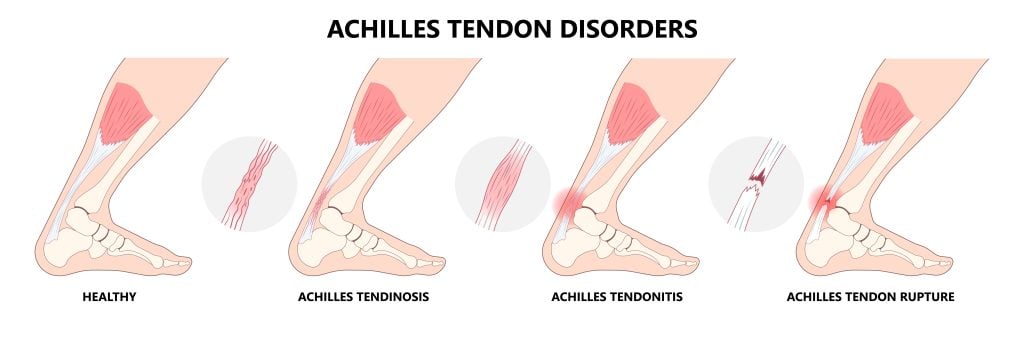
Two distinct types exist: noninsertional and insertional tendinitis, affecting different tendon portions.

Insertional Achilles Tendinopathy is a chronic overuse injury at the insertion of the Achilles Tendon. People with this problem generally present with pain when first getting out of bed which reduces slightly after walking a short distance and then returns again with extended walking.

During your visit, your podiatrist will perform a physical examination to assess the extent of swelling and check for bone spurs. You might notice a decreased ability to point your toes downward and pain when stretching your calf.

To confirm Achilles tendonitis, your podiatrist will conduct diagnostic tests, including X-rays to check for bone spurs, ultrasound to assess tendon thickness, and possibly MRI for detailed evaluation.

They’ll also examine muscle strength, flexibility, and any signs of atrophy or asymmetry.

Comprehensive Achilles Tendon Assessment by Podiatrists

If you’ve identified symptoms of Achilles tendonitis and received a diagnosis, the next step involves a thorough assessment by a podiatrist. This extensive evaluation is essential for tailoring your rehabilitation plan. Here’s a breakdown of what to expect:

Assessment Technique Purpose
Medical and Injury History
Identifies underlying potential causes
Physical Examination
Evaluates tendon condition
Diagnostic Imaging
Confirms diagnosis, rules out other issues
Gait Analysis
Detects biomechanical impairments

Your podiatrist can pinpoint issues contributing to your condition through these methods and develop an effective treatment strategy.

We will integrate physical therapy to strengthen your tendon and surrounding muscles, ensuring a gradual return to activity and preventing future injuries.

Regular follow-ups are key to adjusting the treatment as needed.

Additionally, your podiatrist may recommend checking serum cholesterol levels if a new onset of pain is noted, as hypercholesterolemia can contribute to tendon issues.

A treadmill gait assessment is a valuable technique to quickly identify issues with your walking style that could be causing your foot pain so a targeted & effective treatment plan can be implemented.

We may also suggest custom orthotic devices to correct biomechanical imbalances and reduce strain on the tendon. Beginning treatment promptly after diagnosis is essential to improve outcomes and speed recovery.

Causes of Achilles Tendonitis

Several common factors contribute to the development of Achilles tendonitis, with repetitive stress being the primary culprit. You’re particularly at risk if you’ve recently increased your exercise intensity or changed your training routine without proper adaptation time. 

People who frequently transition between different training surfaces may experience additional strain.

Risk Factor Impact on Achilles Tendon
Age
Reduced blood supply after 30
Activity Level
Sudden increases strain tendons
Foot Structure
Flat or high arches stress tendons
Medical History
Prior injuries increase vulnerability
Lifestyle
Smoking / alcohol impairs healing

Your risk of developing Achilles tendonitis increases if you have tight calf muscles, wear inappropriate footwear or exercise on uneven surfaces. Certain medications, like fluoroquinolone antibiotics, can temporarily weaken your tendon structure.

Being overweight or having specific medical conditions, such as arthritis, can contribute to tendon stress and inflammation. The condition affects approximately 24% of athletes throughout their lifetime.

Failing to perform proper stretching exercises before physical activities can significantly increase your chance of developing tendon pain and injury.

Treatment Options for Achilles Tendon Issues

Given the discomfort and limitations caused by Achilles tendonitiseffective treatment is vital for recovery and future injury prevention.

Here are three primary conservative treatment options:

  • Rest & Ice:

    You should reduce activities that exacerbate pain and apply ice packs to decrease swelling.

  • Nonsteroidal Anti-Inflammatory Drugs (NSAIDs):

    These drugs alleviate pain and reduce inflammation, helping you manage discomfort during recovery.

  • Phyiscal Therapy:

    This includes strengthening exercises and stretching to lessen stress on your Achilles tendon. Additionally, specific therapies like eccentric exercises can be particularly effective in managing symptoms and promoting healing in cases of Achilles tendinopathy.

Early intervention is crucial for optimal healing outcomes. For many patients, conservative treatment includes physical therapy with targeted stretching and strengthening exercises to improve tendon function. The Alfredson protocol and heavy, slow resistance training are proven effective physical therapy methods.

If you don’t respond to initial treatments, your podiatrist may suggest orthotics or bracing to reduce tendon stress.

For patients not responding to typical treatments, shock wave therapy can be an alternative to stimulate healing and relieve pain without invasive procedures.

shockwave therapy
Shockwave therapy works on tendons by delivering high-energy sound waves to the injured area, which stimulates the body's natural healing process by increasing blood flow, promoting the release of growth factors, and encouraging cell regeneration within the tendon tissue, ultimately leading to pain reduction and improved functionality of the affected tendon.

It’s essential for restoring function and preventing future issues. Early intervention can significantly enhance recovery outcomes, providing a crucial advantage in the healing process.

These options, combined with the proper guidance on footwear and activity modification, form the cornerstone of effective treatment to get you back on your feet. In severe cases where conservative treatments are insufficient, surgical options may be considered to repair the tendon and alleviate symptoms.

Rehabilitation Techniques for Achilles Tendon Recovery

Early and appropriate rehabilitation techniques are indispensable to recover from Achilles tendonitis successfully:

Isometric Exercises

You’ll start with isometric exercises to manage pain and load your tendon safely. These involve holding your heel raised at 70% of your maximum contraction for 45 seconds, promoting initial healing without exacerbating your condition.

We have selected a video from the National University of Singapore on how to effectively perform isometric exercises for Achilles tendonitis.

Progression to eccentric exercises is critical. These include slowly lowering your heel from a raised position and enhancing tendon strength and resilience.

We have selected a clear and easy to follow video tutorial from the Journal of Foot & Ankle Research, please check it out:

Later, you’ll integrate isotonic exercises, like double-leg heel raises, to bolster muscle strength and stability throughout your kinetic chain.

Please check out this video for a clear explanation from Treat My Achilles on what isotonic exercises are and how they can play a valuable role in your Achilles rehabiiltation:

Combining these exercises with adequate rest and controlled motion ensures effective rehabilitation. This gradually restores the Achilles tendon’s function and prevents future injuries.

Incorporating daily or every other day routines as part of the recovery process significantly speeds up healing, ensuring a more effective return to normal mobility and activity levels.

Importance of Proper Footwear

After focusing on the specific exercises that aid in rehabilitation from Achilles tendonitis, it’s important to address another key component of recovery: the shoes you wear.

Selecting the proper footwear is essential in managing and healing from this condition. Here are three critical features to look for:

  • Heel to Toe Drop:

    Opt for shoes with a slight heel elevation. This reduces the strain on your Achilles tendon by minimising the need for excessive stretching.

  • Arch Support:

    Make sure your shoes provide sufficient arch support. This helps distribute weight evenly, lessening the load on your tendon.

  • Cushioning:

    Look for footwear with robust cushioning. Adequate shock absorption can greatly decrease the impact on your tendon during activities.

Additionally, considering shoes with rocker bottom technology can be beneficial, as they help alleviate the strain on the Achilles tendon by reducing plantarflexion. This design feature assists in distributing pressure more evenly during movement.

Hoka shoes are known for their thick, supportive cushioning, which makes them comfortable and good for reducing impact. They are popular with runners and walkers and recommended by Podiatrists (we wear them ourselves).

Proper footwear supports the Achilles tendon by stabilising the heel, aligning the foot, and preventing undue stress during daily activities.

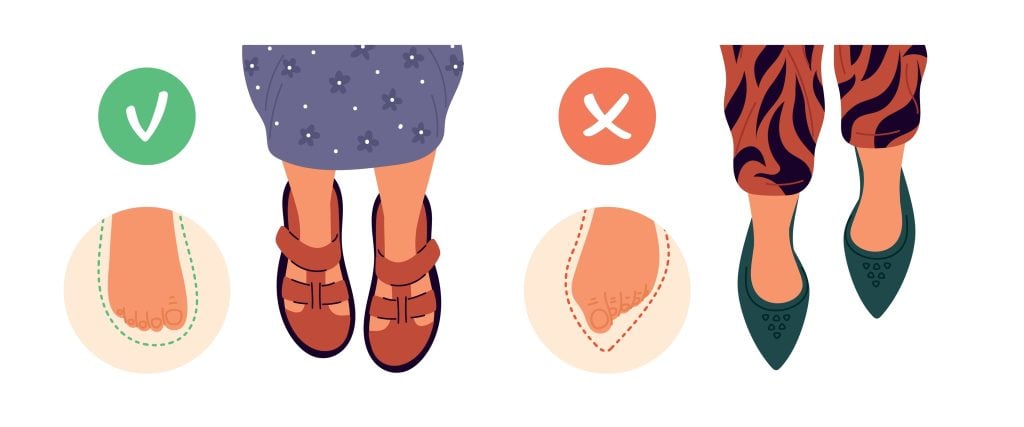
Choosing shoes that offer a wide toe box is critical, as well as ensuring enough room to avoid compressing the toes, which can contribute to discomfort and other foot issues.

Preventing Recurrence of Achilles Tendonitis

Once you’ve recovered from Achilles tendonitis, preventing its recurrence requires a strategic approach focused on proper training progression and ongoing maintenance:

Regular consultation with your podiatrist ensures that your prevention strategy remains effective and tailored to your needs.

Custom Orthotics are an effective way to resolve a number of biomechnical issues that can lead to outside of foot pain. It is crucial to ensure an accurate diagnosis and biomechanical assessment for an effective prescription of custom orthotics.

When To Speak To An Experienced Achilles Tendonitis Podiatrist

Knowing when to consult a podiatrist for Achilles tendonitis can significantly impact your recovery outcomes. Early intervention by an experienced podiatrist considerably reduces your risk of developing chronic complications and helps prevent the need for surgical treatment.

You should schedule an appointment with a podiatrist if you experience:

Working with a professional foot specialist is crucial since podiatrists can effectively treat most foot and leg problems.

Your podiatrist will conduct a detailed evaluation, including a medical history review, physical examination, and necessary imaging studies, to develop a targeted Achilles tendinitis treatment planX-rays or MRIs may be ordered to rule out other potential injuries or complications.

To stay hydrated after exercise, drink approximately 20-24 ounces (600-720 ml) of fluid for every pound (0.5 kg) of body weight lost during your workout, spreading your intake over the next few hours.

This all-encompassing approach guarantees ideal healing and helps prevent future recurrence through proper biomechanical assessment and rehabilitation. Achilles tendonitis can progress to chronic tendinosis without prompt treatment, causing more severe complications.

Achilles Tendon Conclusion

After understanding Achilles tendonitis and its treatment options, it’s clear that early intervention and professional care are essential for optimal recovery. From initial assessment to rehabilitation, podiatrists play a vital role in diagnosing the condition, creating tailored treatment plans, and guiding patients through their recovery journey.

Whether you’re experiencing heel pain or concerned about your Achilles tendon health, don’t wait for the condition to worsen. Contact Bellevue Podiatry today to schedule an assessment and take the first step toward pain-free movement.

You don’t need to put up with Achilles Tendinitis any longer.  Our team of experienced Podiatrists have the education and experience to get you moving pain free again.  Take control today by booking in online or call us today on (03) 8104 9270 to get this issue sorted once and for all.

Picture of Bellevue Podiatry

Bellevue Podiatry

Bellevue Podiatry has been serving the people of Rosanna and its surrounding suburbs for over 10 years. We have the qualifications, experience and education to effectively treat any lower limb condition or injury that requires expert podiatry care.

Picture of Nicole Hardidge - Principal Podiatrist

Nicole Hardidge - Principal Podiatrist

Nicole graduated with a Bachelor of Podiatry from Latrobe University in 2009 with a certificate in Advanced Clinical Education. Nicole has completed her post graduate certificate in wound care through Monash University.

Blog 128 – Swollen Feet & Ankles | Causes, Home Remedies & When To Seek Podiatry Help

You may be experiencing swollen feet and ankles due to various causes, including venous insufficiency, prolonged sitting, or underlying health conditions like diabetes.

Home remedies can provide relief, but it’s essential to recognise warning signs, like sudden swelling, pain, or discolouration.

If you’re experiencing persistent swelling, it’s important to determine when to seek podiatry help to address underlying issues and prevent further complications. However, let’s first explore the common causes.

Key Takeaways

Common Causes of Feet and Ankles Swelling Up

You can’t address swelling in your feet and ankles without first understanding its common causes. You’ll need to know how to identify warning signs and symptoms, explore home remedies that bring relief, and make lifestyle changes to prevent swelling in the future.

Edema, also known as fluid retention, is a condition where fluid builds up in the body's tissues and causes swelling. It can affect the arms, legs, ankles, or feet. This condition is very common and you don't need to ignore it - effective and lasting treatments are available. Get the help you need today.

Certain conditions, such as venous insufficiency, can cause fluid to move inefficiently within the body, leading to feet swelling.

Prolonged periods of inactivity, such as prolonged standing or sitting, can also contribute to swelling in the lower extremities.

Feet swelling may occur due to chronic injuries where blood rushes to the injured area, causing inflammation.

Recognising Warning Signs and Symptoms

When your feet and ankles become swollen, several distinct pathological processes may occur simultaneously, ranging from simple fluid retention to serious underlying medical conditions.

You’ll need to monitor specific warning signs that indicate when professional medical intervention is necessary. Regular exercise and movement can help prevent fluid retention and swelling.

Warning Sign Clinical Significance
Respiratory distress
May indicate cardiac involvement
Unilateral swelling
Possible deep vein thrombosis
Fever with redness
Suggests infection or cellulitis
Pitting oedema
Indicates fluid accumulation

Seek immediate medical attention if you notice sudden, severe feet swelling accompanied by shortness of breath or chest pain.

Similarly, when swelling occurs alongside warmth, redness, or fever, these symptoms could indicate an infection requiring urgent care.

For diabetic patients, even minor swelling changes warrant prompt evaluation to prevent serious complications.

There are many possible reasons for swollen feet - some are not dangerous and easy to resolve, however others could indicate a serious health issue. That's why it always makes sense to seek the advice of a professional. The early an issue is confirmed, the easier it will be to resolved, so act now.

Effective Home Remedies for Swelling Relief

Understanding effective home remedies for feet and ankles swelling requires a systematic approach to symptom management:

If you’re experiencing persistent swollen ankles, incorporate foot massages toward your heart to promote lymphatic drainage and improve circulation.

Lifestyle Changes to Prevent Foot Swelling

Lifestyle modifications are essential in preventing and managing foot and ankle oedema. Through strategic dietary adjustments, physical activity, and preventive measures, you’ll reduce your risk of swelling while improving circulation and overall foot health.

Choose foods like watermelon and cucumbers to support optimal hydration levels naturally. Prolonged sitting or standing can significantly increase fluid accumulation in your feet and ankles.

Heart, kidney, and liver conditions often cause fluid retention in the lower extremities.

Prevention Category Recommended Actions
Diet
Reduce salt and increase potassium-rich foods
Exercise
Regular walking, yoga, light stretching
Posture
Elevate your feet; avoid prolonged sitting
Footwear
Use compression stockings and supportive shoes
Daily habits
Stay hydrated and maintain a healthy weight

Your focus should be on incorporating anti-inflammatory foods while limiting sodium intake.

Engage in regular movement throughout the day, especially if your work requires extended periods of sitting. Implement preventive measures such as regular foot inspections and proper hygiene practices.

These lifestyle changes considerably reduce oedema occurrence when combined with appropriate footwear and compression therapy.

We recommend using a stocking aid if you are using compression stocking to manage your swollen feet & ankles. They make the job of getting strong compression stockings on so much faster and stress free.

Podiatry Treatment Options and Solutions

Professional podiatric evaluation becomes essential in identifying the root causes of pedal and ankle oedema, as multiple underlying conditions can manifest through similar symptoms. 

Your podiatrist will thoroughly examine whether your feet swelling stems from venous insufficiencysystemic conditions, or localised injuries.

This extensive approach ensures targeted treatment that addresses symptoms and underlying causes.

For pregnant patients experiencing sudden ankle swelling, immediate medical attention is crucial, as it could indicate preeclampsia complications.

When to Schedule a Podiatry Appointment

How do you know if your feet and ankles swelling warrants a visit to a podiatrist? If you’re experiencing persistent swelling, pain, or numbness, it’s time to schedule an appointment. You should also seek professional help if you’ve recently injured your foot or ankle.

Don't let foot pain hold you back. Get the treatment you deserve so you can get back to doing the things you love.

Here are some specific signs that indicate the need for podiatry attention:

It is also crucial to seek immediate attention if your ankle buckles underweight. A podiatrist can diagnose the root cause of your swollen feet and ankles, providing targeted treatment to prevent further complications and promote swift recovery. Individuals with diabetes should prioritise regular check-ups to minimise risks associated with nerve damage and poor circulation.

Deep vein thrombosis, or DVT, can also be an underlying condition in cases of severe feet or ankle swelling, making medical attention crucial. Don’t ignore your symptoms—schedule an appointment today.

In Closing...

While swollen feet and ankles can often be managed through simple home remedies like elevation, compression socks, and lifestyle adjustments, it’s crucial to understand when professional help is needed. Persistent or worsening swelling could indicate underlying conditions that require medical attention, from circulation issues to deep-vein thrombosis.

Don’t let foot discomfort impact your daily life—trust Bellevue Podiatry’s experienced team to diagnose and treat your feet and ankle swelling. Call us today at Bellevue Podiatry to schedule your comprehensive foot health assessment and take the first step toward lasting relief.

You don’t need to put up with swollen feet any longer.  Our team of experienced Podiatrists have the education and experience to get you moving freely again.  Take control today by booking in online or call us today on (03) 8104 9270 to get this issue sorted once and for all.

Picture of Bellevue Podiatry

Bellevue Podiatry

Bellevue Podiatry has been serving the people of Rosanna and its surrounding suburbs for over 10 years. We have the qualifications, experience and education to effectively treat any lower limb condition or injury that requires expert podiatry care.

Picture of Nicole Hardidge - Principal Podiatrist

Nicole Hardidge - Principal Podiatrist

Nicole graduated with a Bachelor of Podiatry from Latrobe University in 2009 with a certificate in Advanced Clinical Education. Nicole has completed her post graduate certificate in wound care through Monash University.

Blog 127 – Foot Doctor Melbourne | What Is a Podiatrist? What They Do & When To See One

Your feet carry you through life, yet you might not give them the attention they deserve until something goes wrong. When foot pain or mobility issues arise, you’ll need more than just general medical care—you’ll need a podiatrist.

These specialised foot doctors combine their expertise in lower limb conditions with advanced diagnostic techniques to identify and treat everything from common ailments to complex disorders. Let’s explore what makes podiatry essential for your foot health.

Key Takeaways

Understanding the Role of a Podiatrist

While many people think of podiatrists as simply “foot doctors,” we medical professionals provide thorough care for conditions affecting the foot, ankle, and related structures of the leg.

When you visit our podiatrist’s clinic, you’ll receive extensive assessment and treatment for various foot and ankle conditions. Your podiatrist will evaluate your symptoms, examine your foot structure, and analyse your walking pattern to identify underlying issues causing pain or discomfort.

A treadmill gait assessment is a valuable technique to quickly identify issues with your walking style that could be causing your foot pain so a targeted & effective treatment plan can be implemented.

We are qualified to prescribe custom orthotics, perform clinical procedures, and develop personalised treatment plans to address your needs.

Whether you’re dealing with chronic foot pain, sports injuries, or general foot health concerns, a podiatrist’s expertise helps restore mobility and prevent future complications through evidence-based care and preventive strategies.

Common Conditions Treated by Podiatrists

Because podiatrists specialise in treating various foot and ankle conditions, their expertise extends to addressing a wide range of concerns.

A podiatrist can assist you with conditions like these when you visit a foot clinic:

Our podiatrist will assess your condition and develop a personalised treatment plan, that may include orthotics, therapy, or lifestyle recommendations. 

By addressing the underlying cause of your condition, a podiatrist can help alleviate symptoms, improve mobility, and enhance your overall quality of life.

This patient-centred approach ensures that your needs are met and your foot health is optimised.

Custom Orthotics are an effective way to resolve a number of biomechnical issues that can lead to outside of foot pain. It is crucial to ensure an accurate diagnosis and biomechanical assessment for an effective prescription of custom orthotics.

Benefits of Visiting a Podiatrist

There are numerous benefits for people who schedule regular appointments with a podiatrist. In Melbourne, patients can access exceptional foot care experts who diagnose, treat, and prevent conditions affecting the foot, heel, and ankle..

You’ll experience improved overall health and mobility with regular check-ups and tailored treatments from a skilled doctor. A podiatrist can also recommend proper-fitting shoes, preventing future issues and ensuring comfort during daily activities.

Benefits of Visiting a Podiatrist Description Result
Pain relief
Alleviate discomfort, injury, or deformities
Enhanced mobility and comfort
Preventative Care
Regular check-ups and maintenance
Prevention of future issues
Improved mobility
Restored foot health and ideal function
Engagement in daily activities
Orthotic solutions
Customised orthotics and shoe recommendations
Corrected gait and alignment
Personalised treatment
Tailored plans address specific needs
Effective condition management
person clinic
Removing a foot corn, and making sure it stays gone, starts with an accurate diagnosis of the root cause. If you don't resolve the reason you got the foot corn once & for all, it will return soon after your podiatrist removes it.

How to Choose the Right Podiatrist in Melbourne

Finding the ideal foot specialist in Melbourne can be difficult, but knowing a few important factors will make the process easier.

To begin with, research if the podiatrist is fully accredited and experienced in managing common concerns and developing customised treatment plans. In addition, evaluate if the foot doctor’s approach aligns with your foot health and mobility goals, including services like orthotic fittings or lifestyle adjustments.

  • Credentials

    Check for professional qualifications and specialisations in podiatry within Melbourne.

  • Patient Reviews

    Look for positive feedback from other patients, emphasising professionalism and effective treatments.

  • Services Offered

    Verify that the podiatrist provides thorough care, addressing your needs and enhancing overall foot health.

Choosing a dedicated and knowledgeable foot specialist enhances your path to ideal well-being.

Diabetes assessment rosanna ivanhoe podiatry Diabetic Foot
Doppler ultrasound is a noninvasive test that can be used to measure the blood flow through your blood vessels. It is a valuable tool for accurately assessning potential foot health issues, particularly for the diabetic foot.

When To Seek Expert Podiatry Care

How do you know when it’s time to seek expert podiatry care? If you’re experiencing persistent pain in your toes or feet, it’s essential to consult a podiatrist.

Australian podiatrists have extensive training in diagnosing and treating conditions impacting mobility and comfort. It’s wise to book an appointment if over-the-counter solutions haven’t worked.

Symptom Action
Persistent foot pain
Book online to see a podiatrist
Changes in foot shape
Consult a podiatrist’s expertise immediately
Difficulty walking
Seek a professional biomechnical assessment
Toenail issues
Schedule a foot specialist consultation promptly
Athletic injuries
Contact podiatrists for a tailored plan

Proactive management ensures you maintain active, healthy feet. If you are unsure, don’t hesitate to seek expert care as soon as possible.

Nail trimming and debridement from a professional can be an effective measure against some cases of ingrown toenails.

In Closing...

To maintain healthy feet and address any discomfort or mobility issues, it’s essential to consult a podiatrist. Podiatrists are specialists trained to diagnose and treat many foot conditions, from everyday issues like heel pain and calluses to more complex sports injuries and orthotic needs.

By choosing a skilled podiatrist in Melbourne, such as those at Bellevue Podiatry, you can benefit from tailored treatment plans that cater to your specific needs. Whether you’re dealing with pain, mobility challenges, or simply seeking preventive care, trust a podiatrist to get you back on your feet and confidently walk.

If you want the right professional advice on how to treat your foot pain, we currently have a limited offer running to help you out. For just $79 (usually valued at $189), book in online for our Complete Foot Pain Assessment & Treatment Consultation will get:

  • Complete In-Depth Foot Pain Examination
  • Review of Footwear & Personal Habit Diagnosis
  • Treadmill Walking Gait Analysis & Video Assessment
  • Complete Foot & Ankle Structural Diagnosis
  • Effective Foot Pain Treatment Plan To Get You Walking Pain Free
  • Peace of Mind You Know What Is Causing Your Foot Pain & How To Fix It
Check out our heel pain eBook below for further details on this special offer as well as other tips and techniques you can try at home to manage your plantar fasciitis and foot pain.

You don’t need to put up with foot health concerns any longer.  Our team of experienced Podiatrists have the education and experience to get you moving pain free again.  Take control today by booking in online or call us today on (03) 8104 9270 to get this issue sorted once and for all.

Foot Pain & Plantar Fasciitis

Understand what causes your foot pain and what you can do to get rid of it once and for all. Find out what treatments can get you back to walking pain free so you can enjoy living an active life again!

plantar fasciitis treatments best arch support insoles for plantar fasciitis
Picture of Bellevue Podiatry

Bellevue Podiatry

Bellevue Podiatry has been serving the people of Rosanna and its surrounding suburbs for over 10 years. We have the qualifications, experience and education to effectively treat any lower limb condition or injury that requires expert podiatry care.

Heel Pain Article References:

This article references the following list of sources:

  1. https://www.healthline.com/health/what-is-a-podiatrist – Healthline
  2. https://www.healthdirect.gov.au/podiatrist – Healthdirect
  3. https://www.webmd.com/diabetes/podiatrist-facts – WebMD

Blog 126 – Our 8 Best Running Shoes for Every Runner in 2025 | Podiatrist Recommended Trainers

As a runner, tailoring shoe choices to your foot anatomy optimizes performance and minimizes injury. Examining our running shoes recommended by podiatrists, can inform your purchasing decision based on specific biomechanical needs. 

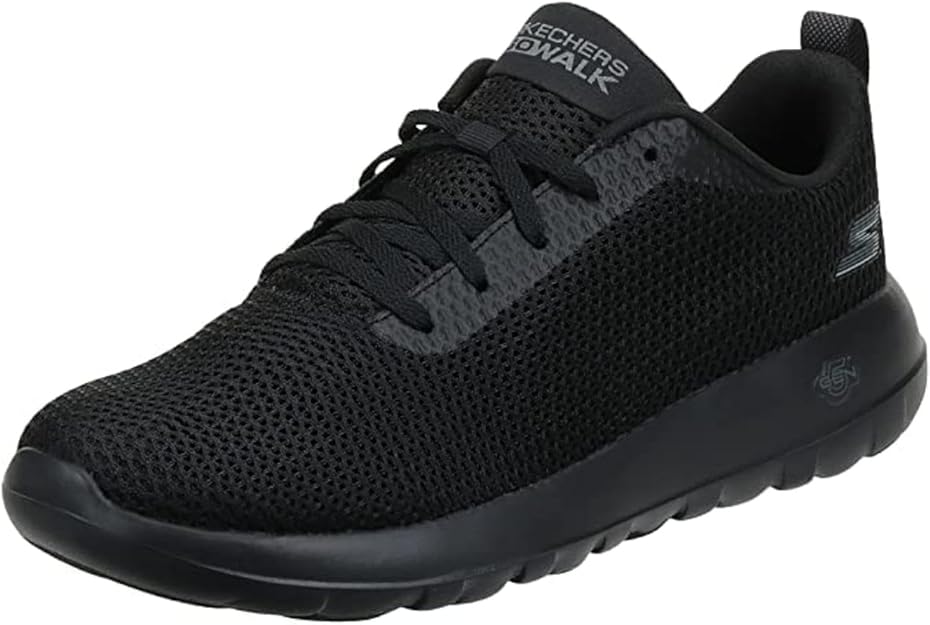
Explore options like Brooks Adrenaline GTS 23 for superior medial arch support to counteract overpronation or Under Armour’s Charged Assert series to enhance forefoot propulsion

Each model boasts technological advancements in cushioning and stability, designed to complement the unique gait pattern of various foot types. But what makes NORTIV 8 a potential game changer for value-conscious runners seeking quality?

Key Takeaways

The Under Armour Men’s Charged Assert 9 Running Shoes deliver ideal comfort and support. They are excellent for individuals with wider feet seeking reliable footwear for moderate running or extended wear activities. The Charged Cushioning midsole enhances proprioception and shock absorption, reducing joint stress and lower extremity fatigue.

Anatomically, the footwear’s midsole guarantees pronounced energy return, vital for maintaining endurance during physical exertion. The breathable mesh upper facilitates thermoregulation, preventing hyperhidrosis and maintaining peak epidermal health, even under intensive load-bearing conditions.

These shoes boast strategic heel pull tabs and decent arch support for enhanced podiatric alignment, aiding in stabilizing plantar fascia. Their durable rubber outsole guarantees multi-surface traction, promoting steadiness on varied terrains. While the price might deter casual buyers, discounts are frequently available, justifying their foot health and comfort investment.

Best for: This footwear is ideal for individuals with wider feet seeking comfortable and supportive footwear for moderate running or daily activities.

Lightweight mesh upper with 3-color digital print delivers complete breathability, Durable leather overlays for stability & that locks in your midfoot. EVA sockliner provides soft, step-in comfort. Charged Cushioning midsole uses compression molded foam for ultimate responsiveness & durability.

Brooks Women’s Adrenaline GTS 23 Supportive Running Shoe offers outstanding arch support, making it ideal for individuals suffering from plantar fasciitis or requiring enhanced foot stabilization. Whether combating medial arch collapse or seeking proper alignment, this shoe provides a biomechanical advantage through its structural integrity and heel-to-toe cushioning. Opt for the narrow fit to prevent excessive pronation and guarantee your foot remains securely positioned into the broader toe box.

A perforated fabric complements the lightweight construction, maximizing air circulation and minimizing moisture accumulation, vital for maintaining foot health during extensive exertion. While the shoe accommodates orthotic devices, the narrow lacing system may necessitate adjustments. Adrenaline GTS 23 excels in multi-sport scenarios, providing optimal talocrural joint support. Customer satisfaction underscores its effectiveness in both pain mitigation and gait efficiency enhancement.

Best For: Individuals seeking a comfortable, supportive, and durable running shoe that alleviates foot pain and accommodates orthotic devices, such as those with plantar fasciitis or using custom insoles.

The Adrenaline GTS 23 is for runners who need support and want a smooth, reliable ride. This Brooks Adrenaline GTS 23 is a certified PDAC A5500 Diabetic shoe and has been granted the APMA Seal of Acceptance.

For runners seeking ideal support and comfort, consider the Brooks Men’s Adrenaline GTS 23, specifically designed to address standard foot biomechanical issues. Engineered for those with fallen archesplantar fasciitis, or foot tendonitis, these shoes provide biomechanical correction and stability. Their cushioning system delivers optimal shock absorption, essential for long-distance endurance and reducing stress on the plantar fascia and tendons. This reduced strain aids in mitigating pain and potential injuries.

Beyond functionality, the GTS 23 excels in versatility, supporting diverse activities from running to standing-intensive jobs. They maintain structural integrity with high durability, lasting longer than many competitors, offering long-term foot health benefits.  Their premium price point accurately reflects the clinical advantage they offer. Opt for them if corrective support and anatomic alignment are paramount.

Best for: This product is best suited for runners facing foot biomechanical issues, such as fallen arches or plantar fasciitis, and seeking corrective support and comfort.

The Adrenaline GTS 23 is for runners who need support and want a smooth, reliable ride. This Brooks Adrenaline GTS 23 is a certified PDAC A5500 Diabetic shoe and has been granted the APMA Seal of Acceptance.

The engineered mesh upper in the Under Armour Women’s Charged Assert 9 Running Shoe offers exemplary support for metatarsal motion, making it ideal for runners needing enhanced foot stabilization. The foam padding around the ankle collar enhances talocrural joint comfort while the comfort sock liner moulds to your foot’s unique contours, providing essential cushioning and shock absorption. This shoe, powered by Charged Cushioning in the midsole, provides a responsive energy return essential for minimizing repetitive stress injuries.

Its tire-inspired outsole maximizes your traction on varied terrains—enhancing your performance during runs and cross-training sessions. For the biomechanically inclined, the fit provides snug support without compromising flexibility, thanks to strategic engineering suited for narrow and wide foot anatomy. Consider sizing adjustments for a superior toe box fit.

Best for: This shoe is ideal for runners and active individuals who seek a durable, comfortable shoe that provides excellent support and traction for various activities.

Lightweight mesh upper with 3-color digital print delivers complete breathability. Durable leather overlays for stability & that locks in your midfoot. EVA sockliner provides soft, step-in comfort. Charged Cushioning midsole uses compression molded foam for ultimate responsiveness & durability.

NORTIV 8 Women’s Athletic Running Shoes are a formidable choice for individuals seeking relief from foot and ankle ailments. They offer exemplary comfort, often described as “walking on clouds,” thanks to exceptional cushioning and support for normal arches. The snug fit provides essential stability, important for minimizing overpronation and supination tendencies. For plantar fasciitis and arthritis sufferers, these shoes alleviate symptoms, aided by a low-arch design that reduces undue foot stress.

Clinically, their moderate cushion, similar to the Brooks Ghost, plays a crucial role in shock absorption and joint comfort. While their soft foam sole enhances foot positioning, its durability may vary with body weight and gait patterns. Their affordability, when compared to brands like Nike, underscores their value as a therapeutic option.

Best For: Individuals seeking affordable and comfortable athletic shoes supporting foot and ankle issues, such as plantar fasciitis, while minimizing overpronation and supination.

Experience unparalleled comfort with these running shoes that feature an E-TPU midsole—ultralight and highly responsive. The soft and comfortable sole is the core highlight, allowing for deformation upon impact, and showcases exceptional flexibility.

The New Balance Women’s Fresh Foam Arishi V4 Running Shoe stands out for those with high arches and wide feet seeking relief and comfort. It is Anatomically engineered and accommodates the metatarsal and longitudinal arches, providing biomechanical support. Users commend its precise fit, noting true-to-size accuracy—especially for a size 10.5.

Intrinsically, it offers cushioned midsoles to mitigate plantar fascia strain, essential for prolonged ambulation. Despite a shorter lifespan, these sneakers maintain foot integrity on vacations or extensive walks, ensuring the tibial and dorsal regions remain unstrained. Their aesthetic versatility does not compromise their therapeutic functionality; they come in various hues, encouraging further purchases. Despite minor size deviations, clinical outcomes reveal substantial diminishment in axial discomfort, making them a pragmatic choice for foot health.

Best for: This product is best suited for individuals with high arches and wide feet who seek comfort and support for extended periods of wear.

Fresh Foam midsole cushioning is precision engineered to deliver an ultra-cushioned, lightweight ride. No-sew overlays. Designed for all-day wearability in a sport package. Adjustable lace closure for a customized fit.

Under Armour Men’s Charged Assert, 10 might be your best choice when you seek running shoes for mainly short-distance activities and casual use. Anatomically, these shoes provide pivotal arch support, which is beneficial for maintaining longitudinal foot stability. The breathable mesh upper optimizes thermal regulation, mitigating plantar hyperthermia. You’ll find them superior for standing and walking on unforgiving surfaces, as they alleviate forefoot pressure and guarantee metatarsal comfort.

However, for long-distance endeavors or intensive gait cycles, the cushioning shows compressive attenuation over time—diminishing its shock-absorption efficacy. A quick post-run evaluation could reveal midsole degradation, undermining propulsion during toe-off. In treadmill settings, the lightweight build enhances maneuverability, but prolonged lateral stress may lead to a decline in durability. Sizing feels compact; consider accommodation for toe spread.

Best for: This product is best suited for casual users and those seeking comfortable footwear for short-distance walking and standing on hard surfaces.

Lightweight, breathable mesh upper with synthetic overlays for added durability & support. EVA sockliner provides soft, step-in comfort. Charged Cushioning midsole uses compression molded foam for ultimate responsiveness & durability. Solid rubber outsole covers high impact zones for greater durability with less weight.

To finish up the top eight with something a little different… If you’re seeking footwear with anatomical alignment for foot health, the LCGJR Mens Ultra Light Walking Shoes are an excellent choice for their lightweight design and breathable mesh material. These shoes provide functional versatility while promoting peak arch support and cushioning for plantar biomechanics. Their slip-on design minimizes dorsal foot pressure, reducing strain on the metatarsal region. Although they’re best for casual ambulation and daily errands, they address basic podiatric needs effectively.

However, you may find that the fit varies; we recommend a proper trial for size assessment to guarantee uniform foot snugness and avoid undue pressure points. While not ideal for high-impact activities such as running, they’re beneficial for maintaining foot alignment during light exercise, thanks to their ergonomic feel and soft insole design.

Best for: This product is best suited for individuals who are looking for lightweight, breathable walking shoes for casual wear and light exercise.

Having a pair of stylish and comfortable casual shoes for men will make all the difference, which can make you look in causal style.It can be matched with all kinds of clothes.

In Closing...

Imagine your feet as the foundation of a finely tuned machine. Selecting the right running shoes is akin to choosing the correct gears; they enhance biomechanical efficiency and guarantee peak performance.

Don’t underestimate the importance of arch supportheel-to-toe drop, and midsole cushioning—these elements work synergistically to prevent stress injuries and maintain joint integrity. Moving forward confidently, knowing your shoes are your most diligent fitness and well-being guardians.

Picture of Bellevue Podiatry

Bellevue Podiatry

Bellevue Podiatry has been serving the people of Rosanna and its surrounding suburbs for over 10 years. We have the qualifications, experience and education to effectively treat any lower limb condition or injury that requires expert podiatry care.

Blog 125 – Diabetic Feet Early Warning Signs & Why You Need to Act | Podiatrist Diabetes Foot Care

Did you know that nearly 50% of people with diabetes will experience foot-related issues at some point? Recognising the early warning signs, like persistent pain, tingling sensations, or skin changes, is essential if you’re in this group.

These symptoms can indicate serious problems like nerve damage or circulation issues. It’s important to know when to consult a podiatrist to address these concerns before they escalate into severe conditions.

Understanding the risk factors and proactive daily care can greatly impact your foot health, helping you maintain mobility and quality of life.

Key Takeaways

Understanding Foot Complications

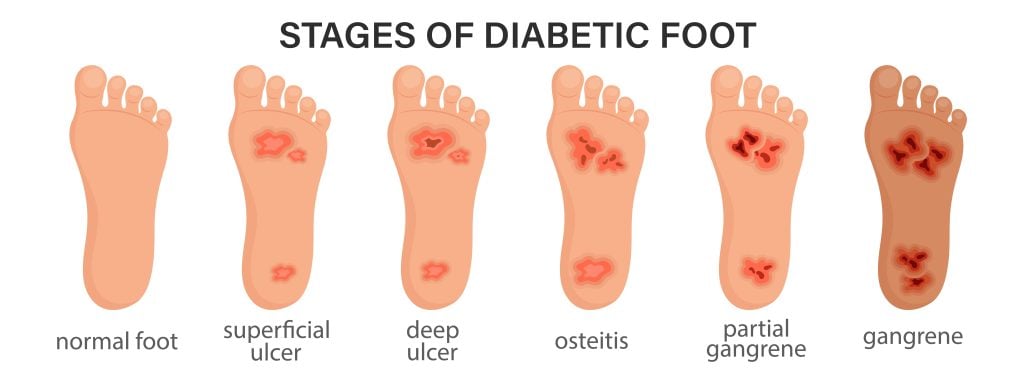
When you have diabetes, understanding foot complications is crucial, as they can escalate quickly without proper awareness and care. The diabetic foot can develop various issues due to diabetes-related neuropathy, which often results in loss of feeling and makes you less aware of potential injuries. This insensitivity can lead to ulcers, skin changes, or blisters that go unnoticed, becoming severe problems if not treated promptly.

diabetic foot
An experienced podiatrist will be able to identify and emerging foot health issues and resolve them before they become serious - but the key is early intervention. If you have diabetes, a regular foot health check-up is essential.

You may also notice symptoms like pain, tingling, or changes in nail appearance. Nail changes, such as thickened or yellow toenails, often signal the presence of fungal infections.

Additionally, foot shape changes, like bunions or claw toes, can occur, leading to difficulty finding comfortable footwear and increasing the risk of further complications.

Understanding these risks helps you prioritise care. Regular foot examinations and maintaining skin hydration can prevent issues from escalating. Awareness of the signs and seeking prompt intervention from a healthcare professional when changes occur can greatly reduce your risks.

Common Early Warning Signs

Identifying common early warning signs for diabetic foot problems can significantly impact your health journey:

If you spot any of these symptoms, don’t hesitate to consult a podiatrist. Early action is essential in preventing serious diabetic foot issues and ensuring overall well-being. You’re taking an important step by being vigilant about your foot health.

Are you diabetic and feeling pins and needles in your feet? This could be a sign of neuropathy and you should seek professional assistance immediately. Early warnings signs like "pins and needles" must not be ignored as they can lead to very serious health issues that can be averted when care is provided early.

Risk Factors to Watch

Several key risk factors increase your chance of developing diabetic foot problems. To manage diabetes, you must monitor these factors closely and work with your healthcare provider to prevent complications. Understanding your risk profile helps determine the frequency of foot examinations and the intensity of preventative care needed.

Risk Factor What To Monitor
Blood Sugar
Regularly elevated levels harm nerves and blood vessels
Duration
Longer diabetes history increases foot problem risk
Circulation
Poor blood flow leads to slow healing and tissue damage
Nerve Health
Damaged nerves reduce pain sensation and awareness
Foot Structure
Deformities increase pressure points and ulcer risk

Your risk level rises considerably if you’ve previously experienced foot ulcers or nerve damage. Daily skin changes, temperature variations, and pain patterns require careful tracking.

Watch for new symptoms like numbness, tingling, or unexplained foot pain. If you smoke, have high blood pressure, or maintain poor glucose control, you’re more susceptible to developing serious complications.

Early intervention improves treatment outcomes, so don’t delay seeking medical attention when symptoms appear.

If you're diabetic, having regular foot health checks with an experienced diabetes podiatrist is essential. An experienced diabetes podiatrist will be able to find any early warnings signs and put an effective treatment plan in place to manage and resolve the potentially serious foot health issue.

Daily Foot Care Tips

Proper daily foot care forms the cornerstone of preventing diabetic foot complications. By establishing a consistent routine, you’ll detect early warning signs before they progress into serious foot problems. 

Check your feet daily for skin colour, temperature, or texture changes. Pay close attention to any new sores, blisters, or areas of pain that could indicate developing complications.

Contact a podiatrist immediately if you notice any concerning symptoms like persistent pain, skin changes, or slow-healing sores.

A Diabetic foot requires extra vigilance because nerve damage can mask developing problems. Regular podiatrist visits complement your daily care routine and help catch potential issues early.

Wearing properly fitted shoes with a wide toe box and low (if any) heels is the ideal choice of footwear to reduce your likelihood of getting an ingrown toenail. An experienced podiatrist can review your footwear and guide you on the best possible choices.

When To See Your Podiatrist

Regular self-checks and proper foot care can considerably reduce your risk of developing complications, but knowing when to consult your podiatrist is just as important.

If you notice any of the following symptoms, it’s essential to schedule an appointment promptly:

Ignoring these signs can lead to more severe foot problems like diabetic neuropathy or infections.

Remember, you’re not just monitoring foot care but safeguarding your overall health. If you’re uncomfortable or notice changes, see a podiatrist.

Their expertise can help prevent complications that stem from nerve damage or other related issues. Acting early can make all the difference, ensuring you maintain your mobility and quality of life.

Diabetic feet pictures beginning stages - if you are diabetic and have corns or calluses, you need to seek professional care immediately. Your feet may not have any corns or calluses, but you have pins and needles or loss of sensation - again, any warning sign for a diabetic needs a fast response from the professionals. Don't delay, get the help you need today.

Prevention and Podiatry Treatment Options

Taking preventive steps against diabetic foot complications can greatly reduce your risk of serious problems. Regular podiatry care and proper foot health management fortify your defence against deformities and infections. Your podiatrist will develop a personalised treatment plan based on your symptoms and risk factors.

The following are key prevention and treatment strategies for diabetic foot care:

Depending on your condition, your podiatrist may recommend additional treatments, such as wound care, circulation therapy, or surgical intervention.

They’ll also teach you proper foot hygiene techniques and help you establish an effective daily care routine. Remember that prevention is always easier than treating established problems, so don’t wait until symptoms become severe before seeking professional help.

Managing Long-Term Foot Health

Managing your foot health over the long term is essential for anyone with diabetes. Proper care can help you prevent potential problems like pain, sores, and infections. By staying vigilant and proactive, you’ll greatly reduce the risk of complications.

Diabetes assessment rosanna ivanhoe podiatry Diabetic Foot
Doppler ultrasound is a noninvasive test that can be used to measure the blood flow through your blood vessels. It is a valuable tool for accurately assessning potential foot health issues, particularly for the diabetic foot.

Here are some key strategies to help you manage your foot health:

In Closing...

Taking proactive steps to protect your feet is crucial for diabetic patientsEarly detection of warning signs such as numbness, moisture issues, and temperature changes can significantly reduce the risk of serious complications. 

Regular foot examinationsappropriate footwear, and systematic screenings with a podiatrist are essential for maintaining healthy feet. Don’t delay in seeking professional help if you notice any disturbing symptoms.

Contact Bellevue Podiatry today to schedule a comprehensive foot examination and ensure long-lasting foot health.

Don’t delay getting the right professional advice for your feet.  Our team of experienced Podiatrists have the education and experience to know your risks and mitigate them long-term.  Take control today by booking in online or call us today on (03) 8104 9270.

Diabetic Foot
Conditions & Care

Understand what diabetes means for your feet and make sure you know the steps to protect your foot health long term. Learn how to avoid unnecessary foot health complications to keep your feet and toes healthy for life.

foot conditions
Picture of Bellevue Podiatry Foot Conditions Care

Bellevue Podiatry Foot Conditions Care

Bellevue Podiatry has been serving the people of Rosanna and its surrounding suburbs for over 10 years. We have the experienced and education to effectively treat any lower limb condition or injury that requires expert podiatry care.

Article References:

Blog 124 – Sudden Foot Pain Without Injury? Possible Causes And Evidence-Based Podiatry Treatments

If you’ve suddenly experienced foot pain without any apparent injury, you’re not alone, and it’s essential to understand what might be happening. Conditions like plantar fasciitis, gout, or even more complex issues can emerge unexpectedly, affecting mobility and daily activities.

Recognising the warning signs and knowing when to seek help can make a significant difference. Effective relief is possible with evidence-based treatments tailored to your unique situation.

How can you address these sudden foot health changes? Let’s explore the details behind these effective foot pain management strategies.

Key Takeaways

Understanding Common Non-Traumatic Foot Pain

Foot discomfort without trauma can present significant diagnostic challenges for patients and podiatrists. Several underlying conditions could be responsible for your symptoms when you’re experiencing sudden foot pain without an apparent injury. Understanding these common causes is essential for proper diagnosis and treatment.
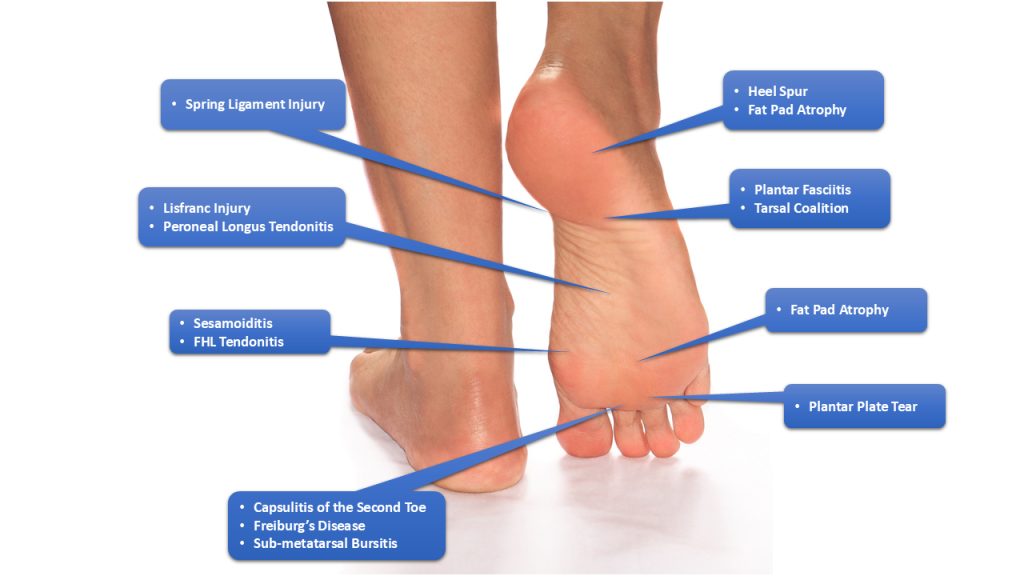
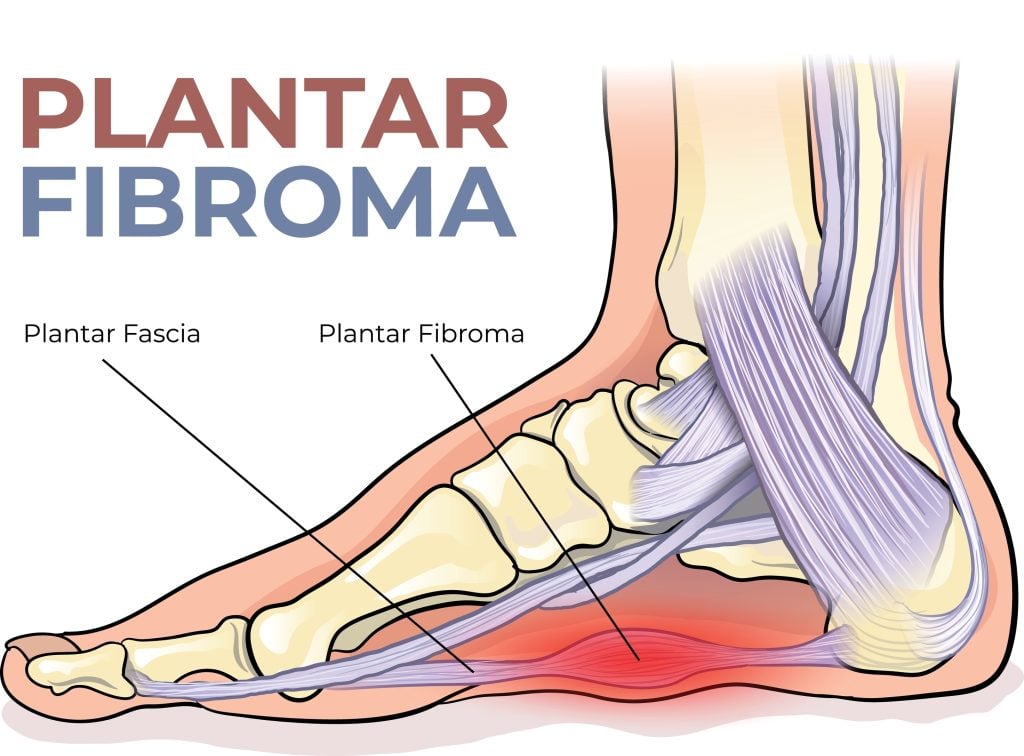
The bottom of your foot can have a wide range of panful foot health issues. Each issue is unique and different in its treatment. Make sure you're getting the right foot health advice from a Foot Pain expert.

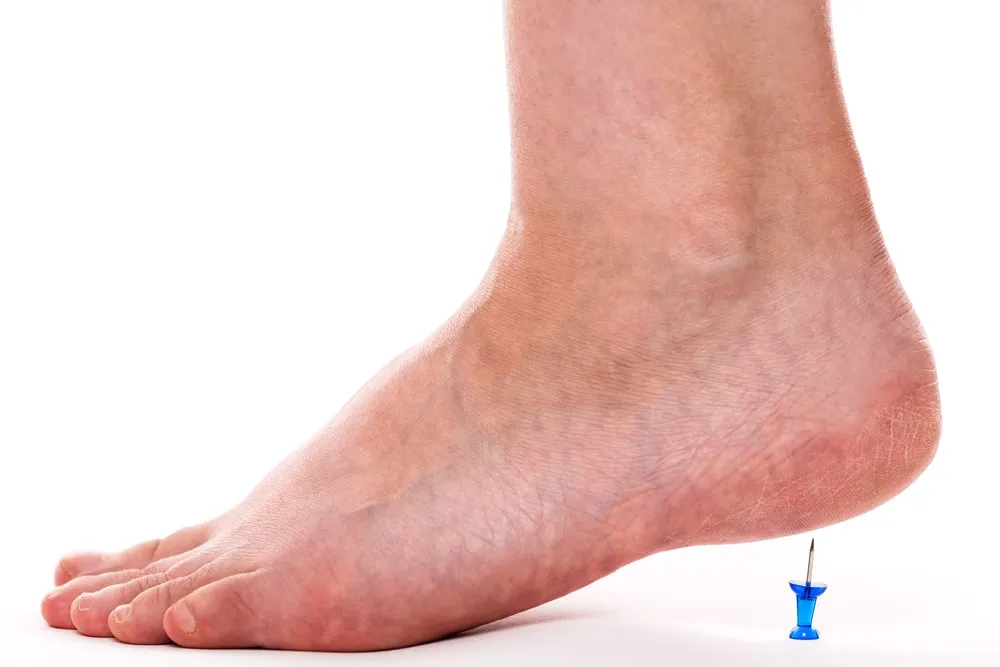
Plantar fasciitis often manifests as intense heel pain, particularly during your first steps in the morning or after periods of rest. If you’re noticing sharp pain, specifically in your big toe, gout might be caused by uric acid crystal accumulation in the joint.

Neurological issues, such as Morton’s neuroma, typically produce burning sensations between your toes or in the ball of your foot, while Achilles tendinitis presents as heel pain that worsens with activity.
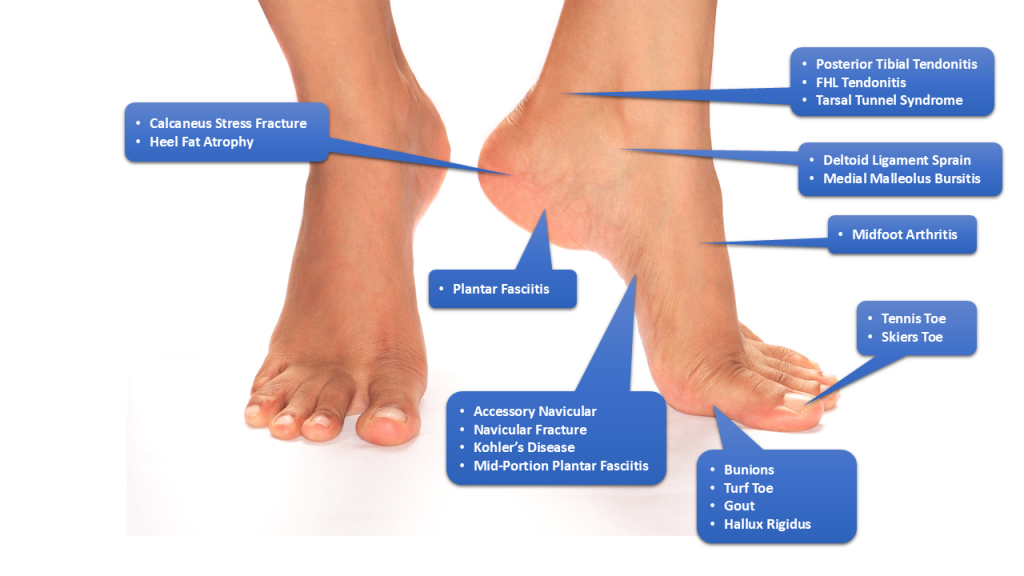
The potential foot pain issues continues with painful problems that can occur on the side of your foot as well. If you have any kind of persistent foot pain, we encourage you to seek the help of an experienced foot pain Podiatrist.

Non-traumatic foot pain requires prompt attention from a podiatrist for early diagnosis and appropriate intervention. Your specialist will thoroughly evaluate the root cause, as similar symptoms can stem from different conditions.

Quick action often leads to more effective treatment outcomes and helps prevent chronic complications that could affect mobility and quality of life.

Medical Conditions Behind Foot Pain

Understanding the medical conditions behind sudden foot pain is essential for effective management and relief. Recognising that such pain may arise from various medical conditions that prompt inflammation or joint pain without causing any identifiable injury is vital. 

Here’s a summary of some of the most common conditions contributing to sudden foot pain that we see at Bellevue Podiatry (there are too many possible issues to list here):

Condition Symptoms Considerations
Gout
Severe pain and swelling in joints
It often affects the big toe
Rheumatoid Arthritis
Joint damage, debilitating pain
Inflammation can be unpredictable
Peripheral Neuropathy
Sudden pain, burning sensations
Commonly linked to nerve damage
Osteoarthritis
Acute pain from cartilage deterioration
Can lead to chronic discomfort
Plantar fasciitis
Heel pain, especially after rest
Involves inflammation of the fascia

Recognising these conditions helps you effectively address the underlying issues.  For instance, gout and rheumatoid arthritis involve inflammation that significantly affects mobility.

Peripheral neuropathy might require a different approach due to its nerve damage implications. Seeking a thorough evaluation will lead to tailored treatments, ensuring you get the relief you need.

Warning Signs and Risk Factors

If you experience sudden foot pain, paying attention to the warning signs and risk factors that could indicate a more serious underlying issue is essential.

Conditions like arthritis, gout, or tendinitis might be at play, and recognising them can lead to a prompt medical evaluation. Key signals include symptoms like swelling, redness, or warmth near the painful area, suggesting an inflammatory response that warrants immediate attention.
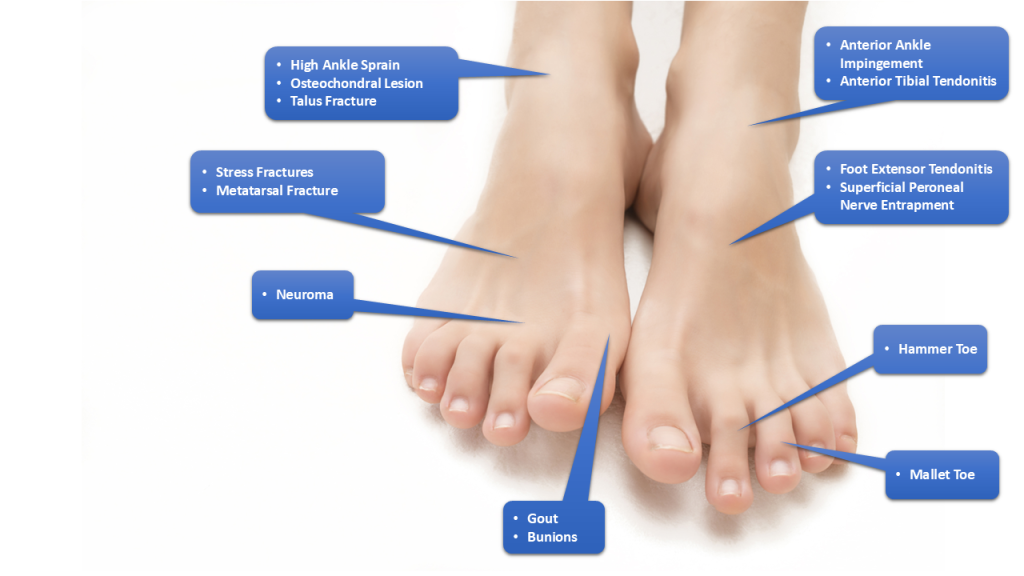
The human foot is an incredibly complex structure which means there is no shortage of health issues that can flare up. This image lists out several of the most common ones we see at Bellevue Podiatry.

Several risk factors heighten your chances of experiencing sudden foot pain. Consider the table below for a clear representation of these factors:

Risk Factor Description Prevention Tips
Chronic conditions
History of diabetes or rheumatoid arthritis
Regular monitoring and care
Poor footwear choices
Tight, unsupportive shoes
Invest in proper footwear
A sudden increase in activity
Shifting to high-impact activities
Gradually increase activity levels
Sedentary lifestyle
Low physical engagement increases the chance of overuse injuries
Incorporate regular movements
History of foot injuries
Seek professional advice on recovery

Understanding these risk factors will help you take proactive steps to protect your foot health.

Podiatrist Diagnostic Methods for Foot Pain

When you experience sudden foot pain, a podiatrist employs various diagnostic methods to uncover the root cause and guide effective treatment.

Understanding your situation begins with thorough physical examinations assessing foot structure, alignment, and range of motion. This is essential for identifying potential sources of pain.

A treadmill gait assessment is a valuable technique to quickly identify issues with your walking style that could be causing your foot pain so a targeted & effective treatment plan can be implemented.

Podiatrists also perform gait analysis to evaluate walking patterns, pinpointing any abnormalities contributing to your discomfort. Imaging tests, like X-rays and MRIs, are essential in visualising internal structures and helping diagnose fractures, arthritis, or soft tissue injuries.

Additionally, they may use Doppler ultrasound to measure blood flow and identify vascular issues that could impact your foot health.

We conduct sensory function tests to assess nerve health and detect conditions like neuropathy, which could lead to sudden foot pain. In summary, here are the methods podiatrists employ for diagnosis:

These approaches ensure a thorough and complete evaluation, paving the way for effective treatment due to accurate root cause confirmation.

Diabetes assessment rosanna ivanhoe podiatry Diabetic Foot
Doppler ultrasound is a noninvasive test that can be used to measure the blood flow through your blood vessels. It is a valuable tool for accurately assessning potential foot health issues, particularly for the diabetic foot.

Evidence-Based Podiatry Treatment Options

Based on your thorough diagnosis, podiatrists can implement a range of evidence-based treatments tailored to your specific condition. Evidence-based podiatry focuses on proven methods that effectively address foot pain while promoting long-term healing.

Custom Orthotics are an effective way to resolve a number of biomechnical issues that can lead to outside of foot pain. It is crucial to ensure an accurate diagnosis and biomechanical assessment for an effective prescription of custom orthotics.

Your treatment plan will likely combine multiple approaches, including physical therapy exercises to strengthen foot muscles and improve flexibility and custom orthotics explicitly designed for your foot structure.

When you’re experiencing significant inflammation, your podiatrist may recommend:

Your podiatrist will monitor your progress throughout treatment, adjusting approaches as needed to ensure ideal outcomes.

They’ll work closely with you for persistent conditions to develop a thorough management strategy that addresses both immediate symptoms and underlying causes, potentially incorporating lifestyle modifications and preventive measures to maintain foot health long-term.

Prevention and Lifestyle Modifications

To effectively prevent sudden foot pain, adopting proactive lifestyle modifications and healthy habits is essential. You can reduce the risk of various foot conditions by considering factors contributing to foot pain. Implementing simple changes can significantly enhance your foot health.

  • Healthy Lifestyle

    Maintaining a healthy weight to decrease strain on foot structures prevents issues like plantar fasciitis.

  • Regular Stretching

    Incorporate regular stretching exercises for your feet and calves to enhance flexibility, strengthen muscles, and minimise injury risks.

  • Foot Hygiene

    Practice excellent foot hygiene by keeping your feet clean and dry, which helps prevent infections and irritations.

  • Progressive Load Increases

    Gradually increase your physical activity levels rather than making sudden changes to avoid overuse injuries related to foot pain.

To stay hydrated after exercise, drink approximately 20-24 ounces (600-720 ml) of fluid for every pound (0.5 kg) of body weight lost during your workout, spreading your intake over the next few hours.

When to Seek a Podiatrist's Help

Have you been experiencing sudden foot pain that won’t go away? It’s important to recognise when to seek a podiatrist’s help, as persistent pain could indicate underlying issues.

Don’t hesitate to consult a professional if your discomfort lasts more than a few days or if you notice swelling, redness, or heat. Additionally, numbness or tingling sensations might signal nerve-related disorders, requiring immediate attention.

Here’s a quick guide to help you determine when to seek professional assistance:

Symptoms Possible Issues Action To Take
Sudden foot pain
Arthritis, tendonitis
See a podiatrist
Persistent swelling / redness
Infection, circulatory problems
Schedule an appointment
Numbness / tingling
Nerve compression
Seek immediate evaluation
Changes in activity / weight
Overuse, injuries, and structural issues
Get assessed promptly

Early intervention is vital for effective treatment. Timely diagnosis can help manage symptoms and prevent the progression of foot conditions. Remember, caring for your feet is caring for your overall health. Don’t ignore pain; reach out to a podiatrist for your guidance.

In Closing...

Sudden foot pain without an apparent injury can be perplexing and distressing. Various factors such as deformitiesdiabetesill-fitting shoesinfections, and conditions like Morton’s neuroma and plantar fasciitis can contribute to this issue. 

Advanced diagnostics by a certified podiatrist can help identify the underlying cause, paving the way for effective, evidence-based interventions tailored to your condition. Proper medical evaluation and adherence to prescribed treatments will significantly improve pain-free mobility.

If you’re experiencing persistent foot pain, don’t hesitate to contact Bellevue Podiatry to schedule a consultation with one of our qualified foot specialists.

If you want the right professional advice on how to treat your foot pain, we currently have a limited offer running to help you out. For just $79 (usually valued at $189), book in online for our Complete Foot Pain Assessment & Treatment Consultation will get:

  • Complete In-Depth Foot Pain Examination
  • Review of Footwear & Personal Habit Diagnosis
  • Treadmill Walking Gait Analysis & Video Assessment
  • Complete Foot & Ankle Structural Diagnosis
  • Effective Foot Pain Treatment Plan To Get You Walking Pain Free
  • Peace of Mind You Know What Is Causing Your Foot Pain & How To Fix It
Check out our heel pain eBook below for further details on this special offer as well as other tips and techniques you can try at home to manage your plantar fasciitis and foot pain.

You don’t need to put up with heel pain any longer.  Our team of experienced Podiatrists have the education and experience to get you moving pain free again.  Take control today by booking in online or call us today on (03) 8104 9270 to get this issue sorted once and for all.

Foot Pain & Plantar Fasciitis

Understand what causes your foot pain and what you can do to get rid of it once and for all. Find out what treatments can get you back to walking pain free so you can enjoy living an active life again!


plantar fasciitis treatments best arch support insoles for plantar fasciitis
Picture of Bellevue Podiatry Sudden Foot Discomfort Clinic - Foot Health Therapy Care
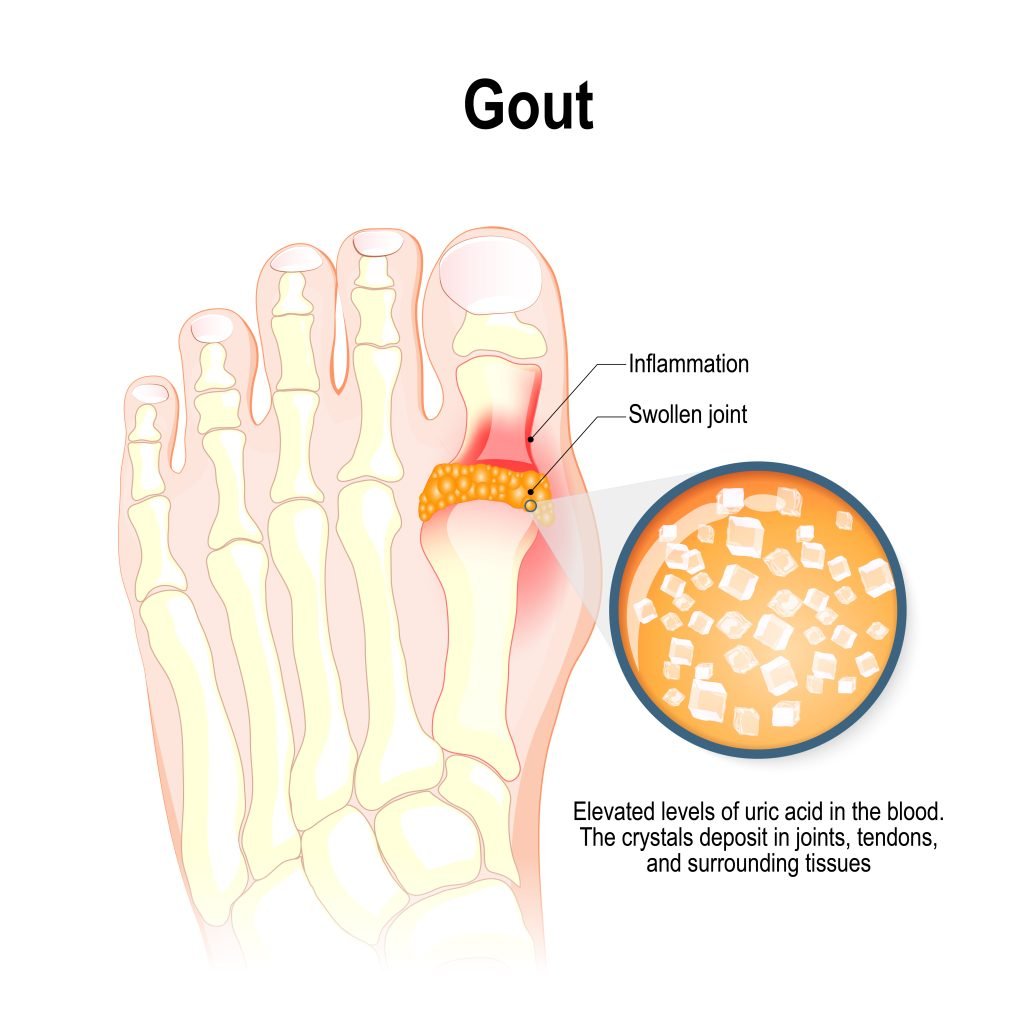
Bellevue Podiatry Sudden Foot Discomfort Clinic - Foot Health Therapy Care

Bellevue Podiatry has been serving the people of Rosanna and its surrounding suburbs for over 10 years. We have the qualifications, experience and education to effectively treat any lower limb condition or injury that requires expert podiatry care.

Blog 123 – Our Recommended 8 Best Walking Shoes That Comfortably Support Your Every Step

You might not know that the perfect walking shoe can greatly improve your posture and reduce joint stress, making every step more enjoyable. As you explore the best options for comfortable walking shoes, reflect on what elements are essential for your needs.

Whether it’s enhanced arch support or cushioned comfort, the right choice can transform your daily walks. With a variety of reputable brands like Skechers and Brooks offering cutting-edge designs, there’s much to ponder beyond just style and color.

So, how do you guarantee a perfect fit that promises to make your walks feel effortless? Let’s discuss further down below!

Best Walking Shoes Key Takeaways

If you’re looking for a pair of best walking shoes that excel in both comfort and support, the Skechers Men’s Go Walk Max Effort is your go-to choice. These shoes offer exceptional ease, particularly for long hours spent on hard surfaces, making them perfect if you’re on your feet 6-7 hours daily.

Their lightweight and breathable mesh design guarantees your feet remain comfortable, with excellent cushioning to minimize foot pain. You’ll find the grip reliable, providing stability with every step. 

Though the soles’ durability might raise some concerns, they can still offer significant comfort for their lifespan, often lasting 6-12 months with moderate use. Available in extra-wide sizes, these shoes offer a true fit, catering to various foot shapes. Enjoy unparalleled comfort as you navigate your day.

Best For: Individuals who spend long hours on their feet, especially those looking for comfort and support on hard surfaces.

Nearly seamless breathable athletic air-mesh upper. Lightweight, responsive 5GEN cushioning midsole and outsole. Goga Max cushioned comfort insole. Flexible rubber outsole Machine washable, air dry.

The Skechers Women’s Go Walk Joy Sneaker stands out with its lightweight, slip-on design, making it an excellent choice for anyone prioritizing comfort and ease in everyday footwear. Made with breathable air mesh, these sneakers provide a snug fit and remarkable cushioning that feels like you’re “walking on clouds.”

They’re perfect for casual outings, errands, and light exercise. However, consider ordering a half-size down because they tend to run big. Although they excel in comfort, you might notice limited arch support. Adding orthotic insoles can help if you need extra support.

These versatile sneakers won’t last through rigorous activities but are easy to maintain, staying fresh with simple washes. Choose them for everyday wear when comfort and style are top priorities.

Best For: Individuals seeking comfortable and stylish everyday walking shoes suitable for casual outings, errands, and light exercise.

Lightweight and responsive 5Gen midsole cushioning Skechers Air Cooled. Goga Mat breathable insole with high-rebound cushioning. Breathable athletic engineered mesh upper. Flexible traction outsole. Machine washable, air dry. Sleek comfort walking design with soft fabric lining.

Looking for walking shoes that prioritize comfort and support? New Balance Womens 608 V5 Cross Trainer might be your perfect choice. With super-soft cushioning, a durable rubber outsole, and a snug-fitting suede and mesh upper, these trainers offer exceptional comfort right from the start. You won’t have to break them in, and they’re true to size—ideal for those with foot issues. 

The shoes’ high-quality materials guarantee durability, showing minimal wear even after weeks of use. They’re easy to clean, too—simply wipe them with a rag. Versatile in use, you can rely on these best walking shoes whether you’re working in security, kitchens, or engaging in fitness training. While sizing is generally true, consider fit variations depending on your foot shape and shoe color.

Best For: Individuals seeking comfortable and supportive walking shoes for extended use, suitable for those with foot issues.

PU Foam insert offers long-lasting comfort and support. Lightweight injection-molded EVA foam midsole provides lightweight cushioning. Phantom Liner interior has minimal seaming to help reduce irritation. Internal midsole shank adds midfoot structure and support. NB Soft plus Supportive Comfort Insert offers all-day comfort and support.

You’ll find that Brooks Women’s Adrenaline GTS 23 is an exceptional choice for walkers needing tailored support and comfort. Selecting the right size is essential, with customers recommending either an 8 1/2 Narrow or a 9 Narrow for more sock room, ensuring a snug fit without unwanted slipping. Although initially tight, these shoes break in beautifully over time.

They’re lightweight, boasting impressive comfort and arch support—ideal for those with plantar fasciitis. The design is not only visually appealing but also practical, with breathable fabric keeping your feet cool during long pavement walks. The shoe’s durability stands out, offering value despite the higher price. Be prepared to address shoelace issues, as the laces can be tricky to adjust.

Best For: Walkers needing tailored support and comfort, particularly those with narrow feet or plantar fasciitis.

The Adrenaline GTS 23 is for runners who need support and want a smooth, reliable ride. This Brooks Adrenaline GTS 23 is a certified PDAC A5500 Diabetic shoe and has been granted the APMA Seal of Acceptance. Predecessor: Adrenaline GTS 22.

For those seeking both style and comfort in their footwear, Brooks Men’s Ghost Max Cushion shoes are ideal. These striking dark blue shoes balance visual appeal with practicality, making them a great addition to your wardrobe. They’re designed to accommodate wider feet without the usual bulk, maintaining a sleek appearance.

You’ll appreciate the exceptionally soft yet supportive cushioning, which guarantees your feet feel rejuvenated during long days. The insoles provide natural support for flat feet, enhancing comfort whether you’re running or walking. Thanks to their stability features, like a solid square heel, they address common issues like plantar fasciitis.

While a few have had to tweak their size choice, most users find immediate comfort and durability, offering great value at around $99.

Best For: Individuals seeking a stylish, comfortable, and supportive shoe for running, walking, and extended wear who may have wider or flat feet.

Runners and walkers alike who want maximized cushion, and a maximized protective ride with effortless, smooth heel-toe transitions and secure, stable landings. The Ghost Max is a certified PDAC A5500 Diabetic shoe and has been granted the APMA Seal of Acceptance.

The Skechers Gowalk Flex Men’s Slip-On Walking Shoe is a perfect choice for individuals who value ease and comfort in their footwear, especially those with mobility challenges. These shoes are designed with a lightweight, snug fit and offer a hands-free slip-on feature that’s perfect if you’re dealing with mobility issues. 

Users rave about their ability to alleviate foot pain, allowing you to stand comfortably for long periods. The shoes are available in a range of sizes, including wide options, ideal if you have specific foot needs like bunions. 

Some users suggest choosing a size down for a tighter fit, as the heel might feel loose. Whether worn indoors or outdoors, these shoes are stylish, affordable, and can become a versatile staple in your wardrobe.

Best For: Individuals seeking comfortable, stylish slip-on footwear with easy on/off functionality, especially those with mobility issues or specific foot needs like bunions.

Skechers Hands Free Slip-ins for an easy fit. Exclusive Heel Pillow holds your foot securely in place. Lightweight, responsive ULTRA GO cushioning. Skechers Air-Cooled Memory Foam cushioned comfort insole. Multi-surface stabilized and flexible traction with Flex Pillars for cross training activities.

If you’re dealing with foot pain or conditions like plantar fasciitis, Brooks Women’s Ghost Max 2 shoes might be your ideal walking companion. They provide exceptional cushioning and arch support, promoting proper foot alignment and reducing strain on your plantar fascia. Imagine walking on clouds with their soft yet supportive insoles and thick soles that offer height and grip, perfect for both walking and running on pavement.

While generally well-received for comfort, be mindful of sizing. Some find that different colorways fit differently, so consider width options for a perfect fit if you have wider feet. These shoes are lightweight, durable, and made from breathable fabric, ideal for long shifts or recovery. Stylish yet functional, they offer appealing aesthetic choices without compromising support.

Best For: Individuals seeking comfortable shoes for foot pain relief, especially for conditions like plantar fasciitis, with a need for both aesthetic appeal and functionality.

Runners and walkers who want maximized cushion, and a maximized protective ride with effortless, smooth heel-toe transitions and secure, stable landings. The Ghost Max 2 is a certified PDAC A5500 Diabetic shoe and has been granted the APMA Seal of Acceptance. The Ghost Max 2 is a certified carbon neutral product.

Looking for walking shoes that seamlessly blend comfort and functionality? The Reebok Men’s Walk Ultra 7 DMX Max Shoe offers a stylish and practical solution. With dependable arch support and non-slip rubber soles, these shoes are perfect for fitness enthusiasts, servers, and anyone on their feet all day. 

You’ll love the lightweight design and durable materials of these best walking shoes, though consider going half a size up for a better fit. While many users rave about the comfort, others have found the insoles less supportive and durability a concern. 

At around $48, they offer good value, though some have noted issues like squeaking and long laces. It’s always wise to weigh both positive and critical feedback to ascertain these shoes meet your needs.

Best For: Fitness enthusiasts, servers, nurses, and individuals needing supportive footwear for all-day comfort and function.

With a leather and textile upper for comfortable support, these walking sneakers for men are designed specifically with strolls in mind.

Factors to Consider When Choosing Walking Shoes

When choosing walking shoes, you’ll want to focus on key factors like comfort and support to guarantee your feet feel great during long walks. Make sure the fit and sizing are right to prevent any discomfort, and consider durability and maintenance to get the most life out of your shoes.

Don’t forget to think about aesthetic and style preferences, as well as balancing price and value to find the perfect pair that meets your needs.

Comfort & Support

Selecting the right walking shoes is vital for guaranteeing both comfort and support during long periods on your feet. Focus on models with cushioned insoles and arch support, as these features considerably reduce foot strain and enhance your walking experience. When your feet feel pampered and supported, you can enjoy your journey without unnecessary aches.

Consider the materials of the shoes too. Breathable options like mesh keep your feet cool and dry, helping to prevent the discomfort associated with moisture build-up. No one wants sweaty feet ruining an otherwise pleasant walk, right?

The weight of your shoes also plays a fundamental role. Lighter shoes reduce fatigue over time, making them ideal for lengthy strolls or when you’re on your feet for hours. Don’t underestimate how much easier a reduced burden on your feet can make your day.

Finally, look for shoes with a durable outsole and solid grip. These qualities are essential, providing stability and preventing slips on various surfaces. Good traction guarantees each step is secure and confident, reducing the risk of falls or discomfort. By prioritizing these features, you’ll find walking shoes that truly support your every step.

Everyone knows that finding the right fit is vital when choosing walking shoes. When a pair fits true to size, you avoid discomfort and enjoy a better walking experience. You might discover that some models run large or small, so trying them on is imperative. If you have wider feet, consider shoes with extra-wide options. This guarantees your feet aren’t constricted, providing the comfort you need for longer walks.

When trying on shoes, wear thicker socks if needed. This can help compensate for designs with limited room in the toe box and across the instep. Feeling snug initially is okay because some shoes break in over time. However, avoid excessive tightness as it might lead to foot pain.

Look for adjustable features in your walking shoes. Laces or straps allow you to customize the fit, making sure your shoes provide the support you need. This adjustability is key to maintaining comfort during use, as it lets you modify the fit to match your foot’s unique shape and support requirements. Remember, the right fit not only boosts comfort but also enhances your overall walking experience.

Kicking off your search for the perfect walking shoesdurability should be front and center in your decision-making. You’ll find that most walking shoes are crafted to last between six to twelve months before considerably wearing out, particularly the soles. It’s essential to take into account how long you expect your shoes to withstand daily use. Lightweight materials can provide exceptional comfort, though they might wear out faster compared to sturdier alternatives. Selecting shoes made with a blend of breathable mesh and strong construction can enhance their lifespan, making your investment worthwhile.

Maintaining your walking shoes not only extends their lifespan but also promotes better hygiene. A simple yet effective maintenance routine involves cleaning them regularly and allowing them to air dry completely. By doing so, you’re proactively preventing premature sole wear and structural degradation. Prior to purchasing, research and pay close attention to user feedback regarding durability issues. Look out for recurring problems like fast sole wear, squeaking, or structural concerns shortly after use. These insights can guide you in choosing shoes that stand the test of time, keeping your feet comfortable and supported every step of the way.

While longevity and upkeep are important in your quest for the ideal walking shoes, it’s equally important to think about how they look and feel on your feet. Aesthetic appeal plays a significant role in your overall satisfaction, influencing how confident and comfortable you feel. Many people like you prioritize finding shoes that match not only in performance but also in style, ensuring that they enhance the attractiveness of your wardrobe.

You might find that a shoe’s design can make or break your decision. While some folks lean towards maximum performance, it’s perfectly understandable if you prioritize a more fashionable choice. Luckily, walking shoes come in a variety of colors and styles that cater to different tastes and current fashion trends. You can easily find a pair that complements your personal style and outfits.

If you’re someone who dislikes the bulkier look of traditional walking shoes, there are sleek and modern options available. These stylish designs not only look great but also feel less cumbersome, giving them an aesthetic boost. It’s all about finding the right balance where your walking shoes don’t just serve as footwear but also as a fashion statement.

When considering the price and value of walking shoes, it’s important to balance budget constraints with your need for comfort and durability. Prices for quality walking shoes can vary widely, ranging from $48 to over $100. By comparing features and comfort, you can assess the value they offer. It’s essential to remember that the perceived value often aligns with comfort and durability. Many people are willing to invest more in shoes that provide long-lasting support and alleviate foot pain.

Fluctuating prices can be frustrating, impacting your purchasing decisions. To navigate this, look for deals and don’t hesitate to buy when you find a pair that combines both quality and affordability. Buying multiple pairs can be a smart, cost-effective strategy. This allows you to rotate your shoes, extending their lifespan and gradually moving older pairs to casual use.

Customers repeatedly express satisfaction with durable and comfortable shoes, suggesting that higher-quality options might offer better long-term value. Investing wisely in walking shoes can lead to improved foot health and comfort, making it worth taking the time to evaluate all factors before making your decision.
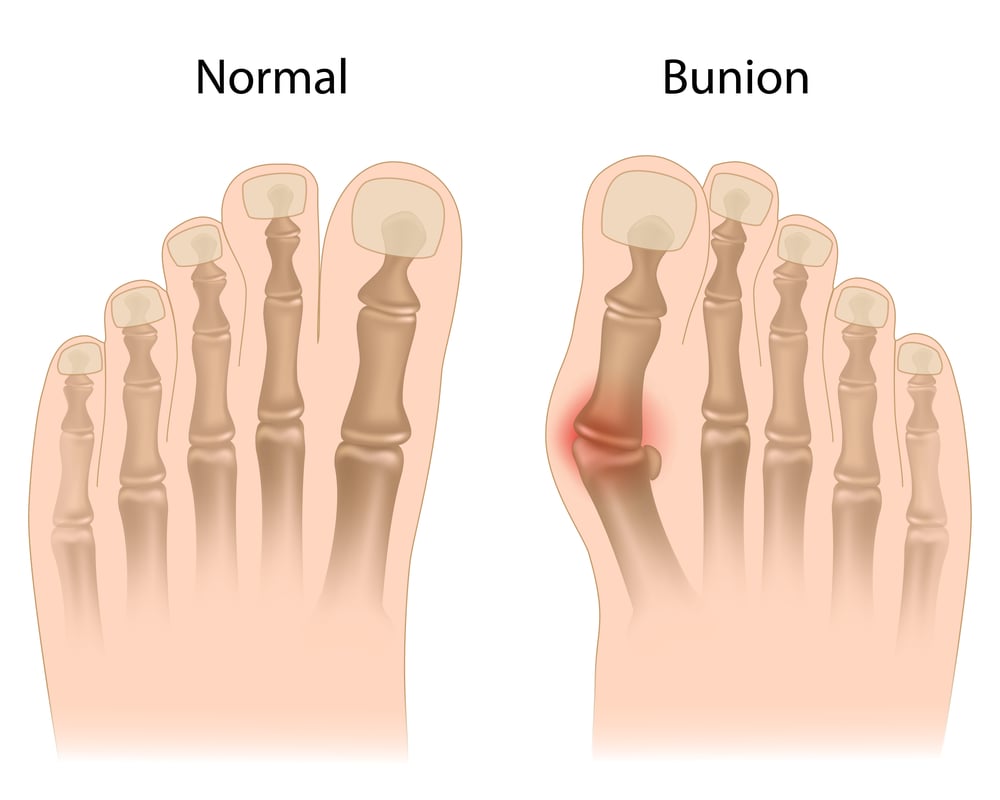
Summing It All Up...

In your quest for the perfect walking shoes, prioritize comfort, prioritize style, and prioritize support. Choose shoes that make each step feel light, each stride feel stable, and each outing feel enjoyable.

Trust user feedback, trust quality craftsmanship, and trust your own instincts. When you align your needs with what these top selections offer, you’ll find a pair that doesn’t just meet expectations—it exceeds them. Walk confidently, walk comfortably, and walk with shoes that truly support your every step.

Picture of Bellevue Podiatry

Bellevue Podiatry

Bellevue Podiatry has been serving the people of Rosanna and its surrounding suburbs for over 10 years. We have the qualifications, experience and education to effectively treat any lower limb condition or injury that requires expert podiatry care.

Blog 122 – Curing Plantar Fasciitis At Home: Stretches, Exercises, and Habits to Relieve Heel Pain

You take your first steps in the morning, and a sharp pain shoots through your heel. If this sounds familiar, you’re likely among the millions affected by plantar fasciitis.

Fortunately, there’s hope for relief—and the journey begins at home. Incorporating simple stretches and exercises into your daily routine can alleviate tension in the plantar fascia and strengthen the muscles that support your feet.

But there’s more to it than just a few toe curls and calf stretches. The key to lasting relief lies in a thorough approach that addresses the root causes of your heel pain.

Key Takeaways

Understanding Plantar Fasciitis and Heel Pain

When you first experience heel pain, it can be a mystery—where did it come from, and how can you make it disappear? Plantar fasciitis, an inflammation of the plantar fascia, a fibrous tissue running along the bottom of your foot, often causes heel pain. Overuse, strain, or repetitive high-impact activities can trigger this condition, which can cause intense pain, especially in the morning.

Do you feel a sharp pain, like stepping on a pin, just in front of your heel? Moreso in the mornings? It is likely you have plantar fasciitis, and the good news is there are stretches exercises and daily habits you can implement to improve, and potentially resolve, your heel pain.

As you try to treat plantar fasciitis at home, it’s crucial to understand the causes and symptoms. Too much pressure on the plantar fascia can damage or tear the tissues, leading to inflammation and pain. The plantar fascia supports the foot arch and absorbs shock while walking, putting it at risk of injury.

You may experience pain on the bottom of your foot near the heel, which worsens after rest and improves with walking. Don’t worry; with the right approach, you can alleviate heel pain and promote recovery. By incorporating stretching and exercises into your daily routine, you can start to feel relief. Individuals between 40 and 70 are at a higher risk of developing this condition due to the natural aging process.

According to various studies, plantar fasciitis affects about 7–10% of the population, making it a relatively common condition. The following section will explore effective stretches to help you treat plantar fasciitis at home. For now, let’s focus on understanding the condition and its causes.

Effective Stretches for Plantar Fasciitis

A well-executed stretching routine forms the cornerstone of plantar fasciitis recovery at home. Incorporating effective stretching techniques can notably accelerate your healing process when dealing with this painful condition. Conservative treatment can resolve most cases without requiring surgery.

The calf wall stretch is a great simple stretch you can do every day do improve the health and mobility of your Achilles tendon - but the key is consistency if you want to see positive results.

These physiotherapy-inspired exercises target your plantar fascia and supporting muscles, providing thorough reliefProfessional guidance from foot and ankle specialists can ensure proper exercise form and technique. Consider taking anti-inflammatory medication before exercising to help manage discomfort during stretches.

Most patients experience sharp heel pain that’s worst in the morning, making these stretches particularly important at the start of each day.

Here are three essential stretches that serve as a powerful plantar fasciitis home remedy:

  • Tennis Ball / Frozen Water Bottle Roll

    Gently roll your foot over a tennis ball or ideally a frozen water bottle for 2-3 minutes, focusing on the arch to release tension in your plantar fascia.

  • Wall Calf Stretch

    Stand facing a wall, step back with your affected foot, and lean forward while keeping your heel down (see above photo for demonstration).

  • Towel Stretch

    While seated, wrap a towel around your foot and gently pull back, holding for 30 seconds. See below for a video tutorial of this stretch from the UK National Health Authority:

For maximum benefit, perform these exercises 2-4 times daily, holding each stretch for 20-45 seconds.

Remember to maintain consistency with your stretching routine, as regular practice helps prevent recurring symptoms. If you’re experiencing intense pain, start gently and gradually increase intensity as your Comfort level improves.

These targeted stretches and proper rest create a practical foundation for long-term relief.

Strengthening Exercises to Reduce Heel Pain

You’ve started incorporating stretches into your daily routine to alleviate heel pain and promote recovery from plantar fasciitis.

It’s time to take it to the next level by adding strengthening exercises to reduce heel pain. Strengthening the intrinsic muscles of your foot and calves will support your plantar fascia, reducing strain and promoting relief.

Focus on exercises that target the central band, lateral band, Achilles tendon, and calf muscles to reduce tension. Here’s how:

Towel Scrunches & Heel Raises

Start with simple exercises like towel scrunches and heel raises. These exercises will strengthen your foot muscles, improve arch support, and relieve tension in your plantar fascia. Regular exercise should not cause further pain.

The video tutorial provided here from licenced UK health professional Sports Injury Clinic will show you how to perform the towel scrunch and heel raise strengthening exercises.

You can also try picking up marbles with your toes or performing wall squats to strengthen your calf and heel muscles. Remember to start slowly and gradually increasing your exercise intensity to avoid exacerbating pain.

Please watch this video tutorial from accredited US hospital Blue Ridge Health Care for a useful demonstration on how to perform this valuable exercise:

Although going into details is outside the scope of this article, building a strong aerobic base supports recovery, improves mitochondrial function, and enhances energy ATP production, allowing for more efficient healing processes.

Implementing a personalised exercise program from a qualified and experienced professional is a great step (pardon the pun) towards lasting heel pain relief in your life.

To stay hydrated after exercise, drink approximately 20-24 ounces (600-720 ml) of fluid for every pound (0.5 kg) of body weight lost during your workout, spreading your intake over the next few hours.

In addition, incorporating daily stretches that strengthen the muscles and ligaments of the foot with orthotic support will aid in proper foot alignment and plantar fascia pain relief.

Developing Healthy Habits for Heel Pain Relief

Building on your stretching and strengthening routine, focusing on developing healthy habits that support long-term heel pain relief is imperative.

As you incorporate these habits into your daily care routine, you’ll find that they become an effective plantar fasciitis home remedy:

By combining these habits with your stretching and strengthening routine, you’ll be well on your way to developing habits for long-term relief. Remember, if your pain persists, consider seeking professional care to rule out any underlying conditions that may be hindering your progress.

Utilising Supportive Tools to Treat Plantar Fascia Issues

Numerous tools and devices can help alleviate the discomfort of plantar fasciitis, and incorporating them into your daily routine can make a significant difference in your recovery:

Off-the-Shelf Orthotics

You can start by using orthotics and supportive shoes that provide adequate arch support, which can help reduce pain and discomfort. 

Custom orthotics, like Formthotics Insoles, offer dual-density designs for active use. 

Additionally, shoes with a broader toe box and curved footbeds can help reduce pressure and discomfort.

Formthotics offers a high level of comfort, better balance and more feeling for the ground as well as speed and endurance.

You can also use stretches and roller tools to relieve pain.  Calf stretches and tools like the BESKAR Foot Massager or ProStretch Foot Rocker can help stretch and mobilise your feet.

Ergonomic design foot massager roller fits to the arch of the foot, increase comfort for all types of foot and heel pain, plantar fasciitis relief, neuropathy disorders. Great stress relief gift for women and men who have foot pain problems.

At night, you can use a night brace like the Strassburg Sock to maintain a gentle stretch on your plantar fascia. 

Comfytemp ice pack for ankle pain filled with expert-grade gel allowing the foot ice pack stays smooth and pliable even when frozen, ensuring a deeper and longer-lasting cold therapy.

At night, you can use a night brace like the ABIRAM Foot Sleeve to maintain a gentle stretch on your plantar fascia. 

Improve blood circulation, eases pain from heel spurs, achilles heel, plantar fasciitis, stress fracture, edema, splint, and other foot discomfort, swelling caused by long hour standing.

Tight calf muscles can exacerbate the condition by limiting ankle dorsiflexion. Routine use of a Trigger Point Grid Foam Roller on the calf muscles can provide relief by reducing muscle tension.

Patented foam roller design offers a superior, multi-density exterior constructed over a rigid, hollow core.

When to Seek Professional Help for Heel Pain

Knowing when to seek professional medical care is crucial in treating plantar fasciitis.  While home remedies can effectively treat plantar fasciitis in many cases, specific symptoms indicate you should consult a healthcare provider.

Custom Orthotics are an effective way to resolve a number of biomechnical issues that can lead to outside of foot pain. It is crucial to ensure an accurate diagnosis and biomechanical assessment for an effective prescription of custom orthotics.

Pay attention to persistent sharp pain that doesn’t improve with rest, severe tenderness around your heel, or significant morning stiffness that impacts your daily activities.

Any signs of redness or warmth in the foot area require immediate medical attention. Standing or walking extensively at work can worsen the condition significantly. Identifying specific pain triggers through proper evaluation helps develop effective treatment plans.

Here are three critical signs that indicate it’s time to see a professional:

When you visit an experienced heel pain podiatrist, we will thoroughly examine your foot and may recommend advanced treatmentsThese might include physical therapy, custom orthotics, or shockwave therapy as examples.

Don’t hesitate to seek help if conservative measures aren’t providing relief; early professional intervention can prevent chronic issues and help you return to normal activities sooner.

Summing It All Up...

By incorporating simple stretches, strengthening exercises, and healthy habits into your daily routine, you’re on the path to long-term relief from plantar fasciitis. Stretches, such as calf stretches, wall squats, and plantar stretches, can significantly alleviate heel pain by targeting tension in the feet and calves.

Rest, ice application, and supportive footwear can complement these exercises to provide comprehensive relief.

If your symptoms persist despite these home remedies, seeking professional advice is essential. Please take the next step toward healing your heel pain by scheduling a consultation with our experienced podiatrists at Bellevue Podiatry today.

If you want the right professional advice on how to treat your foot pain, we currently have a limited offer running to help you out. For just $79 (usually valued at $189), book in online for our Complete Foot Pain Assessment & Treatment Consultation will get:

  • Complete In-Depth Foot Pain Examination
  • Review of Footwear & Personal Habit Diagnosis
  • Treadmill Walking Gait Analysis & Video Assessment
  • Complete Foot & Ankle Structural Diagnosis
  • Effective Foot Pain Treatment Plan To Get You Walking Pain Free
  • Peace of Mind You Know What Is Causing Your Foot Pain & How To Fix It
Check out our heel pain eBook below for further details on this special offer as well as other tips and techniques you can try at home to manage your plantar fasciitis and foot pain.

You don’t need to put up with heel pain any longer.  Our team of experienced Podiatrists have the education and experience to get you moving pain free again.  Take control today by booking in online or call us today on (03) 8104 9270 to get this issue sorted once and for all.

Foot Pain & Plantar Fasciitis

Understand what causes your foot pain and what you can do to get rid of it once and for all. Find out what treatments can get you back to walking pain free so you can enjoy living an active life again!

plantar fasciitis treatments best arch support insoles for plantar fasciitis
Picture of Bellevue Podiatry Foot Health Clinic

Bellevue Podiatry Foot Health Clinic

Bellevue Podiatry has been serving the people of Rosanna and its surrounding suburbs for over 10 years. We have the qualifications, experience and education to effectively treat any lower limb condition or injury that requires expert podiatry care.