Uncategorized Archives - Page 6 of 10

10 Best Shoes For Standing All Day Recommended by Bellevue Podiatry

Most people don’t realise that choosing the wrong footwear can lead to chronic pain and long-term damage to your feet and posture. If you find yourself standing for extended periods of time, it’s essential to invest in shoes recommended by podiatrists.

Sneakers like Skechers Uno-Stand On Air or Under Armour Charged Assert 10 provide exceptional cushioning and support.

But how do you determine which shoe is best suited for your specific needs? Let’s explore evidence-backed insights and detailed recommendations to help you make an informed decision for improving comfort and health.

Key Takeaways

For individuals who spend long periods on their feet, the Skechers Women’s Uno-Stand On Air Sneaker offers unmatched support and comfort. The Air-Cooled Memory Foam Insole provides superior comfort by adapting to your foot’s shape, while the visible Air-Cushioned Midsole offers excellent arch support and shock absorption, reducing fatigue. The sleek Durabuck synthetic upper provides breathability and improves overall foot health. Additionally, the hidden wedge heel adds height without compromising stability, and the flexible rubber traction outsole ensures durability and grip, making them ideal for various surfaces. Customer reviews affirm these sneakers’ comfort and durability, even in demanding environments like music festivals and gym workouts. For the best fit, consider sizing up, particularly if you have a wider toe box.

Best for: Individuals who require comfortable and supportive footwear for extended periods, with features for shock absorption and versatility in different environments.

71AIs8qfKDL. AC SX695
Air-Cooled Memory Foam comfort insole. Skech-Air visible air-cushioned midsole. Wedge fit with hidden 1-inch heel. Flexible rubber traction outsole. Smooth synthetic 'durabuck' perforated upper.

Working long hours on your feet demands footwear designed with both comfort and functionality in mind, and the Skechers Women’s Squad SR Food Service Shoe excels in this regard. We highly recommend this slip-resistant, lightweight shoe for kitchen tasks and bartending due to its great arch support and ease of cleaning. It’s particularly beneficial for those with wide feet or conditions like plantar fasciitis. While some users notice wear in the soles over time, overall feedback highlights the shoe’s comfort, true-to-size fit, and affordability. Positive international reviews also emphasise its quality and suitability for long hours or commuting. Despite mixed opinions on its slip-on style and durability, many find it a reliable option for standing all day.

Best For: Individuals who work long hours on their feet, particularly in food service environments, and need comfortable, supportive, and slip-resistant shoes.

71Ob4zEJCnL. AC SX695
Light Weight Slip on. Slip Resistant. Electrical Hazard. Memory Foam foot bed. 3M Scotchgard.

Have you ever wondered why the Under Armour Men’s Charged Assert 10 stands out as a superior choice for those enduring long hours on their feet? This shoe offers excellent cushioning and support, making it perfect for 10K+ step walks and casual jogging. The midsole absorbs impact, reducing fatigue, while the breathable mesh upper keeps your feet cool and dry. Users report that these shoes are comfortable right out of the box, fitting true to size. The durable outsole provides reliable traction on various surfaces. Minimal wear and high-quality construction mean you can expect long-lasting use. Given its comfort, quality, and reasonable pricing, the Charged Assert 10 delivers a fantastic value for anyone needing dependable footwear for extended periods of standing.

Best For: Individuals who engage in long walks or casual jogging and need a comfortable, supportive shoe that fits well and comes at a reasonable price.

61+162RpUWL. AC SY695
Lightweight, breathable mesh upper with synthetic overlays for added durability & support. EVA sockliner provides soft, step-in comfort. Charged Cushioning midsole uses compression molded foam for ultimate responsiveness & durability.

Dr. Scholl’s Work All-Day Superior Comfort Insoles have received high marks for alleviating heel pain and foot soreness, making them ideal if you’re on your feet for long shifts. 

They’re simple to install and comfortable, though proper trimming with sharp scissors is essential for the best fit. 

While many users report significant relief and improved shoe comfort, others note potential discomfort if the insoles squish down or if they wear thick socks.

These insoles enhance the comfort of various footwear, including boots and sneakers, without affecting shoe size. However, they lack true orthotic support. Dr. Scholl’s, a trusted brand, offers a cost-effective solution, with insoles lasting between 6 months and a year, depending on usage and care.

Best for: Individuals who spend long hours on their feet and seek affordable insoles for enhancing shoe comfort without altering shoe size.

715d3xVNp0L. AC SY575
Provide all-day superior comfort specially designed for women with hard-working feet Relieves tired achy feet & legs to stay energized. The only extended gel cushioning that reduces the impact & shock to muscles & joints from working on hard surfaces.

If you spend extended periods on your feet, Skechers Mens Go Walk Max Effort offers an exceptional blend of comfort and practicality. This shoe features the Goga Max high-rebound insole, providing significant cushioning and support essential for reducing stress on your feet and back. Its lightweight design and breathable mesh upper enhance airflow, preventing discomfort from prolonged wear. The slip-on style with a stretchy collar guarantees a snug fit without compromising ease of use.

Podiatrists value its durable construction and versatile style, making it suitable for casual outings or light exercise. The traction outsole provides stability, although some users noted varied performance on different surfaces. Overall, it’s an affordable and practical choice for anyone needing dependable, comfortable footwear for extended periods of standing.

Best for: Individuals who spend extended periods on their feet and seek a combination of comfort and practicality are best.

61AzSsnmnUL. AC SY695
Get the maximum comfort and cushioning for athletic walking with the Skechers GOwalk Max. Mesh fabric upper with cushioned, supportive sole design. Designed with Skechers Performance technology and materials specifically for athletic walking. Goga Max Technology insole with high-rebound cushioning.

Skechers Men’s Cessnock Food Service Shoe stands out for its outstanding slip-resistant outsole and well-cushioned design, making it an ideal choice for individuals in demanding professions like kitchen and healthcare work.

You’ll appreciate its lightweight, nonslip characteristics, perfect for long hours on your feet. The waterproof fabric guarantees you stay dry, while the breathable mesh keeps you cool and comfortable. A flared heel adds stability, reducing the risk of slips and falls. Despite a few mixed reviews on the mesh material’s breathability and insole thickness, most users report excellent comfort and durability.

Plus, it’s easy to clean, thanks to the Scotchgard treatment for stain resistance. For best fit, consider sizing down based on user recommendations.

Best For: Individuals in demanding professions such as kitchen and healthcare work who need a lightweight, slip-resistant, and well-cushioned shoe for long hours on their feet.

71k4rWgqrHL. AC SX625
Breathable Mesh. Bungee lacing. Slip resistant. Relax Fit. Air-Cooled Memory foam comfort insole. Electrical Hazard.

For individuals standing all day, the New Balance Mens 608 V5 Casual Comfort Cross Trainer stands out due to its premium PU insert, which provides unmatched comfort. New Balance’s dedication to research and development results in shoes that offer excellent arch support and accommodate wide feet without requiring a break-in period. 

People with back issues or flat feet especially recommend them. Customers frequently praise their durability and lightweight design, making them suitable for all-day wear. Additionally, the cushioned support is beneficial for varied health conditions, including club feet. Many users also find that these trainers work well with orthotic inserts, enhancing support and comfort. 

If you need reliable, comfortable footwear for extended standing or walking, these trainers are a solid choice.

Best For: Individuals looking for comfortable, durable footwear with excellent arch support, particularly those with wide feet, flat feet, or back issues.

71PvwuZax0L. AC SX695
3 Widths. ABZORB midsole absorbs impact through a combination of cushioning and compression resistance. IMEVA (injection-molded EVA foam) midsole for firm yet flexible cushioning Internal midsole shank adds midfoot structure and support. Leather upper. Polyurethane insert provides excellent cushioning for all-day comfort.

When you’re on your feet all day, comfort and support are paramount, making the Skechers Women’s Go Walk Joy Sneaker an excellent choice. These athletic air mesh slip-ons provide exceptional cushioning, making you feel like you’re walking on clouds. The lightweight design reduces fatigue, which is essential for prolonged standing or travel. 

The fit is true to size, providing a snug yet comfortable fit in a stylish navy/grey combination. Users praise the durability, noting minimal wear even with daily use. Versatile for various activities like walking, light jogging, and casual outings, this sneaker is highly recommended. Despite some feedback on sizing discrepancies, most found the roominess and slip-on ease beneficial for daily wear, enhancing overall foot health and comfort.

Best for: Individuals looking for all-day comfort and support in a lightweight, versatile sneaker for activities ranging from walking to casual outings.

81kBzsXbooL. AC SX695
Lightweight and responsive 5Gen midsole cushioning Skechers Air Cooled. Goga Mat breathable insole with high-rebound cushioning. Breathable athletic engineered mesh upper. Flexible traction outsole. Machine washable, air dry. Sleek comfort walking design with soft fabric lining.

The Women’s Dlux Walker-Infinite Motion Sneaker is a highly recommended footwear option, especially for individuals suffering from conditions such as plantar fasciitis. Engineered with an air-cooled memory foam insole and lightweight mesh construction, these sneakers provide both comfort and breathability. Many users praise their ability to relieve foot pain, citing the excellent support they provide.

However, be aware that some users report a narrower toe box and mixed feedback on sizing. Sticking to your true size is generally advisable. Brand loyalty is strong for Skechers, with customers appreciating the consistent quality and comfort. Despite some delivery delays, these sneakers’ stylish design and superior support make them a solid choice for those on their feet all day.

Best For: Those seeking supportive and comfortable footwear for long hours on their feet, especially beneficial for individuals with plantar fasciitis.

61vlAeUJE L. AC SY695
Air cooled memory foam insole. Lightweight.

The Skechers Women’s DLites Fresh Start Memory Foam Lace-up Sneaker Fashion emerges as an ideal choice for individuals who spend prolonged periods on their feet, offering exceptional comfort and support. Featuring a memory foam sole, these sneakers provide excellent cushioning and breathability, making them perfect for extended walking or standing. 

The arch support can help alleviate foot issues like plantar fasciitis. While some users recommend sizing up if you’re in between sizes, the comfort and durability of these sneakers consistently receive high praise. Despite the fact that their white color scuffs easily, they’re easy to clean. Designed to be both adorable and stylish, these sneakers have sparkly details that might surprise you but add a trendy flair. Users often recommend these for their reliable, comfortable fit.

Best For: Individuals who need comfortable, supportive sneakers for extended walking or standing and appreciate stylish, trendy designs.

51+3J2SqJRL. AC SX575
Skechers Air-Cooled Memory Foam cushioned comfort insole. Lightweight shock-absorbing supportive midsole. Flexible rubber traction outsole. Smooth leather and synthetic upper. 1 1/4 inch heel.

Factors to Consider When Choosing Shoes for Standing All Day

When selecting shoes for standing all day, prioritize comfort features and proper arch support to prevent foot strain. Guarantee your shoes have advanced cushioning technology for shock absorption, and don’t forget about durability and breathability to keep your feet cool and supported over the long haul. These factors are crucial in maintaining foot health and overall well-being during extended periods of standing.

Comfort Features

Finding the perfect pair of shoes for long hours of standing isn’t just about style—it’s a crucial choice for maintaining foot health and overall comfort. First, look for shoes with ample padding in the insole and midsole. This padding is essential as it offers the necessary support and shock absorption, minimizing the impact on your soles and joints, reducing discomfort throughout your workday.

You should also opt for shoes with a broad toe box. This characteristic allows natural foot movement and prevents pinching or squeezing, which can lead to chronic discomfort or conditions like bunions. Moreover, choose shoes made from lightweight materials and featuring breathable designs. These aspects guarantee your feet remain cool and comfortable, reducing the risk of moisture buildup and subsequent infections.

Don’t forget the significance of slip-resistant outsoles. These outsoles provide stability and safety, especially in environments where spills or wet surfaces are common. By ensuring a firm grip, they help prevent slips and falls, contributing to overall foot and body safety.

Making an informed choice grounded in these comfort features can greatly enhance your day-to-day experience, warding off potential foot problems and keeping you comfortable as you stand through the day.

While comfort features play a significant role in choosing the right shoes for standing all day, you can’t overlook the importance of arch support. Proper arch support helps distribute your weight evenly across your feet, minimizing strain and reducing fatigue. This is essential if you’re spending long hours on your feet, as it can prevent common conditions like plantar fasciitis and flat feet.

Good arch support can also improve your posture, which in turn reduces the risk of developing foot, knee, or back pain. Maintaining the natural alignment of your foot is critical for overall foot health, helping to prevent issues like overpronation or supination.

If you’re wearing shoes that don’t offer adequate arch support, you might consider custom orthotic insoles. These can be tailored to your specific foot structure, providing personalized comfort and support. Orthotics can be a game-changer, especially if you’re dealing with particular conditions that complicate prolonged standing.

In essence, prioritizing shoes with good arch support doesn’t just enhance comfort—it promotes long-term foot health and well-being, helping you stay on your feet without discomfort. Remember, your feet are your foundation; take good care of them.

Choosing the right shoes for standing all day involves more than just picking a pair that looks good. You need advanced padding technology to guarantee superior comfort and support. Look for shoes featuring memory foam or gel inserts, as these materials provide better pressure relief for your feet, joints, and back. Over time, this reduces fatigue and discomfort from prolonged standing or walking.

Shoes with responsive padding technology adapt to your foot’s shape and movements, giving you customized support and enhanced shock absorption. This is essential for maintaining comfort over long periods. High-quality materials like EVA foam or air-infused midsoles are especially effective. They offer excellent impact protection and energy return, making each step more comfortable.

Proper padding also helps distribute your body weight evenly, reducing pressure on specific points and promoting better posture. When your weight is balanced, it alleviates strain on your feet and back, which is particularly important if you’re standing all day.

Therefore, investing in shoes with advanced padding technology is vital. It’s not just about comfort; it’s about maintaining your overall health and well-being while you’re on your feet all day.

When it comes to durability and longevity, resilience is essential. You need shoes crafted from high-quality materials like leather, synthetic blends, or rubber to guarantee they last. These materials offer excellent wear and tear resistance, important for those long hours on your feet.

Pay attention to reinforced stitching and construction techniques. Shoes with double or triple stitching at key stress points are less likely to fall apart over time. Another pivotal aspect is the outsole. Anti-abrasion features in the outsole can notably reduce wear, ensuring your shoes remain in top condition despite daily use.

Don’t overlook the significance of sturdy midsoles and supportive insoles. Shoes with robust midsoles provide essential support, while high-quality insoles maintain their shape and cushioning, crucial for reducing fatigue when you’re standing all day. These features can greatly extend the life of your footwear.

If you’re on your feet all day, breathable shoes can make a substantial difference in your comfort and foot health. Shoes designed with breathability in mind help keep your feet cool and dry by promoting air circulation. This is crucial for preventing moisture buildup, which can lead to discomfort and various health issues, such as blisters or fungal infections.

To enhance breathability, look for shoes that incorporate mesh or perforations. These features allow air to flow freely through the shoe, maintaining a cooler environment for your feet even during extended periods of standing. Additionally, materials like leather and certain synthetic fabrics are known for their ability to support air movement, contributing to overall foot health.

Proper ventilation in your shoes not only improves comfort but also greatly reduces the risk of foot odor. This can be particularly advantageous in professional settings where you’re required to maintain footwear for long durations.

Maintaining proper sizing precision is essential to preventing foot pain and discomfort when you’re on your feet all day. Wearing shoes that fit well can make all the difference. If your shoes are too small, they can cause blisters, corns, and even ingrown toenails. Conversely, shoes that are too big can lead to instability and foot fatigue, making them a less ideal choice for extended standing.

To get the best fit, measure your feet regularly, as foot size can change over time. Refer to each shoe brand’s sizing chart, since sizing can vary between brands. Try on shoes later in the day when your feet are slightly swollen. This will give you a more precise sense of how the shoes will fit during a full shift on your feet.

Don’t forget to take into account the width and arch support of the shoes. These aspects are essential, especially if you have specific foot conditions or requirements. Proper arch support can help distribute weight evenly and reduce strain on your feet, while the right width will prevent unnecessary pressure and discomfort. Prioritizing sizing accuracy ensures you’ll find shoes that support all-day standing comfort.

For those who spend long hours on their feet, slip resistance is a key factor in choosing the right pair of shoes. Ensuring your footwear has slip-resistant soles can notably reduce the risk of falls and injuries, particularly on wet or slick surfaces. Shoes with a higher coefficient of friction offer better traction, which is essential for stability during long periods of standing.

When you’re selecting shoes, you’ll want to focus on outsoles made from materials like rubber or specialized compounds. These are commonly engineered to enhance slip resistance effectively. Additionally, the tread pattern plays an important role—deeper grooves and lugs can significantly improve grip, especially in conditions where the floor may be damp or greasy.

Slip-resistant shoes are especially beneficial in professions such as food service, healthcare, and any other jobs that demand extended periods of standing. By prioritizing shoes with these features, you not only protect yourself from potential hazards but also contribute positively to your overall foot health. Remember, better grip not only keeps you upright but also minimizes unnecessary stress on your legs and back over prolonged standing hours, contributing to less fatigue and more comfort.

When selecting shoes for prolonged standing, adaptability and style should not be overlooked. You’ll want footwear that seamlessly merges comfort with a design that’s versatile to various settings. Shoes that fit both professional and casual environments allow you to shift effortlessly from work to social events without compromising on comfort or appearance.

Your comfort matters just as much as how your shoes complement your wardrobe. Look for designs that not only provide the required support but also align with your personal style. This guarantees you’ll feel confident and presentable throughout your day. Remember, the right pair of shoes can enhance your overall well-being and self-expression.

Podiatrists recommend choosing shoes that offer ergonomic features while looking fashionable. Footwear that addresses the demands of standing all day should have good arch support, cushioned insoles, and a comfortable fit. However, they should also complement your outfit, whether you’re in a professional setting or enjoying an evening out.

Ultimately, finding adaptable and stylish shoes that prioritize both your comfort and fashion doesn’t just make your day more pleasant; it supports your foot health, promoting a more active and confident lifestyle.

In Closing...

You’ve explored a range of shoes designed to keep you comfortable on your feet all day. But which one will be your perfect fit?

Imagine arch support that is precise, cushioning that is perfect, and breathability that keeps your feet cool and dry. The answer awaits in the list you’ve just discovered.

The best shoes for standing all day isn’t just about comfort—it’s about enhancing your lifestyle and boosting your confidence. Your next step will be your most comfortable yet. Which shoe will you choose?

Picture of Bellevue Podiatry

Bellevue Podiatry

Bellevue Podiatry has been serving the people of Rosanna and its surrounding suburbs for over 10 years. We have the experienced and education to effectively treat any lower limb condition or injury that requires expert podiatry care.

10 Best Shoes for Plantar Fasciitis Relief Recommended by Bellevue Podiatry

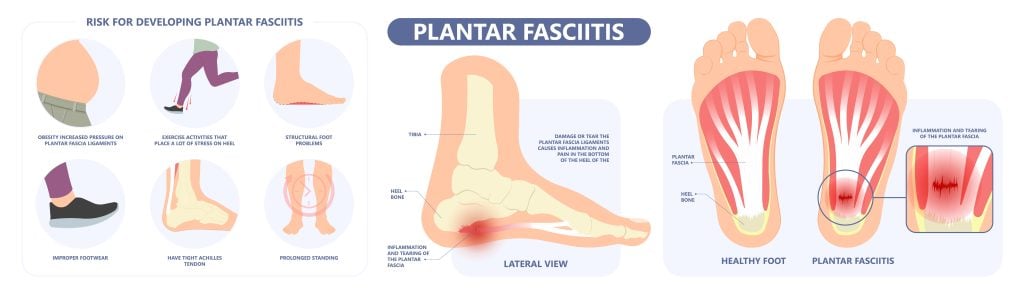
While plantar fasciitis can be debilitating, finding the right footwear can be liberating. In this blog, you’ll discover that 2024’s top shoes for this condition offer a perfect blend of podiatric support and contemporary aesthetics.

These options prioritize essential features like robust arch reinforcement, deep heel cups, and metatarsal padding while also incorporating fashionable designs.

From orthopedic sneakers to ergonomic sandals, each shoe type addresses specific biomechanical needs associated with plantar fasciitis.

As you explore these choices, you’ll find solutions that not only alleviate pain but also complement your personal style. The key to managing your condition lies in understanding how these innovative designs can transform your daily foot health.

Key Takeaways

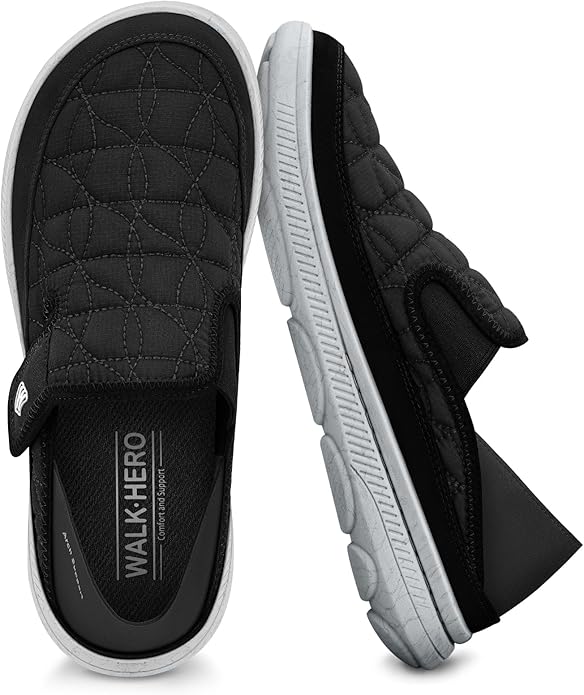
Men experiencing plantar fasciitis can discover relief with specially crafted slippers that integrate orthopedic elements, such as strong arch support and a contoured heel cup

These slippers, tailored for plantar fasciitis management, offer a slip-on style with a wide toe box and adjustable velcro strap for a personalized fit.

The orthopedic insole provides unmatched arch support, essential for easing heel pain and reducing strain on the plantar fascia.

The slippers’ structure includes durable, breathable materials suitable for both indoor and outdoor use. The ethylene vinyl acetate sole guarantees stability and traction, while the nylon upper encourages airflow. 

These features make them adaptable for various foot conditions, including flat feet, plantar fasciitis, Achilles tendonitis, and arthritis.

Users report enhanced comfort, with the elastic backing facilitating easy foot insertion and the overall design preventing internal sliding, improving gait stability, and reducing tripping risks.

712YwVg26AL. AC SY695
WALK·HERO orthopedic shoes for men adopt a wide toe design, which is more in line with the natural arrangement of human toes, increases the contact area between toes and shoes, and provides sufficient space for toes to move.

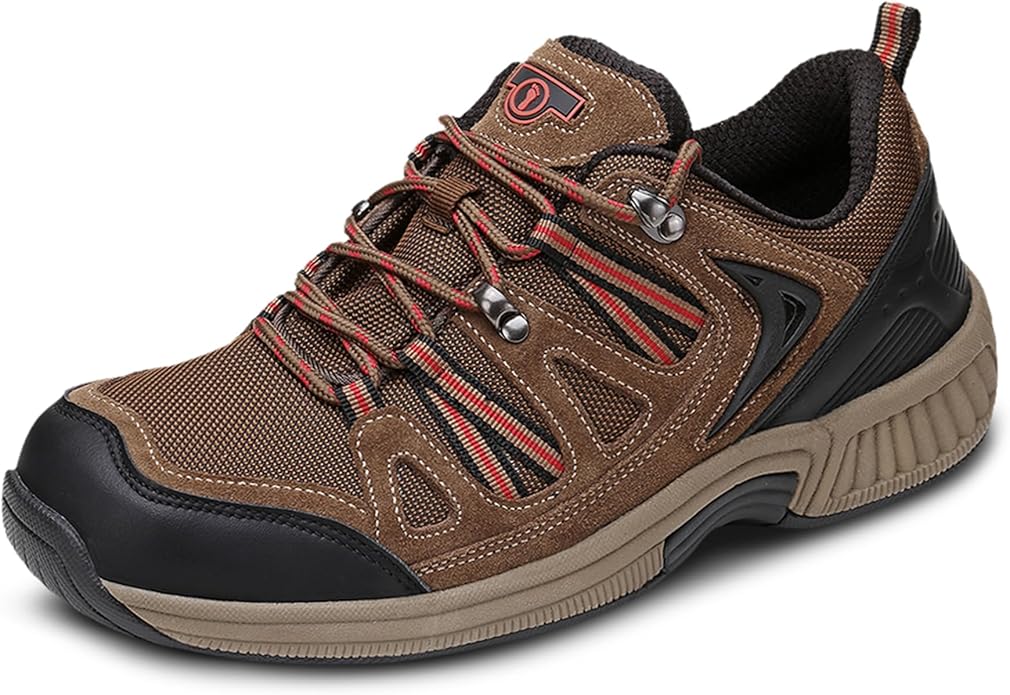
Designed for individuals with plantar fasciitis, the Orthofeet Men’s Orthopedic Leather Sorrento Outdoor Sneakers offer superior arch support and heel cushioning to alleviate foot pain and enhance mobility during outdoor activities.

These orthopedic sneakers feature a roomy toe box that promotes natural toe alignment and an adjustable lacing system for a secure fit. The breathable mesh construction and lightweight design facilitate extended wear, while the durable outsole provides excellent traction for stability during various physical activities.

Users report significant pain reduction and improved comfort when wearing these sneakers, particularly those with plantar fasciitis. The innovative plantar fasciitis technology incorporated into the shoe’s design effectively distributes pressure across the foot, reducing strain on the plantar fascia.

While some users experienced sizing discrepancies, the majority found the Orthofeet Sorrento Outdoor Sneakers to be a reliable solution for managing foot pain and enhancing overall foot health.

71p17hpGNHL. AC SY695
Men's orthopedic outdoor sneakers provide anatomic arch support to relieve foot and heel pain, making them ideal for sensitive feet and individuals with mobility issues who enjoy an active lifestyle.

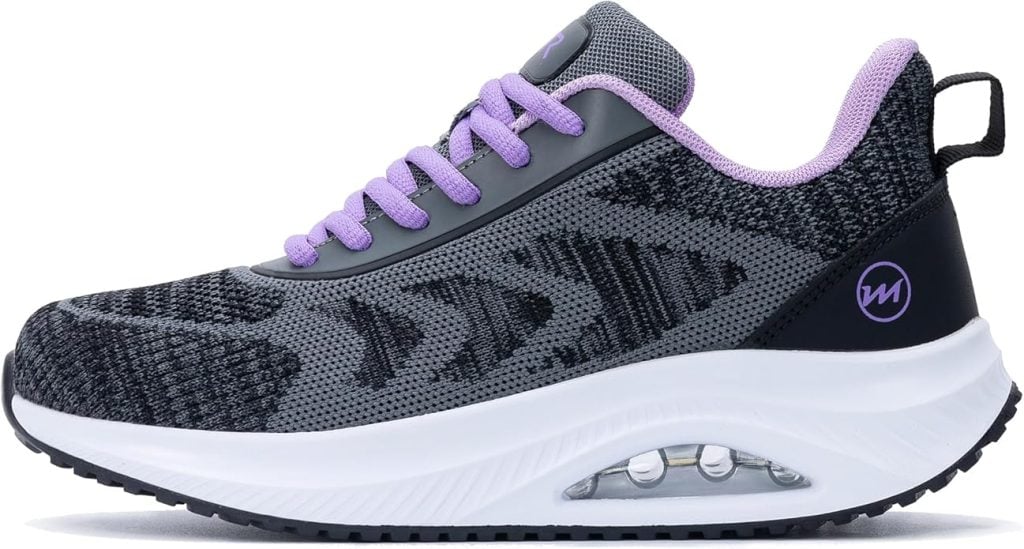
Women experiencing plantar fasciitis who prioritize comfort and arch support will find MAFEKE’s Walking Shoes a suitable option, featuring a wider toe box and supportive midsole designed to alleviate foot pain. These shoes offer a balance of softness and structure, providing ample cushioning without compromising stability.

The arch support, essential for plantar fasciitis management, receives positive feedback from many users, particularly those with neuropathy. The shoes’ fit is generally true to size, accommodating various foot shapes. However, some users may require additional inserts for personalized arch support.

While the grey and pink color combination appeals to many, the primary focus remains on functionality. Overall, MAFEKE’s Walking Shoes present a viable option for women seeking relief from plantar fasciitis symptoms, combining comfort with a supportive design.

71yOWZC1e1L. AC SY695
MAFEKE Women's Walking Shoes Adopt Arch Support Design To Adapt To The Shape Of Most People's Feet, Avoid Excessive Fatigue During Long Distance Walking Or Long Time Standing, And Reduce The Pain Of Feet And Heels.

It’s crucial to mention that for those dealing with plantar fasciitis and looking for a blend of comfort and support, OrthoComfoot’s Orthopedic Slip-On Shoes offer a medically focused solution with customizable arch support and pain-relieving features. The orthopedic design of these shoes alleviates foot, heel, and back pain. The dual-insert system allows for tailored arch support, catering to individual foot structures. The slip-on style enables simple putting on and taking off, especially beneficial for those with limited mobility.

While many users report significant pain relief and enhanced comfort during long periods of standing or walking, it’s vital to mention that some individuals may experience discomfort due to the high arch support. 

Despite this potential drawback, the OrthoComfoot shoes remain a recommended choice for plantar fasciitis sufferers seeking therapeutic footwear for daily use.

61+YmwGukvL. AC SY575
The orthotic insole offers strong arch support made of hard TPU and cushioning layer with PU memory foam base - works wonders to enhance comfort and ease pain on the foot and heel. Latex metatarsal pad support help relieve foot pressure and fatigue.

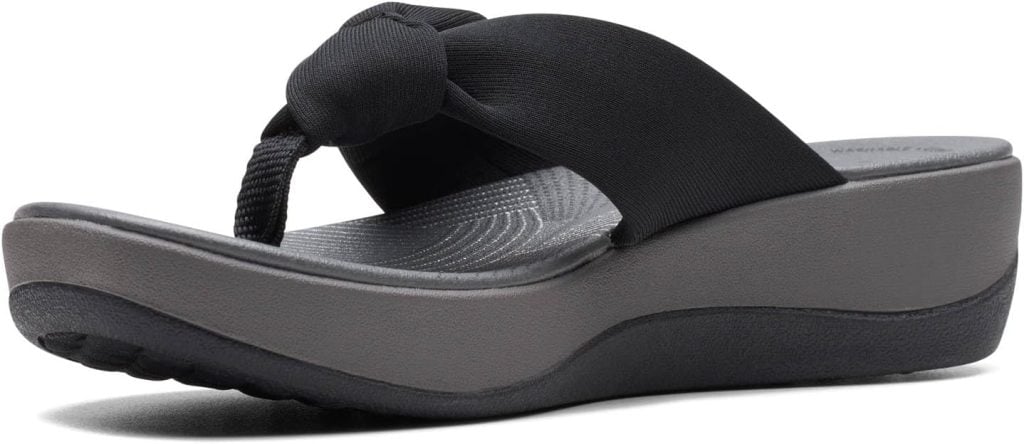
Patients suffering from plantar fasciitis and seeking a balance of comfort and support will find the Clarks Women’s Arla Glison an excellent choice, with its moderate arch support and cushioned Cloudstepper sole. These shoes offer stability and relief for those with foot pain, including plantar fasciitis and general foot discomfort.

The Arla Glison’s design incorporates a thicker padded sole, providing enhanced shock absorption and reducing stress on the plantar fascia. While not overly padded, the shoe’s construction guarantees adequate comfort for extended wear. The true-to-size fit accommodates most foot shapes, though individuals with narrower feet may experience some looseness in the straps.

This sandal’s versatility in style and color options allows for both casual and semi-formal wear. Users report significant pain relief and improved mobility, making the Clarks Women’s Arla Glison a viable option for managing plantar fasciitis symptoms.

6186+RjIsxL. AC SY695
Offering the best of comfort technology, our ever-popular Cloudsteppers toe post flip-flop Arla Glison combines sports-inspired styling with a playful cherry print and classic feminine appeal.

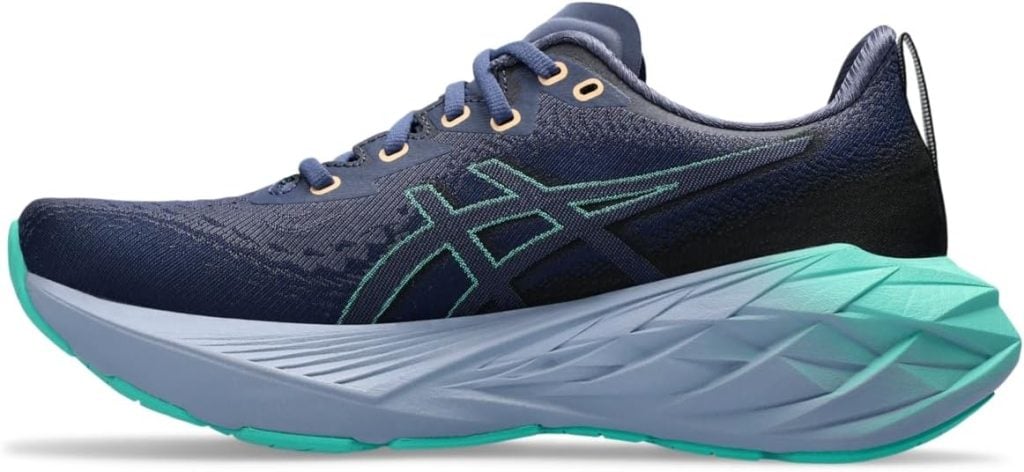
Runners seeking peak comfort and support for plantar fasciitis will find the ASICS Women’s NOVABLAST 4 Running Shoe to be an exceptional choice, thanks to its FF BLAST PLUS ECO cushioning midsole and responsive AHAR outsole. The engineered polyester mesh upper and removable OrthoLite insole provide breathability and customizable support. With an 8mm heel-to-toe drop, these shoes accommodate various foot strike patterns and terrains.

Users consistently praise the Novablast 4’s superior comfort and support, noting reduced pain during long runs and high-impact exercises. The shoe’s design incorporates tongue-wing construction for enhanced fit, essential for maintaining proper foot alignment.

Compared to other popular brands, the Novablast 4 stands out for its ability to provide lasting comfort and support, even during marathon-length runs. This makes it an ideal option for individuals managing plantar fasciitis while pursuing their running goals.

61m+XwqMs2L. AC SY575
Engineered woven upper: Offers advanced stretch, ventilation, and durability. Tongue wing construction: Added stretch helps improve the fit while reducing tongue movement. Gusseted tongue wing fit system: Improves the midfoot fit and reduces tongue sliding.

It’s crucial to recognize that individuals with plantar fasciitis seeking long-term relief can benefit from Aetrex Men’s Memory Foam Orthotics. These orthotics offer superior shock absorption and arch support through their specialized memory foam technology. The insoles alleviate foot fatigue and reduce back pain associated with prolonged standing or walking on hard surfaces. The orthotic’s effectiveness is particularly notable for those who work on cement floors or wear heavy boots.

While the insoles provide significant comfort and support, it’s worth mentioning their limitations. They may be too thick for some sneakers, potentially causing tightness. 

Despite the higher price point, many users report substantial improvements in foot and back discomfort, making these insoles a valuable investment for those suffering from plantar fasciitis or seeking enhanced foot support in their footwear.

61dXEkm fxL. AC SY575
The orthotic shoe insoles men are crafted with lQl50 memory foam for superior cushioning. These memory foam insoles are designed to provide extraordinary comfort and support for those who are experiencing pain or discomfort.

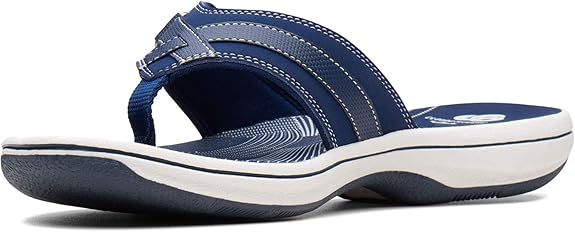
Those searching for a versatile sandal that combines comfort and style for plantar fasciitis relief will find the Clarks Women’s Breeze Sea an excellent choice. The soft yet supportive footbed provides essential arch support, necessary for alleviating plantar fasciitis pain. The adjustable strap guarantees a customizable fit, accommodating various foot widths and potential swelling associated with the condition.

The sandal’s durability is remarkable, enduring prolonged wear and exposure to elements like sand and saltwater. Its robust construction and exceptional quality make it suitable for extended periods of use, a significant factor for individuals managing plantar fasciitis symptoms.

The Breeze Sea’s design allows for easy cleaning, ensuring hygiene for compromised feet. While it fits true to size, those with wider feet may benefit from sizing up half a size to ensure ideal comfort and support throughout the day.

61JNjRzUciL. AC SX575
An EVA midsole and a soft EVA footbed allow this classic flip-flop to be incredibly lightweight and comfortably supportive. A subtle closure on its strap makes for a secure, adjustable fit while providing extra visual interest. Perfect for every beach on your summer getaway list.

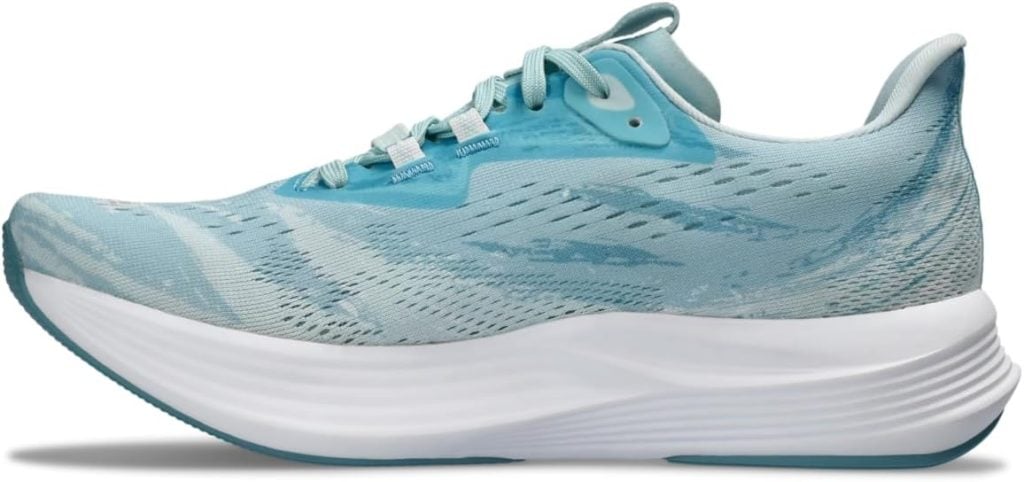
Plantar fasciitis sufferers seeking a visually striking shoe with ample cushioning will find the ASICS Women’s Noosa TRI 15 an ideal choice. The shoe features full-length FF BLAST cushioning for lightweight impact absorption and a smooth ride. The engineered mesh upper provides breathability, essential for maintaining foot health.

The Noosa TRI 15’s true-to-size fit and ample toe box allow for natural foot movement, reducing stress on the plantar fascia. Its heel cup design minimizes slippage, ensuring proper foot alignment and reducing strain on the affected area. The soft cushioning and absence of pinching or squeezing make it suitable for extended wear, benefiting those who require prolonged standing or running.

While long-term durability remains to be seen, the immediate comfort and support offered by these shoes make them a promising option for individuals managing plantar fasciitis symptoms.

61QlFZf1VPL. AC SY575
FF BLAST cushioning: Provides lightweight impact absorption and a responsive rebound. GUIDESOLE technology: Helps conserve energy by reducing ankle flexion. Engineered mesh upper: Improves breathability. AHARPLUS outsole: Helps to improve durability.

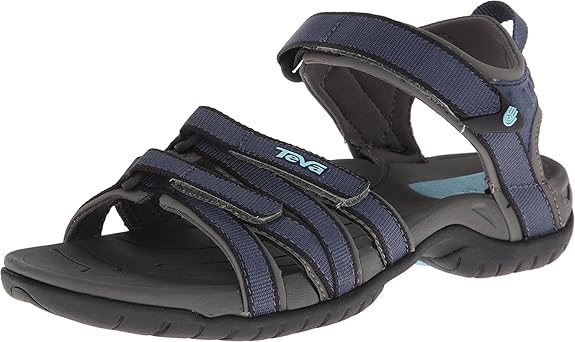
Adventurers seeking a long-lasting, supportive sandal for plantar fasciitis will find the Teva Women’s Tirra Sandal an excellent choice, featuring quick-dry materials, a foam-cushioned footbed, and robust arch support.

The sandal’s three adjustable straps ensure a secure fit, essential for maintaining proper foot alignment. Its patterned rubber outsole provides superior traction on various terrains, reducing stress on the plantar fascia.

The Tirra’s spongy footbed and arch support make it suitable for individuals with flat feet or high arches, offering relief from plantar fasciitis symptoms. The sandal’s design promotes proper weight distribution, reducing pressure on the heel and forefoot.

While pricier than some alternatives, the Tirra’s durability and comfort make it a cost-effective option for long-term use. Its water-resistant properties and easy-to-clean design make it ideal for both daily wear and outdoor activities.

81vY8Mi5fFL. AC SX575
Quick-dry webbing made from recycled plastic using traceable, verifiable REPREVE polyester yarn by Unifi supports your foot and stands up to abuse. Easy hook-and-loop closure comes on and off quickly and gets the fit just right. A cushioned Shoc Pad in the heel absorbs impact where you need it most.

Factors to Consider When Choosing Shoes for Plantar Fasciitis

When selecting footwear for plantar fasciitis management, you’ll need to evaluate several critical factors. Consider:

In Closing...

You’ve now stepped into a world where your feet can find their perfect match. Like a key fitting snugly into a lock, these shoes offer tailored support for plantar fasciitis.

They’re your feet’s best allies, the best shoes for plantar fasciitis combining orthopedic features with stylish designs. Remember, the right shoe can be a game-changer for your plantar fascia.

Don’t let foot pain hold you back—stride confidently into 2024 with these podiatric marvels.

If you want the right professional advice on how to treat your heel pain, we currently have a limited offer running to help you out. For just $79 (usually valued at $189), book in online for our Complete Heel Pain Assessment & Treatment Consultation will get:

  • Complete In-Depth Heel Pain Examination
  • Review of Footwear & Personal Habit Diagnosis
  • Treadmill Walking Gait Analysis & Video Assessment
  • Complete Foot & Ankle Structural Diagnosis
  • Effective Heel Pain Treatment Plan To Get You Walking Pain Free
  • Peace of Mind You Know What Is Causing Your Heel Pain & How To Fix It
Check out our heel pain eBook below for further details on this special offer as well as other tips and techniques you can try at home to manage your plantar fasciitis and heel pain.

Heel Pain & Plantar Fasciitis

Understand what causes your heel pain and what you can do to get rid of it once and for all. Find out what treatments can get you back to walking pain free so you can enjoy living an active life again!

plantar fasciitis treatments best arch support insoles for plantar fasciitis

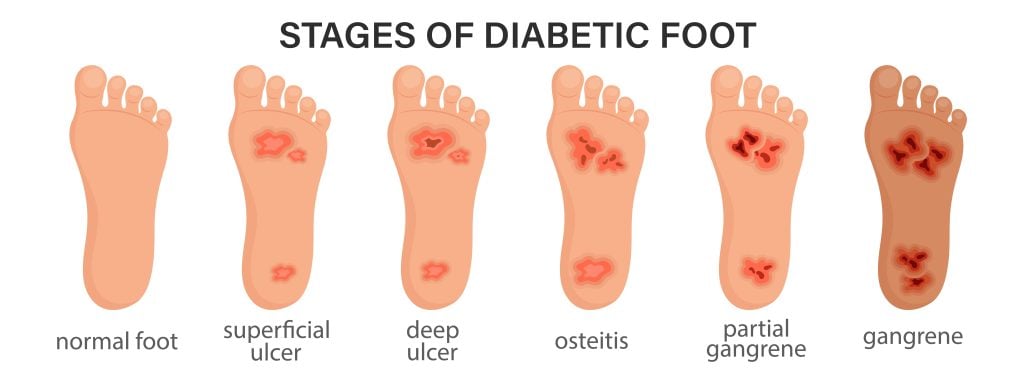
What Are The Five Stages of a Diabetic Foot Ulcer? When Should I Seek Professional Help?

While your feet may seem like the most grounded part of your body, they’re surprisingly vulnerable to the potential complications of diabetes, and the resulting ulcers can be devastating if left unchecked.

As someone living with diabetes, you’re likely no stranger to the importance of foot care, but understanding the five stages of diabetic foot ulcers is vital for effective management.

From the initial warning signs of an at-risk foot to the potentially catastrophic consequences of gangrene and amputation, recognising the progression of these ulcers is key to preventing long-term damage, and it all starts with knowing when to seek help.

diabetes diabetic foot
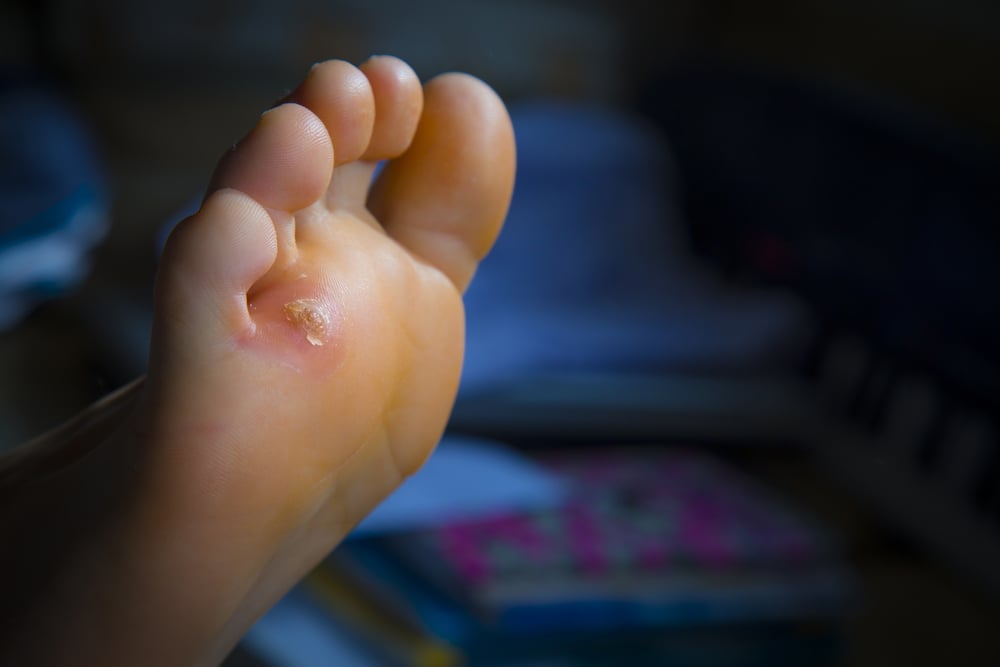
Blisters on diabetic feet are a serious complication, even if painless, as they can go unnoticed and become infected, leading to ulcers, gangrene, or even amputation.

The Five Stages of a Dibetic Foot Ulcer

Stage 1: At-Risk Foot

In Stage 1, your foot is considered at-risk due to underlying factors such as nerve damage or reduced blood flow, which increase its vulnerability to developing ulcers, even if no visible signs of ulcers or infections are present. This stage is pivotal in the development of a diabetic foot ulcer, and it’s essential that you take preventive measures to avoid progression.

You may not experience any pain or discomfort, which is why regular foot exams are crucial for early identification.

As someone with an at-risk foot, you’re more likely to develop ulcers due to nerve damage or reduced blood flow. This highlights the importance of maintaining excellent blood sugar control and wearing appropriate footwear to prevent ulcers.

Early detection and intervention can markedly reduce the risk of complications. By taking proactive steps, you can prevent the development of a more severe ulcer.

Don’t underestimate the value of preventive measures at this stage. By controlling your foot health, you can enjoy the freedom to live an active life without the burden of a diabetic foot ulcer.

Stage 2: Foot Ulcer Formation

At a pivotal juncture in the progression of a diabetic foot ulcer, Stage 2 marks the actual formation of an open wound on your foot, typically resulting from compromised blood flow or nerve damage in the affected area.

This stage signifies a turning point in the disease’s progression, and prompt action is necessary to prevent further complications. If you have diabetes mellitus, it’s crucial to inspect your feet regularly for signs of trouble, such as blisters, cuts, or discoloration.

During Stage 2, you may notice a breakdown in tissue, leading to the formation of a foot ulcer. Pressure, trauma, or neuropathy can cause this. Seeking professional help from a podiatrist is vital at this stage. They can provide diabetic foot ulcer treatment, including wound care and management, to promote healing and prevent the ulcer from progressing to more severe stages.

Stage 3: Ulcer Infection

Stage 3 of a diabetic foot ulcer typically marks a pivotal turning point, where the ulcerated area becomes infected, significantly increasing the risk of complications if left untreated or poorly managed.

At this stage, you’ll likely notice signs of infection, such as redness, warmth, and swelling around the ulcer. It’s vital to seek medical attention promptly to prevent the infection from spreading further and causing more severe issues.

If you’ve reached Stage 3, your healthcare provider may prescribe antibiotics to treat the infection and prevent it from worsening. Take the full course of antibiotics as prescribed to ensure complete clearance of the infection.

Without proper treatment at Stage 3, the ulcer can progress to more advanced stages, potentially leading to serious consequences like tissue damage or amputation. Don’t hesitate to seek professional help if you notice any signs of infection or if your ulcer isn’t healing.

Early intervention can make a significant difference in preventing long-term damage and preserving your mobility and independence. Take action now to reduce your risk of complications and promote healing.

Stage 4: Foot Gangrene

When your diabetic foot ulcer progresses to the point where blood flow is severely compromised, you’re at risk of developing foot gangrene, a severe complication characterised by the death of tissue in the affected area. Foot gangrene is a serious condition that necessitates immediate medical attention to prevent further tissue damage and potential amputation.

As gangrene develops, you may notice blackened, dry, and shrivelled skin in the affected area. This is a sign that the tissue has died due to a lack of blood flow. If left untreated, gangrene can spread quickly, leading to severe consequences.

Here are three key things to know about foot gangrene:

  1. Gangrene can happen quickly. It can develop in a matter of days, so it’s crucial to monitor your foot ulcer closely for any signs of trouble.
  2. Gangrene requires immediate medical attention. If you suspect you have gangrene, seek help right away to prevent further tissue damage.
  3. Treatment may involve surgery: Your doctor may need to surgically remove dead tissue to prevent the spread of gangrene and promote healing.
Stage 5: Amputation and Recovery

Severe diabetic foot ulcers often culminate in Stage 5, where the risk of amputation becomes a harsh reality, calling for immediate medical intervention to prevent further complications and promote recovery. Infected with gangrene, amputation may be the only way to stop the spread of infection and save your life. You’ll require careful evaluation and treatment by a multidisciplinary team of healthcare professionals to determine the best course of action.

If amputation is necessary, your recovery will involve rehabilitation, prosthetic fitting, and lifestyle adjustments to regain mobility and independence. You’ll need ongoing medical support, physical therapy, and emotional counselling to cope with the emotional and physical challenges of amputation. It’s crucial to collaborate closely with your healthcare team to guarantee proper wound care and prevent complications.

With the right treatment and support, you can adapt to your new circumstances and maintain a satisfactory quality of life.

When to Seek Professional Help For Your Diabetic Foot

If you have diabetes and develop a foot ulcer, it’s essential to seek medical attention promptly to prevent complications and promote proper healing. Delaying treatment can lead to infections, amputations, and even life-threatening complications.

You should be vigilant about monitoring your condition and seek professional help when necessary.

Here are the key signs that indicate when to seek help:

Diabetes assessment rosanna ivanhoe podiatry Diabetic Foot
Doppler ultrasound is a noninvasive test that can be used to measure the blood flow through your blood vessels. It is a valuable tool for accurately assessning potential foot health issues, particularly for the diabetic foot.

Frequently Asked Diabetic Foot Questions...

Diabetic Foot Conclusion...

You’ve navigated the five stages of diabetic foot ulcer progression, from an at-risk foot to the potential need for amputation and recovery.

Think of your foot health as a ship sailing through treacherous waters—prompt attention to early warning signs can prevent catastrophic damage. Regular inspections and swift consultation with podiatrists are your anchors, holding you secure against the tide of complications.

Seek assistance whenever necessary to prevent becoming overwhelmed.

Know your risk – a short 30 minute consult could save your feet.  

Book in today to see one of our experienced Podiatrists, call us on (03) 9457 2336 or book online for a GAP FREE Diabetes Foot Health Assessment (or just $69 if no extras cover).

Diabetic Foot

Understand what diabetes means for your feet and make sure you know the steps to protect your foot health long term. Learn how to avoid unnecessary foot health complications to keep your feet and toes healthy for life.

foot conditions
Picture of Bellevue Podiatry

Bellevue Podiatry

Bellevue Podiatry has been serving the people of Rosanna and its surrounding suburbs for over 10 years. We have the qualifications, experience and education to effectively treat any lower limb condition or injury that requires expert podiatry care.

Diabetic Feet Care Article References:

Foot Corn Treatment: How Does a Podiatrist Remove Corns (and Calluses)?

When you visit a podiatrist for corn removal, the process begins with a thorough diagnosis and assessment to understand the root cause. They’ll use precise trimming and debridement techniques to remove the thickened skin, employing specialised tools designed for effective elimination.

This method not only provides immediate relief but also tackles the underlying issues to prevent recurrence. 

Do you want to know more about how footwear and orthotics play a role in this treatment, or when you should seek professional help for corns? Let’s explore this and more further in our latest blog.

Corn Diagnosis and Assessment

When diagnosing corns, podiatrists depend on visual inspection and a detailed patient history to ensure accurate identification and effective treatment.

During a foot corn diagnosis, your podiatrist will closely examine the affected area to identify the type of corn and its specific location. This visual inspection is essential, as it helps differentiate corns from other similar foot conditions like calluses or warts.

person clinic
Removing a foot corn, and making sure it stays gone, starts with an accurate diagnosis of the root cause. If you don't resolve the reason you got the foot corn once & for all, it will return soon after your podiatrist removes it.

In addition to visual cues, your podiatrist will conduct a thorough assessment by discussing your medical history and daily activities. This conversation helps to understand the underlying causes of corn formation, such as abnormal foot mechanics, poorly fitting shoes, or repetitive pressure on certain areas of your feet. By evaluating these factors, your podiatrist can determine the most effective approach for corn removal.

An in-depth podiatrist evaluation not only targets the immediate issue but also aims to prevent future problems. Proper diagnosis and assessment are vital steps in ensuring that the treatment plan addresses the root cause of the disease.

This patient-focused approach guarantees that you’ll receive a tailored treatment, minimising discomfort and promoting long-term foot health. Your freedom from foot pain starts with this precise and thorough diagnostic process.

Podiatrist Corn (and Callus) Trimming and Debridement

Podiatrists use precise trimming and debridement techniques to effectively eliminate corns, providing immediate relief and promoting long-term foot health. 

During this foot corn treatment, your podiatrist will use specialised tools to trim the thickened layers of dead skin and remove the central core of the corn.

This meticulous process is carried out in a controlled environment, ensuring that there’s no injury to the surrounding healthy skin and promoting proper healing

You’ll experience significant pain relief almost instantly, as the pressure and discomfort caused by the corn are alleviated.

The expertise of a podiatrist ensures that this trimming and debridement are performed safely and effectively, without causing further damage. 

Regular visits for these procedures can help prevent the recurrence of corns, preserving your foot health in the long run.

corn corns treatment feet mayo clinic
Although they can appear together and look similar in some cases, corns and calluses are different from each other and both require their distinct evidence-based treatment techniques.

Footwear, Orthotics, and Padding Foot Corns Treatment Options

Proper shoes, orthotics, and padding play an important role in preventing and managing foot corns by reducing pressure and friction on sensitive areas:

  • Shoes

    Choosing the right footwear is vital; you should opt for well-fitted, supportive shoes that avoid tightness and excessive rubbing, which can lead to corn formation.

  • Orthotics

    Orthotics, custom-made by your podiatrist, help in redistributing pressure across your feet, providing support and cushioning where you need it most. This not only helps to eliminate corns on feet but also prevents their recurrence.

  • Padding

    Padding, such as gel inserts or felt padding, can be strategically placed to protect sensitive areas from friction and pressure. This approach is particularly effective as part of corns on feet treatment, offering immediate relief and promoting healing.

Furthermore, these measures can also address how to get rid of calluses on feet, targeting both corns and callus disease by focusing on the root cause—excessive pressure and friction.

When combined, proper footwear, orthotics, and padding provide a thorough strategy for managing foot health, ensuring you maintain your freedom of movement without the pain and discomfort associated with foot corns.

In Clinic Pain Free Surgical Removal

In addition to orthotics and padding, non-invasive surgical removal offers a targeted approach to eliminating corns and providing immediate relief for the most severe of cases of foot corns.

This method is particularly beneficial for those seeking quick and lasting relief from the most severe pain. This technique is used only in extreme cases, which is rare and almost never required.

If required, you’ll be relieved to know that local anaesthesia can be used during the procedure to remove any discomfort. Here’s what you can expect during the non-invasive surgical removal:

This technique is safe, effective, and allows you to resume your daily activities quickly. By opting for non-invasive surgical removal, you’re choosing a method that not only alleviates pain but also promotes long-term foot health for those rare cases of severe foot corns that some people need to consider.

When to Seek Professional Treatment For Your Foot Corns (Persistent Pain, Diabetes, etc)

If you’re experiencing persistent pain, discomfort, or difficulty walking due to corns, it’s important to seek professional help from a podiatrist.

Ignoring these symptoms can lead to worsening pain and potential complications. A podiatrist can safely and effectively remove corns using specialised tools and techniques that minimise the risk of infection and scarring.

Professional treatment is essential, especially if you have diabetes, poor circulation, or compromised immune systems, as these conditions can increase the risk of serious foot complications.

Self-treatment methods, such as cutting or shaving the corn yourself, can lead to injuries and ineffective results. A podiatrist not only removes the corn but also addresses the underlying causes, such as ill-fitting footwear or abnormal foot mechanics, to prevent recurrence.

skin calluses
A podiatrist has the training, tools and years of experience to adeptly remove your corns without causing you pain.

Summing It All Up...

To sum up, podiatrists’ proficiency in eliminating corns ensures not only pain relief but also long-term foot health. Did you know that over 80% of patients report a substantial pain after a professional corn removal?

By tackling the underlying factors and utilising specialised methods, podiatrists reduce the chances of recurrence and offer continuous assistance.

Don’t delay until the pain worsens; seeking professional assistance early can significantly impact your foot health journey.

Do your corns make it difficult to wear shoes and enjoy walking?  Don’t put up with it any longer, take control today by booking an appointment online or call us today on (03) 9457 2336 to see one of our podiatrists and get rid of your corns and calluses once and for all.

Picture of Bellevue Podiatry Treatment Clinic

Bellevue Podiatry Treatment Clinic

Bellevue Podiatry has been serving the people of Rosanna and its surrounding suburbs for over 10 years. We have the qualifications, experience and education to effectively treat any lower limb condition or injury that requires expert podiatry care.

Article References

Is Foot Corn Removal Painful? Non-Invasive & Lasting Treatments

You might wonder if removing corns is painful, but rest assured, podiatrists employ methods that are typically non-invasive and painless. The Australian Podiatry Association’s evidenced-based guidance is clear – painless debridement techniques can eliminate corns without causing discomfort.

These approaches not only provide immediate corn relief for your feet but also focus on preventing future issues by addressing the root causes, like abnormal pressure points and poorly fitting shoes.

Curious about how these podiatrist secure lasting results and enhanced walking comfort? Let’s explore how podiatrists tailor their corn care plans to prioritise your overall foot health and mobility.

Understanding Foot Corns

Foot corns, which typically develop from repeated pressure and friction, are thickened areas of dead skin that can cause significant discomfort. These corns form as a protective response to constant pressure and friction, typically on weight-bearing areas of your feet, pressing on nerves and underlying tissues. Corns on the feet can be painful and interfere with daily activities, especially if they’re located on pressure points or between toes.

Understanding corns is vital for effective care. Corns are distinct from calluses on feet, as they form a rigid core surrounded by inflamed skin. Soft corns, usually found between toes, appear whiter and softer due to moisture on your feet being in shoes all day. Addressing these corn issues promptly is essential to avoid further complications.

We always recommend consulting a podiatrist for effective corn removal on your feet. We podiatrists specialise in diagnosing and treating foot conditions, including corns. We can provide evidence-based corn treatments tailored to your needs. 

A podiatrist’s proper removal of corns not only provides immediate relief but also prevents recurrence. This approach allows you to enjoy greater freedom of movement without the persistent discomfort of corns and skin irritation.

corn corns treatment feet mayo clinic
Although they can appear together and look similar in some cases, corns and calluses are different from each other and both require their distinct evidence-based treatment techniques.

Non-Invasive Foot Corn Removal

For non-invasive corn removal, consulting with a podiatrist can provide immediate relief and long-lasting results without the need for surgery:

By opting for a non-invasive method, you can experience improved mobility and comfort, ultimately leading to a healthier, more active lifestyle and feet.

Lasting Foot Corn Removal Techniques & Benefits

Podiatrists frequently employ long-term corn removal techniques for your feet, such as painless debridement and biomechanical assessments, to ensure thorough and enduring relief from corns:

Specialised Tools

During debridement, specialised tools remove the corn’s core, offering immediate and significant relief. This method is not only efficient but also completely eliminates the corn, thereby reducing the likelihood of recurrence.

Biomechanical Assessment

Biomechanical assessments are another critical component. These evaluations help identify abnormal pressure points on your feet, which are often the root cause of corns. Because podiatrists understand your foot mechanics, they can recommend orthotic therapy tailored to your specific needs.

Footwear Adjustment

Footwear adjustments or Custom orthotics redistribute pressure across your foot, preventing future corn formation and ensuring long-term comfort.

Professional corn removal for your feet can make a noticeable difference in your walking comfort. With the corn effectively removed and pressure points offloaded, you’ll experience a significant reduction in pain and an improvement in mobility.

This thorough approach not only addresses the immediate foot issue but also focuses on preventing future problems, aligning perfectly with your desire for freedom from recurrent foot pain.

The Advantages of Professional Foot Corn Treatment

Professional corn removal offers a painless solution that delivers immediate relief and long-term benefits, ensuring you walk comfortably and confidently.

When you opt for professional care, a podiatrist uses specialised tools to safely and effectively remove corns from your feet without causing pain. This approach not only addresses the immediate discomfort but also targets the underlying cause, providing a more lasting solution.

Seeking professional treatment means you benefit from expert care that reduces the likelihood of recurrence. Unlike over-the-counter remedies, which may temporarily alleviate symptoms, a podiatrist’s intervention is designed for durability and efficacy.

Here are four key benefits of professional treatment:

  • Immediate Relief

    Professional removal offers swift alleviation of pain and discomfort, allowing you to resume daily activities without hindrance.

  • Non-Invasive Procedure

    Professional removal offers swift alleviation of pain and discomfort, allowing you to resume daily activities without hindrance.

  • Long-Term Results

    Professional removal offers swift alleviation of pain and discomfort, allowing you to resume daily activities without hindrance.

  • Expert Care

    Professional removal offers swift alleviation of pain and discomfort, allowing you to resume daily activities without hindrance.

You deserve the freedom to walk pain-free, and professional corn removal can help you achieve just that.

Summing It All Up...

To wrap up, corn removal by podiatrists is a non-invasive and effective solution for long-term foot relief. Did you know that 90% of patients report significant pain reduction post-care?

By opting for professional foot care, you’re addressing not just the symptom but the root cause, ensuring lasting comfort. Podiatrists’ expertise in custom orthotics and biomechanical assessments guarantees a personalised care plan, enhancing your overall foot health and mobility.

Don’t let corns hinder your comfort—seek expert care today.

Do your corns make it difficult to wear shoes and enjoy walking?  Don’t put up with it any longer, take control today by booking an appointment online or call us today on (03) 9457 2336 to see one of our podiatrists and get rid of your corns and calluses once and for all.

Picture of Bellevue Podiatry

Bellevue Podiatry

Bellevue Podiatry has been serving the people of Rosanna and its surrounding suburbs for over 10 years. We have the qualifications, experience and education to effectively treat any lower limb condition or injury that requires expert podiatry care.

Achilles Tendonitis: What You Can Do At Home | Tendon Health

If you’re dealing with the nagging pain of Achilles tendonitis and want to know how to treat it quickly at home, you’re not alone. You might be surprised at how effective simple self-massage techniques and specific relief exercises can be.

By incorporating methods like pinch and pull or circular massages, along with targeted exercises such as eccentric calf raises, you can find significant relief.

But there’s more to take into account, including deep stretching routines and the best exercise tips, to guarantee a speedy recovery.

So, what’s the next step in your home treatment plan (and when might it be time to seek professional help)?  Let’s discuss this and more in our latest blog on Achilles Tendonitis.

Understanding Achilles Tendonitis & Its Common Heel Pain Symptoms

Overuse or improper stretching frequently cause Achilles tendonitis, an inflammation of the Achilles tendon that causes significant pain and discomfort in the back of your leg. Understanding this condition is essential for effective management and recovery.

Achilles tendonitis typically manifests as pain in the Achilles tendon, which can worsen with movement and make it difficult to put weight on the affected foot. You might also notice a swollen Achilles tendon, which can feel tender to the touch.

Achilles tendon pain could mean one of several different issues - it is always a prudent move to seek the guidance of a professional to ensure your treatment is tailored to the issue.

Several factors can contribute to the development of Achilles tendonitis, including flat feet, tight tendons, and arthritis. Overuse of activities such as running or improper stretching before exercise can exacerbate the problem.

Rest is vital for healing, as continued strain can worsen the inflammation and delay recovery. To reduce pain in the Achilles tendon, applying ice can help minimise swelling and provide temporary relief.

Knowing how to heal Achilles tendon pain entails incorporating appropriate home care strategies. Elevate your foot to reduce swelling, avoid weight-bearing activities, and make sure you’re giving your tendon time to recover. Understanding Achilles tendonitis and adopting these measures will empower you to manage your symptoms effectively.

Self-Massage Techniques for Fast Relief

Self-massage techniques can greatly reduce the pain and inflammation associated with tendonitis by loosening tight muscles and improving circulation. To quickly address Achilles pain at home, start by applying massage oil, lotion, or cream to reduce friction. Techniques like the pinch and pull method, upward and downward gliding, and circular massages can effectively target different areas of the Achilles tendon.

Here’s a quick guide to these techniques:

Technique Description
Pinch and Pull
Gently grasp the Achilles tendon between your thumb and fingers, then pull.
Upward Gliding
Use your thumb to slide upward along the tendon, applying moderate pressure.
Downward Gliding
Slide downward along the tendon with your thumb, easing tension.
Circular Massage
Employ circular motions with your fingers around the tendon to improve blood flow.

These methods not only help alleviate Achilles pain but also promote healing by enhancing circulation. For best results, perform each technique for five minutes, two to three times daily. Remember, consistency is key when learning how to heal Achilles tendon pain. Complement your self-massage routine with other home treatments like rest and icing to effectively cure Achilles tendonitis fast.

You can give yourself an Achilles tendon massage to help improve blood flow and recovery time, or even better, having someone else do it!

Effective Tendon Pain & Heel Pain Relief Exercises

Engaging in specific relief exercises at home can significantly speed up your recovery from Achilles tendonitis:

  • Calf Raises

    Start with eccentric calf raises, which involve slowly lowering your heel below the stair step level, promoting tendon healing by increasing collagen production. Perform 15 repetitions twice daily for the best results.

  • Toe Raises

    Incorporate calf muscle activation exercises like toe raises. Stand with your feet shoulder-width apart, slowly rise onto your toes, and then lower back down. This exercise strengthens your calf muscles, providing better support for your Achilles tendon.

  • Seated Heel Drop

    Another effective exercise is the seated heel drop. Sit with your knees bent and your feet flat on the floor. Lift your heels as high as possible, then slowly lower them. This targets the Achilles tendon directly, helping reduce inflammation and pain.

  • Ankle Circles

    Don't forget to practice ankle circles. While seated, extend one leg and rotate your ankle in a circular motion for about 30 seconds in each direction. This enhances flexibility and improves blood flow to the tendon.

Lastly, monitor your progress and adjust the intensity as needed. Consistency and proper technique are key. Utilise online resources for guidance and support to ensure you’re performing these exercises correctly [1, 2, 3, 4, 5].

Deep Stretching Tendon Treatment Routines for Healing

Incorporating deep stretching routines into your daily regimen can greatly alleviate the tightness and discomfort associated with Achilles tendonitis. These stretches focus on elongating the calf muscles and the Achilles tendon, enhancing flexibility, and promoting healing.

Here are three key stretches you can implement:

Calf Wall Stretch

Stand facing a wall with one foot in front of the other. Keep your back leg straight, heel on the ground, and bend your front knee. 

Hold for at least 5 seconds, then switch legs. Repeat five times with a pumping motion to increase flexibility [6].

Please watch this video from Sharp HealthCare for two great calf stretch exercises you can do in the morning.

Stand in front of a step, then place the ball of your affected foot on a step and slowly lower your heel below the level of the step.

Hold this position for 5 seconds and return to the starting position. Repeat five times to target the Achilles tendon [7].

Here is a easy to follow video tutorial from Physiotherapist Aaron Swanson on how to perform this exercise properly.

Stand facing a wall, place your toes against it, and gently lean in until you feel a stretch in your Achilles tendon and calf. Maintain this position for 5 seconds, then relax. Repeat five times with controlled, deep stretches [8].

Here is a great video tutorial from Vertias Health on how to correctly perform this exercise.

Incorporate these deep stretching routines daily to reduce tightness and expedite the healing process of your Achilles tendonitis.

Tips for Optimal Exercises

After mastering deep stretching routines, it’s important to focus on tips for best exercise performance to make sure your Achilles tendon heals effectively and efficiently:

  • Warming Up

    Start by warming up before exercising; this increases blood flow and reduces the risk of injury.

  • Proper Form

    When performing exercises, maintain proper form to specifically target the Achilles tendon. Small deviations in technique can lead to further strain and prolong recovery.

  • Progressive Load

    Gradually increase the intensity and duration of your exercises. Overloading the tendon too quickly can worsen your condition. Balance is key—push yourself, but know your limits.

  • Rest Days

    Rest days are essential; they allow the tendon to recover and adapt to the exercises you're performing. Neglecting rest can lead to overuse injuries, setting back your progress.

  • Hydration & Diet

    Stay hydrated and maintain a balanced diet rich in proteins and essential nutrients to support muscle recovery and overall exercise performance. Proper hydration aids in muscle function and reduces the risk of cramps and stiffness.

  • Listen To Your Body

    Finally, listen to your body—if you experience increased pain or discomfort, it may be a sign to ease up.

Follow these tips to improve your exercise performance and promote faster healing of your Achilles tendon [9, 10, 11, 12, 13, 14, 15].

When to Seek Professional Help

If your Achilles tendonitis symptoms don’t improve after a few weeks of consistent at-home care, it’s important to consult a healthcare professional for further evaluation. Persistent pain and discomfort might indicate the need for a more tailored treatment approach.

Here are three key reasons to seek professional help:

If you experience intense pain or find it difficult to walk, immediate medical attention is vital. 

This could indicate a more serious condition, such as a partial or complete tendon rupture [16].

If your symptoms are getting progressively worse despite your best efforts at home, an experienced Podiatrist can offer advanced interventions.

This may include imaging tests to assess the extent of the injury [17].

When home remedies and exercises fail to bring relief, a physiotherapist can develop a personalised rehabilitation plan.

This might involve modalities like ultrasound therapy, custom orthotics, or even surgery in severe cases [18].

Early intervention and proper medical guidance can prevent long-term complications and expedite your recovery, giving you the freedom to return to your daily activities without pain [19].

Summing It All Up...

To sum it up, you can take the reins of your Achilles tendonitis recovery with self-massage, relief exercises, and deep stretching routines. Optimising exercise performance and being mindful of symptoms will help you recover. 

However, if pain persists or worsens, don’t hesitate to seek professional help. Remember, it’s a marathon, not a sprint—consistency and patience are key to healing effectively and preventing long-term complications.

Self-massage techniques can help alleviate pain and improve blood circulation to the affected area.

Specific relief exercises can strengthen the surrounding muscles and tendons, aiding in recovery.

Deep stretching routines are essential to maintain flexibility and prevent stiffness.

If symptoms continue or worsen, consulting a healthcare professional is advisable to rule out more serious conditions and receive tailored treatment plans.

You don’t need to put up with Achilles Tendonitis any longer.  Our team of experienced Podiatrists have the education and experience to get you moving pain free again.  Take control today by booking in online or call us today on (03) 9457 2336 to get this issue sorted once and for all.

Picture of Bellevue Podiatry Health Care Treatment

Bellevue Podiatry Health Care Treatment

Bellevue Podiatry has been serving the people of Rosanna and its surrounding suburbs for over 10 years. We have the qualifications, experience and education to effectively treat any lower limb condition or injury that requires expert podiatry care.

Heel Pain Achilles Article References

[1] https://www.healthline.com/health/achilles-tendinitis

[2] https://www.mayoclinic.org/diseases-conditions/achilles-tendinitis/diagnosis-treatment/drc-20369025

[3] https://www.oxfordhealth.nhs.uk/podiatry/wp-content/uploads/2013/12/Calf-muscles-stretches.pdf

[4] https://australian.physio/inmotion/strategies-treating-lower-limb

[5] https://www.healthline.com/health/chronic-pain/treating-pain-with-heat-and-cold

[6] https://www.healthline.com/health/achilles-tendon-stretch

[7] https://www.nhsinform.scot/illnesses-and-conditions/muscle-bone-and-joints/leg-and-foot-problems-and-conditions/achilles-tendinopathy/

[8] https://www.ncbi.nlm.nih.gov/pmc/articles/PMC2658946/  

[9] https://www.healthline.com/health/achilles-tendinitis

[10] https://www.mayoclinic.org/diseases-conditions/achilles-tendinitis/diagnosis-treatment/drc-20369025

[11] https://www.oxfordhealth.nhs.uk/podiatry/wp-content/uploads/2013/12/Calf-muscles-stretches.pdf

[12] https://australian.physio/inmotion/strategies-treating-lower-limb

[13] https://www.healthline.com/health/chronic-pain/treating-pain-with-heat-and-cold

[14] https://sma.org.au/wp-content/uploads/2017/08/childrensafetyguidelines-fulldoc.pdf

[15] https://www.ncbi.nlm.nih.gov/pmc/articles/PMC6572041/

[16] https://www.healthline.com/health/achilles-tendinitis

[17] https://www.mayoclinic.org/diseases-conditions/achilles-tendinitis/diagnosis-treatment/drc-20369025

[18] https://www.oxfordhealth.nhs.uk/podiatry/wp-content/uploads/2013/12/Calf-muscles-stretches.pdf

[19] https://australian.physio/inmotion/strategies-treating-lower-limb

Our 10 Best Foot Cream Recommendations to Soothe & Revitalize Your Feet | Skin & Toenail Care

When it comes to maintaining the health and appearance of your feet, choosing the right foot cream can make all the difference. You might be wondering which products actually deliver on their promises to soothe and revitalize dry, cracked skin.

From O’Keeffe’s highly recommended options to Palmer’s Cocoa Butter Formula Foot Magic Cream, each product boasts unique ingredients like urea and tea tree oil, known for their healing properties

If you’re interested to learn how these ingredients work together to transform your feet, then let’s explore these top 10 foot creams and discover which one might be the best fit for your needs.

If you’re dealing with extremely dry, cracked feet, O’Keeffe’s Foot Cream for Dry, Cracked Feet (3.2 Ounce Jar) is a concentrated moisturizer that can heal, relieve, and repair your skin. This cream creates a protective layer on your skin’s surface, instantly boosting moisture levels and preventing further moisture loss.

It’s suitable for sensitive skin, safe for diabetics, unscented, non-greasy, and hypoallergenic. Clinically proven to improve moisture levels, it offers fast relief for dry, cracked feet, with noticeable improvements in just a few days. Users rave about its effectiveness, especially on dry heels, and appreciate its non-greasy formula.

For best results, apply to exfoliated skin at bedtime and after bathing. A little goes a long way!

Best for: Those with extremely dry, cracked feet seeking a concentrated moisturizer that heals, relieves, and repairs skin quickly.

Pros: clinically proven to improve moisture levels and heal dry, cracked feet; non-greasy, hypoallergenic, and suitable for sensitive and diabetic skin. It offers noticeable improvements within a few days of consistent use.

Cons: This product works best when applied to skin that has already been exfoliated. Extremely dry feet may require frequent application. To prevent messiness, some users may need to wear socks after application.

foot cream foot cream foot cream foot cream foot cream foot cream
Heals Cracked and Dry Feet: O’Keeffe’s for Healthy Feet Foot Cream is a concentrated foot cream that heals, relieves and repairs. O'Keeffe's for Healthy Feet cream provides relief.

Dr. Scholls Dry, Cracked Foot Repair Cream (3.5 oz) is ideal for anyone suffering from intensely dry, cracked feet that require deep moisturization and quick healing. With a professional-strength formula containing 25% urea, Epsom salt, and essential oils, it effectively softens and heals your skin.

This cream restores natural moisture balance and provides 24-hour hydration, making it safe for diabetics. It also exfoliates tough skin, soothes irritated, rough areas, and keeps feet smooth and soft. Users praise its effectiveness, despite mixed reviews of the fragrance and packaging.

For best results, apply regularly, especially at bedtime with socks, avoiding the areas between your toes. Overall, it’s a worthwhile investment for revitalising your feet quickly and efficiently.

Best For: Individuals with intensely dry, cracked feet needing deep moisturization and quick healing.

Pros: Professional-strength formula with 25% urea, Epsom salt, and essential oils provides 24-hour hydration and restores natural moisture balance. It is safe for diabetics and effectively softens and heals skin.

Cons: – Mixed reviews on the fragrance; – Some users experienced issues with packaging; – May take time to help with callouses

71R1w1FgdPL. AC SX679
For Healthy Feet: Dr. Scholl's Dry, Cracked Foot Repair Ultra-Hydrating Foot Cream is an intensive hydrating foot cream for dry, cracked feet and heels, restoring your skin's natural moisture balance.

For those battling extremely dry, cracked feet, OKeeffe’s Healthy Feet Intense Renewal Cream offers a fast-acting solution with the added benefits of alpha-hydroxy acid and shea butter. This cream repairs your feet with 48 hours of hydration, instantly boosting moisture levels and protecting against moisture loss. Specifically formulated to exfoliate and smooth your skin, it creates a barrier to lock in moisture.

Users love the non-greasy, hypoallergenic formula, and its suitability for sensitive skin. Apply it as needed to rough, dry areas, and you’ll notice immediate softening and healing effects. Many users report softer feet after just one use and praise the product for maintaining moisturized, supple feet over the long term.

Try it and feel the difference!

Best For: Individuals with extremely dry, rough, and cracked feet seeking fast-acting hydration and long-term moisture retention.

Pros: – Provides 48 hours of intense hydration and protection against moisture loss. – Non-greasy, hypoallergenic formula suitable for sensitive skin. – Immediate softening and healing effects with noticeable results after one use.

Cons: – Alpha Hydroxy Acid increases sun sensitivity, requiring caution with sun exposure. – Some users may dislike the fragrance of the cream. – External use only, should be kept out of reach of children.

foot cream foot cream foot cream foot cream foot cream foot cream foot cream
Clinically proven to provide softer feet in 1 use. Repairs extremely dry, rough and cracked feet with 48 hours of hydration provided in 1 use.

New York Biology Tea Tree Oil Foot Cream is ideal for anyone seeking a natural and effective solution for dry, cracked feet and other common foot issues. This 8 oz cream tackles athletes foot, nail fungus, jock itch, ringworm, cracked heels, and itchy skin.

Free from alcohol, parabens, and sulfates, it’s cruelty-free and made in the USA. Key ingredients like Tea Tree Oil, ceramides, hyaluronic acid, radish root extract, Dimeticone, and spearmint oil work together to hydrate, soothe, soften, and repair irritated feet.

Users love its soothing and moisturizing effects, quick absorption, and pleasant scent. Apply it twice daily and consider wearing white socks at night for enhanced results. With consistent use, you’ll notice softer, healthier feet.

Best For: Anyone seeking a natural and effective solution for dry, cracked feet and other common foot issues.

Pros: – Contains natural ingredients like Tea Tree Oil and hyaluronic acid. – Free from alcohol, parabens, and sulfates, making it cruelty-free. – Provides hydration, soothing, and quick absorption with a pleasant scent.

Cons: – Requires twice daily application for best results. – Some users may find the minty scent and tingly sensation strong. – Wearing white socks at night is recommended, which may be inconvenient for some.

foot cream foot cream foot cream foot cream foot cream foot cream foot cream foot cream foot cream foot cream
TEA TREE FOOT CREAM & BODY CREAM – Tea Tree Oil is a potent oil with amazing benefits for dry feet. This foot cream can help hydrate and soothe itchy, irritated feet. Great foot moisturizer for dry cracked feet.

If you’re battling dry, cracked heels, Palmer’s Cocoa Butter Formula Foot Magic Cream is frequently praised for its intense moisturization and healing properties. This cream contains high-quality, plant-based ingredients like Cocoa Butter, Peppermint Oil, and Vitamin E, which work together to soften and hydrate your skin.

Cocoa Butter acts as a rich moisturizer, while Vitamin E provides antioxidant benefits and even-toned skin. Peppermint Oil revitalizes tired feet, giving them a rejuvenating feel.

For best results, soak your feet in warm water, exfoliate with Palmer’s Foot Magic Scrub, and then apply the cream for a soothing massage. Finish with Palmer’s Heel Repair to enhance softness. Regular use promises significant improvements, making it a go-to solution for healthier feet.

Best For: Those with dry, cracked heels seeking intense moisturization and revitalization.

Pros: – Contains high-quality, plant-based ingredients. – Quick absorption without greasy residue. – Affordable luxury with effective healing properties.

Cons: – Mixed reviews on the product scent. – Some find the cream to be greasy. – Requires consistent use for best results.

foot cream foot cream foot cream foot cream foot cream foot cream foot cream foot cream foot cream
Soften and smooth even the roughest and driest skin with Palmer's Cocoa Butter Formula Foot Magic; This intensely moisturizing lotion for dry cracked feet provides a deep penetrating treatment for the feet and heels.

O’Keeffes for Healthy Feet Foot Cream is perfect for anyone looking to heal and revitalize extremely dry, cracked feet with a concentrated moisturizer. This cream creates a protective barrier on your skin’s surface, locking in moisture and keeping your feet hydrated. Most people notice improvements within a few days.

It’s safe for diabetic skin, unscented, non-greasy, and hypoallergenic. Apply it to exfoliated skin at bedtime and after bathing for the best results. Start with a small amount as it’s highly effective. Suitable for daily use, it maintains soft, moisturized feet.

The 3.0-ounce tube comes with a 100% money-back guarantee if you’re not satisfied. Customers praise its fast results and long-lasting moisturizing effects.

Best For: Anyone looking to heal and revitalize extremely dry, cracked feet with a concentrated moisturizer.

Pros: – Creates a protective barrier to lock in moisture. – Safe for diabetic skin, unscented, non-greasy, and hypoallergenic. – Clinically proven to boost moisture levels quickly.

Cons: – Mixed reviews on effectiveness for severe cracks. – Some users found the cream’s thickness less favorable. – Not effective for everyone.

foot cream foot cream foot cream foot cream foot cream foot cream foot cream foot cream foot cream foot cream
Hydrating Foot Treatment: O'Keeffe's for Healthy Feet Foot Cream is a concentrated foot moisturizer that heals, relieves, and repairs extremely dry, cracked feet.

For those struggling with severely dry, cracked skin, Ebanel Urea Cream 40% offers an intensive moisturizing solution packed with powerful ingredients like Shea Butter, Coconut Oil, and Hyaluronic Acid. This dermatologist-tested, cruelty-free cream also includes Jojoba Oil, Vitamin E, and Aloe Vera to repair and soften your skin.

With exfoliating agents like 2% Salicylic Acid and Epsom Salt, it effectively smooths rough, callused feet, hands, knees, and elbows.

Customers rave about its effectiveness and noticeable improvements in skin texture and appearance. However, be cautious if you’re sensitive to coconut oil or have pets, as the urea scent can attract them. For best results, consider pairing it with a glycolic acid-based peel.

Remember, careful application is key to avoiding any sticky residue.

Best For: Those dealing with severely dry, cracked skin on their feet, hands, knees, and elbows.

Pros: – Intensive moisturizing with powerful ingredients like Shea Butter, Coconut Oil, and Hyaluronic Acid. – Effective exfoliation with 40% Urea, 2% Salicylic Acid, and Epsom Salt. – Dermatologist-tested, cruelty-free, and hypoallergenic.

Cons: – Slight medicinal scent and potential sticky residue. – Possible skin reactions for those sensitive to coconut oil. – Mixed reviews regarding performance compared to marketing claims.

foot cream foot cream foot cream foot cream foot cream foot cream foot cream foot cream foot cream foot cream foot cream
Intensive Moisturizing Skin Barrier Repair Cream - This urea 40% cream creates a protective and breathable barrier on skin, helps lock in moisture and regulate hydration levels, and improves the skin's water-binding ability.

If you struggle with thick, cracked, or rough dry skin on your feet, Urea 40% Foot Cream is your go-to solution for deeply moisturizing and softening your skin. Made in an FDA-registered facility in the USA, this dermatologist-tested cream uses premium quality ingredients to treat and nourish dry, cracked heels.

Thousands of Americans trust this effective and gentle formula, which is ideal for calluses and provides relief from pain. For the best results, apply on damp feet and wear socks overnight. The next day, use a callus scrubber for smoother skin.

Podiatrists recommend it, and users report visible improvements and long-lasting effects in just a week. This cream stands out for its consistency, effectiveness, and affordable price.

Best for: People with thick, cracked, or rough dry skin on their feet looking for an effective and gentle moisturizing solution.

Pros: – Made in an FDA-registered facility in the USA; – Provides visible improvements and long-lasting effects in just a week; – Recommended by podiatrists and trusted by thousands of users

Cons: – Requires overnight application with socks for best results; – May have an unpleasant smell that could deter pet interaction; – Price may be higher compared to some other similar products.

foot cream foot cream foot cream foot cream foot cream foot cream foot cream
Dry skin ointment designed to help heal cracked heels and dry feet, delivering visible results in just 1 day

Profoot Heel Rescue Foot Cream, with its rich Argan Oil formula, is perfect for anyone looking to deeply moisturise and repair cracked, calloused, or chapped skin.

This concentrated, antioxidant-rich cream is non-greasy and fragrance-free, ensuring no unpleasant residue. It’s not just for your feet—use it on heels, elbows, knees, and hands too.

Since 1986, Profoot, a family-owned business from Brooklyn, NY, has dedicated itself to foot care. Customers rave about its quick absorption and effectiveness in softening painful calluses and preventing cracked heels.

Apply it morning and night for best results, and consider using it with silicone foot soles at night to lock in moisture. Despite some issues with the pump mechanism, the product’s quality and visible results make it a top choice.

Best For: Individuals seeking to deeply moisturise and repair cracked, calloused, or chapped skin on their feet, heels, elbows, knees, and hands.

Pros: non-greasy, quick-absorbing formula; effective in softening hard calluses and preventing cracked heels fragrance-free and suitable for sensitive skin

Cons: Some users have experienced issues with the pump mechanism; it requires consistent application morning and night for best results; it is limited to external use only.

81lwyPUQh5L. AC SX679 PIbundle 2,TopRight,0,0
MOISTURIZING HEEL CREAM: Made with rich Argan Oil, Heel Rescue is specially formulated to penetrate, moisturize and repair even the toughest cracks and callouses; Great for feet, heels, elbows, knees, and hands.

Summing It All Up...

Taking care of your feet is essential, and these top-rated foot creams make it easy. Each best foot cream product, from O’Keeffe’s to Dr. Scholl’s, contains healing ingredients like urea and shea butter.

Keep in mind, investing in foot care now can yield significant benefits. With consistent use, you’ll enjoy softer, more hydrated skin that feels rejuvenated.

Don’t wait; give your feet the attention they deserve and step forward in comfort!

Picture of Bellevue Podiatry

Bellevue Podiatry

Bellevue Podiatry has been serving the people of Rosanna and its surrounding suburbs for over 10 years. We have the qualifications, experience and education to effectively treat any lower limb condition or injury that requires expert podiatry care.

What Causes Pain on Bottom of Foot Ball? Ball of Foot Pain Podiatry Treatments

You might be surprised to learn that your walking style can sometimes trigger pain in the ball of your foot, also known as metatarsalgia. Beyond ill-fitting shoes or high heels, biomechanical issues like overpronation can exacerbate the discomfort.

Addressing this pain isn’t just about finding the right pair of shoes; it often involves a holistic approach, including custom orthotics and targeted physical therapy.

So, what exactly does this all-encompassing treatment plan entail, and how can you start feeling relief? Let’s explore the intricacies and solutions together in our latest blog.

Common Foot Pain Injuries Causes

Physical Conditions (e.g. Plantar Fasciitis)

Several common causes can lead to pain in the ball of your foot, including metatarsalgia, plantar fasciitis, Morton’s neuroma, sesamoiditis, and stress fractures. Each condition affects your foot differently, but they all result in pain on the bottom of the foot ball.

Metatarsalgia, for example, occurs when excessive pressure or overuse causes inflammation and discomfort in the ball of your foot. 

Athletes who participate in high-impact activities often experience metatarsalgia.

Plantar fasciitis affects the underside of your foot, leading to pain in the ball area and heel. This condition stems from inflammation of the plantar fascia, a thick band of tissue running from your heel to your toes.

Morton’s neuroma involves a thickening of the tissue around the nerves leading to your toes, generating pain and discomfort specifically in the ball of your foot.

This condition can feel like stepping on a pebble.

Understanding these common causes of pain in the ball of foot is vital for seeking appropriate treatment. Consulting with a podiatrist can help you identify the underlying issue and receive tailored treatments to alleviate your discomfort and prevent further complications.

Don’t ignore persistent pain; address it promptly to maintain your foot health.

Ill-Fitting Shoes Causing Foot Pain & Injuries

Wearing ill-fitting shoes often leads to significant pain in the ball of your foot by placing undue pressure on the metatarsal heads. When the bottom of your feet is tender, it’s frequently due to sore feet caused by shoes that are too narrow or tight, which compress the forefoot. This compression can result in pain on the bottom of your foot near your toes, manifesting as metatarsalgia.

High heels are particularly notorious for causing pain under the big toe pad as they shift your body weight forward, exacerbating discomfort in the ball of the foot.

Shoes lacking adequate cushioning or support can also contribute to pain by failing to provide the necessary shock absorption. This deficiency can lead to inflammation and tenderness, making even simple activities painful. Improper sizing, such as shoes that are too small or too narrow, can aggravate this condition, causing pain on the bottom of the foot by limiting space for your toes and metatarsal heads.

Understanding the causes of these sore feet is crucial for selecting appropriate footwear. Opt for shoes with ample room, excellent arch support, and sufficient cushioning to mitigate pain under the big toe pad and other areas on the bottom of your feet. This proactive approach can greatly alleviate discomfort and prevent further complications.

Wearing properly fitted shoes with a wide toe box and low (if any) heels is the ideal choice of footwear to reduce your likelihood of getting an ingrown toenail. An experienced podiatrist can review your footwear and guide you on the best possible choices.
toe shoes part nail
If you're on your feet all day, you must wear a shoe with low heels & a wide toe box to help protect your feet from foot pain.

Overuse Injuries & Foot Pain

Overuse injuries to the ball of the foot often stem from repetitive stress and excessive pressure during high-impact activities like running or jumping. These injuries frequently lead to inflammation, bruising, and discomfort in the metatarsal region. When you engage in repetitive motion or place undue stress on your metatarsals, it can result in microtrauma to the bones, tendons, and ligaments in the ball of your foot.

Symptoms of overuse injuries include aching, burning pain, and tenderness localized in the ball of the foot. You might notice that the discomfort intensifies with activity and improves with rest. Improper foot mechanics, such as overpronation or high arches, can exacerbate these issues by unevenly distributing pressure across the foot.

To manage overuse injuries, it’s important to implement a few key strategies. First, make sure you get adequate rest to allow the affected area to heal.

Supportive footwear that provides proper arch support and cushioning can greatly reduce stress on the metatarsals. Additionally, podiatry treatment, such as custom orthotic inserts, can help correct any biomechanical issues and provide relief.

If symptoms persist, consult a podiatrist for further evaluation and tailored treatment options.

metatarsalgia
Have you recently started feeling pain in the ball of your foot? Fortunately, this is a very common and readily treatable issue.

Podiatry Treatments To Relieve Foot Pain & Pain Relief

You can effectively manage foot pain through various podiatry treatments. Podiatrists might recommend custom orthotic inserts to redistribute pressure.

They may also employ physical therapy techniques to strengthen and stretch the foot. In severe cases, podiatrists may discuss surgical intervention options to address structural issues.

We tailor each treatment plan to your specific diagnosis to ensure maximum relief and long-term foot health:

Custom orthotic inserts, designed specifically by podiatrists, offer a tailored solution to alleviate pain and discomfort in the ball of the foot by redistributing pressure and providing the necessary cushioning. These specialised shoe inserts are essential for treating a variety of foot conditions, including metatarsalgia, which frequently causes pain in the ball of the foot.

We meticulously craft custom orthotics to match your unique foot shape, gait, and specific condition. They improve foot alignment, reduce strain on the metatarsal bones, and improve overall foot function. Podiatrists recommend custom orthotic inserts as part of a detailed treatment plan, ensuring the most effective relief for your symptoms.

Custom orthotic inserts offer several benefits:

While custom orthotic inserts provide targeted support, physical therapy techniques also play an essential role in managing and alleviating foot pain. Stretching exercises are fundamental; they improve flexibility and reduce strain on the plantar fascia and metatarsal region. You could do calf stretches or use a towel to stretch your toes (see top video from PT Sam Visnic), which improves foot mechanics and reduces discomfort.

Strengthening exercises are equally important. They concentrate on your foot’s intrinsic muscles, providing support for the metatarsal bones, and improving overall foot function. Activities like toe curls or marble pickups can be beneficial (see bottom video from Three Lakes PT).

Podiatrists often recommend manual therapy techniques like massage and joint mobilisation. These methods can alleviate pain by enhancing blood flow and relieving tension in the affected area. Additionally, strapping or taping techniques provide much-needed stability by reducing the load on your foot.

Seen as a very rare last resort, several surgical interventions are available to address severe ball of foot pain, targeting the structural abnormalities contributing to the discomfort.

When conservative treatments like orthotics and physical therapy aren’t enough, surgery might be necessary to alleviate your pain – however keep in mind that the vast majority of ball of foot pain issues are solved non-surgically). 

These procedures aim to correct underlying issues that cause persistent discomfort and improve functionality.

Here are some common surgical options your podiatrist might recommend:

In Closing Foot Pain Health Conditions...

Imagine your foot as a complex machine, with each component needing precise calibration. When one part, such as the ball of your foot, goes out of alignment due to ill-fitting shoes, overuse, or conditions like plantar fasciitis, the whole system suffers.

Custom orthotics and physical therapy act like expert mechanics, fine-tuning your foot to restore balance and alleviate pain. With the appropriate treatment, you can resume your smooth walking, akin to a well-functioning machine.

Ignoring ball of foot pain never cures it and your situation will get worse the longer you leave it.   

Take control today by booking in online or call us today on (03) 9457 2336 to see one of our podiatrists and get this issue sorted once and for all.

Picture of Bellevue Podiatry Foot Pain Clinic

Bellevue Podiatry Foot Pain Clinic

Bellevue Podiatry has been serving the people of Rosanna and its surrounding suburbs for over 10 years. We have the experienced and education to effectively treat any lower limb condition or injury that requires expert podiatry care.

What Do Podiatrists Do for Metatarsalgia?

Are you currently dealing with a pain the ball of your foot and have started looking for answers? The good news is ball of foot pain, known as metatarsalgia, is a very common and treatable condition by podiatrists.

You might not know that podiatrists often use gait analysis to diagnose metatarsalgia, observing how you walk and distribute weight across your feet. This thorough examination enables them to pinpoint the exact cause of your pain. But that’s just the beginning.

They also offer a range of treatments tailored to your needs, from custom orthotics to physical therapy and even minimally invasive procedures.

If you’re curious about how these options can alleviate your metatarsalgia discomfort and prevent future issues then let’s explore the multifaceted approach podiatrists take to protect your pain-free foot health.

Podiatrist Diagnosis Approach

Diagnosing metatarsalgia involves a thorough examination by your podiatrist, focusing on foot structure, gait analysis, and pressure distribution. When you visit your podiatrist complaining of metatarsalgia pain on the bottom of your foot near your toes, they’ll meticulously assess the ball of your foot to identify any abnormalities.

You’ll be asked to walk and stand so they can observe how your foot strikes the ground and how your weight is distributed across the ball of your foot.

To rule out other potential issues like stress fractures or joint abnormalities, your podiatrist might recommend imaging techniques such as X-rays or MRIs. These images help you understand the underlying causes of your ball of foot pain, ensuring a precise diagnosis.

Your podiatrist will also explore your medical history and consider lifestyle factors, such as your activity level and the type of footwear you typically use. This thorough approach allows them to pinpoint the root cause of your metatarsalgia and devise a treatment plan tailored specifically to your needs.

metatarsalgia
Have you recently started feeling pain in the ball of your foot? Fortunately, this is a very common and readily treatable issue.

Proper diagnosis is essential for effective management and successful resolution of metatarsalgia symptoms, ensuring that your pain on the bottom of your foot near your toes is accurately addressed.

Custom Orthotics

When dealing with metatarsalgia, podiatrists often recommend custom orthotics to address biomechanical issues and redistribute pressure on the metatarsal heads.

These orthotic devices are specifically designed to fit your unique foot shape and mechanics, providing personalised support where you need it most.

Custom orthotics work by improving foot alignment and reducing excessive pressure on specific areas, thereby alleviating the metatarsalgia pain and discomfort commonly associated with metatarsalgia.

By redistributing weight more evenly across your feet, these devices help to minimise the stress on your metatarsal heads, promoting better overall foot function and reducing metatarsalgia inflammation.

podiatry melbourne symptoms
Orthotic therapy is an effective form of treatment for ball of foot pain. Re-distributing bodyweight taking pressure off the injured area of the foot.

Podiatrists carefully assess your foot structure and gait to create orthotics that cater to your individual metatarsalgia needs. This tailored approach ensures that the orthotics not only address the symptoms but also tackle the root causes of your metatarsalgia condition.

Physical Therapy

While custom orthotics provide valuable support, physical therapy offers an additional layer of treatment to strengthen foot muscles, improve flexibility, and correct biomechanical issues in managing metatarsalgia. Engaging in physical therapy can greatly alleviate pain and enhance your overall foot function.

A well-structured physical therapy plan for metatarsalgia may include the following:

Minimally Invasive Medical Procedures

Many podiatrists incorporate thorough treatment plans like corticosteroid injections to quickly reduce metatarsalgia inflammation and alleviate pain in metatarsalgia patients. These injections target a specific area of discomfort in your forefoot, providing rapid relief from acute pain and inflammation. Corticosteroids help you resume normal activities more comfortably by directly targeting the inflamed tissues.

The process involves referring the patient to their GP to inject a corticosteroid solution into the affected area, which can greatly reduce swelling and pain. It’s a targeted approach that allows for precise treatment, minimising disruption to surrounding tissues.

Corticosteroid injections are often part of a detailed treatment plan tailored to improve your overall foot health and functionality. They’re especially beneficial when conservative measures like rest and orthotics haven’t provided sufficient metatarsalgia relief. By incorporating these minimally invasive techniques, podiatrists aim to enhance your quality of life and expedite your metatarsalgia recovery.

Preventive Measures Information

To prevent metatarsalgia, we emphasise the importance of wearing well-cushioned, supportive footwear. Proper shoes can make a significant difference in distributing pressure evenly across your feet, reducing the risk of developing metatarsalgia pain in the ball of your foot.

Footwear with adequate arch support and shock absorption helps to maintain correct foot mechanics and alleviate strain on the metatarsal region.

To help you avoid metatarsalgia, Podiatrists recommend several preventive measures:

Summing It Up...

When treating metatarsalgia, podiatrists provide a thorough approach tailored to your needs.

Did you know that over 70% of metatarsalgia cases show significant improvement with custom orthotics?

By combining precise metatarsalgia diagnosis, custom orthotics, physical therapy, and minimally invasive procedures, podiatrists effectively alleviate your pain and enhance foot health.

Preventive measures like proper footwear and exercise routines provide long-term metatarsalgia relief. Trust your podiatrist to guide you through a personalised treatment plan for excellent foot care.

Ignoring ball of foot pain never cures it and your situation will get worse the longer you leave it.   

Take control today by booking in online or call us today on (03) 9457 2336 to see one of our podiatrists and get this issue sorted once and for all.

Picture of Bellevue Podiatry

Bellevue Podiatry

Bellevue Podiatry has been serving the people of Rosanna and its surrounding suburbs for over 10 years. We have the experienced and education to effectively treat any lower limb condition or injury that requires expert podiatry care.

What Are Diabetic Foot Symptoms and How Can a Podiatrist Help

Blog 60 – What Are Diabetic Foot Symptoms, and How Can a Podiatrist Help? | Foot Health Assessments

Diabetic foot symptoms, which are a serious concern for many diabetics, frequently include discomfort, numbness, or tingling sensations, as well as slow-healing wounds.

A podiatrist, a medical professional specialising in foot and ankle health, is the cornerstone of managing these symptoms. They provide thorough foot evaluations, devise tailored treatment strategies, and vigilantly monitor for early indications of foot complications.

Understanding the role of a podiatrist in managing these symptoms, as well as the importance of regular visits to this specialist, could potentially prevent severe complications such as infections and ulcers. What are the essential aspects that you should be aware of?

Understanding Diabetic Feet Symptoms

Understanding the symptoms of diabetic foot conditions is essential for early detection and effective management.

Neuropathy, or nerve damage, often leads to altered sensations, while decreased blood flow can result in impaired healing.

Recognising and addressing these symptoms, along with the complications of foot ulcers, forms a critical part of diabetes care.

Identifying Diabetic Feet Symptoms

Identifying diabetic feet symptoms, such as pain, numbness, tingling, or burning sensations in the feet, is an essential step towards managing this common complication of diabetes. Other symptoms, such as swelling, redness, warmth, or changes in skin colour, can also indicate that diabetes is affecting the feet.

It’s critical to understand that these symptoms can lead to more diabetic feet ulcers, necessitating prompt and effective diabetic feet ulcer treatment. If left untreated, the symptoms may escalate to serious complications like infections, posing severe health risks. In such cases, a diabetes-infected foot can lead to drastic measures like amputation.

diabetes diabetic foot
Blisters on diabetic feet are a serious complication, even if painless, as they can go unnoticed and become infected, leading to ulcers, gangrene, or even amputation.

A podiatrist is instrumental in identifying these symptoms early on. Their specialised training enables them to conduct thorough foot assessments and tests, which are essential for the early detection of symptoms. Additionally, podiatrists can develop customised treatment strategies and preventive measures to manage diabetes and foot-related complications.

The Role of Neuropathy

Exploring the role of neuropathy in diabetic feet symptoms, it becomes clear that nerve damage, often manifesting as pain, numbness, or tingling in the feet, greatly contributes to the decreased sensation often experienced by individuals with diabetes. This diminished sensation forms the crux of the precarious situation that many diabetic patients face, as it enhances their vulnerability to foot injuries, ulcers, and infections.

Neuropathy in diabetes can lead to alterations in the shape of the foot and toes, which further complicates matters by increasing pressure points and the risk of developing foot ulcers. Neuropathy often masks the pain associated with ulcers or infections, thereby delaying diagnosis and intervention.

The diminished feelings & sensations of a diabetic foot make the risk of ulcers and their potential complications a very serious matter that need to be attended to by a podiatrist immediately.

Podiatrists, as healthcare professionals specialising in foot care, play a critical role in managing these symptoms. They can assess nerve function in the feet to detect neuropathy and its severity. Based on this evaluation, podiatrists can develop personalised treatment plans to manage the symptoms and prevent further complications.

Early detection and treatment of neuropathy by a podiatrist can considerably improve foot health and quality of life for individuals with diabetes.

Impact of Reduced Blood Flow

While neuropathy presents significant challenges in diabetic feet care, another critical factor to take into account is the impact of reduced blood flow. Poor circulation, a common complication of diabetes, results in decreased delivery of oxygen and nutrients to the feet, thereby slowing the healing of wounds and increasing the risk of infection.

Reduced blood flow can have the following effects:

Furthermore, reddish-blue discoloration of the feet can be another indicator of poor blood circulation. It’s vital to seek prompt medical attention for these symptoms to prevent complications and maintain foot health.

The next section will discuss the important role a podiatrist can play in addressing these challenges.

Diabetic Foot Health Assessments Explained

While managing diabetes, understanding the intricacies of a thorough diabetic feet evaluation becomes essential, as it serves as a critical tool in identifying potential foot-related complications early on. This evaluation, performed by a podiatrist, involves a detailed examination of the feet to detect signs of potential problems that may arise due to diabetes.

A diabetic feet evaluation typically consists of the following key components:

Understanding these steps can help individuals with diabetes better manage their foot health and avoid complications.

Importance of Regular Podiatrist Visits to Avoid Diabetic Foot Disease Complications

Regular visits to a podiatrist are critical for individuals with diabetes because they help to prevent foot-related complications and promote overall foot health. These medical specialists are proficient in detecting early signs of foot problems, which may otherwise go unnoticed until more severe symptoms develop.

Podiatrists play a critical role in creating thorough care plans tailored to the unique needs of each patient. These plans may include preventative measures, treatments, and lifestyle changes designed to reduce the risk of foot complications. Regular consultations ensure that these plans remain effective and relevant, adjusting to any changes in the patient’s condition.

Additionally, podiatrists are an integral part of the healthcare team for those with diabetes. They collaborate closely with other medical professionals to provide the best possible care. With their specialised knowledge, podiatrists can help prevent severe outcomes, including amputations, by making sure foot health is not overlooked.

Diabetes assessment rosanna ivanhoe podiatry Diabetic Foot
Doppler ultrasound is a noninvasive test that can be used to measure the blood flow through your blood vessels. It is a valuable tool for accurately assessning potential foot health issues, particularly for the diabetic foot.

In Closing...

To conclude, diabetic feet symptoms, often resulting from nerve damage and poor circulation, can profoundly impact an individual’s quality of life. A podiatrist provides essential care for managing these symptoms, preventing complications, and promoting overall foot health. Therefore, regular visits to the podiatrist are indispensable for individuals with diabetes.

Know your risk – a short 30 minute consult could save your feet.  

Book in today to see one of our experienced Podiatrists, call us on (03) 9457 2336 or book online for a GAP FREE Diabetes Foot Health Assessment (or just $69 if no extras cover).