Uncategorized Archives - Page 7 of 10

Is It Possible To Get Fake Toenails From A Podiatrist?

Did you know that some podiatrists offer a cosmetic nail restoration system called KeryFlex?

You might wonder whether getting fake toe nails from a medical professional is a viable option for you. This specialised procedure uses a durable polymer resin to create artificial nails, closely mimicking the appearance of natural nails.

In about 30 minutes, you can have non-porous, antifungal-infused toenails that last up to 8 weeks. If you’re dealing with damaged or unsightly nails, you may find this long-term solution appealing.

But how does KeryFlex compare to other options, and what should you expect regarding cost and maintenance?

What is KeryFlex?

KeryFlex is a cosmetic nail restoration system that enables podiatrists to apply a durable, natural-looking prosthetic nail to damaged or unsightly toenails. Utilising a specialised polymer resin, the procedure creates an artificial nail that closely mimics the appearance and flexibility of a natural nail.

The process, taking approximately 30 minutes, involves multiple steps to guarantee a secure and aesthetically pleasing result. First, your podiatrist will prepare the nail bed by cleaning and debriding any damaged or infected portions. This step is vital to ensuring the best adhesion of the KeryFlex material.

Keryflex Results 18 (1)
The KeryFlex Nail Restoration Solution delivers immediate results that last for approximately 8 weeks before requiring re-application.

Antifungal properties infuse KeryFlex nails, offering an additional advantage to individuals with a history of nail infections. This makes them a safe and effective option for individuals seeking cosmetic enhancement without compromising their nail health. Overall, KeryFlex offers a sophisticated solution for achieving aesthetically pleasing toenails.

Benefits of KeryFlex

There are several key benefits that KeryFlex has that make it easy for Podiatrists to recommend as a superior fake toenail solution for people wanting to say goodbye to their damaged toenails:

Immediate Results

One of the key benefits of the KeryFlex system is its ability to provide an immediate and significant improvement in the appearance of toenails affected by damage or disease.

This advanced cosmetic nail restoration method uses a durable polymer resin that replicates the look and feel of a natural toenail, offering you a seamless aesthetic enhancement.

Flexible & Non-Porous

KeryFlex nails aren’t only flexible but also non-porous, which means they prevent moisture penetration. This is particularly advantageous if you’re undergoing antifungal treatments, as the non-porous nature of KeryFlex nails doesn’t hinder the treatment’s effectiveness.

Furthermore, the material used is safe for human skin and non-irritating, ensuring a comfortable application process.

Durable & Lasting

Another notable benefit is the durability of KeryFlex nails. They can last up to 8 weeks, providing a long-term solution without frequent maintenance.

KeryFlex specifically designs its patented composite resin gel to be gentle on your nail bed and skin, yet robust enough to withstand daily activities.

Anti-Fungal Protection

Additionally, the system contains anti-fungal properties, further protecting your nails from potential infections.

The KeryFlex Process

The process starts by preparing the damaged natural nail, ensuring a clean and smooth surface for the best adhesion of the patented resin. Your podiatrist will meticulously clean and file the affected nail, removing any debris or irregularities to create an ideal base. This step is essential for the resin to adhere effectively and produce a seamless, natural-looking artificial nail.

Next, we apply the KeryFlex resin in layers. A specialized UV light hardens the first layer, which serves as a base coat. This UV curing process ensures that the resin sets quickly and firmly, providing a solid foundation. We apply and cure additional layers of resin in the same manner until we achieve the desired thickness and shape.

Once the resin has hardened, your podiatrist will shape and smooth the artificial nail to match the natural contour of your toenail. This customization ensures a natural appearance and a comfortable fit.

KeryFlex Versus Other Options

When comparing cosmetic nail restoration options, you’ll find that KeryFlex offers distinct advantages over traditional acrylic nails:

Cost and Maintenance

Understanding the cost and maintenance of KeryFlex nail restoration is vital for those considering this advanced cosmetic treatment. The cost can vary depending on the amount of treatment required.

The cost of the Kery Flex solution treatment is $115 which includes the cost of application to one toenail, all subsequent toe cosmetic nails are $32 each.  A 30-minute appointment fee is also required.

The KeryFlex solution lasts between 6 – 8 weeks before needing to be reapplied to your feet in our clinic.  

Keryflex Results 16
KeryFlex provides a lasting and realistic nail restoration solution for people with damaged toenails.

You simply need to book an appointment (we will safely store your bottle of KeryFlex solution at our clinic until it has been used up).  We charge $25 per cosmetic nail for the KeryFlex application plus appointment fee for follow-up nail application appointments.

Maintenance of KeryFlex nails generally involves reapplication every 6–8 weeks. The procedure lasts approximately 20 minutes for one toenail and around 40 minutes for two.

Proper care is paramount to prolonging the durability and appearance of your KeryFlex nails. Follow your podiatrist’s instructions meticulously, which may include avoiding excessive moisture exposure and wearing comfortable shoes. These steps can greatly enhance the longevity of your restored nails.

Please Contact Us If You Would Like To Know More...

Imagine your nails acting as a fortress, protecting your toes. With KeryFlex, a podiatrist can rebuild this stronghold using advanced polymer resin, creating a barrier against fungal invaders.

The process, lasting merely 30 minutes, crafts durable, natural-looking nails that endure up to 8 weeks. You’re not just masking damage by choosing KeryFlex; you’re fortifying your defense with an evidence-based, long-term solution.

So, step confidently, knowing that your nails are both aesthetically restored and medically protected.

Damaged and unsightly toenails are a common issue that is now readily treatable, don’t put up with it any longer.  Call the experienced team at Bellevue Podiatry on (03) 9457 2336 or book online to make an appointment and take the first step towards great looking toenails!

What is the Best Morton’s Neuroma Treatment in Podiatry?

When considering the important treatment for Morton’s neuroma, it’s imperative to recognise that effective management often requires the best approach. From selecting the right footwear with ample toe space and arch support to utilising metatarsal pads for pressure redistribution, each intervention plays a vital role.

Physical therapy, cortisone injections, and even walking boot immobilisation offer additional avenues for alleviating symptoms.

But which of these strategies truly stands out as the most effective? The answer may depend on various individual factors, and understanding these nuances is key to identifying the most suitable course of action.

Appropriate Footwear

Selecting appropriate footwear is a critical component in the non-surgical management of Morton’s neuroma. Shoes with a wide toe box can greatly alleviate pressure on the affected area.

High-quality footwear designed with a spacious toe box helps to reduce the compression on the interdigital nerve, which is often the source of nerve pain in the toes and shooting pain in the toes.

Choosing shoes with adequate arch support and cushioning can help distribute weight more evenly, reducing localised stress on the metatarsal heads.

Wearing properly fitted shoes with a wide toe box and low (if any) heels is the ideal choice of footwear to reduce your likelihood of getting an ingrown toenail. An experienced podiatrist can review your footwear and guide you on the best possible choices.

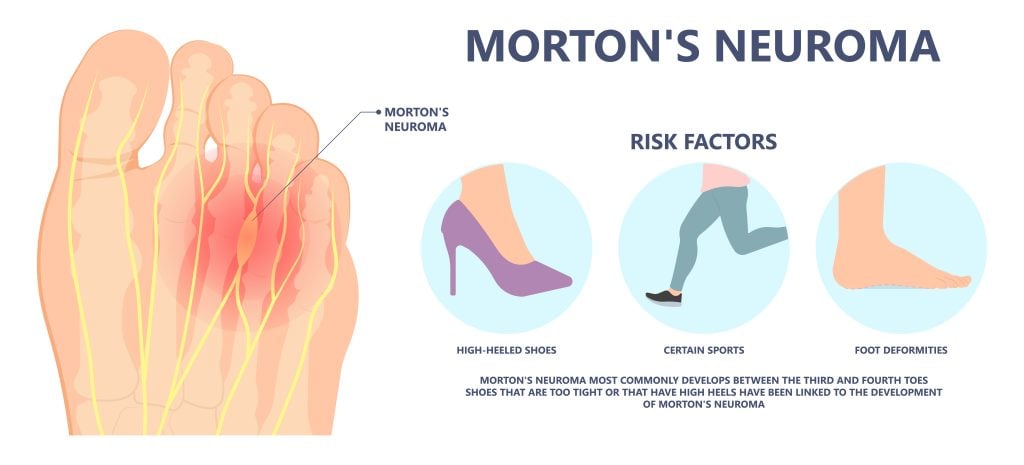
Evidence-based research highlights that restrictive, narrow shoes exacerbate symptoms and can contribute to the development of Morton’s neuroma. A crucial aspect of Mortons neuroma treatment involves advising patients to select shoes with proper fit and construction. We should assess shoes for materials and design that minimise biomechanical stressors, such as high heels or pointed toes, which are known to aggravate the condition.

Patient-focused Morton’s neuroma trreatment should emphasise the importance of footwear modifications as a foundational strategy. Consistently wearing suitable shoes can greatly mitigate nerve pain in the toes, facilitate a reduction in inflammation, and promote neuroma healing.

Hence, footwear selection is indispensable in any extensive treatment plan for mortons neuroma treatment.

Metatarsal Pads

In addition to appropriate footwear, incorporating metatarsal pads into a treatment regimen for Morton’s neuroma can effectively redistribute pressure away from the affected nerve area. Place metatarsal pads inside the shoe, typically behind the ball of the foot, to provide targeted cushioning and support. This alleviates the compression on the interdigital nerve, thereby reducing symptoms such as pain and numbness.

Clinical studies have demonstrated the efficacy of metatarsal pads in managing Morton’s neuroma, offering a non-invasive alternative to surgical intervention. The key benefits of using metatarsal pads are as follows:

Integrating metatarsal pads into a detailed treatment plan can greatly improve the quality of life for individuals suffering from Morton’s neuroma, promoting both comfort and functional mobility.

Physical Therapy

Physical therapy is crucial in the non-surgical management of Morton’s neuroma because it focuses on specific exercises and techniques designed to alleviate pain and improve foot function.

Therapeutic exercises aim to strengthen the intrinsic and extrinsic musculature of the foot, which can reduce the mechanical stress on the affected nerve. Stretching protocols, particularly for the calf muscles and plantar fascia, are essential in enhancing foot biomechanics and reducing nerve entrapment.

Manual therapy techniques, including mobilisation of the metatarsophalangeal joints and soft tissue manipulation, can be highly effective in relieving symptoms. These interventions aim to improve joint mobility and alleviate soft tissue restrictions, thus reducing pressure on the neuroma. Additionally, pain and altered foot mechanics may compromise balance and gait, which proprioceptive training can help improve.

Please watch this fantastic video tutorial from ProActiveSF for four great Morton’s Neuroma exercises you can perform at home:

A patient-centred approach, incorporating individualised exercise prescriptions and regular follow-up, ensures optimal outcomes and long-term relief from Morton’s neuroma symptoms.

Cortisone Injections

A podiatrist may refer you to your doctor to administer cortisone injections, delivering a potent anti-inflammatory treatment for Morton’s neuroma. These injections offer significant pain relief by targeting the inflammation surrounding the affected nerve.

Direct delivery of corticosteroids into the site of discomfort markedly diminishes swelling, effectively alleviating symptoms.

Numerous clinical studies underscore the benefits of cortisone injections, demonstrating their efficacy in managing neuroma-related pain. Patients typically experience rapid relief, often within a few days of the procedure. This method is particularly advantageous for those seeking non-surgical options.

Cortisone injections’ key aspects include:

Walking Boot Immobilisation

Walking boot immobilisation, often used in cases of severe pain, is an effective non-surgical intervention for Morton’s neuroma because it reduces mechanical stress on the affected area. 

Using a specialised orthopaedic boot, this method distributes weight more evenly across the plantar surface and limits foot movement.

This immobilisation technique can help a lot with reducing pain and inflammation by reducing the repetitive pressure and biomechanical forces that act on the interdigital nerve.

Clinical evidence supports the efficacy of walking boot immobilisation in alleviating the symptoms associated with Morton’s neuroma. Studies have shown that patients often experience marked symptomatic relief within a few weeks of continuous use. 

In cases of severe Morton's Neuroma pain, your podiatrist may recommend a walking boot to restrict foot movement and give your injury time to to heal while still allowing you a decent level of mobility to go about your day.

The boot’s restrictive nature ensures that the foot remains in a neutral position, thereby preventing further aggravation of the neuroma and allowing the affected tissue time to recover.

From a patient-focused perspective, the use of a walking boot can be particularly advantageous because it provides a non-invasive alternative to surgical intervention. Compliance is generally high, as patients typically find the boot comfortable and simple to integrate into daily activities.

However, it is critical for healthcare providers to monitor progress on a regular basis and make adjustments as needed to optimise outcomes.

Morton's Neuroma FAQs

In Closing Treatment for Mortons Neuroma

The multifaceted approach to treating Morton’s neuroma offers a spectrum of evidence-based interventions, each tailored to address the unique needs of the patient.

The efficacy of these treatments lies in their synergy, from judicious footwear selection and strategic use of metatarsal pads to the incorporation of targeted physical therapy and potentially precise cortisone injections.

The pivotal question remains: which combination will ultimately provide the best relief and restore function, underscoring the necessity for personalised, patient-centric care

We do recommend seeking the professional advice of an experienced Morton’s Neuroma Podiatrist to answer that question in close consultation with you, your personal circumstances and pereferences to ensure the right morton’s neuroma treatment plan is put in place.

You don’t need to put up with foot pain any longer.  Call us today on (03) 9457 2336 or book online and let us get you back on your feet pain free and walking with confidence once again.

Picture of Bellevue Podiatry

Bellevue Podiatry

Bellevue Podiatry has been serving the people of Rosanna and its surrounding suburbs for over 10 years. We have the qualifications, experience and education to effectively treat any lower limb condition or injury that requires expert podiatry care.

Bunion Self-Care: How to Treat Bunions at Home Effectively | Big Toe Exercises

When dealing with bunions, you don’t always need to rush to a specialist right away. There are several effective strategies you can adopt at home to manage the discomfort and progression of bunions.

From selecting the right footwear to incorporating targeted exercises, each step plays an important role in bunion self care. You’ll find that small adjustments can make a significant difference in reducing pain and improving mobility.

Curious about where to start? Let’s explore the various methods to treat bunions at home effectively in this blog.

Understanding Bunions and Your Foot Health

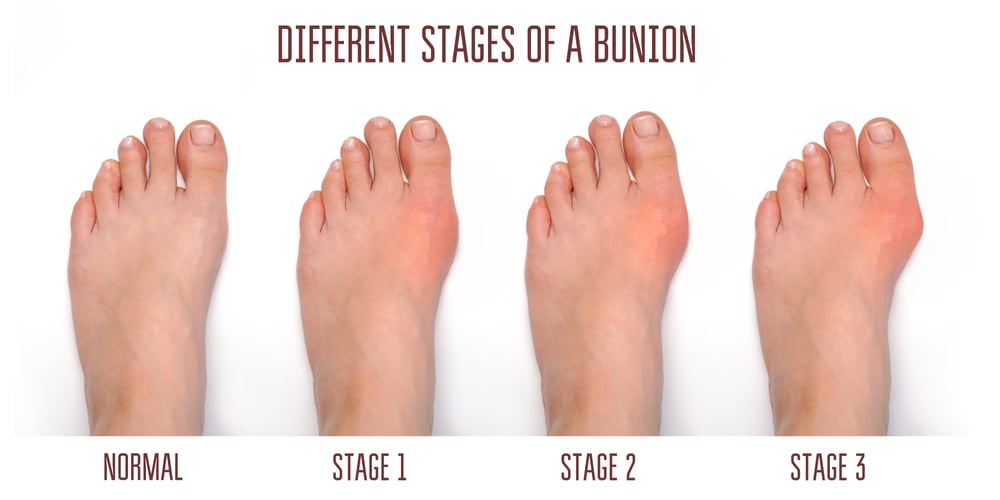
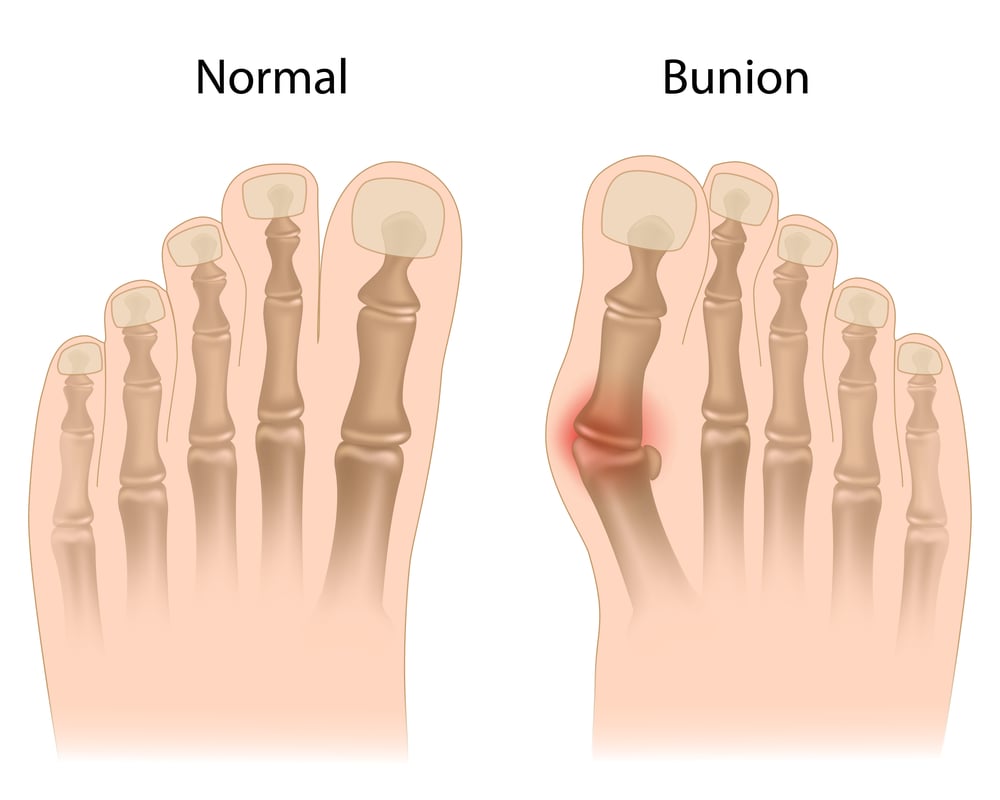
Bunions are bony bumps formed at the base of the big toe joint due to misaligned bones and muscles. 

These misalignments often lead to significant pain and discomfort, making daily activities challenging.

Bunions, clinically known as hallux valgus, don’t resolve spontaneously and can progressively worsen if left untreated. Hence, implementing proper bunion self care is important.

For bunion pain relief, consider using padding and cushioning solutions to minimise pressure on the affected joint. Opt for wide, comfortable shoes to provide adequate space for your toes, thereby reducing irritation.

Incorporating regular exercises and stretches into your routine can strengthen the surrounding muscles and improve joint stability.

Additionally, alternating hot and cold therapies can alleviate inflammation and reduce pain.

ivanhoe podiatrist ivanhoe podiatrist
Bunions are far more common than you think affecting over a quarter of the world's population. If you have a bunion forming, it is important to implement a regular and ongoing bunion treatment plan to keep your bunion at bay and avoid it becoming painful or possibly requiring surgery.

We will discuss each one of these self-care treatment options in this blog, but it’s important to remember while these measures can provide significant bunion treatment without surgery, it’s important to consult an experienced bunion podiatrist for ongoing pain or if symptoms persist.

Common Causes of Bunions

At a high level, genetic predisposition, tight-fitting shoes, and high heels are primary factors that force the big toe joint out of alignment, leading to bunions, specifically:

Certain activities and lifestyle choices also play a role. For instance, jobs that demand long hours on your feet or activities that exert excessive pressure on your toes can aggravate existing bunions or accelerate their formation.

Self-Care Treatment - Footwear / Shoes Adjustment

Selecting appropriate footwear is crucial for alleviating bunion discomfort and preventing further joint misalignment. 

Opt for wide, comfortable shoes with a roomy toe box to minimise pressure on the bunion. Narrow or tight-fitting shoes exacerbate pain and can accelerate the deformity’s progression.

Low-heeled or flat shoes are preferable as they reduce strain on the big toe joint. High heels, in contrast, shift body weight forward, increasing pressure on the forefoot and worsening bunion symptoms. 

Additionally, shoes with good arch support are essential. Proper arch support helps maintain foot alignment, thereby decreasing the discomfort associated with bunions.

When choosing footwear, prioritise materials that offer flexibility and breathability to accommodate any swelling. People often recommend leather or mesh shoes for their ability to conform to the shape of your foot.

It’s also advisable to select shoes with adjustable straps or laces, which can provide a more customised fit and additional support.

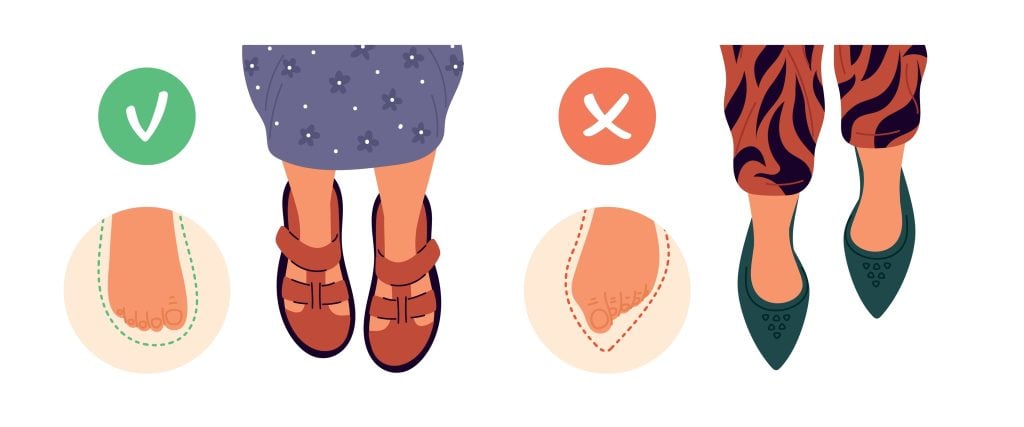
Avoid shoes with pointed toes, as they can squeeze your toes together, exacerbating your condition. Instead, look for styles that allow your toes to spread naturally

Implementing these footwear adjustments can greatly reduce bunion-related pain and contribute to better foot health.

Wearing properly fitted shoes with a wide toe box and low (if any) heels is the ideal choice of footwear to reduce your likelihood of getting an ingrown toenail. An experienced podiatrist can review your footwear and guide you on the best possible choices.
toe shoes part nail
If you're on your feet all day, you must wear a shoe with low heels & a wide toe box to help protect your feet from foot pain.

Self-Care Treatment - Padding & Cushioning for Pain Reduction

Using padding and cushioning techniques can greatly reduce pressure on the bunion joint, alleviating pain and discomfort. You can place readily available over-the-counter bunion pads and shields directly over the bunion. These pads provide a barrier, preventing friction and rubbing against shoes, which is a common source of irritation.

Gel cushions and silicone toe separators are another effective option. These devices not only provide cushioning, but they also help to maintain proper toe alignment, reducing pain. Orthotic inserts with extra padding can also help by redistributing pressure across the foot, minimising the direct impact on the bunion. Be sure to select orthotics that fit well within your footwear to avoid additional discomfort.

Additionally, choosing properly fitted shoes with cushioned insoles can enhance the overall effectiveness of padding and cushioning strategies. Shoes with wide toe boxes and soft, cushioned insoles can provide ample space and support, reducing stress on the bunion.

Self-Care Treatment - Bunion Toe Exercises and Stretches for Foot Health

Incorporating specific exercises and stretches into your routine can effectively strengthen the muscles around the toe joint and improve overall flexibility, thereby reducing bunion pain and discomfort:

Toe points curls are excellent for enhancing toe muscle strength and joint flexibility.

You simply need to point your toes forward and then curl them back, repeating this motion several times a day.

Here is a useful tutorial from Stability Before Strength Physical Therapy that you can watch to get a better understanding of this important exercise.

Another beneficial exercise is toe spread-outs.

You can work on widening the space between your toes by spreading them apart as far as you can and holding the position for a few seconds, which reduces pressure on the bunion.

Please watch this short and clear video tutorial on toe spread-outs from Eric Price.

Toe circles are also effective. 

Hold your toe and rotate in circular motions, first clockwise and then anticlockwise, to promote mobility and alleviate stiffness.

This is a great exercise that promotes toe mobility and loosens the movement of your big.

Check out this great tutorial from Centerworks Pilates on how to do toe circles properly.

Assisted toe abduction, which uses an exercise band, targets the muscles around the big toe joint. 

To strengthen your muscles, wrap the band around your big toe and gently pull it away from the other toes.

Here is a useful demonstration of the exercise using an exercise band from Feet & feet. It is important to use some kind of elastic band such as a theraband for this exercise to be effective.

Finally, ball rolling under the foot can provide a soothing massage. 

To improve circulation and relieve bunion pain, roll a small hard ball under your foot.

 Here is a great video from Coach Robb on how to effectively execute ball rolling to get the best results for your feet.

These exercises, when performed consistently, can offer significant relief.

Self-Care Treatment - Hot & Cold Therapies for Pain Reduction

In addition to exercises and stretches, hot and cold therapies offer a non-invasive approach to managing bunion pain and inflammation. These therapies, such as contrast baths or using ice packs and warm compresses, can greatly reduce the inflammation and pain associated with bunions.

Alternating between hot and cold treatments—known as contrast therapy—can offer the combined benefits of both modalities, enhancing overall relief.

You can seamlessly integrate these cost-effective and easily accessible methods into your daily self-care routine. Combining hot and cold therapies with other self-care techniques like toe separators and proper footwear can provide thorough pain relief.

Always make sure you’re using these therapies correctly to maximise their benefits and minimise any risks. For persistent or severe pain, consult with a healthcare professional.

In Closing...

You’ve now got a toolkit to tackle bunions head-on, right at home. With wide shoes, cushioned insoles, and bunion pads, you’re shielding your feet from harm’s way.

Strengthening exercises and stretches are your secret weapons for fortifying your toe muscles and joint stability.

Don’t forget the power of hot and cold therapies; they’re your frontline soldiers against pain and inflammation.

By integrating these strategies, you’re not just managing bunion symptoms—you’re reclaiming your comfort and mobility.

You don’t need to put up with Bunion pain any longer.  Call us today on (03) 9457 2336 or book online and let us get you back on your feet pain free and walking with confidence once again with our Bunion treatments.

Bunions

Understand what causes your bunions and what you can do about them. Find out what treatments can get you back to walking pain free so you can enjoy living an active life again!

operative management
Picture of Bellevue Podiatry

Bellevue Podiatry

Bellevue Podiatry has been serving the people of Rosanna and its surrounding suburbs for over 10 years. We have the qualifications, experience and education to effectively treat any lower limb condition or injury that requires expert podiatry care.

Do Plantar Fasciitis Socks Really Work?

It’s interesting that just last week, a friend mentioned their struggle with plantar fasciitis and the use of specialised socks for relief, so we thought we would write a blog about it as people ask us this question a lot – do compression socks really work to reduce plantar fasciitis pain?

You might wonder if these socks are genuinely effective or if they’re just another overhyped solution. Some people swear by them, claiming they reduce morning pain and provide all-day comfort. However, without solid clinical data available at the moment, it’s hard to determine their true efficacy.

So, do these socks really offer the support you need, or are there better alternatives? Let’s explore the evidence and user experiences to find out.

Understanding Plantar Fasciitis

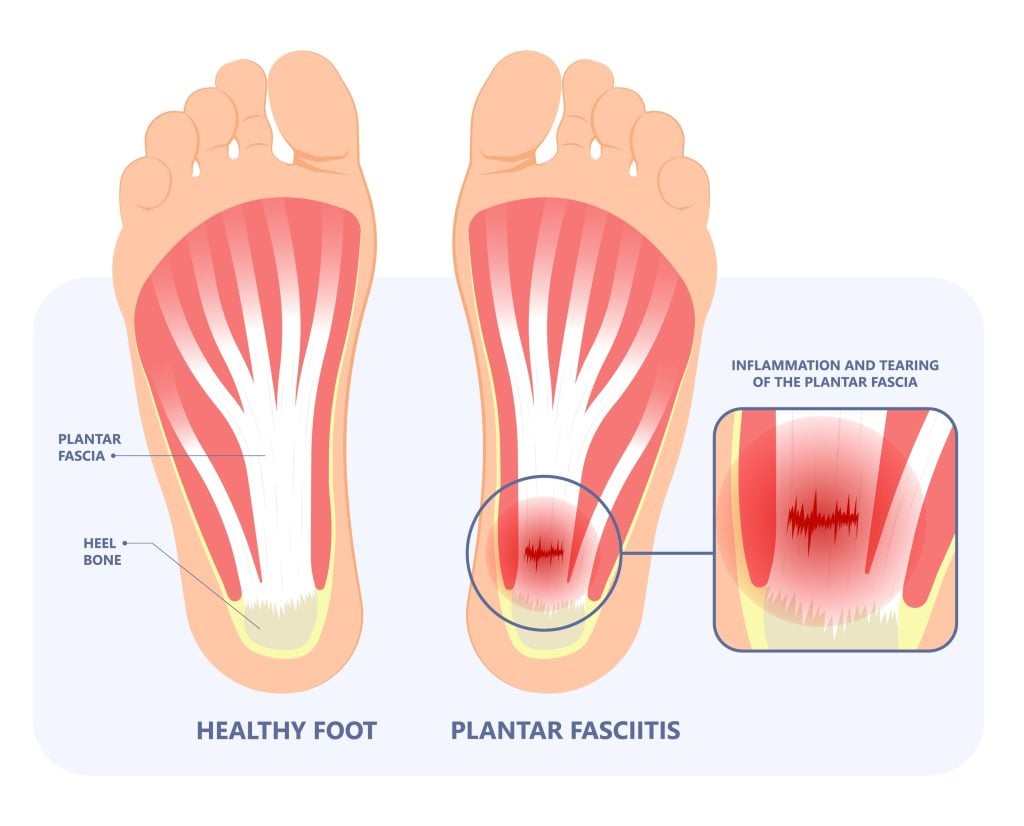
Plantar fasciitis, a prevalent foot condition, arises from repeated stress on the plantar fascia ligament, leading to inflammation and pain. You might notice this discomfort mainly in the heel area, making those first steps in the morning particularly excruciating. 

Several factors can predispose you to this condition, including high-impact exercise routines, abnormal foot biomechanics, and excess body weight. Understanding these risk factors is essential for both prevention and management.

In clinical practice, conservative therapy is highly effective, with 90% of cases resolving within 6–8 weeks. This approach includes rest, ice application, and stretching exercises targeting the plantar fascia and Achilles tendon. 

Proper footwear also plays a pivotal role in providing the necessary arch support to alleviate ligament stress.

An inflamed plantar fascia will stop you from doing the things you enjoy in life. Getting an accurate diagnosis is crucial to resolving the pain once and for all.

It’s important to note that, while surgery is an option, less than 5% of cases require such an invasive intervention. Instead, emphasising non-surgical methods can yield significant relief. To effectively manage and alleviate symptoms, you should focus on modifying risk factors, incorporating supportive footwear, and engaging in specific stretching routines. Understanding these elements forms the basis for a thorough approach to treating plantar fasciitis.

Compression Socks: How They Work

While understanding the risk factors and conservative treatments for plantar fasciitis is fundamental, knowing how compression socks function can further enhance your management strategy. 

Compression socks work by applying graduated pressure to the foot and lower leg, which helps improve circulation and reduce swelling. 

This is particularly beneficial for individuals with plantar fasciitis, as enhanced blood flow can aid in the healing process and alleviate pain.

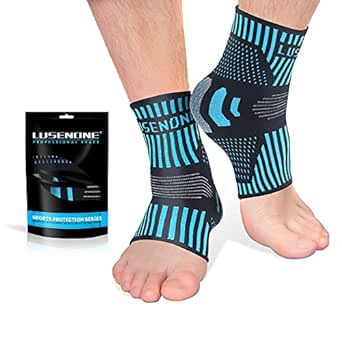
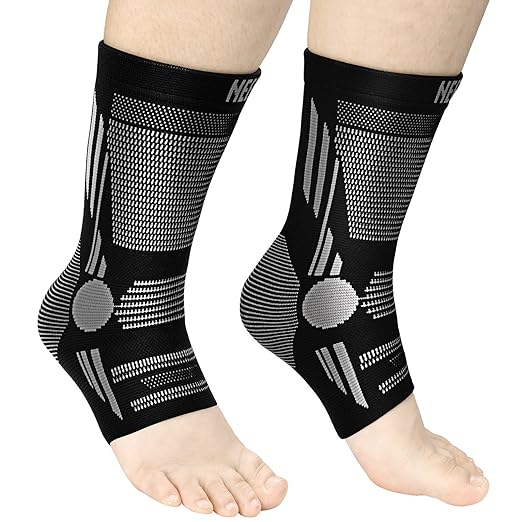
There is insufficient clinical data at present to prove (or disprove) the potential benefits of compression / plantar fascia socks, however their intention to reduce load on the plantar fascia to provide pain relief is a well-established treatment option with podiatrists (e.g. foot strapping & taping). Here’s how compression socks can assist you:

51BHhcb ukL. SY445 SX342 QL70 ML2
There is a lack of clinical data supporting the use of plantar fasciitis socks, however the concept of offloading pressure from the plantar fascia to relieve pain is well-established and this is what compression socks aim to do.

Understanding these mechanisms can help you make an informed decision about whether you want to incorporate compression socks into your plantar fasciitis treatment plan.

Evaluating Effectiveness & Lack of Clinical Data

Despite anecdotal reports of relief, the effectiveness of plantar fascia socks remains questionable due to the lack of thorough clinical data. This uncertainty stems from a lack of in-depth studies that control for variables such as footwear choices and activity levels. Without these controls, it’s hard to isolate the socks’ true impact on plantar fasciitis symptoms.

Clinicians often hesitate to recommend plantar fascia socks as a primary treatment option because of this lack of evidence. Instead, they lean towards more scientifically validated treatments like orthotics or shockwave therapy. The limited research available makes it difficult to determine if the socks genuinely alleviate plantar fasciitis or merely reduce general foot soreness.

When evaluating plantar fasciitis socks, you should consider factors such as fit, material, and compression level. These elements can influence comfort and potential benefits, but remember that individual experiences vary widely. While some users may find relief, others won’t notice a significant difference.

Hence, without robust clinical data, the reliability of these socks as a definitive treatment for plantar fasciitis remains in doubt. Always consult with a healthcare provider to explore the most effective treatment options for your condition.

Plantar fasciitis / compression socks are designed to reduce load on the plantar fascia and therefore reduce foot pain, but there effectiveness has not yet been concluded in a sufficient number of clinical studies.

User Experiences

Many users reported varying degrees of relief from plantar fasciitis symptoms when incorporating plantar fascia socks into their treatment regimen. These socks aim to provide targeted arch support and alleviate discomfort. However, the extent of relief can vary greatly among individuals.

From clinical observations and user feedback, several common themes have emerged:

Understanding these user experiences can guide you in deciding whether plantar fascia socks might be a beneficial addition to your current treatment plan. Always consider consulting an experienced plantar fasciitis podiatrist to tailor interventions to your specific needs.

Evidenced-based Alternatives to Socks

There are a number of alternatives to plantar fascia socks, that do have a significant number of supporting clinical studies to confirm their efficacy, that your podiatrist will be able to advise you on:

Custom Orthotics

Custom orthotics, designed to fit the unique contours of your feet, can effectively redistribute pressure and provide enhanced arch support.

This helps mitigate the strain on the plantar fascia, leading to reduced inflammation and pain.

Shockwave Therapy

Another highly effective treatment is shock wave therapy. This non-invasive procedure utilises acoustic waves to break down scar tissue and stimulate the production of healthy collagen.

Clinically, it’s been proven to accelerate the healing process, offering a more scientifically validated approach compared to socks.

Physical Therapy

Additionally, physical therapy can be instrumental in managing plantar fasciitis. A trained podiatrist can guide you through targeted exercises to stretch and strengthen the plantar fascia, Achilles tendon, and lower leg muscles.

These exercises improve flexibility and reduce tension, addressing the root cause of the pain.

Summing It Up...

While plantar fascia socks may offer anecdotal relief akin to a placebo effect, their clinical efficacy remains in the shadows. We aren’t saying you shouldn’t try them for yourself, that is up to you. As mentioned, there is plenty of anecdotal evidence of people getting some pain relief benefit from there.

As evidence-based Practitioners however, we are unable to point to sufficient clinical data that proves their effiacy, so please be aware of this limitation if you are going to try compression socks for yourself.

In the labyrinth of treatment options, we recommend you don’t rely solely on socks; consult a podiatrist to help navigate your path to recovery.

If you want the right professional advice on how to treat your heel pain, we currently have a limited offer running to help you out. For just $79 (usually valued at $189), book in online for our Complete Heel Pain Assessment & Treatment Consultation will get:

  • Complete In-Depth Heel Pain Examination
  • Review of Footwear & Personal Habit Diagnosis
  • Treadmill Walking Gait Analysis & Video Assessment
  • Complete Foot & Ankle Structural Diagnosis
  • Effective Heel Pain Treatment Plan To Get You Walking Pain Free
  • Peace of Mind You Know What Is Causing Your Heel Pain & How To Fix It
Check out our eBook below for further details on this special offer as well as other tips and techniques you can try at home to manage your plantar fasciitis and heel pain.

Heel Pain & Plantar Fasciitis

Understand what causes your heel pain and what you can do to get rid of it once and for all. Find out what treatments can get you back to walking pain free so you can enjoy living an active life again!

plantar fasciitis treatments best arch support insoles for plantar fasciitis
Picture of Bellevue Podiatry

Bellevue Podiatry

Bellevue Podiatry has been serving the people of Rosanna and its surrounding suburbs for over 10 years. We have the qualifications, experience and education to effectively treat any lower limb condition or injury that requires expert podiatry care.

Our 10 Best Plantar Fasciitis Treatment Pain Relief Product Recommendations

If you’re struggling with plantar fasciitis, you’re not alone, and finding the right products can make a world of difference.

Our Podiatrists have pinpointed some of the best items to help ease your pain, from the soothing Loumet Spikey Massage Ball to the supportive Hoka Shoes.

These recommendations cater to various needs, whether it’s reducing inflammation with Voltaren Emulgel or providing targeted relief with cold therapy socks. Are you curious about which products might best suit your needs and lifestyle? Let’s look deeper into these top picks to help you step comfortably again… and be sure to read our tips on how to pick the right plantar fasciitis pain relief products after our own recommendations.

If you’re struggling with tight muscles or tension due to plantar fasciitis, the Loumet Spikey Massage Ball is an excellent choice to help alleviate your discomfort. The design of this self-myofascial release tool effectively targets and massages tight muscles, knots, and trigger points. With its spikey nodules, it enhances flexibility and reduces muscle pain and tension.

You can use it on various parts of your body, including your calves, hamstrings, quads, back, shoulders, neck, and feet. Its compact and portable design means you can carry it anywhere for quick relief, whether it’s before, during, or after physical activity. Made by Loumet, a trusted Australian brand, this 10-cm blue ball ensures a safe, phthalate-free experience for your muscle maintenance.

Best For: Individuals seeking relief from muscle tension, tightness, and discomfort, particularly those dealing with plantar fasciitis or regularly engaging in physical activity.

Pros: – Effective for massaging tight muscles, knots, and trigger points; – Compact and portable for convenient use anywhere. Made from safe, phthalate-free materials

Cons: – May be too firm for those with very sensitive muscles; – Spikey nodules might be uncomfortable for some users; – Limited to self-massage, which might not be as effective as professional treatments for severe conditions.

71T rJM20uL. AC SX679
Compact self massage ball is the perfect tool to release muscle tension and soreness for injury prevention, muscle maintenance, and increased flexibility.
71IgaogoBqL. AC SX679
Voltaren Emulgel is used to treat pain and inflammation of muscles, joints, tendons and ligaments, due to sprains and strains, sports injuries and soft tissue rheumatism. Non-greasy formula. No strong odors.

For those battling the persistent discomfort of plantar fasciitis, Voltaren Anti-Inflammatory Emulgel (150 g) offers a clinically proven solution that targets inflammation right at the source. This topical gel contains diclofenac, which penetrates your skin to deliver fast pain relief.

You’ll appreciate its triple benefits: pain relief, reduced inflammation, and quicker mobility. The non-greasy formula has no strong odours and combines the properties of gel and cream, providing a cooling and moisturising effect.

To use it, just apply a small amount to the affected area 3–4 times daily. Users have praised its effectiveness for sore muscles, arthritis, and back problems, often noting the quick delivery and favourable pricing. While some reported packaging issues, most are highly satisfied.

Best for: Those suffering from plantar fasciitis, muscle soreness, arthritis, or back pain seeking fast and effective topical relief.

Pros: Clinically proven to relieve pain and reduce inflammation. A non-greasy formula with no strong odors. provides a cooling and moisturising effect.

Cons: Some users experienced packaging issues leading to leakage. requires multiple applications daily for effectiveness. This product may not be suitable for individuals with diclofenac allergies.

With its physician-trusted design and APMA acceptance, the ProStretch Blue Original Calf Stretcher and Foot Rocker is perfect for anyone seeking effective relief from plantar fasciitis, Achilles tendonitis, or tight calves. This device, made in the USA, boasts a slip-resistant bottom and a unique rocker design that guarantees your foot is positioned perfectly for an effective stretch. It’s been a go-to for professional athletes and physical therapists for over 20 years.

You’ll appreciate how it reduces pain and inflammation, helping you stay active and injury-free. The ProStretch is easy to use and fits adult shoes up to size 12. For the best results, try pairing it with plantar fasciitis socks. It’s a simple, effective tool that delivers deep, satisfying stretches.

Best For: Anyone seeking effective relief from conditions like plantar fasciitis, Achilles tendonitis, or tight calves, including professional athletes and physical therapists.

Pros: It reduces pain and inflammation for various foot and calf conditions. Its slip-resistant bottom and unique rocker design ensure safe and optimal stretching. Professionals have trusted this design for over 20 years, enhancing safety and effectiveness.

Cons: Only adult shoes up to size 12 are allowed. The recommended weight limit of 250 pounds may not accommodate all users. Some users may need additional products, like plantar fasciitis socks, for optimal results.

61EDISwsJyL. AC SX679
Using ProStretch daily reduces pain and inflammation caused by plantar fasciitis, achilles tendonitis, sever’s disease, shin splints, and tight calves & hamstrings. ProStretch isolates the lower leg muscles, tendons, and ligaments to ensure a deep, effective stretch that helps reduce injuries.

Relief Genius Cold Therapy Socks with Reusable Gel Ice Packs offer immediate relief for those experiencing aches, pains, and soreness, making them perfect for anyone struggling with plantar fasciitis. Easy to use, these socks offer soothing cold therapy to reduce inflammation and swelling.

Whether you’re dealing with sprains, bruises, or muscle pain, these socks can help. They fit women’s shoe sizes 10–13 US and men’s sizes 9–12 US. Customers have praised their quality and effectiveness, especially for conditions like plantar fasciitis and arthritis.

With a money-back guarantee, you can try them risk-free. If you’re looking for a straightforward solution to foot pain, these cold therapy socks could be just what you need.

Best For: Individuals experiencing foot pain from conditions like plantar fasciitis, arthritis, sprains, or muscle pain who need immediate relief.

Pros: Provides immediate relief from aches, pains, and soreness; reduces inflammation and swelling effectively. Reusable gel ice packs are easy to use.

Cons: – Mixed feedback on usability as heat packs; – Only available in specific sizes; – Might not fit all foot sizes comfortably.

71cE2JBMY1L. AC SX679
Simple and effective, our cooling socks with gel ice packs is a great at-home cold therapy solution to achieve relief in minutes; Simply freeze and wear at your leisure.

If you’re seeking immediate and efficient pain relief for plantar fasciitis, the Nurofen Tablets Pain and Inflammation Relief 200mg Ibuprofen 24 Pack may be the perfect solution. These tablets contain 200 mg of ibuprofen, providing quick relief from inflammation and pain. They’re handy for managing not only plantar fasciitis but also other discomforts like headaches, muscle pain, and even dental pain.

Just take them with water, and you’ll likely notice the difference. Many users love their effectiveness and reasonable price, making them a popular choice. Plus, they contain no preservatives, so you can feel good about what you’re putting into your body.

Keep a pack on hand for those days when plantar fasciitis flares up.

Best For: Individuals seeking fast and effective temporary relief from pain and inflammation associated with conditions like plantar fasciitis, headaches, and muscle pain.

Pros: – Provides quick relief from various types of pain and inflammation; – Contains no preservatives; – Affordable and well-reviewed by customers

Cons: – Only to be used as short term, temporary pain relief solution.

For anyone struggling with foot pain from conditions like plantar fasciitis or Achilles tendonitis, the Everlasting Ice RX Ankle Ice Pack Wrap offers a holistic solution with its versatile hot/cold therapy and secure compression design.

This wrap provides all-around coverage, guaranteeing thorough relief for inflammation and soreness. Its gel-based construction makes it easy to use and reusable, giving you quick and effective pain relief whenever you need it.

The slip-on design ensures a comfortable fit, perfect for managing heel pain, sprains, and post-surgery recovery. Users rave about its effectiveness, noting that it stays cold for 15-20 minutes and provides significant comfort and support.

This wrap is a must-have for anyone dealing with foot discomfort.

Best For: Individuals suffering from foot pain due to conditions like plantar fasciitis, Achilles tendonitis, sprains, or post-surgery recovery are best served.

Pros: It provides 360-degree coverage for comprehensive pain relief. It offers versatile hot/cold therapy for effective management of inflammation and soreness. The slip-on design is comfortable and secure, making it easy to use.

Cons: The cold pack stays cold for only 15-20 minutes. The cold pack may not fit all foot sizes perfectly. Some users may prefer longer-lasting cold therapy.

81nlJMztO3L. AC SX679
Versatile Hot/Cold Therapy: Get ankle ice pack the best of both worlds with this gel-based ice pack for ankle. Use it to reduce inflammation or soothe soreness, enjoying the benefits of versatile hot and cold therapy. Perfect for various conditions like ankle pain, Plantar Fasciitis, and Achilles Tendonitis.
61JUMoPJ4yL. AC SY300 SX300 QL70 ML2

Designed to provide exceptional comfort and support, Silicone Gel Heel Cups are perfect for anyone struggling with the persistent pain of plantar fasciitis. These medical-grade shoe inserts from BLLETION offer excellent cushioning with their silica orthotic gel pads.

Whether you’re dealing with bone spurs, sore heel pain, or Achilles pain, these heel cups can make a significant difference. Customers rave about their thick, supportive design, noting how they protect the heel and make walking more comfortable. With positive feedback on ease of use and effectiveness, they’re a solid choice for foot care.

They are lightweight at 170 grams and reasonably priced, so they fit seamlessly into your shoes, ensuring you get the relief you need without any hassle.

Best for: Individuals suffering from plantar fasciitis, bone spurs, sore heel pain, and Achilles pain seeking comfortable and supportive shoe inserts are best suited.

Pros: Medical-grade silicone gel offers excellent cushioning and support. The thick and supportive design enhances comfort and protects the heel. They are lightweight and easy to fit into any shoe, making them convenient to use.

Cons: The gel pads may not fit all shoe sizes perfectly, requiring adjustments. Some users might find the gel pads too thick for certain types of footwear. The gel pads are only available in one size (large), which may not be suitable for everyone.

You’ll find the Formthotics Hike Dual Density Insoles perfect if you’ve struggled with high arches and splay feet, especially during long hikes. These insoles have been a game-changer for many, offering relief where other orthopaedic solutions failed.

Imagine your second Camino de Santiago walk with no foot pain, just pure enjoyment. That’s what these insoles deliver. They mold to your feet using body warmth, ensuring a perfect fit, particularly in size 39/40 shoes.

They hold up remarkably well after over 1000 km of use, though you may need a new pair after about 15 months. Whether you’re hiking, jogging, or just going about your daily routine, these insoles provide the comfort and support you need.

Best for: Those with high arches and splay feet seeking relief and comfort during long hikes or daily activities.

Pros: Provides excellent support and relief for high arches and splay feet. It conforms perfectly to your feet by harnessing your body’s heat. It is durable, lasting over 1000 km of usage.

Cons: The item may require replacement after approximately 15 months. It’s important to select the correct size to ensure an optimal fit. The initial cost might be higher compared to standard insoles.

81Uj9umZHbL. AC SY695
Formthotics offers a high level of comfort, better balance and more feeling for the ground as well as speed and endurance.
51r1EHeA2OL. AC SY695
Reworked with softer, lighter foam and brand-new extended heel geometry for the perfect blend of soft and bouncy. Taking on a billowed effect, the rear crash pad affords an incredibly soft and balanced ride from heel strike to forefoot transition.

If you’re struggling with plantar fasciitis, the Hoka Bondi 8 Wide Shoes, offer a cushioned and supportive solution for your feet.

The extended heel geometry and softer, lighter foams in these shoes make them perfect for long-distance running or walking. The rear crash pad guarantees a soft, balanced ride, reducing the strain on your plantar fascia with every step.

Designed for a smooth heel-to-forefoot shift, the Bondi 8 provides a comfortable experience that helps alleviate pain. Podiatrists recommend these shoes for their excellent support and cushioning, making them a reliable choice for managing plantar fasciitis.

Your feet will thank you for the extra comfort and care.

Best for: Individuals suffering from plantar fasciitis who require cushioned and supportive footwear for long-distance running or walking are best served.

Pros: Softer and lighter foams for enhanced comfort extended heel geometry for improved stability The rear crash pad provides a smooth and even ride.

Cons: – It might be too cushioned for those who prefer firmer support; – It is more expensive than some alternatives; – There are limited colour options available.

For anyone grappling with foot nerve pain or plantar fasciitis, Hilph Ice Pack Slippers offer a soothing and effective solution to keep your feet comfortably cold. The design of these slippers relieves foot nerve pain and neuropathy, maintaining their coldness for an extended period. They’re not suitable for walking, but their spacious design guarantees excellent foot coverage.

Many users have found them particularly effective for hot feet at night. Just pop them in the freezer for maximum chill.

To use them safely, slip on a pair of thinner socks to protect your skin. While they may require some adjustment to find the perfect cold spot, especially around the big toe joint, they’re an easy and comfy alternative to traditional ice packs.

Best for: Individuals with foot nerve pain, neuropathy, or plantar fasciitis seeking effective and soothing cold therapy.

Pros: comfortable and easy to use.

Cons: not suitable for walking. It is necessary to wear thinner socks to protect the skin. You may need to make adjustments to find the perfect cold spots, especially around the big toe joint.

51AQcVlMtIL. AC SY695
Wide opening design is easy for people with sore feet to put on and take off, no worry about squeezing your feet. The coverage area of the instep is larger than the others which can provide long-lasting cold compress.

Factors to Consider When Choosing Plantar Fasciitis Pain Relief Products

When you’re choosing a product for plantar fasciitis relief, it’s important to think about a few key factors to guarantee you get the best support. Consider the effectiveness, how long the relief lasts, the material’s comfort, and how easy the product is to use.

Also, don’t forget about portability, convenience, and price; make sure it fits your lifestyle and budget.

Effectiveness and Relief Duration

Choosing the right plantar fasciitis pain relief product can make a world of difference in how quickly and effectively you experience relief. The effectiveness and duration of relief you get from these products can vary greatly. It largely depends on your specific condition and the product you choose. While some options offer immediate but temporary relief, others aim for longer-lasting effects.

You’ll want to think about what you need. Are you looking for something to ease acute pain right now, or do you need a solution for long-term management? Different products work in different ways. For instance, some may leverage advanced technology or specific ingredients to deliver quicker results.

It is essential to consider each product’s design and mechanism of action. Understanding how they work can guide you to the most suitable option for your needs. Keep in mind that what works for one person mightn’t work for another, so there might be some trial and error involved.

Ultimately, choosing the right product can help you manage your pain effectively, allowing you to get back to your daily activities with ease and comfort.

Material and Comfort

Finding the perfect plantar fasciitis pain relief product means considering the material and comfort it offers to guarantee effective and lasting relief. You’ll want to look for products made from materials like gel, silicone, or breathable fabric. These materials provide different levels of cushioning and support, reducing pressure on your heel and arch and ultimately alleviating pain.

Comfort is key, so prioritise products that offer cushioning and support features. Gel and silicone options can mould to your foot’s shape, providing individualised relief. Breathable materials are also essential to prevent moisture buildup, keeping your feet dry and hygienic throughout the day.

Adjustability is another important factor. Look for products that offer customisable features, like adjustable straps or inserts, to ensure a snug fit tailored to your needs. This will help maximise comfort and efficacy. Additionally, lightweight and non-intrusive products are ideal, so you can wear them comfortably during your daily activities without feeling burdened.

Ease of Use

After ensuring that your plantar fasciitis pain relief product is both comfortable and made from high-quality materials, it’s important to assess how easy it is to incorporate into your daily routine. You want a product that doesn’t add stress to your busy day. Look for items with clear instructions and simple mechanisms.

The last thing you need is to spend time deciphering complicated manuals or setups. Consider how often you’ll need to use the product. Daily or frequent use means it should be straightforward and hassle-free. Products that require additional tools or accessories can become cumbersome, so opt for those that are self-sufficient.

Think about where you’ll use it most. Whether at home, work, or on the go, it’s essential that the product fits seamlessly into your lifestyle. User-friendly designs that don’t require complex maintenance will save you time and energy, making it easier to stay consistent with your treatment.

In essence, the easier a product is to use, the more likely you’re to stick with it, and ultimately, that consistent use could lead to better relief from your plantar fasciitis pain.

Portability and Convenience

When you’re dealing with plantar fasciitis, portable and convenient pain relief products can make a world of difference in managing your symptoms throughout the day. Whether you’re travelling, at work, or just on the go, having easy access to relief can be a game-changer.

Compact sizes and lightweight designs are vital for these products, allowing you to carry them effortlessly in a bag or purse.

For instance, gel ice packs can provide soothing relief and reduce inflammation wherever you are. Another great option is to use massage balls, which are small enough to fit in your pocket, under your desk, or while watching TV. Heel cups are also incredibly useful; you can slip them into any pair of shoes, providing instant cushioning and support no matter where your day takes you.

Consistency is important when managing plantar fasciitis, and the convenience of portable products ensures you can stick to your pain relief routine even with a busy lifestyle.

Keeping these tools within easy reach helps maintain foot comfort and effectively manage symptoms, making it easier for you to stay active and comfortable all day long.

Price and Value

Choosing the right plantar fasciitis pain relief products involves balancing their price with the value they bring to your daily comfort and symptom management. It’s important to take into account the price range, as these products can vary widely—from budget-friendly options to more expensive, high-end solutions.

When evaluating value, look at the features, effectiveness, durability, and reputation of the product. A higher price doesn’t always mean better quality, so it’s essential to find a product that offers a good balance between cost and benefits.

Compare different products based on their cost-effectiveness, taking into account factors such as longevity, ease of use, and the level of relief they provide.

Prioritise products that promise long-term relief, even if they come with a slightly higher initial cost. Investing in something durable and effective can save you money and pain in the long run.

Summing Up Plantar Fasciitis Treatment Pain Relief Products...

When it comes to battling plantar fasciitis, don’t settle for discomfort—take action with these podiatrist-recommended products.

Whether you’re opting for soothing massage balls, potent anti-inflammatory gels, or supportive orthotics, you’ve got plenty of options to ease your pain.

Remember, the right tools can make all the difference. Prioritise your comfort, invest in your health, and step confidently towards long-term relief.

Your feet deserve the best care, and you’ve got the power to provide it.

If you want the right professional advice on how to treat your heel pain, we currently have a limited offer running to help you out. For just $79 (usually valued at $189), book in online for our Complete Heel Pain Assessment & Treatment Consultation will get:

  • Complete In-Depth Heel Pain Examination
  • Review of Footwear & Personal Habit Diagnosis
  • Treadmill Walking Gait Analysis & Video Assessment
  • Complete Foot & Ankle Structural Diagnosis
  • Effective Heel Pain Treatment Plan To Get You Walking Pain Free
  • Peace of Mind You Know What Is Causing Your Heel Pain & How To Fix It
Check out our eBook below for further details on this special offer as well as other tips and techniques you can try at home to manage your plantar

Ignoring heel pain or plantar fasciitis never cures it and your situation will likely get worse the longer you leave it.   

Take control today by booking in online or call us today on (03) 9457 2336 to see one of our podiatrists and get this issue sorted once and for all.

Heel Pain & Plantar Fasciitis

Understand what causes your plantar fasciitis & heel pain and what you can do to get rid of it once and for all. Find out what treatments can get you back to walking pain free so you can enjoy living an active life again!

plantar fasciitis treatments best arch support insoles for plantar fasciitis

How Can I Treat My Ball of Foot Pain?

Imagine you’re running a marathon and suddenly feel a sharp pain in the ball of your foot. Ball of foot pain can be a real hindrance, but there are practical steps you can take to alleviate it.

To reduce inflammation, start by resting and elevating the foot, as well as applying ice packs on a regular basis. Proper footwear with cushioning and support is essential. You might also want to use soft insoles or metatarsal pads for extra comfort.

But what if the pain persists despite these measures? There’s more to uncover about effective solutions and when to seek professional help.

Understanding Pain In The Ball Of Your Foot

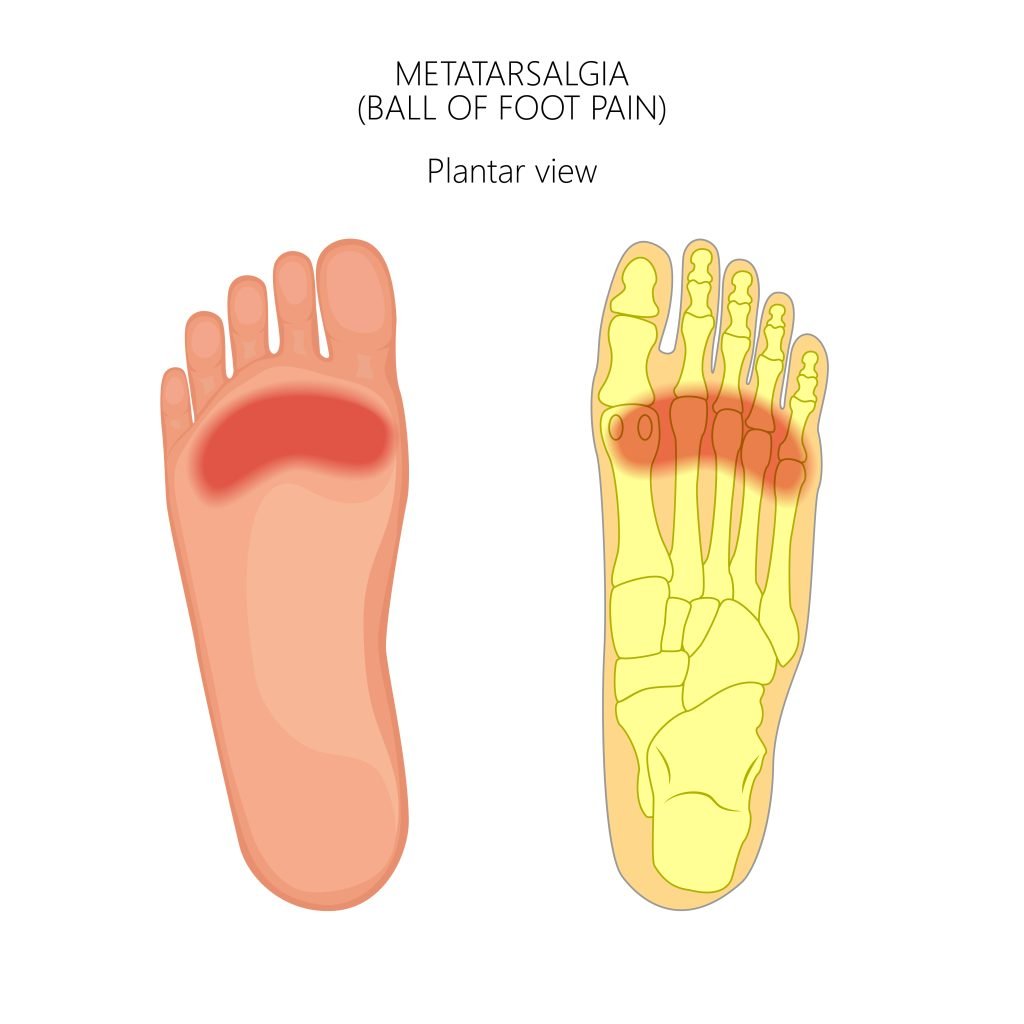
Pain in the ball of your foot, or metatarsalgia, occurs when there’s pain and inflammation between your arch and toes. If you’ve ever felt that sharp or burning sensation, especially as you go about your daily activities, you’re not alone. Many people experience foot pain on their footpad, making every step a challenge. The pressure on the ball of your foot, particularly under the big toe pad, often causes this discomfort.

Imagine being part of a community that understands your struggle and supports you in finding relief. Recognising the signs and symptoms is the first step towards feeling better. Typically, ball-of-foot pain worsens with activity but improves when you rest. You might notice an aching sensation that intensifies with every stride, making it hard to stay active and connected with those around you.

Understanding what you’re experiencing helps you find the right solutions. Whether it’s the sharp pain under your big toe pad or a general soreness on the foot pad, knowing that others share your journey can be comforting. Together, we can explore ways to alleviate this pain and get you back on your feet, pain-free.

metatarsalgia
Have you recently started feeling pain in the ball of your foot? Fortunately, this is a very common and readily treatable issue.

Identifying common causes

To effectively address the pain in the ball of your foot, it’s important to identify common causes like metatarsalgia, foot deformities, and improper footwear.

High Impact Activities

Metatarsalgia often stems from high-impact activities such as running and jumping, leading to inflammation and discomfort in the ball of your foot. If you’re an avid runner or athlete, this could be a primary source of your pain.

Foot Deformities

Foot deformities, including bunions and hammertoes, can also contribute substantially to the discomfort you’re feeling. These abnormalities change the distribution of pressure across your foot, leading to pain in the ball area.

Poor Fitting Footwear

Improperly fitting shoes, especially high heels or shoes with inadequate arch support, can exacerbate these issues by forcing your foot into unnatural positions.

Morton's Neuroma

Additionally, conditions like stress fractures and Morton’s neuroma are other culprits. Stress fractures result from repetitive stress on your bones, while Morton’s neuroma involves thickened tissue around the nerves leading to your toes. Both conditions can lead to significant discomfort if not addressed promptly.

DIY pain relief methods

There are several effective treatments for pain in the ball of your foot that you can apply by yourself. Click on each of the headings below to learn more about each treatment method.

Rest & Elevation

To alleviate foot pain, one important way is to rest and elevate your foot to reduce inflammation. Giving your feet a break can make a significant difference, especially if you’ve been on them all day. Elevating your foot helps to decrease swelling, providing immediate relief.

Cold Therapy

Applying an ice pack for 20 minutes every 2-3 hours can also help manage discomfort and reduce inflammation. It’s a simple yet powerful way to soothe your aching foot. Remember, consistency is key here.

Correct Footwear

Choosing the right footwear is essential. Opt for shoes with plenty of room, low heels, and soft soles. These features provide better support and reduce pressure on your foot’s ball. Your shoes should feel like a supportive friend, not an enemy.

Insoles

Soft insoles or metatarsal pads can offer extra cushioning and support for the metatarsal area. These additions can significantly lessen pain while walking or standing.

Healthy Lifestyle

Lastly, consider weight loss and gentle stretching exercises. Reducing body weight decreases the strain on your feet, and stretching helps improve overall foot health. Small changes in your daily routine can foster a sense of relief and belonging in your journey to pain-free feet.

Podiatrist Treatments

A visit to a podiatrist can provide you with a thorough evaluation and a personalised treatment plan to effectively manage foot pain. Podiatrists are specialists in foot health and can diagnose the exact cause of your discomfort. 

We’ll assess your foot structure, gait, and any abnormalities that might be contributing to your pain. This all-encompassing approach guarantees you receive the most efficient treatment tailored to your unique needs.

Here are some common treatments that a podiatrist might recommend:

  • Custom Orthotics

    These specially designed inserts can help redistribute pressure across your foot, providing relief and preventing further pain.

  • Foot Padding

    By using padding or cushioning, podiatrists can alleviate pressure on the ball of your foot, making daily activities more comfortable.

  • Physical Therapy Exercises

    Strengthening and stretching exercises can improve your foot's flexibility and muscle strength, reducing pain over time.

  • Corticosteroid Injections

    For severe pain, podiatrists might suggest corticosteroid injections to reduce inflammation and provide significant relief.

Regular follow-ups with your podiatrist will help monitor your progress and make necessary adjustments to your treatment plan. Trusting a podiatrist with your foot health can bring you back to feeling comfortable and pain-free.

Preventive Measures for the Future

Choosing supportive shoes with proper cushioning and arch support is vital for preventing future foot pain. When you select footwear that cradles your feet, you’re not just investing in comfort but also in long-term foot health. Make sure your shoes offer adequate room, and steer clear of high heels or tight-fitting styles that can exacerbate discomfort.

Maintaining a healthy weight is another essential step. Excess weight puts additional stress on your metatarsals, increasing the likelihood of pain. By keeping your weight in check, you’re doing your feet a favour and reducing undue pressure.

Add shock-absorbing insoles or pads to your shoes. These additions can provide extra cushioning and support, making every step more comfortable. It’s a small change that can make a big difference in preventing the recurrence of pain.

Engaging in low-impact exercises and stretches can also strengthen your foot muscles, helping to ward off future issues. Activities like swimming or cycling are excellent options that keep you active without adding stress to your feet. Regularly stretching your feet and toes can increase flexibility and build resilience.

When to Seek Professional Help

If the pain in the ball of your foot disrupts daily activities or worsens despite self-care, it’s time to seek professional help. Ignoring persistent pain can lead to more severe issues and affect your overall well-being. Here’s when you should consider consulting a healthcare provider:

  • Essential Pain

    If your pain persists for more than a few days without improvement, a professional evaluation is required. Continuous discomfort shouldn't be ignored.

  • Tingling or Numbness

    Experiencing tingling or loss of sensation in your foot can indicate nerve involvement and requires immediate medical attention.

  • Severe Pain or Inability to Walk

    If you find it difficult to walk or the pain becomes severe, this could be a sign of a more serious condition needing urgent care.

  • Foot Shape Changes

    Any noticeable changes in the shape of your foot, such as swelling or deformities, should prompt a visit to a healthcare provider.

Summing It All Up...

Imagine the relief as you step into a pair of well-cushioned, supportive shoes, feeling the soft insoles cradling your feet.

You’ve rested, iced, and stretched, engaging in gentle exercises that keep your feet strong and pain-free.

If discomfort persists, imagine the peace of mind of consulting a podiatrist for expert care.

By following these steps, you’re on your way to walking comfortably and confidently, free from the nagging pain in the ball of your foot.

Ignoring ball of foot pain never cures it and your situation will get worse the longer you leave it.   

Take control today by booking in online or call us today on (03) 9457 2336 to see one of our podiatrists and get this issue sorted once and for all.

Can You Get Permanent Artificial Toe Nails? | False Toe Nails

Is There A Permanent Nail Treatment Procedure? Which Podiatry Treatment Provides Best Results?

For a long list of reasons, you may be considering artificial toenails, and you’re naturally wondering if you can get artificial toenails that look great and only need to be applied once. It’s a common question for those who rely on artificial toenails due to damage or cosmetic preferences.

The short answer is, unfortunately, no; natural nail growth and changes in the nail bed mean that no artificial toenail can be truly permanent. However, the ongoing advancements in products like KeryFlex are getting closer to a more enduring solution. Curious about how these innovations can benefit you and your toenails? Let’s explore further.

Why Artificial Toe Nails Can Never Be Truly Permanent

Artificial toenails can’t be truly permanent because natural nail growth and changes in the nail bed necessitate regular maintenance and eventual replacement.

The primary reason artificial toenails, including prosthetic toenails and false toe nails, require periodic attention is the continuous growth of your natural nails.

As your natural toenails grow, they push the artificial ones forward, leading to a gap between the cuticle and the artificial nail.

This necessitates removal and reapplication to maintain a seamless appearance and prevent potential complications. So, although it would be ideal, false toe nails cannot be permanent.

false toe nails toenails fake nails
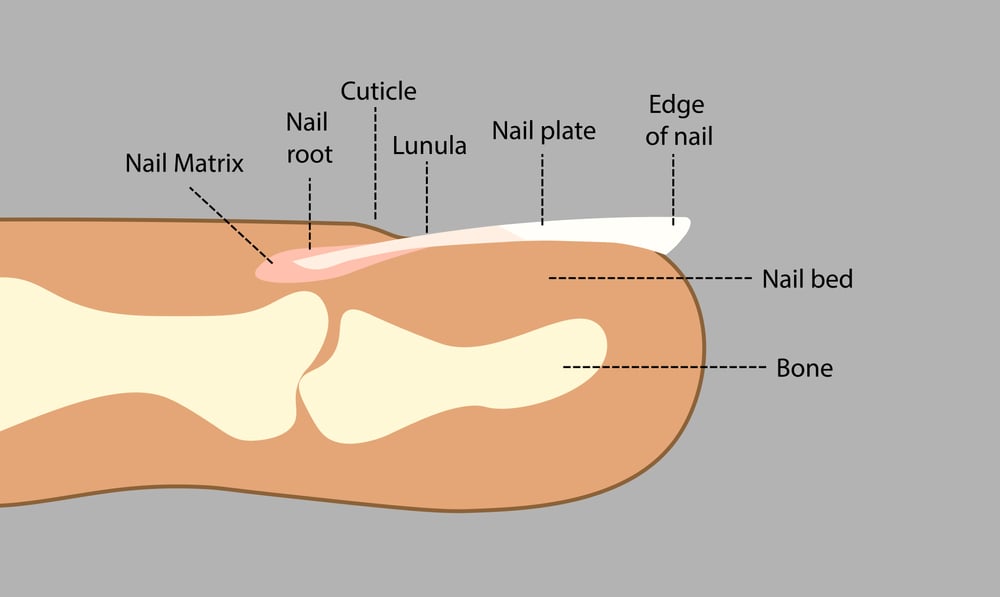
The main reason artificial nails can never be permanent is the nail root continues to grow and will "push" the artificial nail forward over time.

Moreover, the dynamics of the toenails bed, which can change due to factors like trauma, fungal infections, or general health conditions, impact the longevity of prosthetic toenails. Evidence shows that artificial solutions typically last between 4 and 8 weeks before requiring replacement.

Regular care is essential to maintain the efficacy of your artificial toenail replacements. Regular maintenance not only sustains their cosmetic appeal but also mitigates the risk of fungal growth, which artificial nails can exacerbate if left unchecked. Hence, while artificial toenails offer significant benefits, they aren’t a one-time, permanent solution. This means the importance of the nail maintenance process is important – it must be simple, easy and long-lasting.

Who Is Toenail Reconstruction Treatment Suitable For?

Toenail reconstruction suits individuals with thickened, discolored, or fungal-infected nails, providing a durable and natural-looking solution. This procedure is particularly beneficial for those experiencing nail tufts, spikes, or nails that are cracked, lifted, or traumatised. If you suffer from psoriatic nails or Beaus lines, toenail reconstruction offers an effective way to restore the appearance and function of your nails.

Both men and women can benefit from this false toe nails treatment, especially when seeking a long-term, aesthetically pleasing result. Unlike traditional salon acrylics, which are generally not recommended for toenails due to their composition, specialised formulas used in toenail reconstruction, such as KeryFlex, are designed to inhibit fungal growth and provide a protective barrier.

However, if you have healthy nails that simply need to grow out, or if you’re looking for a short-term cosmetic fix, toenail reconstruction might not be the best option for you. The goal is to address medical or severe cosmetic toenails issues, ensuring that you feel comfortable and confident with your foot health.

Always consult with a qualified professional to determine if this treatment aligns with your specific needs.

How KeryFlex Nail Restoration Procedure Works On Your Toes

KeryFlex nail restoration involves applying a durable, natural-looking prosthetic nail to transform the appearance of damaged or disfigured toenails. The process starts with meticulously trimming and filing the affected nail to create a smooth surface. This step guarantees the best adhesion and longevity of the prosthetic.

Next, a patented composite resin gel, which is non-porous and flexible, is applied. This material is specifically designed to be safe for human skin and provide an immediate, significant improvement in toenail appearance. The resin is carefully shaped and molded to match the natural contour of your toenails, ensuring a seamless and aesthetically pleasing result.

Once the resin application is complete, a UV light is used to cure and harden the nail. This sealing process not only enhances durability but also prevents moisture penetration, thereby reducing the risk of fungal infections. The non-porous nature of the KeryFlex nail makes it particularly suitable for concurrent antifungal treatments.

With proper care and maintenance, KeryFlex nails can last several weeks before requiring reapplication. This procedure offers a practical, evidence-based solution for individuals seeking to improve the appearance of their toenails.

What Makes KeryFlex Different From Other False Toe Nails?

There are many artificial toe nail options on the market today.  So why does Bellevue Podiatry provide the KeryFlex solution to its valued clients? Click on each of the tabs below to read about why we believe KeryFlex is the market leader in the world of artificial toenail solutions:

One key distinction of KeryFlex is its non-porous and flexible nature, which guarantees both durability and comfort for the user.

Unlike traditional acrylic / false toe nails, KeryFlex is meticulously designed to be safe for the skin and non-irritating. This makes it an ideal choice for those with sensitive skin or existing nail conditions.

KeryFlex also stands out due to its anti-fungal properties. It can be applied during antifungal treatments, offering a dual benefit of aesthetic improvement and medical support.

This is particularly beneficial for patients undergoing treatment for onychomycosis or other fungal infections, as KeryFlex can provide a protective barrier without compromising the efficacy of topical treatments.

The application process of KeryFlex involves precise steps: trimming, filing, resin application, shaping, and sealing of the toenails.

This meticulous procedure ensures a natural-looking and secure fit, enhancing both the appearance and functionality of the toenail.

Moreover, KeryFlex’s compatibility with topical antifungal agents further underscores its medical advantages.

The non-porous nature prevents moisture penetration, reducing the risk of fungal recurrence.

Therefore, KeryFlex offers a holistic solution for those seeking both aesthetic and therapeutic benefits in artificial toenails / false toe nails.

Summing It Up...

In summary, while artificial toenails can’t be permanent, they offer significant benefits for those with nail issues. Studies show that approximately 10% of the population experiences nail disorders, making solutions like KeryFlex essential.

KeryFlex’s unique formulation allows for durable and natural-looking nails, but regular maintenance is vital to prevent complications. Remember, ongoing care is key to ensuring the health and longevity of your toenail restoration.

Damaged and unsightly toenails are a common issue that is now readily treatable, don’t put up with it any longer.  

Call the experienced team at Bellevue Podiatry on (03) 9457 2336 or book online to make an appointment and take the first step towards great looking toenails!

10 Signs You May Have Morton’s Neuroma

Your feet can contain hidden weaknesses that subtly interfere with your everyday life, much like your Achilles’ heel. It may not be simply tiredness if you’re experiencing tingling that won’t go away or ongoing pain between your toes. Possible cause is Morton’s neuroma, which shows up as gradually worsening symptoms. 

Recognising these symptoms can help you deal with the issue before it seriously affects your mobility. Would like to know whether this condition explains your foot pain? Let us examine the identifying symptoms of Morton’s neuroma in our latest blog.

Common Symptoms of Morton’s Neuroma

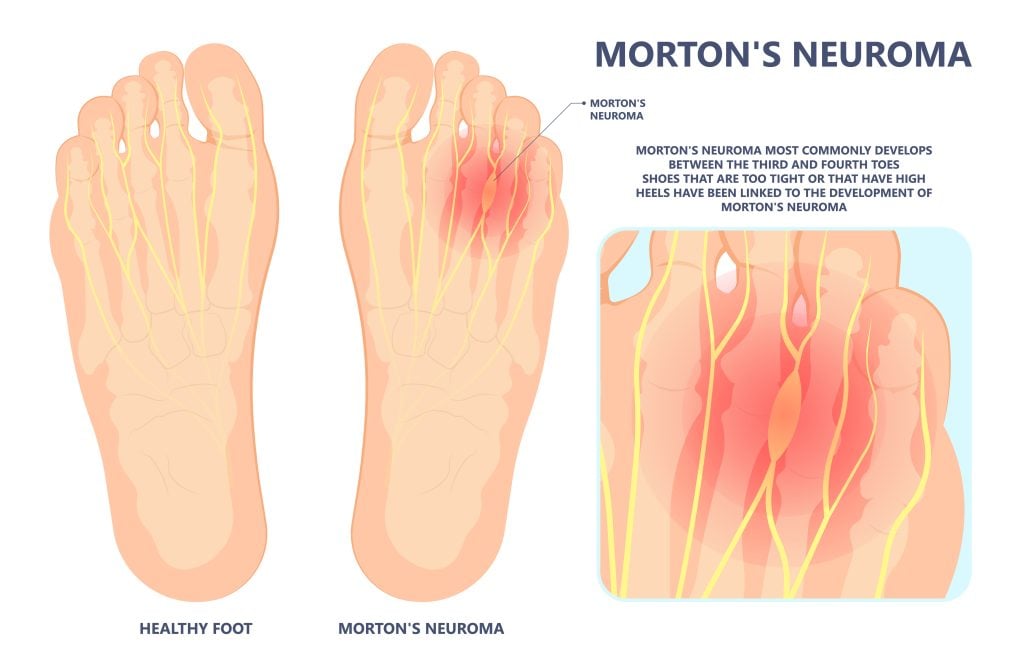
The ball of your foot will usually hurt intermittently when you have Morton’s neuroma. Many times, this neuroma foot disorder feels like standing on a pebble or marble.

Your everyday activities may be much impacted by these symptoms, which can make it uncomfortable to walk or perform other regular activities. Usually, the foot neuroma pain gets worse when one moves or when they wear tight shoes.

Morton's Neuroma

Moreover, the disorder could make the afflicted toes tingle or numb. Morton’s neuroma can cause general discomfort, which is exacerbated by these sometimes fleeting or persistent sensations. One other noteworthy sign is that, although the afflicted area is quite painful, there is no obvious swelling.

Identifying and treating these typical symptoms early on requires knowledge of them. Knowing which of the following ten indicators point to Morton’s neuroma can help you get prompt medical attention and treatment. You can better express your worries to medical professionals and guarantee a more precise diagnosis and a successful treatment plan by being aware of these particular symptoms.

10 Signs You May Have Morton's Neuroma - Foot Healthcare

We have provided an extensive list of ten symptoms that may indicate you have Morton’s Neuroma below. Feel free to read through them all, or just scroll through the headings and read which ever symptoms you currently have for more information.

1. Pain Between Toes

Often, Morton’s neuroma is indicated by sharp, shooting pain between your third and fourth toes. When nerves are compressed or irritated, as is often the case when wearing tight or narrow shoes, this condition can appear. Usually starting in the ball of your foot, the pain travels to your toes and makes it uncomfortable to walk.

Along with the intense agony, you may also feel as though a lump or pebble is lodged beneath the ball of your foot. Around the injured nerve, tissue thickens, producing this sensation. Though it may be sporadic, prolonged standing, walking, or other activities that strain your forefoot usually make the pain worse.

Pay special attention to any numbness or tingling that goes along with the pain. These symptoms point to nerve involvement and can get worse with more movement or while wearing tight shoes.

Because ongoing nerve compression can cause chronic pain and other problems, early identification and treatment are essential. The right diagnosis and treatment of Morton’s neuroma depend on your getting medical help if you see these symptoms.

2. Burning Foot Sensation

A classic sign of Morton’s neuroma is burning in the ball of the foot, which frequently appears as sporadic bouts of intense, flaming pain. Usually centred between the third and fourth toes, this pain can be made worse by physical activity or pressure on the foot. Going about daily activities comfortably may become more difficult if you wear tight shoes or walk for extended periods of time.

A burning sensation is brought on by compression or irritation of the nerves between the metatarsal bones. Your brain receives pain signals from these inflamed nerves, which gives you the characteristic burning sensation. Though this pain often comes and goes, when it does, it can be quite crippling.

You might have Morton’s neuroma if you routinely feel like your feet are burning, especially in the designated area. Timely intervention, which can help stop the condition from getting worse, depends on early identification of this sign.

Effectively controlling the symptoms and preserving your quality of life need seeing a podiatrist for a precise diagnosis and suitable treatment plan.

3. Tingling or Numbness

Apart from the burning pain, tingling or numbness in the toes is another telltale sign of Morton’s neuroma. Sometimes starting in the ball of the foot, these sensory abnormalities can spread to the tips of the toes. A defining feature of this disease, the tingling or numbness usually indicates nerve compression between the metatarsal bones. You could find that the feeling gets worse when you run or even walk, particularly if you’re wearing tight or poorly fitting shoes.

Continued tingling or numbness is a significant Morton’s neuroma symptom as well as an irritation. Your quality of life may be greatly impacted by these symptoms, which can make it hard to engage in previously enjoyable activities. You’ll discover that, especially if ignored, these feelings could get worse with time. This numbness or tingling is a clinical indication of nerve distress that requires your attention, not just a passing discomfort.

Early identification of these signs can facilitate prompt medical attention. Quick resolution of the problem can stop more nerve damage and reduce Morton’s neuroma pain, so restoring the use of your foot.

4. Lump Under Foot

The characteristic lump or protrusion beneath the ball of your foot that is indicative of Morton’s neuroma may be visible. It’s common to feel as though you’re standing on a tiny pebble when you have this lump.

Clinically speaking, tissue thickens around one of the nerves that leads to your toes, usually between the third and fourth toes.

This physical sign is more than just a harmless lump; it’s a strong clue that the nerve is under strain, probably from tight shoes, repetitive stress, or biomechanical problems. A palpable protrusion when you press on the area supports the Morton’s neuroma diagnosis.

When this lump appears together with other symptoms like tingling or pain, you should get checked out. To be sure the diagnosis, a medical practitioner can carry out a comprehensive examination, frequently involving imaging tests.

A long-term nerve compression can cause chronic pain and other problems, thus early intervention is essential. Treating this symptom early on helps you to be part of a proactive approach to foot health and to feel like you belong in a community that values clinical vigilance and well-being.

5. Discomfort With Movement

One of Morton’s neuromas’ most important symptoms is often discomfort with movement, particularly when walking or standing. Don’t ignore this clinical indication if you have pain or discomfort that gets worse with particular foot movements.

The pain usually starts out as stabbing or shooting pain between your third and fourth toes. When these feelings arise while one is walking or standing for extended periods of time, it can be especially concerning.

Morton’s neuroma pain can also strike when your toes are flexed or extended. Apart from pain, this discomfort can also be tingling or numbness, which aggravates the problem even more when moving. When the tissue surrounding one of the nerves that leads to your toes thickens, irritation and inflammation result with every step you take.

Seek medical attention if you discover that particular foot actions regularly cause you pain or discomfort. This will help to precisely identify Morton’s neuroma and start the right therapy to relieve your symptoms. Your mobility and quality of life can both be much enhanced by addressing these movement-induced discomforts.

6. Worse in Tight Shoes

Because wearing tight shoes puts more pressure on the damaged nerve, Morton’s neuroma symptoms can become more intense and feel like stabbing or burning. The interdigital nerve is squeezed and the metatarsal bones are forced together by the little space in constrictive or narrow shoes. Together with irritating the nerve, this increased pressure can also result in inflammation, which adds to your pain.

Clinically speaking, your symptoms are made worse by the compression’s cause of demyelination and axonal degeneration of the nerve fibres. You might discover that as the ongoing pressure aggravates the problem, the pain gets worse with every step.

Wearing properly fitted shoes with a wide toe box and low (if any) heels is the ideal choice of footwear to reduce your likelihood of getting an ingrown toenail. An experienced podiatrist can review your footwear and guide you on the best possible choices.

It’s normal for the pain to worsen during the day, especially if you spend a lot of time on your feet or participate in activities that call for tight shoes, like professional dress or sports.

To lessen these symptoms, think about choosing shoes with a roomy arch support and a larger toe box. The burning or stabbing sensations you experience can also be much lessened by avoiding high heels and shoes with pointed toes. A big difference in Morton’s neuroma management can come from choosing shoes carefully.

7. Sharp Toe Pain

A primary sign of Morton’s neuroma is sharp, shooting pain between your third and fourth toes. Sometimes this ache feels like you’re walking on a jagged piece of stone, like a pebble stuck in your shoe. A characteristic of Morton’s neuroma, this pain results from tissue thickening around one of the nerves that leads to your toes.

When one does activities that put pressure on the forefoot, such walking or wearing tight, narrow shoes, the pain usually gets worse. Another way this disease can show up is as a burning sensation that makes even easy movements intolerable.

Perhaps you’ve noticed that the pain flares up with particular triggers rather than being constant. Comfortable walking can be further complicated by the sharp pain being accompanied by tingling or numbness in the afflicted toes.

Early diagnosis and successful treatment of this particular kind of pain depend on recognition of it. It’s important to be aware of these symptoms and get medical help right once. Your quality of life can be much improved and the progression of this crippling illness can be stopped with appropriate diagnosis and treatment.

8. Swelling Around Toes

Morton’s neuroma mostly presents as pain, numbness, and tingling sensations; it rarely results in obvious swelling around the toes. One of this condition’s less noticeable symptoms is swelling around the toes. Rather, you’ll probably feel uncomfortable even if the afflicted area doesn’t change much visually.

You can more successfully recognise the symptoms of Morton’s neuroma if you are familiar with its subtleties. Note the following important things:

Early intervention requires an awareness of these symptoms. See a medical practitioner if you see these symptoms for a complete assessment and a suitable diagnosis.

Your quality of life can be much improved and pain significantly reduced with the correct diagnosis and treatment of Morton’s neuroma.

9. Radiating Foot Pain

When Morton’s neuroma affects your foot, you could find that the pain radiates from the ball of your foot to your toes and feels burning or shooting. A key sign, this radiating pain is frequently made worse by walking, standing for extended periods of time, or wearing tight shoes. Though the degree of the pain varies, it usually manifests as a stabbing, sharp pain that can make everyday tasks difficult.

Clinically speaking, this radiating foot pain arises from tissue thickening around one of your nerves that travels to your toes, typically between the third and fourth toes.

Inflammation and irritation brought on by the nerve compression result in the recognisable radiating pain pattern. To further complication the situation, tingling or numbness may also accompany the sensation.

Early identification of this radiating pain is critical to successful treatment. If your pain is ongoing or getting worse, you should get checked out by a doctor because an early diagnosis can result in better treatment choices.

10. Toe Cramping

Toe cramping, a frequent indicator of Morton’s neuroma, manifests as involuntary muscle contractions that cause a sensation of tightness or spasms in the toes. This symptom can have a notable impact on your daily activities, making it important to recognize and address it promptly.

When Morton’s neuroma is present, the cramping often occurs alongside other symptoms, leading to a range of discomforts that can disrupt your life.

Toe cramping associated with Morton’s neuroma can present in the following ways:

Recognising any of these 10 signs you may have morton’s neuroma can prompt early intervention, allowing you to seek appropriate treatment and relief. Addressing toe cramping early can improve your quality of life and mitigate further complications.

When to Seek Professional Help For Your Neuroma Symptoms

Persistent burning pain in the ball of your foot, especially if it lasts for more than a few days, necessitates seeking medical attention for a thorough evaluation. This type of discomfort can be an indicator of Morton’s neuroma, a condition that involves the thickening of tissue around one of the nerves leading to your toes.

It’s important not to dismiss symptoms like tingling or numbness in your toes, as these may also signal the presence of Morton’s neuroma.

If you find that modifying your activities or changing your footwear doesn’t alleviate the pain, it’s essential to consult a healthcare professional. Persistent discomfort, particularly between the third and fourth toes, is a significant sign that warrants a medical assessment.

Early intervention is vital to prevent the symptoms from worsening and to avoid potential long-term complications.

You don’t need to put up with foot pain any longer.  Call us today on (03) 9457 2336 or book online and let us get you back on your feet pain free and walking with confidence once again.

Picture of Bellevue Podiatry Morton's Neuroma Clinic

Bellevue Podiatry Morton's Neuroma Clinic

Bellevue Podiatry has been serving the people of Rosanna and its surrounding suburbs for over 10 years. We have the qualifications, experience and education to effectively treat any lower limb condition or injury that requires expert podiatry care.

Picture of Nicole Hardidge - Morton's Neuroma Principal Podiatrist

Nicole Hardidge - Morton's Neuroma Principal Podiatrist

Nicole graduated with a Bachelor of Podiatry from Latrobe University in 2009 with a certificate in Advanced Clinical Education. Nicole has completed her post graduate certificate in wound care through Monash University.

Asking Yourself How To Shrink Bunions Naturally?

If you have bunions, you would have most likely asked yourself, “could I shrink my bunions naturally?”

While some podiatrists prescribe home exercises and swear by the efficacy of Foot Mobilisation Therapy (FMT), other podiatrists believe the only thing you can do is slow down their progression (however most agree you can make a significant positive impact and get to a managable place with your bunions so they don’t become a negative focus in your life).

You likely know how crucial appropriate footwear is to keeping your feet in alignment. But what other natural (i.e. non-surgical) options are there? And are these treatments guaranteed to end your agonising bunions, or do they just slow down the process?

Let us explore non-invasive bunion treatments in more detail and give you the information to make an informed decision on your bunion treatment journey.

Understanding Bunion Causes

You have to know what causes bunions in order to understand the methods for naturally shrinking them. The main reason of bunions, or hallux valgus, is a misalignment of the muscles and bones at the big toe joint.

Genetic predisposition, wearing tight or narrow shoes, inflammatory diseases like arthritis, and particular foot shapes are common causes of this misalignment resulting in bunions.

While you can't completely get rid of bunions without surgery - you can significantly slow down their progression and reduce the pain they cause with other non-surgical treatments. Be aware that the earlier you start non-invasive treatments, and the more consistent you are with them, the greater success you will have treating your bunions. If you have bunions, which stage of the diagram are you at?

Over a quarter of Australians struggle with bunions and all of them would ideally prefer a non-surgical bunion treatment. Frustratingly, bunions tend to get worse over time if they are not treated. Natural bunions treatment works best when it is upheld by regular and consistent bunion self-care that we will discuss in this blog.

If your line of work involves excessive foot stress, such as ballet dancing or nursing, you run the danger of bunions. Steps towards regular and consistent self-care can greatly slow the bunion’s growth and help to relieve pain.

Application of bunion pads and correctors, wearing wide, low-heeled shoes, and use of ice packs can all offer relief and significantly slow the progression.

Remember always that looking after your feet is an important part of your well-being (it does take some work, but it’s definitely worth it when you consider the alternative).

Non-invasive Bunion Treatments

Traditional approaches to treating your bunion, such as orthotics, correctors, and lifestyle adjustments, can be quite helpful in controlling pain and enhancing foot function.

Toes can be realigned with bunion correctors or splints to ease discomfort, but remember – this is not a permanent solution. 

If you do not regularly wear your bunion corrector, the bunion will return.  Bunion correctors are there to offer some relief, but they are not a final and lasting solution.

Their design relieves your foot of some of the pressure, so relieving some of the pain you may be feeling after a long day on your feet.

Custom Orthotics give your foot continuous support and help to evenly distribute pressure, which lessens the strain on your bunion.

Their practical placement inside your shoe makes them a simple addition to your daily regimen.

Your bunion management can also be greatly impacted by lifestyle changes.

Losing weight can also lessen the overall strain on your foot, which lessens pain associated with your bunion even if it may not directly shrink it.

Bunion pads can reduce rubbing and irritation and wearing wider shoes with a low heel and soft sole can reduce pressure on your bunion.

You should always look for shoes with a wide toe box that offers good support for your feet.

Even little routines like putting on ice packs can help control pain and inflammation.

Although just used as a pain management treatment, regularly icing your painful feet is a valuable tool to have in your arsenal to combat your bunions.

By understanding and testing out various non-invasive treatments, you can find what provides the most relief and improves the function of your foot affected by bunions for you.

Foot Mobilisation Therapy (FMT)

Foot Mobilisation Therapy (FMT) can strengthen your foot muscles and realign the big toe joint, so offering a non-invasive way to manage your bunion and keep the possibility of surgery off the table. Carefully crafted to address your unique foot health needs, FMT offers a strong substitute for surgery.

Your bunion management plan can benefit greatly from home exercises in addition to FMT. They prevent more bunion growth and support long-term foot health in concert with FMT.

Podiatrists and physiotherapists create these workouts to improve joint alignment, muscle strength, and general foot function.

While a qualified expert (such a podiatrist or physiotherapist) can provide the FMT treatment, you can do several successful home exercises that will greatly increase the mobility of the big toe or toes afflicted by bunions.

Check out the above video for some great foot mobilisation exercises you can do yourself at home.  Remember, the key is to do them regularly and consistently to provide the greatest pain relief and impact in slowing down the progression of your bunion (credit to Total Therapy Solutions).

You can also include various tools and equipment to take your foot mobilisations and strengthening activities to the next level. The Foot Collective are experts in this field and offer a great range of solutions for foot mobilisation and strengthening techniques.

Role of Footwear in Bunion Relief

Your choice of shoes is just as important in relieving your bunion as natural treatments and exercise.

Wearing broad shoes with a soft sole and low heel will relieve pressure on your bunions and offer much-needed comfort. 

Your bunion will be less irritated and painfully rubbed against by roomier shoes.

Wide toe box footwear eases bunion pain by preventing additional irritation and encouraging normal foot movement. 

Additionally reducing friction in the afflicted bunion areas are soft, flexible shoes that promote better toe alignment.

Selecting footwear with little arch support can help to encourage natural foot movement even more and ease bunion discomfort.

Shoes with enough of toe room can also help to prevent bunion progression and preserve correct foot alignment.

toe shoes part nail
If you're on your feet all day, you must wear a shoe with low heels & a wide toe box to help protect your feet from foot pain.

When to Seek Podiatrist Intervention To Correct Your Bunions

What To Do When Bunion Self-Care Doesn't Reduce Your Bunions...

It’s time to see a podiatrist if your bunions begin to somewhat interfere with your daily activities. 

You don’t have to deal with bunions on your own; a podiatrist offers specialised care and professional knowledge, customising a treatment plan to your needs.

Among other therapies, they can evaluate the severity of your bunions and suggest orthotics, bunion pads, shoes, and specific exercises.

Sometimes non-surgical options won’t work as well as you’d like to shrink your bunions naturally. Your podiatrist can determine in these situations if surgery is necessary.

It simply indicates that your route to relief might need a different strategy, not that you’ve failed. But you stand a better chance of greatly slowing down the development of your bunions and avoiding surgery the sooner you get expert advice.

bunion corrector
The earlier you look into non-surgical treatments for your bunions, the more beneficial they will be. There may be rare cases where your podiatrist recommends surgical intervention for severe cases.

Shrink Bunions Naturally - Summing It Up...

In wrapping up, don’t let bunions keep you on the sidelines. Stand tall and face them head-on with natural methods like FMT, targeted exercises, and thoughtful footwear choices.

Remember, prevention is the best cure, so keep your feet healthy and happy. But don’t hesitate to seek a podiatrist’s advice if the road gets rocky.

Your journey to bunion-free feet isn’t a sprint, but a marathon. After all, every step you take is a step towards relief.

You don’t need to put up with Bunion pain any longer.  Call us today on (03) 9457 2336 or book online and let us get you back on your feet pain free and walking with confidence once again with our Bunion treatments.

Bunions

Understand what causes your bunions and what you can do about them. Find out what treatments can get you back to walking pain free so you can enjoy living an active life again!

operative management
Picture of Bellevue Podiatry Bunion Treatment

Bellevue Podiatry Bunion Treatment

Bellevue Podiatry has been serving the people of Rosanna and its surrounding suburbs for over 10 years. We have the experienced and education to effectively treat any lower limb condition or injury that requires expert podiatry care.

How Do I Get Rid Of My Foot Arch Pain? Podiatrist Recommendations

Many people complain of arch pain, which can be very painful and make it hard to do daily things and enjoy life in general. This pain can be caused by a lot of things, from the wrong shoes to problems with the foot structure.

Even though there are many treatments and ways to avoid problems, the best one depends on what the specific root cause is in the first place.

Let’s take an in-depth look at the possible causes and treatments for arch pain in this blog. Things may be easier than you think to solve once you are equipped with the right information.

Understanding Foot Arch Pain

Foot pain is common and can be caused by plantar fasciitis, posterior tibial tendonitis, or overpronation. It can show up in different ways, like as tendernessswelling, or pain in different parts of the foot. 

These symptoms can have a big effect on a person’s quality of life by making it hard for them to move around and causing constant pain.

Overpronation is one of the possible causes of arch pain. Do your feet roll inwards?

This pain is most often felt in the heel, the ball of the foot, or the top of the foot. Depending on what’s causing the pain, it can be sharp, dull, or throbbing, and it’s common for swelling and stiffness to go along with it. 

Correctly identifying the source of the pain is necessary for effective treatment, which may include orthoticsstrappingshock wave therapy, and changes to the shoes worn.

Along with these treatments, making changes to how you live can also help a lot with managing and getting rid of arch pain. Some of these changes could include doing something about things like weight gain and overuse that make the condition worse. 

Stretching the hamstrings, Achilles tendon, and calf muscles on a regular basis can also help ease pain and make the foot work better. So, learning about foot pain is the first thing that you can do to get better and find relief.

Common Causes of Arch Discomfort In Your Feet

It’s important to know what causes arch pain because it can be caused by a number of conditions, including plantar fasciitis, overpronation, or cavus foot. These problems can make your feet hurt a lot, which can make it hard to move around and do normal things.

Understanding these causes is the first step towards finding a solution for arch discomfort.

Podiatry Treatments for Relief Of Symptoms

Now that we understand the different reasons why foot pain happens, we can look at the many podiatry treatments that can help a lot.

Podiatrist Recommended Effective Home Foot Pain Remedies

All you need are some common household items and a commitment to doing them regularly for easy and effective home remedies to ease foot pain. 

These remedies not only help right away, but they also improve the health of your feet over time if you use them regularly. This can help you feel better and give you more control over your health.

Incorporating calf and hamstring stretches into your daily routine can enhance your flexibility and reduce tension in the foot arch.

These exercises help to strengthen the muscles, thereby reducing the strain on your arch.

Here is a super simple stretch you can do every day to stretch your calves and hamstrings to help reduce arch pain.

Credit to Amercian Diabetes Association.

A simple method involves rolling a frozen water bottle under your foot. 

This practice can reduce inflammation and soothe the affected area, providing significant relief from arch pain. 

Additionally, applying ice to the arch for 15-20 minutes multiple times a day can help reduce swelling.

Watch this video for details (credit to Eaton Chiropractic Centre)

Massaging the arch with a tennis ball or a massage ball improves circulation, releases tension, and reduces pain. 

Check out this simple video tutorial for details (credit to ActiveSTL Chiropractic and Sports Rehab).

Further support can be provided by over-the-counter arch supports or orthotic inserts. These provide additional cushioning and support, effectively relieving foot arch pain.

Preventive Measures for Future Foot Pain

While essential remedies can provide considerable relief from arch pain, adopting preventive strategies can help prevent future discomfort and promote long-term foot health

Regular foot and calf stretches maintain flexibility, reducing the likelihood of future foot pain. It’s also vital to invest in supportive footwear with adequate arch support, as this can greatly lessen strain on the arches.

Maintaining a healthy body weight can also mitigate the risk of foot pain. Excess weight puts added pressure on the feet, potentially leading to discomfort. Hence, a balanced diet and regular exercise are key to staying within a healthy weight range.

If rest and ice don't fix your heel pain after a couple weeks, or if the pain is severe or gets worse, you should contact a podiatrist for a professional diagnosis and treatment. Other options may include physical therapy, stretching exercises, custom orthotics, shockwave therapy or, in some cases, steroid injections.

Orthotic inserts or custom orthotics can provide additional support and alignment for the arches, further preventing arch pain. It’s advisable to consult with a specialist such as an orthopedic surgeon or podiatrist for personalised advice and treatment options.

Staying active is another key preventive measure. Low-impact exercises, such as swimming or cycling, can strengthen the muscles supporting the arches, reducing recurrent pain. Remember, prevention is always better than cure. 

By adopting these measures, you can enjoy healthier feet and a significantly lower risk of experiencing foot pain.

In Closing...

In summary, managing foot pain necessitates a proactive approach encompassing both treatment and prevention strategies. Custom orthotics, physical therapy, and home remedies are pivotal in assuaging the pain, akin to extinguishing a fire.

However, prevention is always better than cure, and keeping arch pain at bay and out of your life can be done. Regular stretching, supportive footwear, maintaining an ideal weight and engaging in low-impact exercises are effective deterrents of future foot arch discomfort.

If you want the right professional advice on how to treat your heel pain, we currently have a limited offer running to help you out. For just $79 (usually valued at $189), book in online for our Complete Heel Pain Assessment & Treatment Consultation will get:

  • Complete In-Depth Heel Pain Examination
  • Review of Footwear & Personal Habit Diagnosis
  • Treadmill Walking Gait Analysis & Video Assessment
  • Complete Foot & Ankle Structural Diagnosis
  • Effective Heel Pain Treatment Plan To Get You Walking Pain Free
  • Peace of Mind You Know What Is Causing Your Heel Pain & How To Fix It
Check out our eBook below for further details on this special offer as well as other tips and techniques you can try at home to manage your plantar fasciitis and heel pain.

Ignoring arch pain or plantar fasciitis never cures it and your situation will likely get worse the longer you leave it.   

Take control today by booking in online or call us today on (03) 9457 2336 to see one of our podiatrists and get this issue sorted once and for all.

Arch & Heel Pain

Understand what causes your heel pain condition and what you can do to get rid of the symptoms once and for all. Find out what podiatrist treatments can get you back to walking pain free so you can enjoy living an active life again!

plantar fasciitis treatments best arch support insoles for plantar fasciitis