Nicole Hardidge, Author at Bellevue Podiatry In Rosanna - Page 6 of 12

Foot Pain In The Morning: Common Causes, Symptoms & What You Can Do About It

After waking up, your heel hurts sharply and lingers as you walk. You’re not alone; many people experience morning foot pain due to various underlying causes, including plantar fasciitis, osteoarthritis, and ill-fitting shoes.

As you try to shake off the stiffness, you wonder what’s behind this morning’s misery. Understanding the root cause of your discomfort is key to finding relief. However, pinpointing the exact source can be tricky with so many potential culprits, so a thorough examination of your symptoms is essential. Let’s discuss this and more in our latest blog.

Key Takeaways

Common Causes of Morning Foot Pain

plantar fasciitis exercises
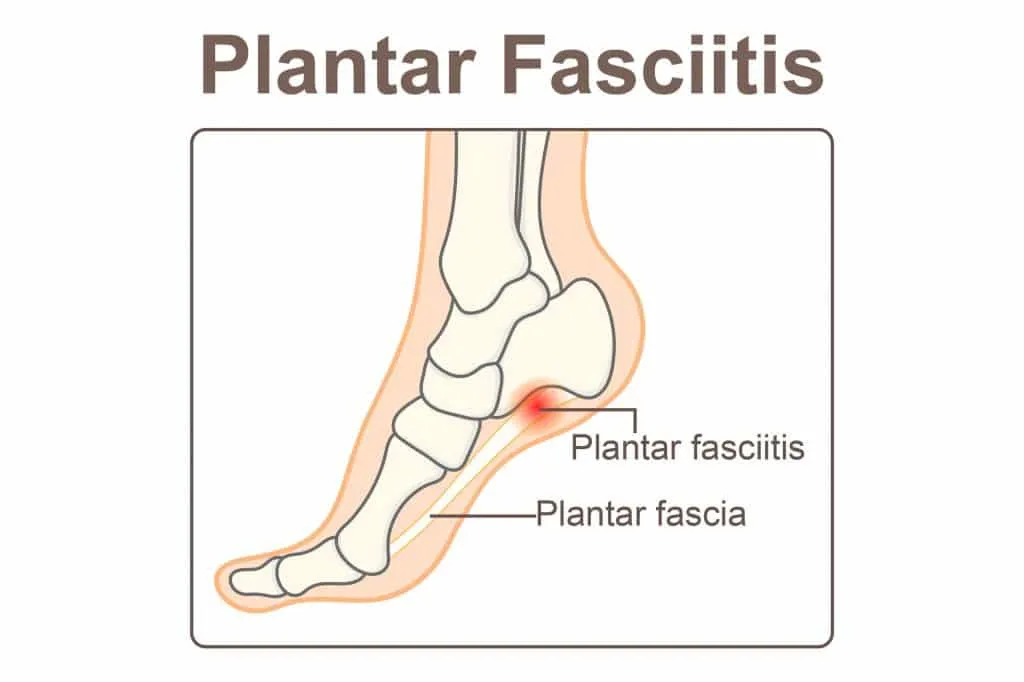
Plantar Fasciitis is a common reason for sore feet and has a number of common risk factors - do you fit the category for any of these? Don't worry, your heel pain is very common and readily treatable.

Starting from the wrong step—literally—with a jolt of pain the moment you step out of bed may be a telltale sign that you’re suffering from a common cause of morning foot pain:

Identifying and addressing these issues is essential for managing foot pain in the morning effectively. Consulting a podiatrist can be the first step towards resolving persistent or severe morning foot pain symptoms. By understanding the causes, you’ll be better equipped to seek treatment and start your day on the right foot.

Recognising the Symptoms of Sore Feet in the Morning

Morning foot discomfort typically manifests through distinct and recognisable symptoms that can help identify underlying conditions. When you experience foot pain when waking up, it’s important to observe your discomfort’s specific characteristics and location to help determine the root cause.

Symptom Location Common Characteristics
Heel Area
Sharp, stabbing pain upon first steps
Arch of Foot
Tight, stretching sensation when walking
Ball of Foot
Burning or aching sensation with pressure
Entire Foot
General stiffness and soreness

If your feet hurt in the morning, you’ll likely notice the pain is most intense during your first few steps out of bed. This discomfort may gradually decrease as you move around, though some people also experience persistent aching foot pain at night.

The bottom of your foot can have a wide range of panful foot health issues. Each issue is unique and different in its treatment. Make sure you're getting the right foot health advice from a Foot Pain expert.

You might also notice that foot discomfort at night can affect your sleep quality, creating a cycle of pain and poor rest. Observe if swelling, redness, or temperature changes accompany your painful feet in the morning, as these additional symptoms can offer crucial information for accurate diagnosis and treatment.

Remedies & Treatments for Painful Feet in the Morning

If you’re experiencing persistent symptoms despite implementing these morning foot pain remedies, don’t hesitate to seek medical attention for foot pain. A healthcare provider can properly diagnose the underlying condition and recommend targeted treatments, including specialised orthotics, physical therapy, or advanced interventions to address specific conditions affecting your feet.

Custom Orthotics are an effective way to resolve a number of biomechnical issues that can lead to outside of foot pain. It is crucial to ensure an accurate diagnosis and biomechanical assessment for an effective prescription of custom orthotics.

When to Consult a Plantar Fasciitis & Foot Pain Professional

One essential step in effectively managing morning foot pain is knowing when to seek professional help:

A podiatrist can provide a personalised treatment plan to address the underlying causes of your morning foot pain effectively. Do not hesitate to seek help if you are experiencing nighttime toe pain, throbbing foot pain, or aching toes at night. Ignoring these symptoms can worsen conditions, negatively impacting your overall health.

By promptly consulting a foot health specialist, you can prevent further complications and promote excellent foot health. Prioritise your well-being and take proactive steps to address your foot pain, whether it’s sore feet at night, aching feet in the morning, or the bottoms of your feet hurting in the morning.

Lifestyle Changes for Relief

In addition to seeking medical treatment and incorporating effective remedies, you can make several lifestyle changes to alleviate morning foot pain. Modifying your daily habits can reduce the discomfort and hurt associated with foot pain in the morning.

To stay hydrated after exercise, drink approximately 20-24 ounces (600-720 ml) of fluid for every pound (0.5 kg) of body weight lost during your workout, spreading your intake over the next few hours.

To start, you can try the following lifestyle changes:

In Closing...

Addressing morning foot pain requires a comprehensive approach, including prevention, intervention, and professional consultation. You can significantly reduce the risk of morning foot pain by incorporating preventive measures such as proper footwearregular exercise, and maintaining a healthy weight.

For immediate relief, gentle stretchingsupportive night splints, and targeted pain relief techniques can be effective. However, if your pain persists, it is crucial to seek the expertise of a podiatrist at Bellevue Podiatry for an accurate diagnosis and personalised treatment plan tailored to your specific needs. Take the first step towards pain-free mornings by scheduling a consultation at Bellevue Podiatry today.

If you want the right professional advice on how to treat your heel pain, we currently have a limited offer running to help you out. For just $79 (usually valued at $189), book in online for our Complete Heel Pain Assessment & Treatment Consultation will get:

Check out our heel pain eBook below for further details on this special offer as well as other tips and techniques you can try at home to manage your plantar fasciitis and heel pain.

You don’t need to put up with foot pain any longer.  Our team of experienced Podiatrists have the education and experience to get you moving pain free again.  Take control today by booking in online or call us today on (03) 9457 2336 to get this issue sorted once and for all.

Heel Pain & Plantar Fasciitis

Understand what causes your heel pain and what you can do to get rid of it once and for all. Find out what treatments can get you back to walking pain free so you can enjoy living an active life again!

plantar fasciitis treatments best arch support insoles for plantar fasciitis
Picture of Bellevue Podiatry - Heel Treatment Clinic

Bellevue Podiatry - Heel Treatment Clinic

Bellevue Podiatry has been serving the people of Rosanna and its surrounding suburbs for over 10 years. We have the qualifications, experience and education to effectively treat any lower limb condition or injury that requires expert podiatry care.

Plantar Fasciitis Article References:

Our 8 Best Orthopedic Shoes for Ultimate Comfort and Support

Imagine reducing foot pain, rediscovering mobility, and enhancing quality of life, all with just a pair of shoes. Orthopedic shoes have evolved significantly from bulky designs, incorporating biomechanical engineering and clinical data to enhance foot support and comfort.

In 2024, top contenders like Skechers and Orthofeet elevate this standard with innovative cushioning technologies and adaptive fit systems. But which shoe aligns with your specific foot needs? Whether memory foam insoles or slip-resistant outsoles, these shoes address more than style. So, what factors should you consider when redefining foot health this year?

Key Takeaways

If you’re looking for orthopedic shoes that combine functionality with comfort, the OrthoComfoot Men’s Orthopaedic Slip-On Loafers with Arch Support provide an excellent solution. These shoes deliver well-engineered arch support, essential for mitigating plantar fasciitis and heel pain. Users have reported exceptional ease of use as the slip-on design facilitates easy wearing and secure grip, enhancing daily usability. 

Although some experience initial tightness, the expectation is that it gradually moulds to your foot, offering adaptive comfort.  Objective feedback suggests their ergonomic design aligns with foot anatomy, reducing strain during prolonged activities. It’s notable that while traction issues on wet surfaces exist, the overall benefits outweigh this limitation. Recurrent purchases underscore their perceived value and continuous user satisfaction, confirming their support efficacy.

Best For Individuals seeking comfortable and supportive orthopaedic shoes that offer reliable arch support. They are especially beneficial for those with plantar fasciitis and heel pain.

61RpECEwpkL. AC SY575
The orthotic insole offers strong arch support made of hard TPU and cushioning layer with PU memory foam base- works wonders to enhance comfort and ease pain on the foot and heel.Latex metatarsal pad support help relieve foot pressure and fatigue.Massaging gel waves absorb shock and provide cushioning for all-day comfort, its rugged construction withstands the impact and forces exerted on your feet. the particles on the inserts cover massage your feet.

STUNAHOME Orthopaedic Women’s Walking Shoes are an excellent choice for individuals seeking reliable comfort and support during extended periods of walking or standing. Customers frequently commend these shoes for their durable construction and high comfort levels, essential for mitigating foot fatigue and ensuring musculoskeletal health. However, consider sizing adjustments for best fit, especially if accommodating specific foot conditions like ingrown toenails. 

While some users report durability and comfort issues, including blisters and lack of cushioning, the majority highlight the materials’ softness. People praise the shoes’ aesthetic appeal despite design challenges that complicate donning. Evaluation of pressure distribution and shock absorption features is vital, as these influence long-term foot health and injury prevention in active settings.

This product is best suited for individuals looking for stylish walking shoes that offer reliable comfort and support for extended walking or standing.

61T7kcvAcmL. AC SY695
STUNAHOME womens trainers with arch support were created with posture-correcting technology. The sneakers are designed to correct the wearer's posture. The sole is made of flexible material which hugs your feet, encouraging them to stand correctly.

HKR Women’s Walking Shoes with Arch Support is an excellent choice for individuals requiring both comfort and orthopaedic benefits, particularly those experiencing flat feet or chronic heel pain. These shoes integrate memory foam construction with a supportive arch insole, offering significant relief from heel discomfort. Their breathable, stretchable fabric guarantees the feet remain dry and comfortable during extended wear, which is vital for mitigating foot pain. The lightweight design and slip-resistant rubber outsole enhance stability, making them suitable for various environments. Customer testimonials affirm the alleviation of foot pain during activities, attesting to the shoe’s functional capabilities. Aesthetically, the shoes offer diverse colours with a sleek design, appealing to those seeking both style and adequate orthotic support.

Best For Individuals requiring comfortable and supportive footwear, particularly those with flat feet or chronic heel pain, who desire a stylish and breathable option for all-day wear.

61grWRunwwL. AC SY695
Whether it's naturally breathable materials, technical membranes and meshes or Active Air technology, our shoes help you move more comfortably.

For those seeking orthopaedic support with a touch of style, the Skechers Women’s Uno Stand-On Air Sneaker stands out. Their durable and non-slip features accommodate orthopaedic insoles, making them ideal for prolonged standing or walking. A key advantage is the wide-width option, easing discomfort from bunions, and the higher heel design that aids back support. Healthcare workers have positively reviewed them, highlighting effective orthopaedic interventions in daily routines. 

Some users report initial discomfort but recommend breaking in the shoes for the best fit. Pricing is reasonable, correlating with high quality and sufficient cushioning. For flat feet or lower back pain relief, consider additional inserts. The water-repellent quality, ease of maintenance, and colour flexibility appeal to varied lifestyle needs.

Best for: Those seeking stylish orthopaedic support, particularly healthcare workers or individuals needing comfortable, durable footwear for prolonged standing or walking and preferring versatile colour options.

81+5PZbujfL. AC SX695
Air-Cooled Memory. Foam comfort insole. Skech-Air visible air-cushioned midsole. Wedge fit with hidden 1-inch heel. Flexible rubber traction outsole. Smooth synthetic 'durabuck' perforated upper.

STQ Women’s Orthopaedic Lace-up Loafers might be the ideal choice when searching for orthopaedic footwear that combines aesthetics with functionality. Unlike generic options like Hey Dudes, these loafers provide superior arch support, delivering a lightweight and ergonomic design. The stretchy material is especially beneficial for individuals with wider feet and guarantees a comfortable fit for all-day wear. The design meets the biomechanical requirements necessary for reducing foot strain and enhancing both comfort and utility.

From a value perspective, STQ offers an affordable option without compromising quality. Their durable construction includes slip resistance, supporting various activities from concrete walking to deep-sea fishing. Although some users suggest additional arch support inserts, the overall feedback highlights repeat purchases and favourable durability, indicating a trustworthy investment in orthopaedic footwear.

Best for: This product is best suited for individuals looking for comfortable, affordable orthopaedic footwear with arch support and a stylish design suitable for wider feet.

716dXXz5mQL. AC SY695
Lightweight and comfortable:These canvas shoes are incredibly light, weighing less than five ounces.This means they won't weigh you down, making them a comfortable and practical choice for everyday wear.Even if you're spending the day on your feet, these shoes will help reduce the strain on your body and keep you feeling good.

Delivering unmatched comfort, the Skechers Men’s Go Walk Max Effort is a superb choice for individuals seeking orthopedic shoes with strong support in 2024. The Goga Max high-rebound insole ensures optimal shock absorption and energy return, which is essential for reducing musculoskeletal strain during extended activities. The lightweight construction and breathable mesh upper of the insole aid in thermoregulation, reducing sweat and subsequent foot irritation. The slip-on style with a stretchy collar enhances user accessibility, while the customizable lace-up design caters to personalized fit needs, particularly for wide and tall feet.

Critically, the durable outsole affords exceptional traction, mitigating fall risks—a critical orthopaedic consideration. Its affordability and ease of care enhance its appeal. User feedback underscores its long-distance comfort and minimal chafing, highlighting its efficacy for daily ambulation and errands and invariably confirming its ergonomic design.

Best For Individuals seeking comfortable, supportive footwear for daily walking, long-distance strolls, or casual activities, especially those with wide and tall feet.

61AzSsnmnUL. AC SY695 (1)
Nearly seamless breathable athletic air-mesh upper. Lightweight, responsive 5GEN cushioning midsole and outsole. Goga Max cushioned comfort insole. Flexible rubber outsole. Machine washable, air dry.

Consider the Orthofeet Women’s Orthopaedic Waterproof Winter Boot with Arch Support if you’re looking for superior comfort and support, particularly ideal for individuals with arthritis or other foot ailments. This boot features orthotic footbeds designed to alleviate pain and enhance foot biomechanics

The architecture includes a comfy heel and robust arch support, essential for distributing weight evenly and minimizing stress on the lower extremities.  Made from camel suede, it provides waterproof protection and warmth with a fleece lining, making it perfect for cold climates. Moreover, the boot’s velcro straps allow for an adjustable fit, accommodating swollen feet and ankles. The thick sole offers excellent traction on icy sidewalks, reducing fall risk. Its design merges functionality with style, making it suited for daily wear.

Best For Individuals seeking comfortable and supportive winter footwear, especially those with arthritis or foot conditions, need protection and warmth in cold, icy climates.


61OXlVnsQ2L. AC SY575
Provides orthopedic support in a classic waterproof winter boot with soft, padded faux fur interior to keep feet warm and comfortable. Designed with two strap closure for adjustability & easy on/off wear.

Women’s Woven Orthopaedic Walking Shoes with Arch Support are ideal for those seeking affordable, breathable footwear for light activities or casual outings. User reviews highlight comfort and lightweight features, though sizing discrepancies arise frequently. It’s advisable to size up or add orthopaedic inserts to enhance arch support, as the shoes alone may not be sufficient for prolonged standing or demanding activities. 

Despite the anti-slip sole claiming efficacy, structural support is lacking, particularly in the woven upper, which offers minimal elasticity. These shoes could suit low-impact use, like driving or lounging, rather than long-distance walking. The price reflects its basic construction, so if medical-grade support is essential, consider upgrading with custom orthotics. Stay mindful of your fitness to prevent discomfort or slippage.

Best For: Those seeking an affordable and breathable shoe for light activities or casual use who may consider adding orthopaedic inserts for better support.

61M0XUVMbcL. AC SY695
Womens trainers with arch support were created with posture - correcting technology. The sneakers are designed to correct the wearer's posture. The sole is made of flexible material which hugs your feet, encouraging them to stand correctly.

Summing It All Up...

When selecting orthopedic shoes, prioritize features like arch support, cushioning, and slip resistance. Some might think orthopaedic shoes compromise style, but brands like Skechers and Orthofeet prove otherwise by blending aesthetics with advanced technology.

Pay attention to these options due to outdated stereotypes. The recommended shoes provide comfort and support and technical innovations that cater to various foot conditions. Investing in the proper pair guarantees enhanced mobility and overall foot health.

Picture of Bellevue Podiatry

Bellevue Podiatry

Bellevue Podiatry has been serving the people of Rosanna and its surrounding suburbs for over 10 years. We have the qualifications, experience and education to effectively treat any lower limb condition or injury that requires expert podiatry care.

How To Treat An Early Stage Diabetic Foot Ulcer | How To Recognise Early & Get The Right Podiatry Health Advice

You may not be aware that a diabetic foot ulcer can develop in as little as a few hours, making timely recognition and treatment vital to preventing long-term damage. As someone living with diabetes, you’re likely no stranger to managing your condition, but early-stage ulcers can be deceptively subtle.

You may observe slight swelling, redness, or warmth on your foot, but it’s important to distinguish these signs from minor issues. It’s crucial to seek podiatry expertise at the first hint of trouble—but what exactly should you look out for, and how can you ensure you’re getting the right advice?

Key Takeaways

Early Signs of Diabetes: Foot Ulcers

diabetes diabetic foot
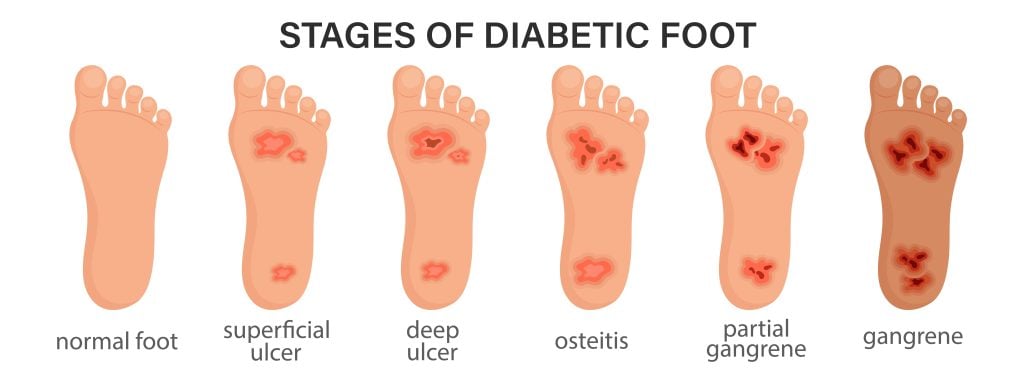
Blisters on diabetic feet are a serious complication, even if painless, as they can go unnoticed and become infected, leading to ulcers, gangrene, or even amputation.

Individuals with diabetes recognise early signs of foot ulcers, which is crucial for preventing severe complications.  When monitoring your feet, you’ll need to check for specific indicators that can signal the development of diabetic foot ulcers:

If you notice any of these signs, don’t wait—contact a podiatrist immediately. Early intervention can prevent the progression of diabetic foot ulcers and reduce the risk of serious complications.

The Importance of Regular Foot Checks

Regular foot checks are necessary for individuals with diabetes, as they play a significant role in the early detection of foot ulcers. By routinely inspecting your feet, you can identify the earliest signs of diabetic foot ulcers, such as redness, swelling, or unusual warmth. Numerous publications, including PubMed, note that these checks are crucial in preventing complications like infections or even amputation.

Diabetes assessment rosanna ivanhoe podiatry Diabetic Foot
Doppler ultrasound is a noninvasive test that can be used to measure the blood flow through your blood vessels. It is a valuable tool for accurately assessning potential foot health issues, particularly for the diabetic foot.

We recommend a half yearly foot exam but encourage more frequent checks if you’re managing related foot conditions. Here’s a description of what to monitor during your checks:

Check Aspects What To Look For Significance
Temperature Changes
Warmth
Indication of infection or inflmmation
Skin Changes
Redness, Swelling
Early signs of potential ulcer
Sensation Variations
Numbness, Pain
Possible nerve damage in a diabetic foot

Prompt action is essential once these symptoms appear. You can receive a tailored treatment plan by seeking professional podiatry advice, potentially avoiding more severe consequences.

Remember, you’re encouraging early detection of foot ulcers and actively safeguarding your well-being, contributing positively to your overall foot health. Let this proactive approach to diabetic foot care empower you to serve yourself and others better.

When To Seek Podiatry Diabetes Expertise

Specialised podiatric care plays a vital role in effectively managing diabetic foot ulcers.  When you’re handling diabetic foot conditions, it’s crucial to connect with a podiatrist who has specific expertise in diabetic wound care and who understands the complexities of lower limb complications.

You should seek immediate podiatric attention if you notice any signs of skin breakdown, temperature changes, or potential infection in your feet. Your podiatrist will thoroughly assess and develop a customised treatment plan that addresses your needs.

diabetic foot
An experienced podiatrist will be able to identify and emerging foot health issues and resolve them before they become serious - but the key is early intervention. If you have diabetes, a regular foot health check-up is essential.

We will use our specialised training to implement evidence-based wound care protocols and monitor healing progress.

Medicare rebates are available for podiatry services, especially for high-risk foot conditions, making professional care more accessible. It would help if you prioritised establishing a relationship with a podiatrist who can provide ongoing care and monitoring.

We will guide you through proper wound care techniques, recommend suitable footwear, and help prevent future complications.

Remember that early intervention by a qualified podiatrist dramatically improves outcomes and reduces the risk of serious complications. Your podiatrist will work collaboratively with your healthcare team to ensure thorough management of your diabetic foot condition.

Effective Wound Care Strategies for Diabetes

Properly managing a diabetic foot ulcer involves employing a thorough wound care strategy central to preventing severe complications. Identifying the ulcer early and responding promptly is essential:

  • Feet Ulcer Hygiene

    Start by meticulously cleaning the ulcer. Wash the area with mild soap and water, then pat it dry to avoid moisture buildup. Use appropriate dressings; consult with your podiatrist to choose dressings that protect the wound while allowing airflow and moisture balance.

  • Offload Pressure

    Offloading pressure from the ulcer is equally crucial. This may involve using specialised footwear or devices to redistribute weight away from the affected area, reduce strain, and allow healing.

  • Monitor Diabetic Foot Progress

    Monitor the ulcer's progress regularly. Checking its size, depth, and signs of infection can guide treatment tweaks needed for the best healing. Don't go it alone—work closely with a podiatrist specialising in diabetic foot care to receive expert advice tailored to your situation.

  • Always Work With A Professional

    With professional guidance, such as an experienced Diabetes Podiatrist, proactive foot care helps prevent infections, lowers the risk of amputation, and supports overall foot health.

Committing to these strategies ensures better outcomes for yourself and helps maintain your mobility and well-being.

Preventing Diabetic Ulcers from Worsening

Effective wound management is just one facet of handling diabetic foot ulcers; safeguarding them from deterioration is equally vital.

Early identification and treatment play a crucial role in preventing complications. Regularly inspect your ulcer for signs of infection, such as heightened redness, swelling, warmth, or drainage. Keeping these changes in balance can prevent severe outcomes like infections or amputations.

diabetic foot podiatry
See a podiatrist for a foot blister if it shows signs of infection (redness, swelling, pus, warmth, or foul odor), if you have diabetes or a compromised immune system, if the blister is unusually large, deep, or not healing, or if you experience recurring blisters, as these can signal underlying issues with your footwear, gait, or foot structure.

Engage attentively in proper wound care and offloading pressure from the affected area. Skilled podiatry professionals oversee a thorough treatment plan that guides you to maintain reasonable glycemic control and regularly monitor the ulcer’s progress. Here’s how to stay proactive:

Action Description Purpose
Seek prompt care
Visit a podiatrist at the first indication of an ulcer
Start early intervention
Monitor for changes
Observe any modifications in the ulcer’s appearance
Prevent advancement and complications
Maintain glycemic control
Manage blood sugar levels proficiently
Promote faster and more efficient healing

Recognise that early intervention significantly enhances the chances of successful healing.  Your dedication to vigilant monitoring and professional guidance from podiatry experts can prevent diabetic ulcers from worsening and ensure your overall foot health remains intact.

Choosing the Right Footwear for the Diabetic Foot

Selecting the right footwear is important for diabetic individuals, as it can significantly affect foot health and mobility:

Proper shoes can significantly impact your overall well-being, so it’s important to prioritise them.

Enhancing Overall Foot Health

Maintaining ideal foot health requires a thorough approach beyond ulcer treatment alone. Implementing extensive care strategies that protect your feet from potential complications while promoting perfect healing conditions would help.

Remember that prevention through diligent care is more effective than treating established ulcers, so maintain consistent foot health practices.

Summing It Up...

Recognising the early signs of diabetic foot ulcers and seeking professional podiatry help is crucial to managing these wounds effectively.  Effective wound care and preventive measures can significantly reduce the risk of complications, such as infection and amputation.

Adopting strategies like regular foot inspections, proper footwear, blood sugar control, and seeking prompt medical treatment can control your foot health and prevent ulcer progression. Bellevue Podiatry is here to provide you with expert advice and comprehensive care to manage your diabetic foot ulcers. Contact us today to schedule an appointment.

Don’t delay getting the right professional advice for your feet.  Our team of experienced Podiatrists have the education and experience to know your risks and mitigate them long-term.  Take control today by booking in online or call us today on (03) 9457 2336.

Diabetic Foot

Understand what diabetes means for your feet and make sure you know the steps to protect your foot health long term. Learn how to avoid unnecessary foot health complications to keep your feet and toes healthy for life.

foot conditions
Picture of Bellevue Podiatry

Bellevue Podiatry

Bellevue Podiatry has been serving the people of Rosanna and its surrounding suburbs for over 10 years. We have the experienced and education to effectively treat any lower limb condition or injury that requires expert podiatry care.

Achilles Tendonitis Exercises: Evidence-Based Rehab Exercises for Achilles Tendinopathy

You’re taking the first step toward managing your Achilles tendinopathy by exploring evidence-based exercises. By including eccentric exercises, like heel drops, into your routine, you’ll encourage tendon remodelling and enhance strength.

However, progressing slowly and maintaining the correct form is crucial to preventing the condition from worsening.  As you start, you’ll probably wonder which exercises to focus on and how to customise your routine to meet your needs.

The answers lie in understanding the details of Achilles tendinopathy and the importance of isometric therapy exercises, stretching routines, and expert advice in achieving top-notch tendon health.

Key Takeaways

Understanding Achilles Tendinopathy

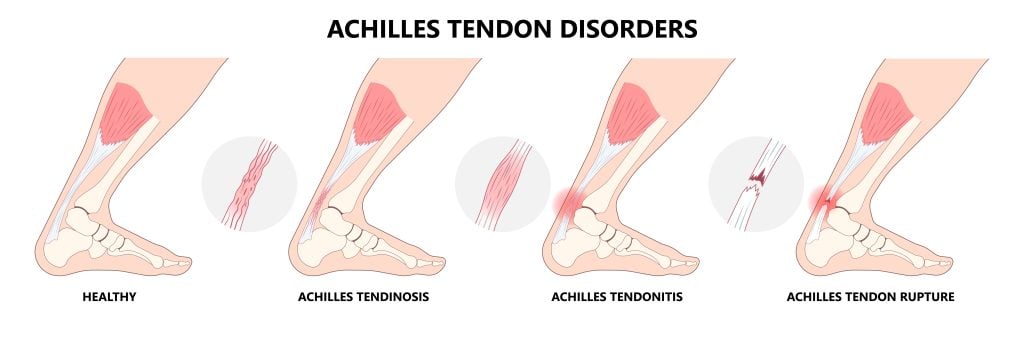
While often referred to as a singular condition, Achilles tendinopathy encompasses a range of disorders that affect the Achilles tendon, including midportion, insertional, and proximal tendinopathy.

Achilles Tendon issues are just one of several reasons you may be experiencing heel pain. This is why it is so important you work with an experienced heel pain Podiatrist that can accurately diagnose the root cause of your heel pain so an effective treatment plan can be put in place.

You may be experiencing symptoms of Achilles tendinopathy, such as focal pain, swelling, and stiffness in the calf, which can result from repetitive microtrauma.

The most common type, midportion Achilles tendinopathy, accounts for approximately 55-60% of Achilles tendon issues. Understanding the specific type of tendinopathy you’re dealing with is essential, as different types require different treatment approaches.

To manage Achilles tendinopathy, you must focus on exercises targeting the affected tendon. Strengthening exercises, such as heel raises and therapy exercises, can help alleviate symptoms and improve tendon strength. Targeted exercises, designed explicitly for Achilles tendinopathy, can help you achieve the best results.

Effective Eccentric Exercises

As you develop a treatment plan to manage Achilles tendinopathy, incorporating exercises that target the affected tendon becomes a pivotal focus.

Eccentric exercises, such as heel drops, are fundamental to Achilles tendinopathy rehab. These exercises involve lengthening the muscle-tendon unit under load, promoting tendon remodelling, and improving tolerance to load over time. Research supports the effectiveness of eccentric exercises in improving tendon strength and reducing pain.

Below is a very useful video tutorial from Sport Rehab Guide on how to safely and effectively perform the heel drop exercise:

Eccentric heel drops are commonly prescribed in Achilles tendinopathy rehab due to their ability to target the Achilles tendon specifically and promote tendon adaptation.

Incorporating Isometric Therapy Exercises

Several key components make up an all-encompassing rehabilitation program for Achilles tendinopathy, and isometric therapy exercises are one of them.  These exercises involve holding a muscle contraction without changing its length, which can benefit Achilles tendinopathy as they can load the tendon without movement.

Exercise Description Duration
Wall Push-Up
Stand with feet shoulder-width apart, hands on a wall at shoulder height. Slowly lower the body towards the wall, keeping elbows close to the body.
3 x 10-15 seconds sets
Calf Raise Hold
Stand on a step or platform; raise your heels as high as possible. Hold it for a specified duration.
3 x 10-15 seconds sets
Toe Spread Hold
Sit on the floor with legs straight out in front of you. Spread toes as far apart as possible. Hold it for a specified duration.
3 x 10-15 seconds sets
Ankle Extension Hold
Sit on the floor with legs straight out in front of you. Lift toes up toward the shin. Hold it for a specified duration.
3 x 10-15 seconds sets

Incorporating isometric exercises into your Achilles tendon rehabilitation program can improve tendon strength and reduce pain.  Remember to start slowly and progress gradually to avoid exacerbating the condition.

Achilles Tendinitis Tendon Stretching

Tendon stretches are a crucial component of any rehabilitation program for Achilles tendinopathy.  You’ll benefit from incorporating stretches that target the Achilles tendon, such as the calf stretch, to improve flexibility and reduce tension in the tendon. By stretching the Achilles tendon, you can enhance the range of motion and decrease the risk of further injury.

We are a big fan of Dr. Jo’s video tutorials – they are clear, easy to follow and entertaining.  Please check out her video below on several helpful Achilles tendon stretches:

Dynamic stretches, such as ankle circles or heel drops, are advantageous for warming the Achilles tendon before activity. When performing stretches, hold them for 15 to 30 seconds without bouncing to prevent potential strains. Regular stretching can help maintain the health and function of the Achilles tendon.

As you incorporate stretches into your rehabilitation program, focus on controlled movements and gentle tension.  Avoid pushing past pain or discomfort, as this can worsen the condition.

By committing to a consistent stretching routine, you’ll be better equipped to manage Achilles tendinopathy and maintain tendon health. Listen to your body and adjust your stretching routine to achieve optimal outcomes.

Tips for Maintaining Tendon Health

Regular maintenance of your Achilles tendon requires a balanced approach to activity and rest. You’ll need to incorporate specific strategies that promote tendon health while avoiding excessive strain that could lead to injury.

Activity Benefit
Gradual Loading
It strengthens tendon fibres gradually
Dynamic Warm-Up
Enhances blood flow and tissue elasticity
Recovery Periods
Facilitates proper tissue adaptation
Movement Variation
Averts repetitive stress patterns

Your tendon’s health depends on consistent attention to exercise progression and load management. When engaging in physical activity, start with a thorough warmup to prepare your Achilles tendon for increased demands. Monitor your body’s response to exercise, and don’t ignore early warning signs of discomfort.

You can give yourself an Achilles tendon massage to help improve blood flow and recovery time, or even better, having someone else do it!

You’ll want to vary your activities to prevent overuse patterns while maintaining strength and flexibility. If you’re increasing your exercise intensity, follow the 10% rule—don’t increase your total weekly activity by more than 10% at a time. 

Remember that tendon adaptation takes time, so patience with progression is crucial. Incorporate rest days between high-impact activities to allow your tendon to recover and strengthen properly.

When to Seek Professional Help

Beyond the initial stages of Achilles tendonitis, if pain and symptoms persist despite your best efforts to manage them through rest and home treatments, it’s crucial to seek professional help.

An experienced Achilles Tendonitis Podiatrist can diagnose adequately, develop a personalized treatment plan, and help you progress to more advanced exercises tailored to your needs. By seeking professional help, you can ensure a more effective and efficient recovery from Achilles tendonitis.

In Closing...

Integrating evidence-based exercises such as eccentric heel drops, isometric therapy, and tendon stretches into your routine can significantly aid in the recovery from Achilles tendinopathy.

It’s crucial to approach these exercises with patience and consistency. If progress feels slow or pain persists, seeking professional guidance is essential.

For personalised rehab plans and expert advice, contact Bellevue Podiatry to ensure a comprehensive and safe recovery.

You don’t need to put up with Achilles Tendinitis any longer.  Our team of experienced Podiatrists have the education and experience to get you moving pain free again.  Take control today by booking in online or call us today on (03) 9457 2336 to get this issue sorted once and for all.

Picture of Bellevue Podiatry Achilles Tendon Treatment

Bellevue Podiatry Achilles Tendon Treatment

Bellevue Podiatry has been serving the people of Rosanna and its surrounding suburbs for over 10 years. We have the experienced and education to effectively treat any lower limb condition or injury that requires expert podiatry care.

Article References:

If you would like a deeper understanding of the content discussed in this article, please click on the links below:

  1. MyHealth Alberta: https://myhealth.alberta.ca/Health/Aftercareinformation/pages/conditions.aspx?hwid=ad1461

  2. Healthline: https://www.healthline.com/health/achilles-tendon-stretch

Big Toe Joint Pain: Possible Causes and Evidence-Based Podiatry Treatments That Work

When you experience big toe pain, it’s essential to understand the underlying causes that might range from osteoarthritis to gout. Identifying the cause involves an anatomical assessment, which helps craft an evidence-based treatment plan.

Options such as custom orthotics, physical therapy, or short-term use of anti-inflammatory drugs can be effective. A podiatrist can guide you through these choices, tailoring interventions to reduce pain and enhance mobility.

How can you determine which approach best suits your lifestyle? Achieving long-term relief and improving joint function requires careful consideration of your unique circumstances.

Key Takeaways

Understanding Toe Pain

The big toe joint, medically known as the metatarsophalangeal (MTP) joint, plays a significant role in everyday movement and stability. When you’re experiencing big toe pain, also called hallux pain, understanding the complex joint anatomy impacting your foot health is vital.

Your MTP joint consists of bones, tendons, and ligaments working together to provide the mobility you need for walking, running, and maintaining balance.

Various big toe problems can lead to discomfort, including arthritis, sesamoiditis, and conditions that increase gout risk. Typically, you’ll feel pain during specific movements, especially when pushing off while walking or standing on your toes.

toe foot joint big toe pain
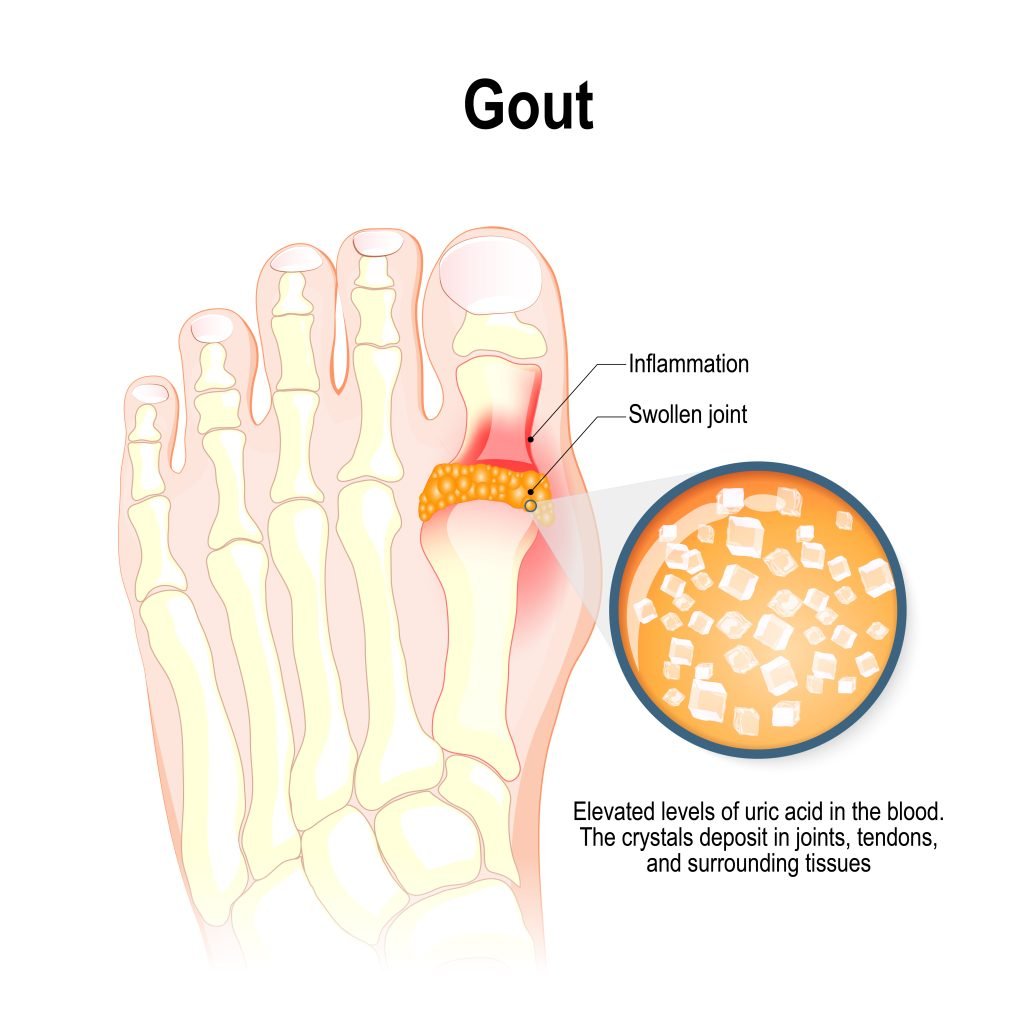
Big toe pain can have many different causes, this is why accurate diaganosis from an experienced Podiatrist is crucial. Gout is a common cause of big toe pain which is a type of arthritis that causes pain and inflamation in the toe joint.

The pain might be sharp, throbbing, or accompanied by stiffness, depending on the underlying cause. Before pursuing podiatry treatments, it’s important to identify the specific condition affecting your joint through a proper medical evaluation.

Your podiatrist will examine the joint’s range of motion, assess any visible deformities, and recommend imaging tests to confirm the diagnosis. Understanding these fundamental aspects of your condition helps to guarantee you’ll receive the most effective, targeted treatment for your specific situation.

Common Causes of Toe Pain

Your big toe joint bears significant stress and pressure with each step you take. It’s no wonder that big toe pain is a common complaint. But what’s behind this pain? Let’s take a closer look at the common causes.

Here are the four common causes of big toe pain:

  • Trauma & Sports Injuries

    Sudden injuries, such as stubble toes or sports-related injuries, can lead to big toe pain.

  • Inflammation & Arthritis

    Conditions like osteoarthritis, post-traumatic arthritis, and hallux rigidus can lead to toe joint inflammation and pain.

  • Foot Structural Issues

    Abnormalities in the structure or function of your foot can increase the stress on your big toe joint, causing pain.

  • Inappropriate Footwear

    Wearing shoes that are too tight, loose, or don't fit properly can cause prolonged stress on your big toe joint, resulting in pain and discomfort.

These causes can lead to big toe pain challenging everyday activities. By understanding the root cause of your pain, you can take the first step toward finding relief and regaining your freedom to move without discomfort.

Toe Joint Risk Factors to Consider

toe foot joint big toe pain
What may feel similar to gout could actually be sesamoditis. An inflammation of the sesamoid bones and tendons in the ball of the foot, usually caused by overuse. This again highlights the importance of getting the right diagnosis so the right treatment plan can be put in place.

While many focus solely on treating big toe pain after it develops, understanding key risk factors can help prevent problems before they start. Your daily activities, footwear choices, and physical conditions are essential in determining your risk level.

Risk Factors Impact Level
Biomechnical issues
Overpronation and flat feet strain the joint
Activity type
Running or dancing creates repetitive stress
Footwear choices
Narrow shoes or high heels compress joints
Medicial conditions
Gout/arthritis increase inflammation

By understanding these risks, you can better make informed decisions about footwear, activities, and preventive care strategies.

Diagnosing and Assessing Toe Pain

Several pivotal steps are involved in diagnosing and evaluating foot and toe pain. Your podiatrist will conduct a thorough physical examination to assess the affected area, including the hallux and metatarsophalangeal joint. We’ll look for signs of swelling, redness, foot deformity, and tenderness and evaluate your range of motion.

bunion corrector
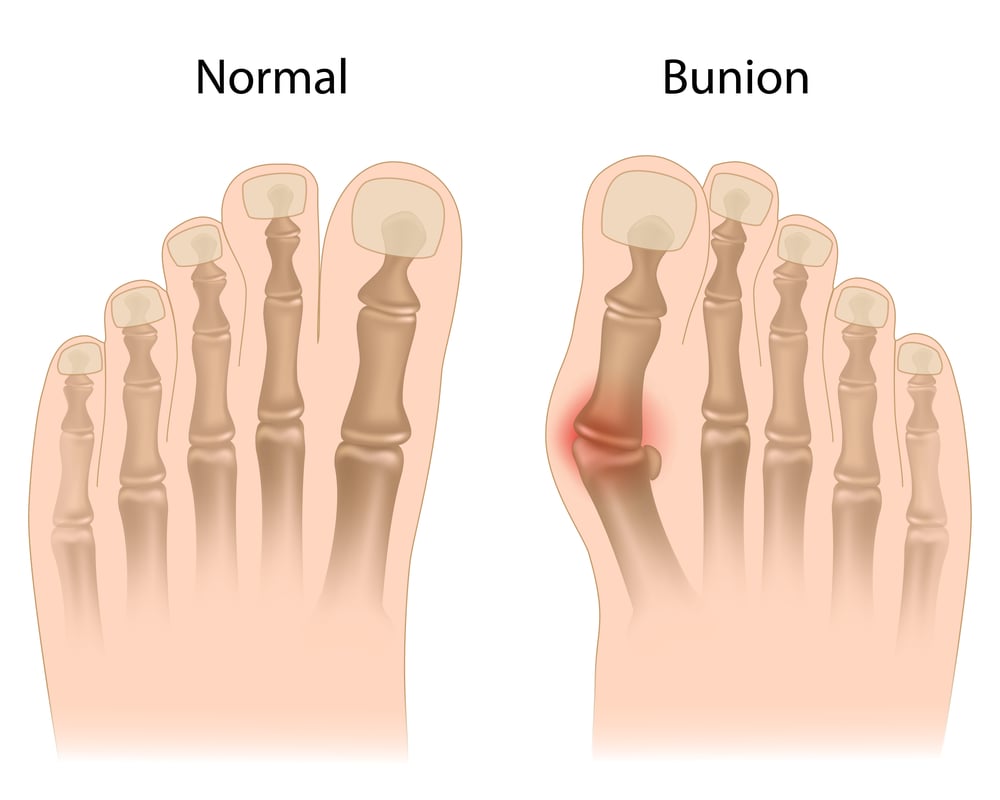
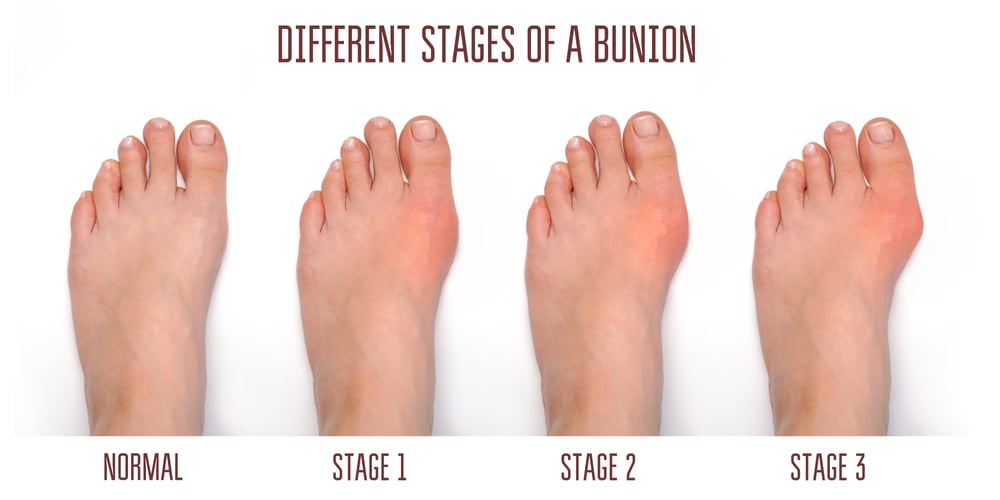
The earlier you look into non-surgical treatments for your bunions, the more beneficial they will be. There may be rare cases where your podiatrist recommends surgical intervention for severe cases.

Your podiatrist will ask you to describe your symptoms during the pain assessment, including when the pain occurs and what activities exacerbate it. This information will help your podiatrist pinpoint the underlying cause of your foot and toe pain.

Here are four pivotal steps in the diagnostic process:

  • Physical Examination

    A thorough exam to assess the affected area and identify potential causes of pain.

  • Imaging Studies

    To assess the severity of foot conditions and provide detailed insights into bone structure and joint alignment, physicians may order X-rays, MRIs, or ultrasounds.

  • Pain Assessment

    During the pain assessment, we will ask you to describe your symptoms to identify patterns and potential causes.

  • Early Intervention

    Prompt diagnosis and treatment can prevent further damage or deformities and improve the overall quality of life.

Evidence-Based Podiatry Toe Joint Treatments

Modern podiatry offers many evidence-based treatments for big toe pain, targeting symptom management and underlying causes. Evidence-based podiatry treatments focus on three key areas:

Your podiatrist will likely start with conservative treatments, including custom orthotic devices that redistribute pressure and support proper toe alignment. 

Physical therapy programs can strengthen the surrounding muscles and improve joint mobility. Proper footwear choices prevent further irritation and support healing.

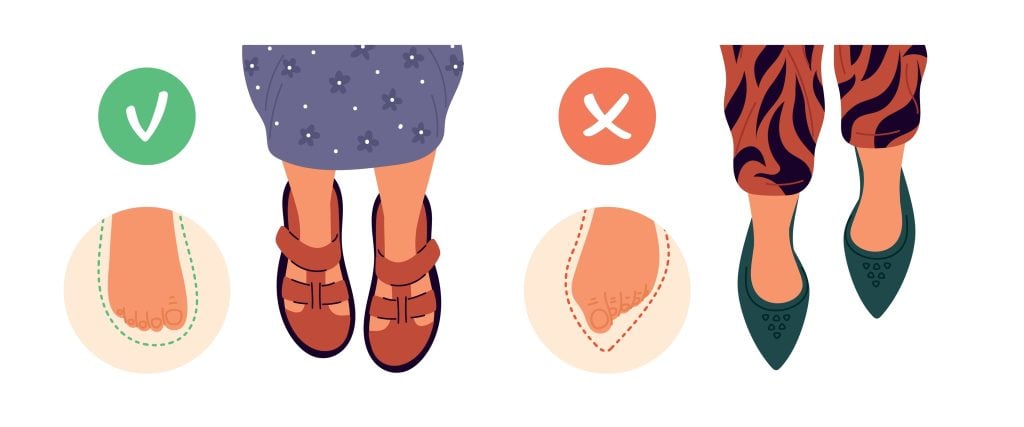
Wearing properly fitted shoes with a wide toe box and low (if any) heels is the ideal choice of footwear to reduce your likelihood of getting an ingrown toenail. An experienced podiatrist can review your footwear and guide you on the best possible choices.

When conservative methods don’t provide sufficient relief, you’ll have access to more advanced treatment options. These include specialised injections to reduce inflammation, advanced physical therapy techniques, and surgical interventions when necessary.

Evidence-based podiatry treatments aim to alleviate your immediate discomfort and prevent future issues. By following your podiatrist’s recommended treatment plan, you’re taking steps toward restored foot function and improved quality of life.

Lifestyle and Preventative Joint Pain Strategies

While evidence-based podiatry treatments can relieve big toe pain, you can also take proactive steps to prevent or minimize its occurrence.  By incorporating lifestyle modifications and preventive measures into your daily routine, you can reduce the risk of metatarsophalangeal joint pain and enjoy a life free from the constraints of big toe pain.

You are empowered to take control of your joint health. Here are four ways to do it:

  • Choose Freedom-Friendly Footwear

    Select shoes with wide toe boxes and adequate arch support to minimize pressure on your big toe joints.

  • Stay Active With Exercise

    Engage in regular physical activity and incorporate foot-strengthening exercises to support joint health and reduce the risk of pain.

  • Use Orthotic Devices

    Custom orthotics and inserts can help alleviate stress on your big toe joint, relieving joint pain.

  • Warm-Up Wisely

    Incorporate proper warm-ups before physical activities to reduce the likelihood of joint pain and prevent conditions like hallux rigidus. These proactive steps allow you to enjoy a life without big-toe joint pain limitations.

When to Seek Professional Help For Big Toe Pain

Understanding when to seek expert help for big toe pain is crucial in long-term joint health:

Early intervention is key to preventing the worsening of symptoms. Discuss any history of trauma, previous foot injuries, or known conditions with your podiatrist. We’ll evaluate your symptoms and consider diagnostic tests to identify the root cause of your discomfort. This approach enables them to create a personal treatment plan tailored to your needs.

Is heel pain stopping you from doing the things you enjoy? You don't need to put up with it, there are effective and lasting treatments available. Get the help you need today.

A podiatrist can guide you through evidence-based interventions, including recommending appropriate footwear or orthotics. By seeking expert help, you ensure you can maintain an active lifestyle without the burden of ongoing foot pain while promoting optimal foot health and mobility.

In Closing...

Big toe pain can be debilitating, but it’s not a condition you must live with. By understanding the causes, such as arthritis, bunions, and injuries, and engaging with evidence-based podiatry treatments like custom orthotics, physical therapy, and anti-inflammatory medications, you can take control of your pain.

At Bellevue Podiatry, our team provides comprehensive care and tailored treatment plans to address your specific needs. Don’t let big toe joint pain hold you back; contact us today to take your first step toward pain-free living.

Ignoring big toe joint pain never cures it and your situation will likely get worse the longer you leave it.   

Take control today by booking in online or call us today on (03) 9457 2336 to see one of our podiatrists and get this issue sorted once and for all.

Picture of Bellevue Podiatry - Book Treatment Provider

Bellevue Podiatry - Book Treatment Provider

Bellevue Podiatry has been serving the people of Rosanna and its surrounding suburbs for over 10 years. We have the experienced and education to effectively treat any lower limb condition or injury that requires expert podiatry care.

Toe Joint Health Article References:

Painful Feet? Learn About Causes, Evidence-Based Podiatry Treatments & Prevention

According to recent studies, over 75% of people experience significant foot pain at some point in their lives, yet only a third seek professional treatment.

If you’re suffering from foot discomfort, you’re likely familiar with how it can impact every aspect of your daily activities, from basic walking to exercise. While the causes of foot pain can range from improper footwear to complex medical conditions like peripheral neuropathy, understanding the root cause is essential for effective treatment.

Let’s explore the evidence-based approaches we recommend to help you regain mobility and comfort, starting with the most common underlying factors.

Key Takeaways

Common Causes of Foot Pain

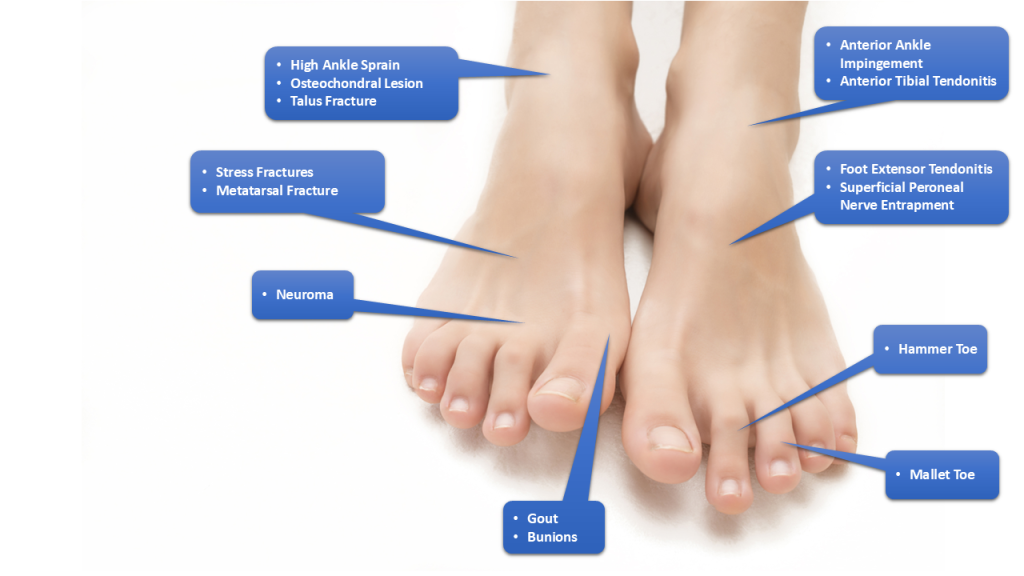
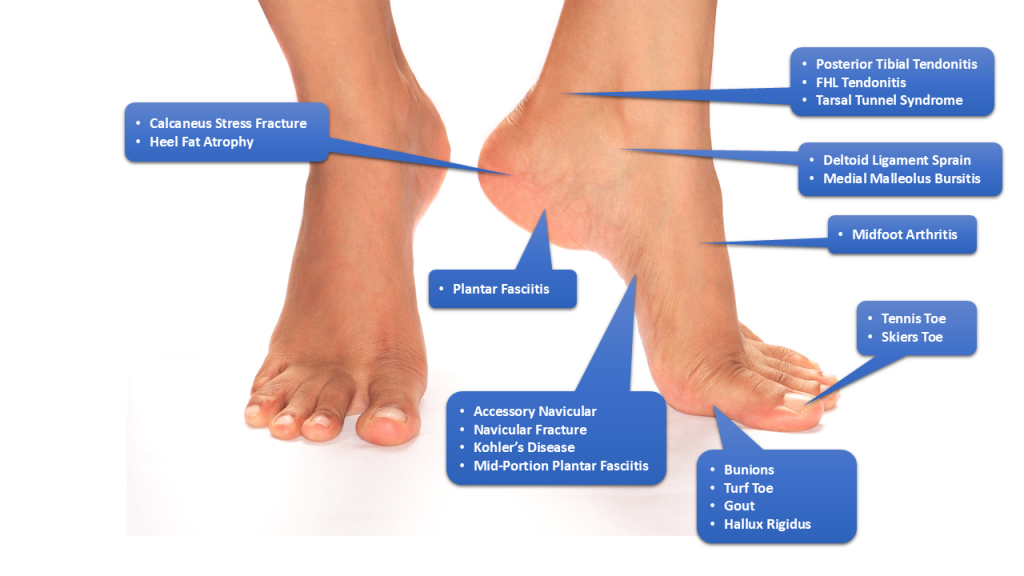
The human foot is an incredibly complex structure which means there is no shortage of health issues that can flare up. This image lists out several of the most common ones we see at Bellevue Podiatry.

Five primary factors contribute to foot pain that podiatrists commonly encounter in clinical practice:

When you experience sudden, severe foot pain, can’t bear weight, or notice changes in blood flow, you’ll need immediate medical attention. Your podiatrist will evaluate your posture and walking patterns, possibly ordering X-rays to determine the cause.

The diagnosis makes various treatment options available, including custom orthotics, physical therapy, or surgical intervention. Understanding these common causes helps you identify when to seek professional care and take preventive measures to maintain healthy, pain-free feet.

Types of Foot Pain

The potential foot pain issues continues with painful problems that can occur on the side of your foot as well. If you have any kind of persistent foot pain, we encourage you to seek the help of an experienced foot pain Podiatrist.

Various foot pain conditions present distinct symptoms and characteristics that help guide diagnosis and treatment. When you experience pain on top of your foot or soreness outside your foot, it’s important to identify the specific type of discomfort to determine the most effective treatment approach.

Walking difficulty often results from common foot injuries, which podiatrists can diagnose and treat through various interventions, including corticosteroid injections when necessary.

Understanding different types of foot pain helps you take control of your foot health:

Prevention strategies play an important role in managing these conditions. You can maintain optimal foot health by focusing on proper footwear selection, regular foot care, and early detection of problems. When pain persists, don’t hesitate to seek professional evaluation; addressing issues promptly helps prevent chronic conditions and maintains your mobility independence.

Understanding Foot Anatomy

While your feet may seem simple on the surface, they contain an elaborate network of 26 bones, multiple joints, muscles, tendons, and ligaments working together to support your body weight and enable movement. Each component of your foot anatomy is essential in maintaining balance, absorbing shock, and propelling you forward with every step.

For a relatively small part of the human body, the foot has 26 bones in it making it highly complex and prone to injury.

Your foot’s complex structure allows for remarkable adaptability across various surfaces and activities. The bones provide structural support, while joints enable flexibility and range of motion. Muscles and tendons work harmoniously to control movement, and ligaments maintain stability by connecting bones to other bones. Understanding this elaborate system helps explain why foot pain, inflammation, or injury can greatly impact mobility and quality of life.

Along with the complexity of 26 bones, the human foot an incredible amount of muscles, tendons and ligaments. Again, this level of complexity means there are many places where foot pain and injury can be experienced.

Proper foot function depends on all these components working together seamlessly. A compromised element can trigger a cascading effect, resulting in compensatory movements that could exacerbate stress on other parts of your foot.

That’s why maintaining excellent foot health through appropriate footwear and preventive care is essential for preserving your freedom of movement and preventing future complications.

Evidence-Based Podiatry Treatments

When dealing with foot pain, it’s vital to seek evidence-based podiatry treatments that can effectively address the underlying issues:

Orthotics

Customised orthotic shoe inserts are one of your first lines of defence, correcting your foot alignment and providing much-needed relief. 

By addressing structural abnormalities and offering personalised support, orthotics can help you regain your pain free stride without discomfort.

Custom Orthotics can be an effective & lasting treatment option for foot pain. Podiatrist experience matters, make sure you work with a professional with many years of foot pain experience.

Physical therapy is another essential component of evidence-based podiatry care. A trained podiatrist will guide you through exercises designed to strengthen your foot muscles, increase flexibility, and correct any gait issues that might be contributing to your pain. 

This hands-on approach empowers you to participate in your treatment actively and ensures you have the necessary tools to sustain your foot health.

Your prescribed exercises will depend on your podiatrist’s diagnosis, however is a useful video tutorial from MOVE with Dr. Mike to give you an idea of some common and effective foot strenghening exercises.

Podiatrists may recommend corticosteroid injections in cases of severe inflammation and persistent pain. 

Direct delivery of this powerful anti-inflammatory directly to the affected area provides targeted relief from conditions such as plantar fasciitis or Morton’s neuroma.

Surgical interventions such as bunion removal or hammertoe correction may be necessary for more complex or advanced foot issues. 

These procedures aim to address the root cause of your foot pain, promoting long-term healing and preventing future flare-ups.

bunion corrector
The earlier you look into non-surgical treatments for your bunions, the more beneficial they will be. There may be rare cases where your podiatrist recommends surgical intervention for severe cases.

Entrusting your foot care to evidence-backed interventions empowers you to manage pain effectively, fostering a robust and healthy foundation for your active lifestyle.

The bottom of your foot can have a wide range of panful foot health issues. Each issue is unique and different in its treatment. Make sure you're getting the right foot health advice from a Foot Pain expert.

Choosing the Right Footwear for Your Foot Type

Selecting appropriate footwear based on your foot type is vital for maintaining foot health and preventing painful conditions:

  • Foot Arch Type

    Your foot arch type, whether low, medium, or high, greatly influences the support your feet need. Choosing shoes that match your arch type guarantees proper alignment and reduces the risk of developing issues like plantar fasciitis or shin splints.

  • Stability

    Stability shoes provide the necessary support for those prone to overpronation to prevent your feet from rolling inward excessively. If you suffer from severe overpronation, motion-control shoes offer an even higher level of support to keep your feet in a neutral position, warding off potential injuries and discomfort.

  • Cushioning

    Pay attention to the cushioning in your shoes' heel and forefoot areas. Adequate cushioning absorbs shock, reducing the impact on your feet and joints as you walk or run. This feature is essential for preventing conditions such as metatarsalgia and stress fractures.

  • Spacious Toe Box

    Don't overlook the importance of a spacious toe box. Having enough room for your toes to move freely can prevent the development of bunions, hammertoes, and other painful deformities. Keeping your toes unrestricted can significantly improve your comfort and foot health.

Key Preventive Foot Pain Strategies

Foot pain doesn’t have to be an inevitable consequence of daily activities; by implementing strategic preventive measures, you protect your feet from common ailments.

One fundamental step is selecting comfortable footwear with ample cushioning and arch support tailored to your foot’s unique contours. This simple measure mitigates pressure and minimises the risk of conditions like heel spurs and Morton’s neuroma.

Regular foot stretches and exercises enhance flexibility, fortifying your feet against potential injuries. Maintaining a healthy weight significantly reduces the strain on your feet, lowering the incidence of bunions and hammertoes.

Here’s a quick reference table for preventive strategies:

Strategy Purpose Benefit
Comfortable footwear
Cushions and supportive feet
Reduces pressure and injury risk
Foot stretches and exercises
Improves flexibility
Enhances foot durability
Maintain healthy weight
Minimises stress on the feet
Prevents bunions and hammertoes

Moreover, proper foot hygiene is essential to safeguard against infections and skin irritations. Keeping your feet clean and dry can stave off conditions like an athlete’s foot.

Finally, regularly replace worn-out shoes; they can lose effectiveness, leaving your feet vulnerable. Ensuring adequate support and cushioning with fresh footwear strengthens your foundation, empowering your journey toward foot health freedom.

When to See a Foot Pain Podiatrist

During the progression of foot pain, knowing exactly when to consult a podiatrist can make a significant difference in treatment outcomes.

When you’re experiencing severe or sudden foot pain that prevents you from bearing weight, don’t delay seeking professional help. This immediate attention can prevent further complications and start you on the path to recovery sooner.

Podiatrists are experts at treating your feet with the latest technology and evidence-based treatments. Don't hestiate in making an appointment to get the care you need.

You’ll want to schedule an appointment with a podiatrist if you’ve recently injured your foot and the pain persists. Additionally, professional evaluation becomes vital if you’re dealing with medical conditions affecting blood flow or have developed open wounds on your feet.

Your podiatrist will thoroughly assess your posture, foot structure, and walking pattern to identify the root cause of your discomfort.

Your podiatrist may often recommend X-rays to diagnose underlying issues that aren’t visible during the physical examination. These detailed images help create a precise treatment plan tailored to your specific condition. By seeking expert care at the right time, you control your foot health and ensure the most effective treatment approach.

In Closing...

Ensuring the health and comfort of your feet is crucial for maintaining a high quality of life. Foot pain can stem from various causes, including poorly fitting shoes, trauma, arthritis, and conditions like plantar fasciitis and Morton’s neuroma.

Individuals can find relief and restore their mobility by understanding these causes and leveraging evidence-based podiatry treatments such as custom orthotics.

At Bellevue Podiatry, our expert podiatrists are committed to providing personalised care to address your needs. Take the first step toward pain-free living by scheduling an appointment with us today.

Ignoring foot pain never cures it and your situation will get worse the longer you leave it.   

Take control today by booking in online or call us today on (03) 9457 2336 to see one of our podiatrists and get this issue sorted once and for all.

Picture of Bellevue Podiatry

Bellevue Podiatry

Bellevue Podiatry has been serving the people of Rosanna and its surrounding suburbs for over 10 years. We have the experienced and education to effectively treat any lower limb condition or injury that requires expert podiatry care.

Article References:

If you would like a deeper understanding of the content discussed in this article, please click on the links below:

  1. Mount Sinai, New Yorkhttps://www.mountsinai.org/health-library/symptoms/foot-pain
  2. HealthPartners Bloghttps://www.healthpartners.com/blog/foot-pain-causes/
  3. Healthlinehttps://www.healthline.com/health/foot-pain
  4. Cleveland Clinichttps://my.clevelandclinic.org/health/symptoms/foot-pain
  5. MedlinePlus Medical Encyclopaediahttps://medlineplus.gov/ency/article/003183.htm

Painful Corn In Toe? Learn About At Home Skin Care & Evidence-Based Podiatry Treatments That Work

If you have a painful corn on your toe, you’re likely experiencing one of the most common yet uncomfortable foot conditions affecting your daily activities. Persistent discomfort when walking, difficulty wearing your favourite shoes, and the unsightly appearance of hardened skin can be frustrating.

While over-the-counter treatments and home remedies offer temporary relief, understanding the underlying causes and available professional therapies is essential for long-term success.

In our latest blog, we will explore scientifically proven solutions and expert-recommended care strategies to help you regain comfort and protect your foot health.

Key Takeaways

Understanding Corns on Toes

Understanding the nature of corn on the toes involves recognising its distinct characteristics and root causes. Corn on the toe develops when the skin thickens in response to persistent pressure and friction, forming a protective barrier that can become painful over time.

corn corns treatment feet mayo clinic
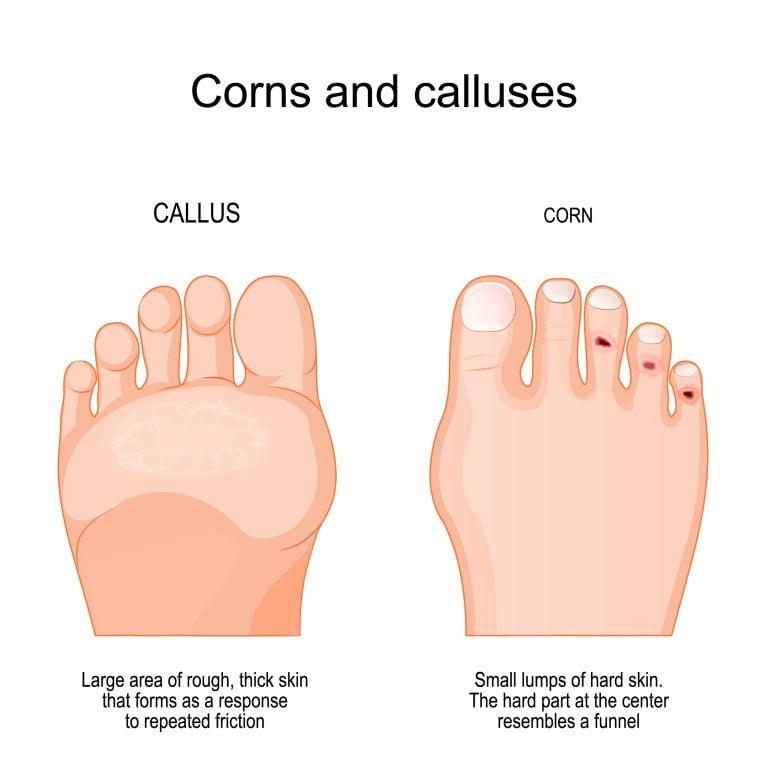
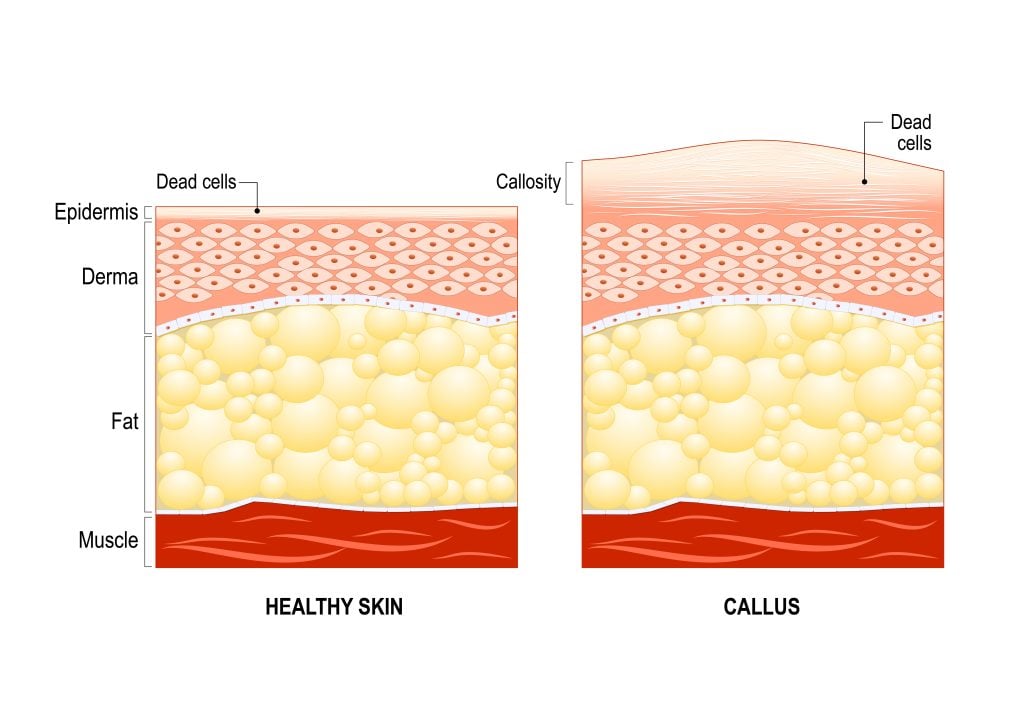
Although they can appear together and look similar in some cases, corns and calluses are different from each other and both require their distinct evidence-based treatment techniques.

You’ll typically find firm foot corns on the tops or sides of your toes, while soft corns tend to form between them where moisture accumulates.

If you have corn on your foot, you might notice a concentrated area of hardened skin that is particularly sensitive to touch or pressure. These foot corns often signal underlying issues with your footwear or foot structure that need addressing.

While some people mistake callus disease for corns, they’re distinct conditions—corns are smaller and more focused, while calluses spread over larger areas.

Your toes are especially vulnerable to developing corns when you wear ill-fitting shoes or have structural abnormalities that create pressure points. Understanding these factors is essential because effective corn-on-the-feet treatment depends on identifying and addressing the pressure source, not just treating the symptoms.

Foot Corn Causes and Symptoms

The development of foot corn follows distinct patterns you’ll need to recognise for effective treatment. When experiencing painful corns on your toes, you’ll typically notice a hardened, raised area of skin that’s tender to touch. These lesions develop primarily due to excessive friction and pressure, often caused by ill-fitting shoes or underlying foot disorders.

Location Type Common Causes
Top of toes
Hard corns
Tight shoes and bone pressure
Between toes
Soft corns
Moisture, toe friction
Ball of foot
Seed corns
Repeated pressure points
Side of toes
Hard corns
Narrow footwear
Under toes
Plantar corns
Weight-bearing pressure

You’ll notice that corns differ from regular calluses’ appearance and sensation. While calluses are generally flat and painless, corns have a distinct central core that can cause sharp pain when pressed.

Understanding these symptoms is pivotal for proper treatment planning. If you’re experiencing persistent corn pain, it’s essential to recognise that this could signal more profound foot disorders that require professional assessment. 

Early identification of corn symptoms helps prevent complications and guides appropriate treatment choices.

At-Home Care Strategies for Foot Corns

Several effective strategies can offer relief and contribute to overall foot health when managing foot corns at home. Corns in the toe often stem from repeated friction and pressure, leading to rough skin and discomfort. Thankfully, there are simple, evidence-driven steps you can take to address this issue effectively.

ingrown toenail
Regular warm water Epsom salt soaks will help reduce any inflammation caused by early onset ingrown toenails. Remember if at home care doesn't resolve your ingrown toenail, you must seek professional intervention immediately.
  • Soak Your Feet

    Immerse the affected foot in warm water to soften the corn and soothe irritation, a technique both Sinai and Mayo Clinic suggest for managing rough skin.

  • Gently File the Corn

    After soaking, use a pumice stone or emery board to carefully file down calluses on the corn. This helps remove the corn gradually without causing damage.

  • Hydrate Your Skin

    Regularly apply moisturising lotion to the foot to keep the skin soft and prevent future corn development, fostering long-term health.

  • Use Proitective Padding

    Corn pads or toe sleeves provide a cushioning layer, reducing repeated friction and pressure on the corn in the toe.

  • Select Appropriate Footwear

    Wearing properly fitting shoes that don't squeeze your toes can alleviate pain and prevent the further formation of foot corns.

Podiatry treatments That Work for Foot Corn Removal

Professional podiatry treatments offer targeted, evidence-based solutions for persistent foot corns that haven’t responded to at-home care. Leading institutions like Mount Sinai and Mayo Clinic recommend seeking podiatric intervention when corns become painful or interfere with daily activities.

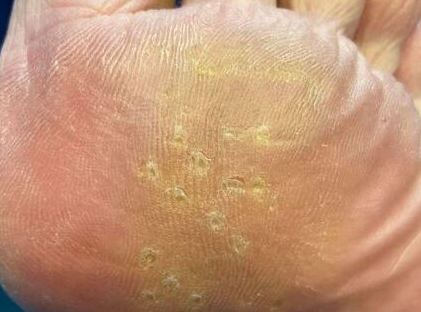
Seed corns don't look like your typical foot corn. They are smaller areas of thickened skin that can be painful to touch. The good news is many effective & lasting treatment options are available.

Corn Prevention and Foot Care Tips

Many practical strategies can help prevent corn disease and maintain ideal foot health. Implementing proper foot care can minimise the risk of developing painful corn.

It’s crucial to be attentive to changes in your foot structure or walking gait, as these can contribute to corn. If needed, consult a podiatrist for professional advice. Here are some essential tips to follow:

61c7pbzOQbL. AC SX679
With a 40% urea content, our urea cream may immediately soften corns & calluses and hydrate the outermost layer of the skin. The combined 2% salicylic acid also increases the exfoliating power.

When to Seek Professional Corn on Toe Treatment

How do you determine when painful corn on your toe necessitates professional attention? If you’ve attempted home care and the corn persists, it’s time to consult a podiatrist. Neglecting a painful corn can result in infection, discomfort, and potential foot deformities.

You should seek expert treatment if:

  • Persistent Corns Pain

    If the corn is causing pain and affecting your daily activities, it's time to visit a podiatrist.

  • Home Remedies Ineffective

    If you've tried alleviating pressure and using padding, but the corn persists, you require expert assistance.

  • Skin Looks Infected

    If you observe signs of infection, such as the area around the corn turning red, swollen, or warm to the touch, seek immediate attention.

  • Underlying Medical Condition

    If you have diabetes, poor circulation, or other conditions impacting your feet, it's crucial to seek professional care to prevent complications.

A podiatrist can offer research-based treatments, such as safely removing the hardened skin and addressing underlying issues. By seeking timely expert care, you can receive personalised treatment and guarantee optimal recovery from the painful corn on your toe.

Summing It All Up...

A combination of at-home care and professional podiatry treatments is essential to manage painful corn on your toes effectively. This approach includes soaking your feet in warm water, gently filling the corn with a pumice stone, and using appropriate padding to reduce friction.

Regularly maintaining this foot care routine and consulting a podiatrist for expert guidance ensures long-term relief from discomfort.

Our experienced practitioners at Bellevue Podiatry dedicate themselves to providing personalised treatments tailored to your needs. Contact us today to schedule an appointment and start your journey toward healthy, pain-free feet.

Do your corns or calluses make it difficult to wear shoes and enjoy walking?  Don’t put up with it any longer, take control today by booking in online or call us today on (03) 9457 2336 to see one of our podiatrists and get rid of your corns and calluses once and for all.

Picture of Bellevue Podiatry Callus & Corn Care

Bellevue Podiatry Callus & Corn Care

Bellevue Podiatry has been serving the people of Rosanna and its surrounding suburbs for over 10 years. We have the experienced and education to effectively treat any lower limb condition or injury that requires expert podiatry care.

Health Article References:

If you would like a deeper understanding of the content discussed in this article, please click on the links below:

  1. American Academy of Dermatology: https://www.aad.org/public/everyday-care/injured-skin/burns/treat-corns-calluses
  2. Healthline: https://www.healthline.com/health/how-to-get-rid-of-corns
  3. Mayo Clinic News Network: https://newsnetwork.mayoclinic.org/discussion/home-remedies-corns-and-calluses/
  4. Cleveland Clinic: https://my.clevelandclinic.org/health/diseases/16896-corns-and-calluses

Corns and Calluses on Feet Treatment: How Does A Podiatry Clinic Get Rid of Them?

Are you experiencing persistent corns that continue to resurface despite your efforts to treat them and to ensure you wear proper footwear?

When it comes to corn and calluses, a podiatrist will conduct a thorough assessment, pinpoint the excessive pressure or friction causing the issue, and tailor an individualised plan for its resolution.

As experts in this domain, we will employ instruments designed for specialised removal, prescribe orthotics, and suggest the best-fitting footwear. These actions not only address immediate discomfort but also prevent recurrence.

As you consider your options to eliminate your corns and calluses, understanding each step of this all-encompassing approach is important to achieve lasting relief.

Corn on Foot Treatment Key Takeaways

Understanding Corns and Calluses & Your Foot Health

Understanding the nature of corns and calluses is essential for maintaining foot health. These patches of hardened skin form on your feet due to excessive pressure or friction, typically from poorly fitting shoes or structural foot issues.

corn corns treatment feet mayo clinic
Although they can appear together and look similar in some cases, corns and calluses are different from each other and both require their distinct evidence-based treatment techniques.

Foot corns, being more minor and localised, requires precise attention, while the larger, widespread calluses demand a broader approach. An experienced podiatrist can provide the optimal treatment necessary to manage these problematic skin conditions effectively.

By focusing on the underlying causes, a podiatrist will assess factors such as foot structure and your choice of shoes while tailoring a treatment plan to maximise skin health. Utilising professional debridement techniques allows for the safe removal of corns and calluses while mitigating discomfort and the risk of future complications.

It’s essential to consult a podiatrist regularly to examine your feet, pinpoint the friction and pressure sources, and execute preventative strategies.

Podiatry Clinic Assessment and Diagnosis

You’ll undergo a thorough evaluation and diagnostic process when you visit a podiatry clinic for corn and callus treatment:

The diagnostic process at our podiatry clinic is essential for determining the best course of action to permanently eliminate your corns and calluses. Your podiatrist will explain their findings and discuss treatment options, empowering you to make informed decisions about your foot health and long-term management strategies.

Professional Clinic Corns and Callus Treatment

Professional corn and callus care from a podiatrist involves accurate and safe removal methods. Using sterilised medical tools, podiatrists expertly debride the affected areas, providing immediate relief from discomfort. This procedure is essential for eliminating corns and calluses on feet without risking infection or scarring.

An experienced Podiatrist can remove your corns, diagnose the cause of them and put in a treatment plan that stops them coming back. Help is available today, don't put up with painful corns any longer.

Your podiatrist will address the underlying causes of your foot corns and calluses, such as ill-fitting shoes or foot alignment issues. They’ll assess your gait patterns and foot structures to develop a personalised treatment plan. This approach guarantees long-term management and prevention of recurring corn on the feet.

You’ll receive customised advice on proper footwear selection and care techniques to maintain foot health. Professional care offers a complete solution, unlike over-the-counter remedies like Scholl’s products or DIY methods. The Mayo Clinic recommends seeking podiatric care for persistent corns and calluses to avoid complications.

Addressing Corn and Callus Root Causes

Addressing the underlying reasons behind corns and calluses is crucial for effective treatment and prevention. Podiatrists focus on identifying and mitigating the foundational factors contributing to their formation. By examining your foot structure, gait patterns, and footwear choices, podiatrists can pinpoint the sources of excessive pressure that lead to corn and callus development.

Podiatrists may recommend the following methods to treat and prevent corns and calluses effectively:

Your podiatrist will tailor a treatment plan to your specific needs. This may include professional debridement to remove existing corn and calluses and interventions to address the underlying causes.

By focusing on these fundamental issues, you’ll experience long-term relief and a reduced likelihood of recurrence.

The Mayo Clinic stresses the significance of addressing root causes in corn and callus treatment. From this clinical perspective, it is crucial to treat the visible symptoms and implement preventative measures. By adhering to your podiatrist’s recommendations, you’ll gain control over your foot health and minimise the risk of future corn and callus formations.

Long-Term Corns & Calluses Prevention Strategies

Wearing properly fitted shoes with a wide toe box and low (if any) heels is the ideal choice of footwear to reduce your likelihood of getting an ingrown toenail. An experienced podiatrist can review your footwear and guide you on the best possible choices.

Effective prevention strategies are crucial for the long-term management of corns and calluses. To minimise recurrence, you must address the underlying factors contributing to its formation:

By implementing these strategies and remaining vigilant about your foot health, you can significantly reduce your risk of developing corns and calluses in the long term.

When to Seek Professional Help for Your Feet

If you notice that your corns and calluses are causing significant discomfort or not responding to home treatments, it’s time to consult a podiatrist. The Mayo Clinic emphasises the importance of seeking professional help if you experience severe pain, inflammation, or signs of infection.

Your podiatrist can view your condition, assess the underlying causes, and offer customised treatment plans for long-term relief. Professional intervention is vital, especially if over-the-counter treatments, like those from Scholl, are ineffective or if you have diabetes or poor circulation.

person clinic
Removing a foot corn, and making sure it stays gone, starts with an accurate diagnosis of the root cause. If you don't resolve the reason you got the foot corn once & for all, it will return soon after your podiatrist removes it.

Delaying professional evaluation can lead to complications such as infections or permanent skin damage. Podiatrists ensure the safe removal of corns and calluses and investigate factors like foot structure and gait patterns to avert future issues.

A personalised approach at a clinic can aid in preventing scarring or further corn and callus development. Trust the expertise of a podiatrist to regain control over foot health, ensuring enduring comfort.

Here’s why immediate attention matters:

Concern Possible Outcome Action
Severe pain
Inability to walk
Consult a podiatrist
Inflammation
Risk of infection
Schedule a clinic visit
Diabetes
Possible complications
Prompt assessment
Poor circulation
Healing issues
Professional intervention
Persistent calluses
Scar development
Seek professional help

Summing It All Up...

The treatment of corns and calluses by podiatrists involves removing these painful skin formations and identifying and addressing their root causes. This comprehensive approach ensures long-term foot health and prevents recurrence.

By examining the foot structure, assessing footwear, and understanding the patient’s lifestyle, podiatrists can develop personalised treatment plans that include the safe removal of corn and calluses, advice on proper foot care, and strategies for preventing future issues.

In conclusion, early intervention and professional podiatric care are crucial for effectively managing corns and calluses. Rather than just treating symptoms, a podiatrist works to eliminate the underlying causes of these issues, offering a long-term solution to what could otherwise become chronic mobility problems.

If you are experiencing discomfort or pain due to corns and calluses, consult a podiatrist for expert diagnosis and treatment tailored to your unique foot needs.

Do your corns or calluses make it difficult to wear shoes and enjoy walking?  Don’t put up with it any longer, take control today by booking in online or call us today on (03) 9457 2336 to see one of our podiatrists and get rid of your corns and calluses once and for all.

Picture of Bellevue Podiatry Calluses & Corns Care

Bellevue Podiatry Calluses & Corns Care

Bellevue Podiatry has been serving the people of Rosanna and its surrounding suburbs for over 10 years. We have the experienced and education to effectively treat any lower limb condition or injury that requires expert podiatry care.

Health Article References:

If you would like a deeper understanding of the content discussed in this article, please click on the links below:

  1. APMA: https://www.apma.org/corns
  2. WebMD: https://www.webmd.com/skin-problems-and-treatments/understanding-corns-calluses-treatment
  3. NHS: https://www.nhs.uk/conditions/corns-and-calluses/

Therapy for Bunions: Podiatrist Recommend Strategies for Bunion Management | Physical Therapy

If you’re grappling with bunion discomfort, you’re not alone. Podiatrists recommend a multifaceted approach to manage this common foot condition effectively.

From selecting the proper footwear to implementing targeted exercises, a range of strategies can help alleviate pain and slow the progression of bunions. Understanding these professionals’ recommendations is pivotal for developing a personalised treatment plan.

As you consider your options, you’ll discover that bunion management isn’t just about addressing symptoms—it’s about improving your overall foot health and quality of life. Let’s explore the expert-backed methods that can put you on the path to relief.

Key Takeaways

Understanding Bunions and Their Causes

You’re likely familiar with the telltale big bump on your big toe, but understanding the underlying causes is essential for effective therapy for a bunion. Bunions, medically known as hallux valgus, are more than just an aesthetic concern; they’re a progressive deformity that can cause significant foot pain and discomfort.

While you can't completely get rid of bunions without surgery - you can significantly slow down their progression and reduce the pain they cause with other non-surgical treatments. Be aware that the earlier you start non-invasive treatments, and the more consistent you are with them, the greater success you will have treating your bunions. If you have bunions, which stage of the diagram are you at?

You’ll find that bunions develop due to a combination of factors. While genetics play a role, your choice of footwear can exacerbate the condition. Narrow shoes and high heels are the primary culprits, forcing your toes into unnatural positions. As the bunion progresses, you’ll notice increased stiffness and potentially considerable toe deformity.

It’s essential to recognise that bunions aren’t exclusive to adults; children can also develop them. Early intervention is critical to managing bunions effectively.

The Mayo Clinic and other reputable sources emphasise the importance of proper diagnoses and tailored treatment plans. Understanding the nature of bunions is the first step toward regaining control over your foot health and exploring appropriate therapies to alleviate discomfort and prevent progression.

Choosing Proper Footwear

Understanding bunions and their causes establishes the groundwork for effective management, which includes selecting appropriate footwear. Choosing the proper footwear can significantly impact bunion pain and foot health.

Wearing properly fitted shoes with a wide toe box and low (if any) heels is the ideal choice of footwear to reduce your likelihood of getting an ingrown toenail. An experienced podiatrist can review your footwear and guide you on the best possible choices.

Evaluate each shoe’s fit and comfort before purchasing. Remember, adequate room in the forefoot region and the absence of pressure points are non-negotiable. With these proactive choices, you can regain control over your bunion management and enhance daily comfort. Seeking guidance from your podiatrist ensures ongoing support tailored to your unique needs.

Benefits of Orthotic Inserts

Numerous benefits await for those who incorporate orthotic inserts into their bunion management routine. These customised devices provide essential support and realignment for your feet, effectively reducing pressure on the big toe joints. By improving your foot biomechanics, orthotic inserts offer pain relief and help prevent further bunion progression.

You can wear orthotic inserts in various shoes, ensuring continuous daily support. Podiatrists often recommend these inserts as crucial components of a comprehensive bunion management plan, recognising their ability to address individual foot concerns.

Benefit Description Impact
Support
Customised foot support
Improves stability
Realignment
Corrects foot positioning
Reduces bunion stress
Pressure reduction
Distributes weight evenly
Alleviates pain
Biomechanical improvement
Enhances foot function
Prevents progression
Versatility
Fits multiple shoe types
Provides consistent care

Foot Exercises for Relief

While orthotic inserts provide valuable support, incorporating targeted foot exercises into your bunion management routine can significantly enhance relief efforts. Foot exercises are essential in alleviating bunion pain, improving flexibility, and supporting overall foot function. A podiatrist’s personalised exercise plan can address bunion-related issues and reduce inflammation.

While a personalised consult with a professional is always a better option as the treatment can be tailored and adjusted to fit your specific needs, the following video from Rehab Science is a great tutorial for someone wanting to get an idea of what kind of physical therpay exercises they can do to manage thier bunions:

Physical therapy interventions tailored for bunions offer a thorough approach to pain management and foot health. Your podiatrist may suggest a combination of stretching and strengthening exercises to target specific areas affected by your bunion.

These exercises can help you:

Medication and Pain Relief Management

Managing bunion pain effectively often involves a combination of medication and pain relief strategies tailored to your needs:

  • Ice Therapy

    Utilising ice therapy becomes an effective strategy to mitigate pain; applying ice to the affected area for 15–20 minutes several times a day can significantly soothe bunion symptoms by minimising swelling.

  • Manual Therapy

    Another valuable technique is manual therapy, which can decrease muscle tension around the bunion, offering considerable relief from pain. In addition, customised exercises designed by your podiatrist can enhance foot function and alleviate bunion symptoms, which play an important role in your management plan.
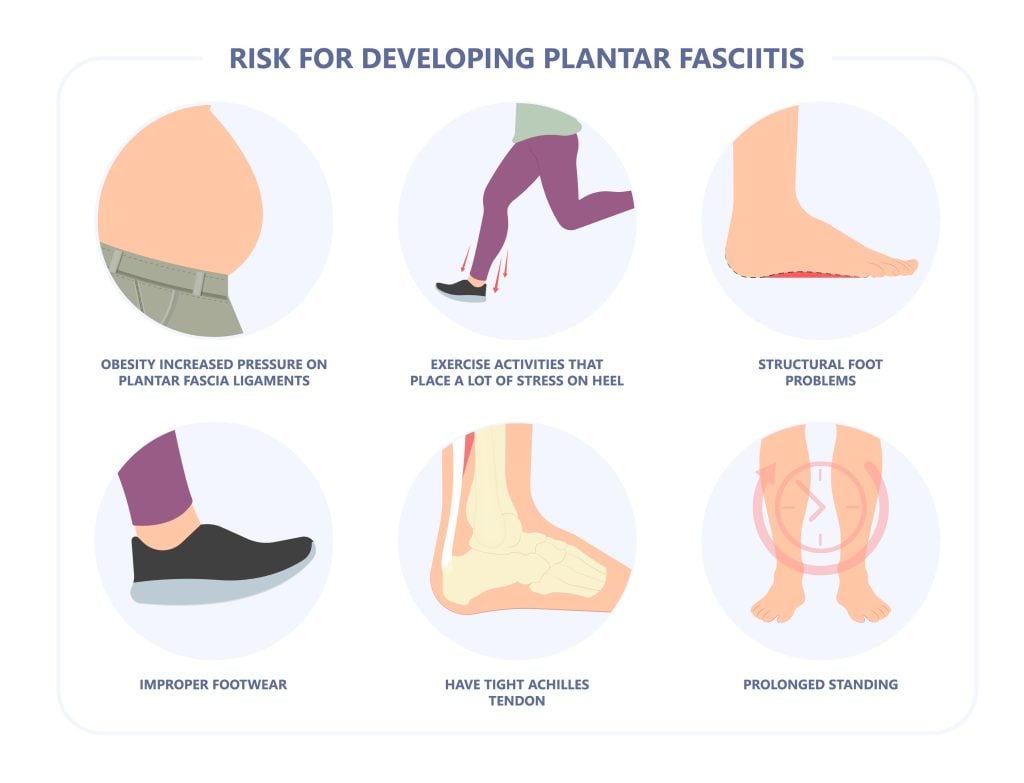
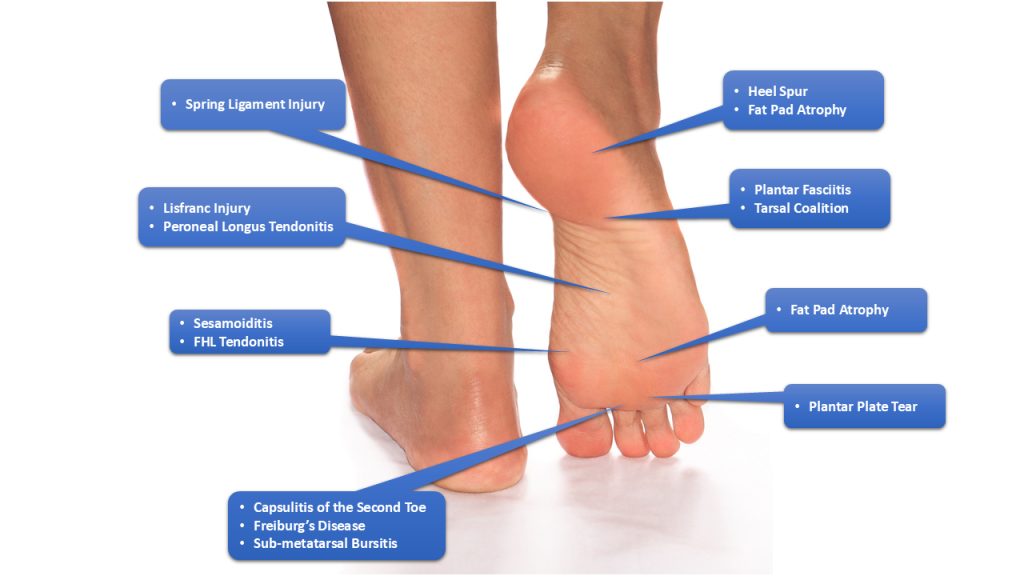
  • Orthotic Devices

    Orthotic devices further support foot realignment efforts, effectively reducing pressure on the bunion and enduring pain levels.

Under your podiatrist’s guidance, your proactive engagement with these strategies can facilitate meaningful pain relief and improve your daily foot health.

Night Splints and Pads for Reduced Pain

Night splints and bunion pads offer effective, non-invasive solutions for reducing bunion-related pain and discomfort. These podiatrist-recommended strategies play an essential role in bunion management, providing relief without invasive procedures.

Night Splint

Night splints promote gradual realignment of the big toe joint, helping alleviate bunion pain and prevent symptoms from worsening over time.

By wearing these splints during sleep, you’re taking proactive steps to improve your foot health and comfort.

operative management
A Bunion splint can effectively relieve bunion pain by easing discomfort, pressure, and inflammation. Experience relief from bunion-related discomfort when wearing a splint.

Bunion pads, on the other hand, focus on cushioning and protection.

They effectively minimise friction and irritation by reducing pressure on the affected area.

You’re actively managing your bunion discomfort by incorporating these pads into your daily routine.

To maximise the benefits of night splints and bunion pads:

Professional Therapy and Follow-Up Benefits

Although managing bunions can seem overwhelming, seeking professional therapy from a podiatrist offers a clear path to effective treatment.

Through individualised treatment plans, podiatrists focus on understanding your bunion’s severity, biomechanics, and how these factors affect your daily life. Tailored management strategies, like custom orthotics, can realign your foot, alleviate bunion pain, and enhance foot function.

Attending appointments consistently allows for close monitoring of your progress and allows for necessary adjustments in your therapy plan.

Follow-up visits play a critical role in successful bunion management, providing these targeted benefits:

Summing It All Up...

Managing bunions effectively requires a comprehensive approach that combines self-care strategies with professional guidance. Individuals can alleviate pressure and pain by adopting simple lifestyle changes such as wearing wide-toe box shoes and using orthotic inserts.

Regularly practising foot exercises and using anti-inflammatory medications can further enhance relief. Incorporating bunion pads and night splints into daily routines can provide extra support and realignment.

To achieve long-lasting relief and prevent bunions from worsening, working closely with a podiatrist is crucial.

Regular follow-ups and adherence to personalised therapy plans can ensure that you are on the path to improved foot health. By taking proactive measures and seeking professional advice, you can successfully manage bunions and maintain a healthy, active lifestyle.

Contact one of the experienced podiatrists at Bellevue Podiatry today to start your journey toward bunion pain relief and better foot health.

You don’t need to put up with Bunion pain any longer.  Call us today on (03) 9457 2336 or book online and let us get you back on your feet pain free and walking with confidence once again with our Bunion treatments.

Bunions

Understand what causes your bunions and what you can do about them. Find out what treatments can get you back to walking pain free so you can enjoy living an active life again!

operative management
Picture of Bellevue Podiatry Treatment Clinic

Bellevue Podiatry Treatment Clinic

Bellevue Podiatry has been serving the people of Rosanna and its surrounding suburbs for over 12 years. We have the qualifications, experience and education to effectively treat any lower limb condition or injury that requires expert podiatry care.

Article References:

If you would like a deeper understanding of the topics discussed in this article, please click on the links below:

  1. Mayo Clinic: https://www.mayoclinic.org/diseases-conditions/understanding-bunion-treatment-symptoms-causes-non-surgical-treatments/diagnosis-treatment/drc-20354805
  2. American Academy of Orthopaedic Surgeons: https://www.orthoinfo.org/diseases–conditions/bunions
  3. American Podiatric Medical Association: https://www.apma.org/bunions

Foot Pain: Range of Symptoms, Their Causes, and Evidence-Based Feet Podiatry Treatments

You may have experienced foot pain, ranging from mild discomfort to debilitating agony. This common issue affects millions worldwide, with symptoms varying from heel pain to nerve disorders.

While foot pain causes can include injuries, chronic conditions, and improper footwear, it’s essential to understand that effective treatments exist.

Podiatrists use advanced diagnostic methods to pinpoint the root cause and offer evidence-based solutions tailored to your condition.

By exploring the types of foot pain, their causes, and cutting-edge treatments, you’ll be better equipped to address your discomfort and improve your overall foot health.

Key Takeaways

Five Common Types of Foot Pain

The human foot is an incredibly complex structure which means there is no shortage of health issues that can flare up. This image lists out several of the most common ones we see at Bellevue Podiatry.

When experiencing foot pain, you may encounter various conditions, including heel pain from plantar fasciitis and bunions resulting from ill-fitting shoes. We list the five most common examples of foot pain we regularly see in our clinic. However, as you can see from the diagrams throughout this blog, these are just a few examples.

There are many different and distinct root causes of foot pain, so it is essential to work with an experienced foot pain podiatrist. They will accurately diagnose your specific foot pain issue, enabling the implementation of an effective and lasting treatment plan.

Heel Pain

Five primary conditions can cause heel pain, each with its unique characteristics:

ivanhoe podiatrist ivanhoe podiatrist
Inflammation of the Plantar Fasciia is often the cause of your heel pain.

Bunions represent one of the most common and often painful foot deformities. Bunions manifest as a visible bump on the large toe joint, usually accompanied by redness, swelling, and pain. You’re more likely to develop bunions if you frequently wear tight, narrow, or high-heeled shoes that put pressure on your metatarsophalangeal joint.

Due to their footwear choices, women are particularly susceptible to bunions. If left untreated, bunions can lead to significant foot deformities, altered foot biomechanics, and chronic pain.

Addressing bunions early is essential to prevent further foot pain complications and maintain proper foot function.

bunion corrector
The earlier you look into non-surgical treatments for your bunions, the more beneficial they will be. There may be rare cases where your podiatrist recommends surgical intervention for severe cases.

These are the five most common causes of ball of foot pain:

Condition Description
Morton’s neuroma
There is thickened tissue surrounding the nerve, which results in a sharp, burning pain
Metatarsalgia
Pressure on the metatarsal bones causes an aching or burning pain
Sesamoiditis
The small bones beneath the big toe are inflamed
Capsulitis
Inflammation of ligaments surrounding toe joints
Stress fractures
Repetitive stress causes tiny cracks in the metatarsal bones

Each condition presents unique symptoms and requires specific treatments. Morton’s neuromas often cause pain between the third and fourth toes, while metatarsalgia results in generalised discomfort in the ball of the foot.

Sesamoiditis, capsulitis, and stress fractures can cause localised pain and swelling. Prompt diagnosis is essential for effective management.

Nerve disorders represent another notable category of foot pain, distinct from localised discomfort in the ball of the foot. These conditions can affect various parts of your feet, causing symptoms ranging from numbness and tingling to sharp, burning painDiabetic neuropathy, a common foot nerve disorder, results from high blood sugar damaging nerves in your feet.

Other nerve disorders include:

You may experience diabetic neuropathy symptoms such as numbness, tingling, and pain in your feet. To manage this condition effectively, it’s essential to maintain regular blood sugar controlNerve damage can arise from various factors, including diabetes, alcoholism, genetic predisposition, or structural foot issues. Foot nerve pain can significantly impact your daily life, making a proper diagnosis and treatment vital.

Diabetic neuropathy is just one of the nerve disorders that can affect someone's foot health. With nerve disorders it is crucially important to your safety and the ongoing health of your feet that you seek early intervention from an experienced foot health Podiatrist.

Among the five most common types of foot pain, corns and calluses often plague those who spend long hours on their feet. These conditions arise from prolonged friction and pressure on the skin, resulting in thickened, hardened tissue areas.

You’ll often find that ill-fitting shoes, exceptionally high heels, and repetitive activities contribute significantly to these painful growths.

Do you have raised layers of dead skin on one or more pressure points on your feet? These are likely calluses and will only get worse, and more painful, if they are left untreated.

Common Causes of Foot Pain

Mastering the complexities of foot pain begins with understanding its common causes, ranging from overuse injuries like plantar fasciitis and Achilles tendinopathy to structural abnormalities like flat feet or high arches.

The bottom of your foot can have a wide range of panful foot health issues. Each issue is unique and different in its treatment. Make sure you're getting the right foot health advice from a Foot Pain expert.

Proper footwear and maintaining healthy body mechanics are essential in mitigating these foot pain risks. By identifying these underlying causes, you can work toward evidence-based interventions tailored to alleviate your specific foot pain effectively.

Home Remedies You Can Try

Simple home remedies often alleviate foot pain and worth trying to test what level of remedy they bring.  Next time you have some kind of foot pain, consider the following:

While these home remedies can be effective for many types of foot pain, it’s essential to consult a podiatrist if symptoms persist or worsen. They can provide a proper diagnosis and recommend more targeted treatments, ensuring you address the root cause of your foot pain effectively.

Podiatry Clinic Diagnostic Methods

When foot pain home remedies fail to relieve persistent foot pain, podiatry clinics offer advanced diagnostic methods to identify the root cause of your discomfort. Podiatrists at renowned institutions like Mount Sinai or Mayo Clinic employ various techniques to evaluate your foot health. They’ll conduct physical examinations, analyse your gait, and may order imaging tests, such as X-rays or MRIs, to visualise internal structures.

The potential foot pain issues continues with painful problems that can occur on the side of your foot as well. If you have any kind of persistent foot pain, we encourage you to seek the help of an experienced foot pain Podiatrist.

Podiatry clinics use specialised tools and assessments to pinpoint the source of your pain:

These diagnostic methods help create individualised treatment plans based on evidence-based practice.

By examining your foot structure, range of motion, and muscle strength, podiatrists can determine the underlying causes of your discomfort. Whether it’s plantar fasciitis at the bottom of your foot or a more intricate condition, these thorough evaluations ensure you receive targeted care.

Share your symptoms openly with your podiatrist to maximise the effectiveness of these diagnostic methods and regain control over your foot’s health.

Evidence-Based Foot Treatments

Evidence-based treatments for foot pain offer a comprehensive approach to addressing various conditions and symptoms. Podiatrists employ a range of interventions, including orthotic therapy, exercise programs, and manual therapy, tailored to target specific issues.

Physical therapy interventions, such as stretching exercises and strengthening programs, have proven effective in reducing foot pain and improving function.

Custom orthotics are pivotal in correcting foot biomechanics, redistributing pressure, and providing support, particularly for conditions like plantar fasciitis and bunions. Research indicates that multimodal treatment approaches yield better outcomes compared to single interventions.

Treatment Conditions Addressed Evidence of Effectiveness
Orthotic Therapy
Plantar Fasciitis, Bunions
High
Exercise Programs
General Foot Pain
Moderate to High
Manual Therapy
Various foot conditions
Moderate
Custom Orthotics
Biomechanical Issues
High
Multimodal Approaches
Multiple Foot Problems
High

Preventative Measures

The importance of preventive measures extends beyond the scope of evidence-based foot treatments. Taking a proactive approach can significantly decrease the risk of developing foot discomfort, arthritis, and even fractures.

Regular examinations and care for your feet are essential. Selecting suitable footwear with sufficient arch support and cushioning will help avert deformities and lessen discomfort.

Custom Orthotics can be an effective & lasting treatment option for foot pain. Podiatrist experience matters, make sure you work with a professional with many years of foot pain experience.

Sustaining a healthy weight is crucial to easing pressure on your feet and thus diminishing the likelihood of musculoskeletal issues. Engage in consistent foot exercises to boost foot strength and flexibility. Establishing a thorough routine will guarantee long-term foot health, reducing the need for frequent office visits or interventions.

Preventative Measures Benefits Professional Guidance
Footwear
Lowers risk of deformities
Consult a podiatrist
Healthy weight
Reduces foot pressure
Personalised advice
Foot exercises
Improves strength & flexibility
Tailored program with technique advice
Regular inspections
Identify issues early
Expert foot health issue detection
Consult a podiatrist
Customised preventive strategies
Schedule an office visit

Seeking professional guidance from a podiatrist is always advantageous. We offer personalised preventive measures, addressing your individual needs and ensuring optimal foot health. Early prevention is the key to a pain-free future.

When to Seek Health Provider Help

When foot pain persists for over a few days or becomes severe, it’s essential to seek help from a healthcare provider. Understanding when you need professional intervention can prevent complications and improve your overall well-being. Here are circumstances when consulting a healthcare provider is necessary:

  • Persistent Pain

    If foot pain doesn't improve with rest or over-the-counter treatments and interferes with daily mobility, don't delay seeking medical advice.

  • Inflammation

    Signs of inflammation, such as swelling, redness, or warmth around the foot, mainly when associated with fever, necessitate an immediate evaluation by a professional.

  • Numbness & Tingling

    This can indicate nerve issues, such as those in conditions like diabetes or arthritis. Early medical interventions can help manage these symptoms effectively.

  • Post-Trauma Pain

    Sudden foot pain following an injury requires urgent medical attention to rule out fractures or severe damage.

A healthcare provider will assess your symptoms and develop a tailored treatment plan. This approach ensures you maintain control over your health and mobility, mitigating potential risks associated with untreated foot conditions. 

Summing It All Up...

Foot pain encompasses many symptoms and causes, from common conditions like plantar fasciitis and Morton’s neuroma to more specific issues such as fallen arches and sesamoiditis.

Home remedies like the RICE method (rest, ice, compress, elevate) and appropriate footwear choices can offer temporary relief, but persistent or worsening pain often necessitates professional podiatric care.

For lasting relief, it is crucial to identify the underlying cause of your foot pain. Consulting a podiatrist can help you understand the root cause and devise an effective treatment plan. By combining these treatments with preventative measures, such as wearing supportive shoes and shoe inserts, you can take proactive steps toward healthier feet and a better quality of life. Don’t hesitate to seek help if your pain persists or worsens.

Ignoring foot pain never cures it and your situation will get worse the longer you leave it.   

Take control today by booking in online or call us today on (03) 9457 2336 to see one of our podiatrists and get this issue sorted once and for all.

Picture of Bellevue Podiatry

Bellevue Podiatry

Bellevue Podiatry has been serving the people of Rosanna and its surrounding suburbs for over 10 years. We have the experienced and education to effectively treat any lower limb condition or injury that requires expert podiatry care.

Article References: