Blog - Page 7 of 12 | bellevue Podiatry

Foot Pain: Range of Symptoms, Their Causes, and Evidence-Based Feet Podiatry Treatments

You may have experienced foot pain, ranging from mild discomfort to debilitating agony. This common issue affects millions worldwide, with symptoms varying from heel pain to nerve disorders.

While foot pain causes can include injuries, chronic conditions, and improper footwear, it’s essential to understand that effective treatments exist.

Podiatrists use advanced diagnostic methods to pinpoint the root cause and offer evidence-based solutions tailored to your condition.

By exploring the types of foot pain, their causes, and cutting-edge treatments, you’ll be better equipped to address your discomfort and improve your overall foot health.

Key Takeaways

Five Common Types of Foot Pain

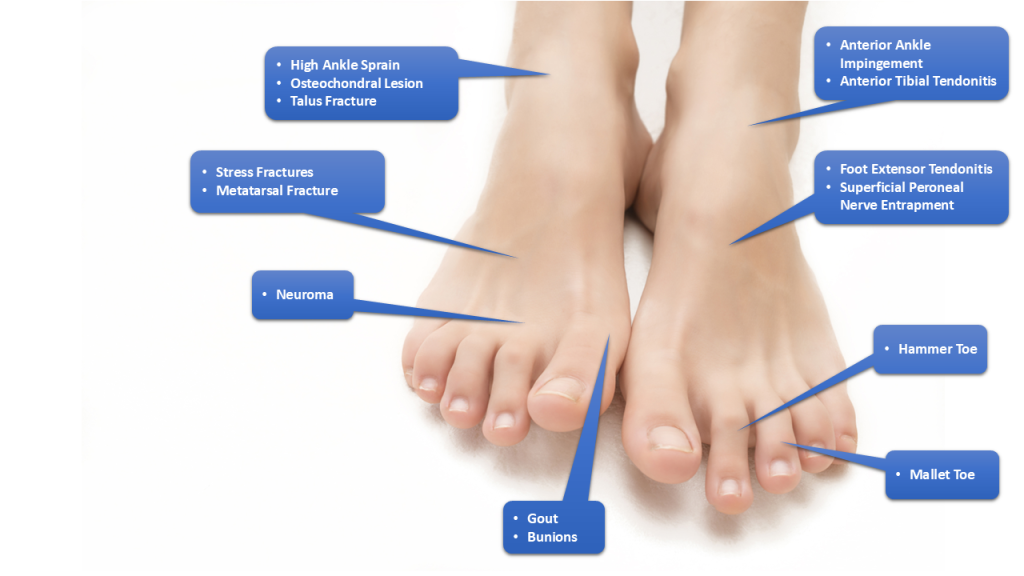
The human foot is an incredibly complex structure which means there is no shortage of health issues that can flare up. This image lists out several of the most common ones we see at Bellevue Podiatry.

When experiencing foot pain, you may encounter various conditions, including heel pain from plantar fasciitis and bunions resulting from ill-fitting shoes. We list the five most common examples of foot pain we regularly see in our clinic. However, as you can see from the diagrams throughout this blog, these are just a few examples.

There are many different and distinct root causes of foot pain, so it is essential to work with an experienced foot pain podiatrist. They will accurately diagnose your specific foot pain issue, enabling the implementation of an effective and lasting treatment plan.

Heel Pain

Five primary conditions can cause heel pain, each with its unique characteristics:

ivanhoe podiatrist ivanhoe podiatrist
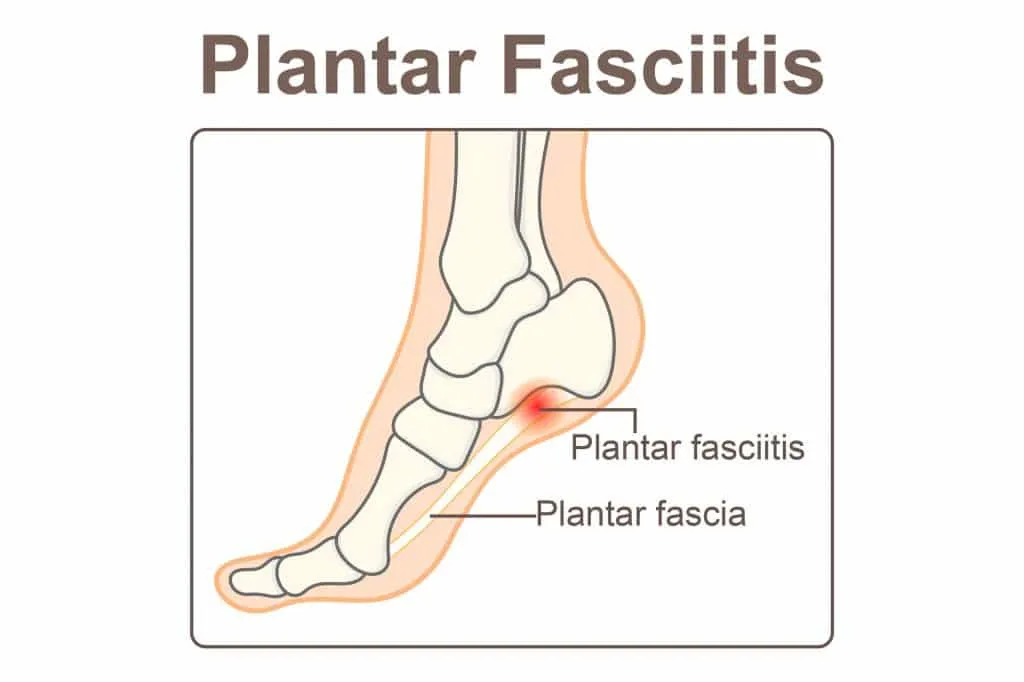
Inflammation of the Plantar Fasciia is often the cause of your heel pain.

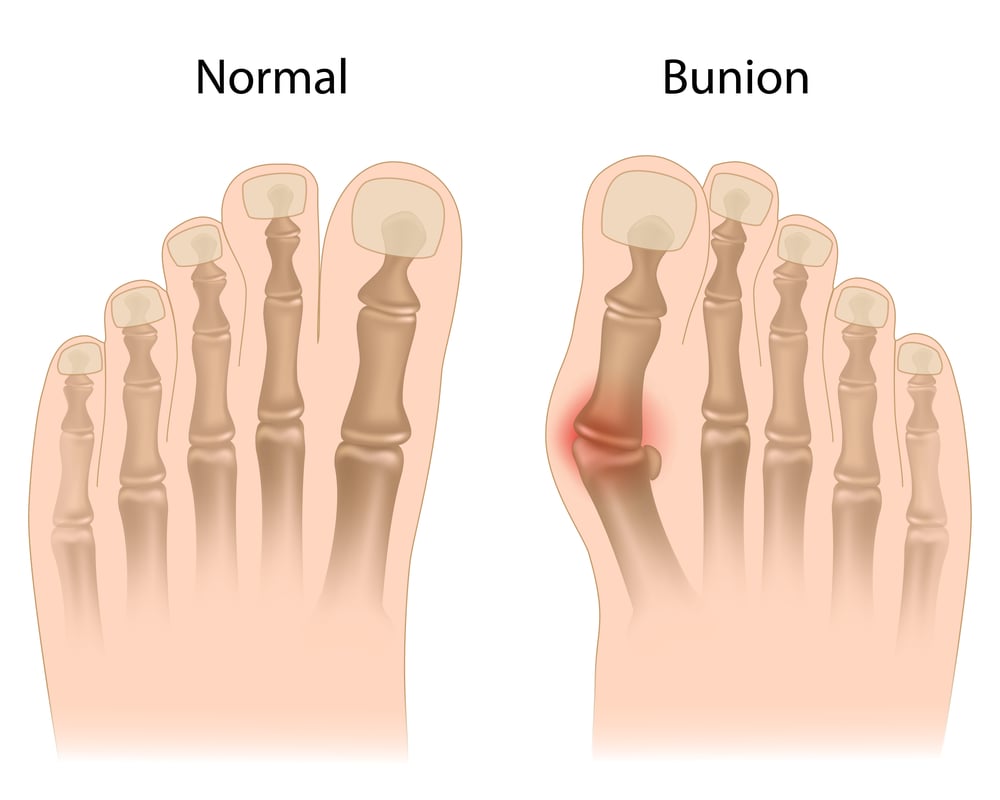
Bunions represent one of the most common and often painful foot deformities. Bunions manifest as a visible bump on the large toe joint, usually accompanied by redness, swelling, and pain. You’re more likely to develop bunions if you frequently wear tight, narrow, or high-heeled shoes that put pressure on your metatarsophalangeal joint.

Due to their footwear choices, women are particularly susceptible to bunions. If left untreated, bunions can lead to significant foot deformities, altered foot biomechanics, and chronic pain.

Addressing bunions early is essential to prevent further foot pain complications and maintain proper foot function.
bunion corrector
The earlier you look into non-surgical treatments for your bunions, the more beneficial they will be. There may be rare cases where your podiatrist recommends surgical intervention for severe cases.

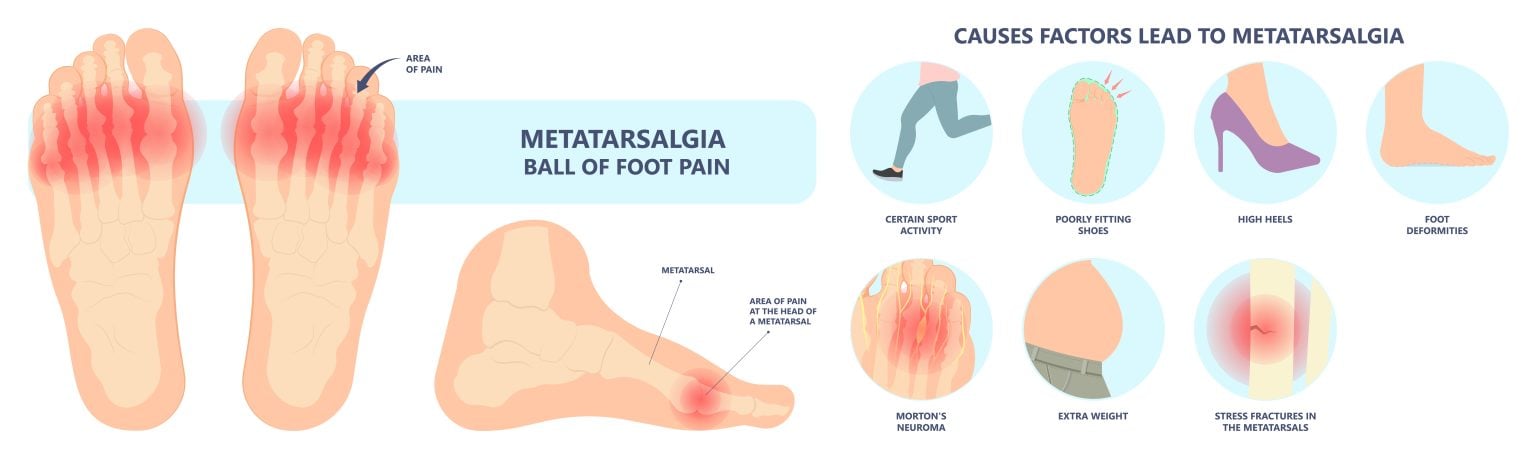
These are the five most common causes of ball of foot pain:

Condition Description
Morton’s neuroma
There is thickened tissue surrounding the nerve, which results in a sharp, burning pain
Metatarsalgia
Pressure on the metatarsal bones causes an aching or burning pain
Sesamoiditis
The small bones beneath the big toe are inflamed
Capsulitis
Inflammation of ligaments surrounding toe joints
Stress fractures
Repetitive stress causes tiny cracks in the metatarsal bones

Each condition presents unique symptoms and requires specific treatments. Morton’s neuromas often cause pain between the third and fourth toes, while metatarsalgia results in generalised discomfort in the ball of the foot.

Sesamoiditis, capsulitis, and stress fractures can cause localised pain and swelling. Prompt diagnosis is essential for effective management.

Nerve disorders represent another notable category of foot pain, distinct from localised discomfort in the ball of the foot. These conditions can affect various parts of your feet, causing symptoms ranging from numbness and tingling to sharp, burning pain. Diabetic neuropathy, a common foot nerve disorder, results from high blood sugar damaging nerves in your feet.

Other nerve disorders include:

You may experience diabetic neuropathy symptoms such as numbness, tingling, and pain in your feet. To manage this condition effectively, it’s essential to maintain regular blood sugar control. Nerve damage can arise from various factors, including diabetes, alcoholism, genetic predisposition, or structural foot issues. Foot nerve pain can significantly impact your daily life, making a proper diagnosis and treatment vital.

Diabetic neuropathy is just one of the nerve disorders that can affect someone's foot health. With nerve disorders it is crucially important to your safety and the ongoing health of your feet that you seek early intervention from an experienced foot health Podiatrist.

Among the five most common types of foot pain, corns and calluses often plague those who spend long hours on their feet. These conditions arise from prolonged friction and pressure on the skin, resulting in thickened, hardened tissue areas.

You’ll often find that ill-fitting shoes, exceptionally high heels, and repetitive activities contribute significantly to these painful growths.
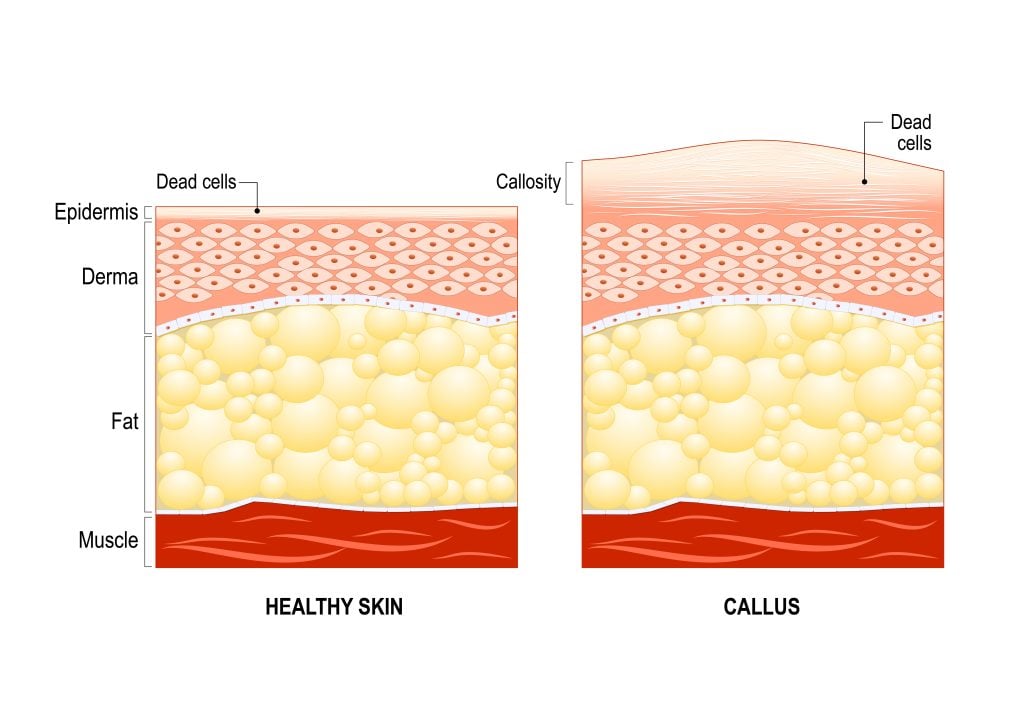
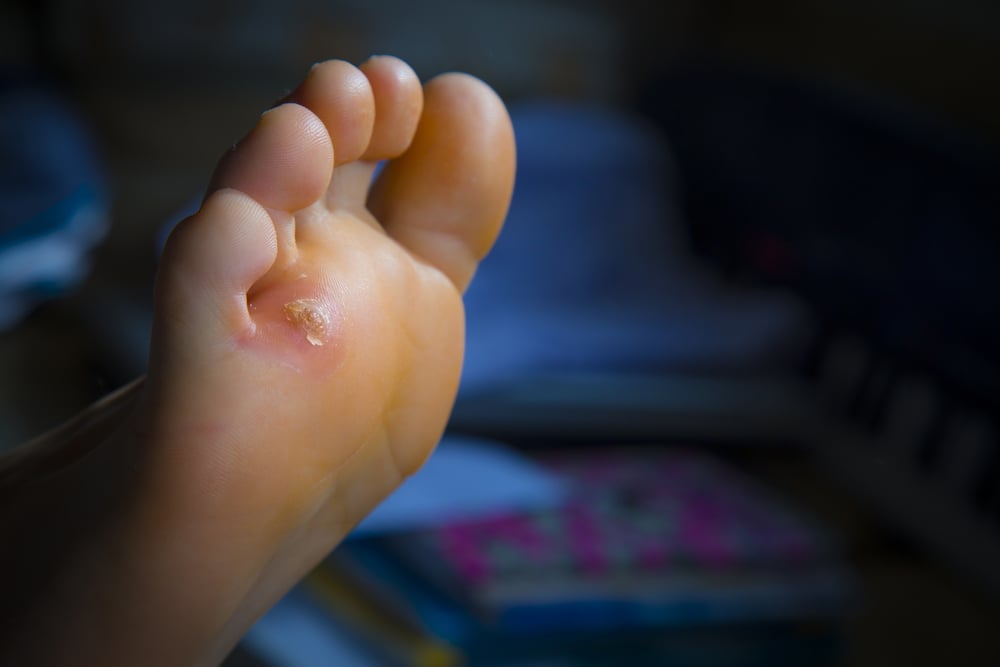
Do you have raised layers of dead skin on one or more pressure points on your feet? These are likely calluses and will only get worse, and more painful, if they are left untreated.

Common Causes of Foot Pain

Mastering the complexities of foot pain begins with understanding its common causes, ranging from overuse injuries like plantar fasciitis and Achilles tendinopathy to structural abnormalities like flat feet or high arches.
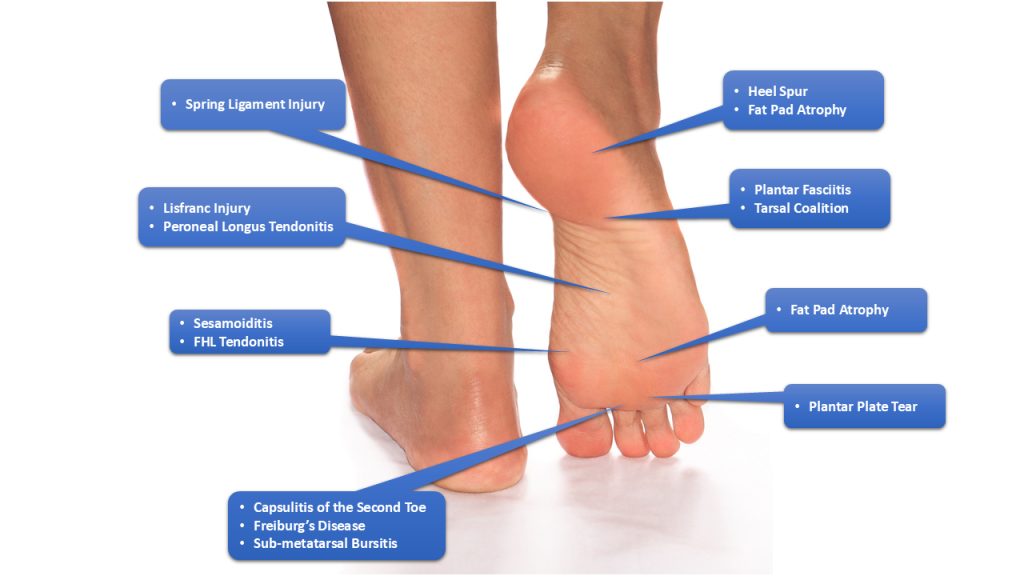
The bottom of your foot can have a wide range of panful foot health issues. Each issue is unique and different in its treatment. Make sure you're getting the right foot health advice from a Foot Pain expert.

Proper footwear and maintaining healthy body mechanics are essential in mitigating these foot pain risks. By identifying these underlying causes, you can work toward evidence-based interventions tailored to alleviate your specific foot pain effectively.

Home Remedies You Can Try

Simple home remedies often alleviate foot pain and worth trying to test what level of remedy they bring.  Next time you have some kind of foot pain, consider the following:

While these home remedies can be effective for many types of foot pain, it’s essential to consult a podiatrist if symptoms persist or worsen. They can provide a proper diagnosis and recommend more targeted treatments, ensuring you address the root cause of your foot pain effectively.

Podiatry Clinic Diagnostic Methods

When foot pain home remedies fail to relieve persistent foot pain, podiatry clinics offer advanced diagnostic methods to identify the root cause of your discomfort. Podiatrists at renowned institutions like Mount Sinai or Mayo Clinic employ various techniques to evaluate your foot health. They’ll conduct physical examinations, analyse your gait, and may order imaging tests, such as X-rays or MRIs, to visualise internal structures.
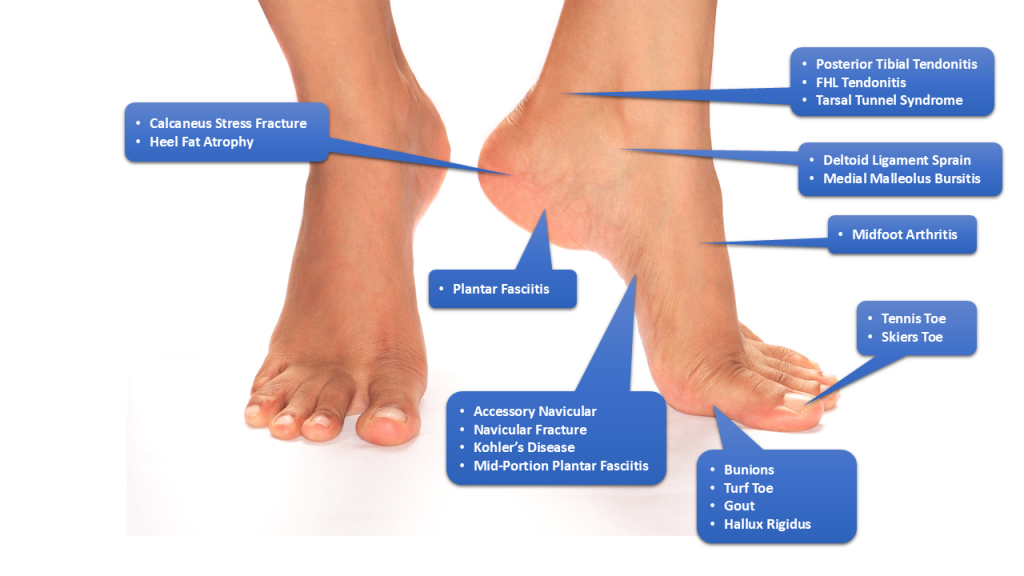
The potential foot pain issues continues with painful problems that can occur on the side of your foot as well. If you have any kind of persistent foot pain, we encourage you to seek the help of an experienced foot pain Podiatrist.

Podiatry clinics use specialised tools and assessments to pinpoint the source of your pain:

These diagnostic methods help create individualised treatment plans based on evidence-based practice.

By examining your foot structure, range of motion, and muscle strength, podiatrists can determine the underlying causes of your discomfort. Whether it’s plantar fasciitis at the bottom of your foot or a more intricate condition, these thorough evaluations ensure you receive targeted care.

Share your symptoms openly with your podiatrist to maximise the effectiveness of these diagnostic methods and regain control over your foot’s health.

Evidence-Based Foot Treatments

Evidence-based treatments for foot pain offer a comprehensive approach to addressing various conditions and symptoms. Podiatrists employ a range of interventions, including orthotic therapy, exercise programs, and manual therapy, tailored to target specific issues.

Physical therapy interventions, such as stretching exercises and strengthening programs, have proven effective in reducing foot pain and improving function.

Custom orthotics are pivotal in correcting foot biomechanics, redistributing pressure, and providing support, particularly for conditions like plantar fasciitis and bunions. Research indicates that multimodal treatment approaches yield better outcomes compared to single interventions.

Treatment Conditions Addressed Evidence of Effectiveness
Orthotic Therapy
Plantar Fasciitis, Bunions
High
Exercise Programs
General Foot Pain
Moderate to High
Manual Therapy
Various foot conditions
Moderate
Custom Orthotics
Biomechanical Issues
High
Multimodal Approaches
Multiple Foot Problems
High

Preventative Measures

The importance of preventive measures extends beyond the scope of evidence-based foot treatments. Taking a proactive approach can significantly decrease the risk of developing foot discomfort, arthritis, and even fractures.

Regular examinations and care for your feet are essential. Selecting suitable footwear with sufficient arch support and cushioning will help avert deformities and lessen discomfort.

Custom Orthotics can be an effective & lasting treatment option for foot pain. Podiatrist experience matters, make sure you work with a professional with many years of foot pain experience.

Sustaining a healthy weight is crucial to easing pressure on your feet and thus diminishing the likelihood of musculoskeletal issues. Engage in consistent foot exercises to boost foot strength and flexibility. Establishing a thorough routine will guarantee long-term foot health, reducing the need for frequent office visits or interventions.

Preventative Measures Benefits Professional Guidance
Footwear
Lowers risk of deformities
Consult a podiatrist
Healthy weight
Reduces foot pressure
Personalised advice
Foot exercises
Improves strength & flexibility
Tailored program with technique advice
Regular inspections
Identify issues early
Expert foot health issue detection
Consult a podiatrist
Customised preventive strategies
Schedule an office visit

Seeking professional guidance from a podiatrist is always advantageous. We offer personalised preventive measures, addressing your individual needs and ensuring optimal foot health. Early prevention is the key to a pain-free future.

When to Seek Health Provider Help

When foot pain persists for over a few days or becomes severe, it’s essential to seek help from a healthcare provider. Understanding when you need professional intervention can prevent complications and improve your overall well-being. Here are circumstances when consulting a healthcare provider is necessary:

  • Persistent Pain

    If foot pain doesn't improve with rest or over-the-counter treatments and interferes with daily mobility, don't delay seeking medical advice.

  • Inflammation

    Signs of inflammation, such as swelling, redness, or warmth around the foot, mainly when associated with fever, necessitate an immediate evaluation by a professional.

  • Numbness & Tingling

    This can indicate nerve issues, such as those in conditions like diabetes or arthritis. Early medical interventions can help manage these symptoms effectively.

  • Post-Trauma Pain

    Sudden foot pain following an injury requires urgent medical attention to rule out fractures or severe damage.

A healthcare provider will assess your symptoms and develop a tailored treatment plan. This approach ensures you maintain control over your health and mobility, mitigating potential risks associated with untreated foot conditions. 

Summing It All Up...

Foot pain encompasses many symptoms and causes, from common conditions like plantar fasciitis and Morton’s neuroma to more specific issues such as fallen arches and sesamoiditis.

Home remedies like the RICE method (rest, ice, compress, elevate) and appropriate footwear choices can offer temporary relief, but persistent or worsening pain often necessitates professional podiatric care.

For lasting relief, it is crucial to identify the underlying cause of your foot pain. Consulting a podiatrist can help you understand the root cause and devise an effective treatment plan. By combining these treatments with preventative measures, such as wearing supportive shoes and shoe inserts, you can take proactive steps toward healthier feet and a better quality of life. Don’t hesitate to seek help if your pain persists or worsens.

Ignoring foot pain never cures it and your situation will get worse the longer you leave it.   

Take control today by booking in online or call us today on (03) 9457 2336 to see one of our podiatrists and get this issue sorted once and for all.

Picture of Bellevue Podiatry

Bellevue Podiatry

Bellevue Podiatry has been serving the people of Rosanna and its surrounding suburbs for over 10 years. We have the experienced and education to effectively treat any lower limb condition or injury that requires expert podiatry care.

Article References:

Pain on Top of Foot: Symptoms, Causes, and Evidence-Based Podiatry Treatments

As you lace up your running shoes, eager to tackle the trail, a sudden sharp pain across the top of your foot halts your progress. This unexpected discomfort could signal various conditions, from extensor tendinitis to nerve compression.

Understanding the symptoms, causes, and evidence-based treatments for top-of-foot pain is vital for maintaining mobility and overall foot health.

As you consider the impact this pain is having on your daily activities, you’ll likely want to explore the thorough approach podiatrists take in diagnosing and treating such issues. Our latest blog will examine these steps to ensure a comprehensive approach.

Key Takeaways

Identifying Foot Pain Symptoms

When recognising foot pain symptoms, you’ll need to tune in to specific signs that point to discomfort at the top of your foot. Tenderness, swelling, and redness often accompany pain on the top of the foot. You may notice that the top of the foot is tender to touch, making it difficult to wear shoes or bear weight on the affected foot.

Is heel pain stopping you from doing the things you enjoy? You don't need to put up with it, there are effective and lasting treatments available. Get the help you need today.

As you monitor your symptoms, pay attention to how the pain behaves. Does the pain intensify during physical activity or upon applying pressure? This could indicate conditions like extensor tendonitis or biomechanical issues.

You might also experience numbness, tingling, or a burning sensation, which could suggest nerve compression.

Your foot may experience localised or radiating pain, potentially extending to the side of your foot or even the footpad. Observing your discomfort’s specific location and intensity is essential, as this information can help your podiatrist diagnose the underlying cause.

What Causes Top Of The Foot Pain?

The culprits behind the foot pain are diverse and often complex:

If you’re experiencing persistent top-of-foot pain, it’s vital to consult a podiatrist for an accurate diagnosis and tailored treatment plan.

The Cleveland Clinic and other reputable medical centres offer resources for booking online appointments with foot specialists. Early intervention is critical to preventing further complications and ensuring effective pain management.

Foot Overuse Conditions

How often do you overstress your feet? Foot overuse conditions, like extensor tendinitis, can result from repetitive stress on your feet and are a significant reason for top foot pain. These conditions often cause pain and swelling on the top of your foot, hindering your mobility and daily activities.

Extensor tendonitis is just one of several possible reasons for your top of foot pain. That's why it is so important to work with an experienced foot pain podiatrist so you know the right cause of your pain is confirmed. This allows for a personalised and effective treatment plan to be put in place.

Extensor tendinitis involves inflammation of the tendons responsible for lifting your foot and toes. This condition typically stems from running, jumping, or wearing inadequate footwear. When you engage in these activities excessively or without proper support, you’re putting yourself at risk for foot overuse injuries.

To manage foot overload conditions, you must prioritise rest, apply ice to reduce inflammation and wear appropriate footwear that provides adequate support. Addressing these issues promptly is essential to prevent further complications and prolonged discomfort.

If you’re experiencing persistent pain on the top of your foot, don’t hesitate to seek evaluation from a podiatrist. They can provide an accurate diagnosis and develop a tailored treatment plan to address your specific condition. By controlling your foot health and seeking professional guidance, you’ll be better equipped to overcome foot overuse issues and maintain the best foot function.

Podiatrist Diagnosis Process

Seeking professional help is vital when dealing with persistent foot pain. When you visit a podiatrist for pain in the top of your foot, they’ll conduct a thorough evaluation to pinpoint the underlying cause:

Understanding the specific nature of your foot pain empowers you to take charge of your treatment and recovery process, resulting in improved mobility and quality of life.

Podiatry Treatment Options

When you’re suffering from pain on top of your foot, a podiatrist can offer various evidence-based treatment options tailored to your condition. These treatments aim to alleviate discomfort, restore function, and address the underlying cause of your foot pain.

Custom Orthotics can be an effective & lasting treatment option for foot pain. Podiatrist experience matters, make sure you work with a professional with many years of foot pain experience.

Your podiatrist may recommend conservative approaches such as rest, ice, and elevation. They might also prescribe custom orthotics to provide support and improve alignment. Physical therapy modalities, including ultrasound and electrical stimulation, can effectively reduce pain and promote healing.

For more persistent cases, your podiatrist may consider corticosteroid injections to provide targeted pain relief.

In severe (and rare) instances where conservative treatments aren’t effective, surgical interventions like tendon repairs or joint fusions might be necessary.

Treatment Option Benefits Considerations
Custom orthotics
Improved alignment, support
May require adjustment period
Physical therapy
Non-invasive, promotes healing
Requires consistent effort
Corticosteroid Injections
Rapid pain relief
Possible side effects
Surgical interventions
Long-term solution for severe cases
Longer recovery time

Your podiatrist will develop a customised treatment plan based on your diagnosis, lifestyle, and goals. They’ll guide you through each step, ensuring you have the information and support to make informed decisions about your foot health.

Lifestyle and Health Modifications

Effective pain management on the top of the foot often starts with crucial lifestyle and health adjustments. 

You can effectively reduce discomfort and prevent further issues by making thoughtful changes.

To begin, wearing supportive footwear and avoiding high heels minimises unnecessary pressure on your foot’s top, promotes a healthier posture, and reduces pain. 

Weight management is another critical consideration, as excess weight strains your feet.

Regular stretching exercises can also provide significant benefits by enhancing flexibility and strength, helping to ease the discomfort on the top of your foot. 

Consider integrating the following strategies into your daily routine:

toe shoes part nail
If you're on your feet all day, you must wear a shoe with low heels & a wide toe box to help protect your feet from foot pain.

When to Consult a Foot Pain Podiatrist

While lifestyle and health modifications help manage foot pain, recognising when to consult a foot pain podiatrist is essential for ensuring the condition doesn’t worsen:

As self-management only goes so far, professional diagnosis guarantees you receive evidence-based treatments tailored to your needs. Take your time seeking expert guidance; timely intervention can offer a clear path to recovery and sustained foot health.

Summing It All Up...

Top-of-foot pain is a common condition that can significantly impact daily life. The various symptoms and causes, including overuse injuries, structural issues, and medical conditions, underscore the importance of accurate diagnosis.

Current podiatric treatments, ranging from home remedies such as the RICE method to professional care like custom orthotics and physical therapy, are effective for many cases.

Early intervention is crucial for managing top-of-foot pain effectively. If you are experiencing persistent discomfort, it is essential to consult a podiatrist promptly to confirm a proper diagnosis and receive tailored treatment. By addressing the underlying cause, you can alleviate symptoms and improve your overall foot health.

Ignoring top of foot pain never cures it and your situation will get worse the longer you leave it.   

Take control today by booking in online or call us today on (03) 9457 2336 to see one of our podiatrists and get this issue sorted once and for all.

Picture of Bellevue Podiatry

Bellevue Podiatry

Bellevue Podiatry has been serving the people of Rosanna and its surrounding suburbs for over 10 years. We have the experienced and education to effectively treat any lower limb condition or injury that requires expert podiatry care.

Article References:

How To Treat Corns and Calluses On Feet: What Podiatry Treatment Involves

The rough, unforgiving terrain of your feet’s landscape can be transformed into a smooth oasis with the right approach. You’ve likely encountered the discomfort of corns and calluses, those stubborn fortresses of thickened skin that seem impervious to home remedies.

While over-the-counter solutions may offer temporary relief, they often fail to address the root cause of these persistent foot ailments. This is where professional podiatry treatments shine, providing pain-free and lasting results beyond surface-level fixes.

 When it comes to foot care, expert intervention could be the key to reclaiming comfort with every step. Discover the transformative power of professional podiatry in our latest blog.

Key Takeaways

Understanding Corns and Calluses

person clinic
Removing a foot corn, and making sure it stays gone, starts with an accurate diagnosis of the root cause. If you don't resolve the reason you got the foot corn once & for all, it will return soon after your podiatrist removes it.

Nearly everyone will experience a corn or callus at some point in their lives. These common foot issues arise from friction or pressure on the skin, often due to ill-fitting footwear or improper foot biomechanics. While both conditions involve thickened skin, they differ in location and structure.

The main distinction lies in their composition: a corn builds up thick skin underneath a callus, potentially causing pain due to pressure on inner skin layers.

Understanding the nature of corns & calluses on feet is vital for effective treatment. Podiatry professionals can identify the underlying causes, such as gait abnormalities or footwear issues, and provide tailored solutions. Podiatrists can alleviate discomfort and prevent recurrence by addressing these root factors and safely removing the thickened skin.

Seeking professional care ensures that your corn callus concerns are treated with precision, promoting long-term foot health and freedom from pain. The relief that professional care can bring is a beacon of hope for those struggling with persistent foot issues.

Home Remedies and Treatments You Can Try

While professional podiatric care offers thorough treatment for corns and calluses, you can try several effective home remedies:

To prevent recurrence, maintain proper foot hygiene and wear properly fitting shoes. Ill-fitting footwear is a common cause of corns and calluses, so choose shoes that provide adequate support and don’t pinch or rub against your feet.

Podiatry Clinic Solutions

To address corns and calluses with the precision needed for long-term relief, professional podiatry interventions are highly recommended. At Bellevue Podiatry Clinic, you’ll find specialised treatments that directly target the underlying causes of foot discomfort.

Our team of expert podiatrists provides pain-free and lasting solutions, ensuring your feet remain supple and comfortable. You’re ensured personalised care tailored to your specific needs by booking an appointment.

An experienced Podiatrist can remove your corns, diagnose the cause of them and put in a treatment plan that stops them coming back. Help is available today, don't put up with painful corns any longer.

Podiatry treatments at our clinic encompass a range of procedures designed to manage corn callus issues effectively:

  • Specialised Diagnosis

    Our podiatry clinic uses diagnostic tools, biomechanical assessments and medical history / personal habits to pinpoint the precise causes of the corns and calluses.

  • Customised Treatment Plans

    Treatments are individualised and tailored, offering precise solutions to address your unique foot structure.

  • Specialised & Sterile Equipment

    Effective removal procedures, enhancing skin suppleness and long-lasting comfort with specialised and precise tools & equipment so it is a pain-free and infection free experience.

  • Focus on Prevention

    Techniques that address and prevent future corn and callus formation and reoccurence.

  • Comprehensive Aftercare

    Ensures sustained relief and best healing post-treatment and patient education to keep your feet in their best condition into the future.

With a commitment to delivering pain-free treatments, Bellevue Podiatry Clinic is your partner in achieving enduring comfort and independence from foot discomfort. Explore the freedom of pain-free movement with our specialised solutions today.

Prevention Strategies & Foot Healthcare Tips

Proper foot care is crucial in preventing corns and calluses:

Preventive measures safeguard your feet and empower you to participate in any activity confidently. Incorporate these practices into your daily routine, and you’ll effectively lessen the risk of developing corns and calluses. You preserve your foot health and maintain your comfort through careful considerations and practical steps, feeling in control and proactive.

Professional Healthcare Required Indicators

Recognising when to seek professional help is crucial for effective corn and callus management. If you’re experiencing persistent calluses or foot pain, it’s time to consult a podiatrist. These experts specialse in addressing underlying issues causing foot conditions and offer long-term solutions for your comfort.

Professional podiatry intervention can prevent future calluses and relieve foot discomfort. Take your time as the problem worsens; regular visits to a podiatrist are of utmost importance for avoiding complications and addressing foot issues promptly.

Indicators Consequences Professional Solutions
Persistent pain
Reduced mobility
Targeted treatment
Thick calluses
Skin breakdown
Expert removal
Recurrent corns
Infection risk
Underlying cause analysis
Foot deformities
Gait issues
Customised orthotics

Expert podiatrists effectively manage foot conditions, ensuring you can maintain an active lifestyle. They’ll assess your unique situation, provide tailored treatments, and equip you with strategies to prevent future issues.

By seeking professional help, you’re taking a proactive step towards long-term foot health and freedom from discomfort.

Don’t let corns and calluses hold you back; embrace the expertise of podiatry professionals for lasting relief.

In Closing...

Treating corns and calluses effectively requires home care and professional podiatry interventions. Prioritising prevention through proper footwear and padding pressure points can help avoid these conditions.

If home treatments are insufficient, consulting a clinician ensures customised care that ensures comfort and minimises complications.

Do your corns or calluses make it difficult to wear shoes and enjoy walking?  Don’t put up with it any longer, take control today by booking in online or call us today on (03) 9457 2336 to see one of our podiatrists and get rid of your corns and calluses once and for all.

Picture of Bellevue Podiatry Calluses & Corns Care

Bellevue Podiatry Calluses & Corns Care

Bellevue Podiatry has been serving the people of Rosanna and its surrounding suburbs for over 10 years. We have the experienced and education to effectively treat any lower limb condition or injury that requires expert podiatry care.

Article References:

How Do You Fix Achilles Tendinopathy? At-Home Exercises & Evidence-Based Podiatry Treatments

Facing Achilles tendinopathy can be challenging, but you can achieve effective relief with a structured approach.

Ideally, you should focus on a combination of at-home exercises—like calf stretches and eccentric heel drops—and consult podiatry experts for a thorough care plan.

Evidence supports the efficacy of these exercises in promoting tendon health, while professional evaluations offer personalised strategies essential for recovery.

But when should you seek expert intervention, and which exercises are most impactful? Discover how evidence-based care simplifies your path to healthier movement and enhanced functionality in our latest blog.

Key Takeaways

Understanding Achilles Tendonitis

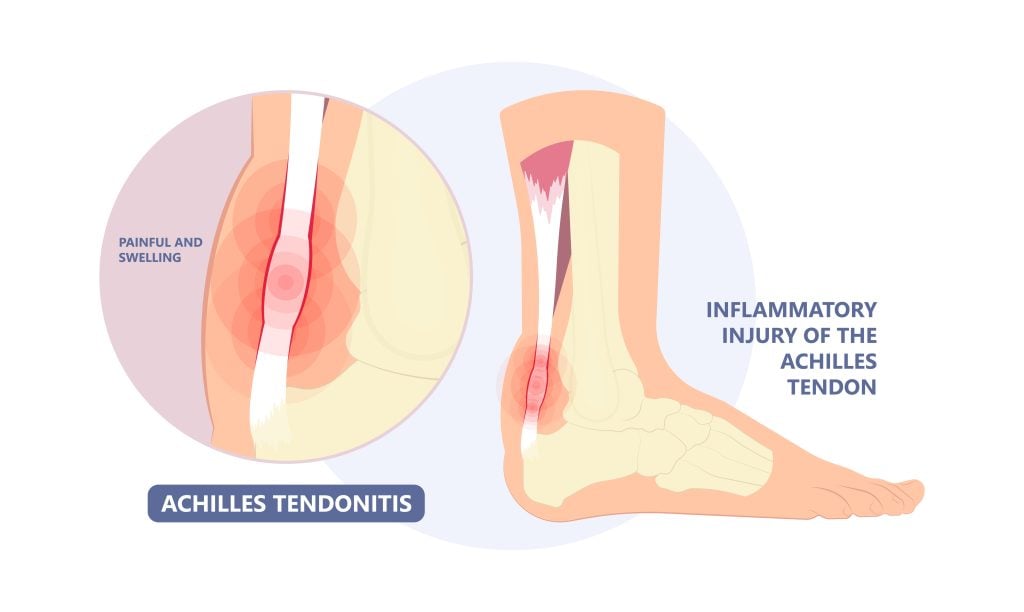
Achilles tendonitis is a prevalent condition that affects many individuals who engage in physical activity. Overuse or sudden increases in activity primarily cause Achilles tendon pain and discomfort. You’ll often experience these symptoms if you engage in repetitive activities like running or jumping, which put excessive stress on the tendon.

Achilles tendon pain could mean one of several different issues - it is always a prudent move to seek the guidance of a professional to ensure your treatment is tailored to the issue.

You’ll need to undergo physical examinations conducted by a podiatrist to diagnose Achilles tendonitis. These assessments will evaluate your tendon’s flexibility, strength, and overall condition.

Your podiatrist may also recommend imaging tests such as ultrasound or MRI to get a clearer picture of the tendon’s internal structure and the extent of the damage.

Early intervention is paramount in managing Achilles tendon pain effectively. Once diagnosed, you’ll work with your podiatrist to develop a tailored treatment plan. This plan typically includes a combination of rest, strengthening and stretching exercises, and gradual activity modifications.

Achilles Tendonitis Symptoms and Diagnosis

Recognising the symptoms of Achilles tendonitis is crucial for initiating timely and effective treatment. You might notice pain at the back of your heel, swelling, tenderness, and even a cracking noise during ankle movement.

Please don’t ignore these signs, as they may signal underlying conditions like Achilles tendinitis or a detached Achilles tendon in more severe cases. Seeking a psychologist early on helps form a tailored plan to avoid escalation.

A podiatrist gathers a detailed medical history to understand the problem. Physical examinations assess the Achilles tendon’s condition, helping to identify tenderness, swelling, or weakness. Imaging tests such as X-rays, ultrasounds, or MRIs can confirm the diagnosis and provide a clear view of the tendon’s health.

Symptom Possible Cause Recommended Action
Heel pain
Achilles tendonitis
Consult with an experienced podiatrist
Swelling
Inflammed tendon
Seek professional advice
Cracking noise
Potential tendon detachment
Immediate medical attention

Podiatrists meticulously diagnose Achilles tendonitis and ensure evidence-based, personalised therapy for Achilles tendonitis, allowing you to pursue an effective recovery that meets your needs.

Achilles Tendon Exercise Regimen For Home

Effective management of Achilles tendonitis begins with a customised treatment plan rooted in evidence-based practices. Home exercises are crucial for strengthening your Achilles tendon and calf muscles, reducing strain and supporting recovery.

Embracing a regimen of specially tailored exercises enhances your healing process. You must maintain consistency and pay attention to proper form to maximise the benefits.

Here’s a great home exercise routine from Rehab Science that is a good example of the kind of daily routine an experienced Achilles tendon Podiatrist (or Physio) will provide for you:

These exercises not only support muscle building but also promote overall tendon health. To complement professional treatments, you should perform them regularly.

It’s important to approach them patiently, gradually progressing as you gain strength and confidence. Consistent practice will empower you to control your recovery journey, allowing greater movement freedom in your daily life.

Always remember, in collaboration with your podiatrist, you can fine-tune these exercises to meet your unique needs and condition severity.

Evidence-Based Podiatry Treatments for Achilles Tendonitis

An all-encompassing approach is necessary for effectively managing Achilles tendonitis, with evidence-based podiatry treatments offering a strong foundation for recovery.

This begins with identifying and addressing contributing factors, such as improper footwear or incorrect running techniques.

Podiatrists may recommend orthotic devices to provide essential support and relieve strain on the tendon, facilitating a more comfortable healing process. Using anti-inflammatories under professional guidance can also help manage pain and reduce inflammation.

Evidence-Based Options Key Benefits
Orthotic devices
Support and reduce tendon strain
Physical Therapy
Tailored exercises for recovery
Anti-inflammatories
Pain and inflammation relief
Shockwave therapy
Accelerated healing

Physical therapy remains a cornerstone of treatment, focusing on specific stretching and strengthening exercises designed for your unique needs. These personalised regimens restore the flexibility and strength necessary for a successful recovery.

Podiatrists follow scientific research protocols to ensure that you have the freedom to progress through your customised exercise plan gradually. These trusted, research-backed methods, whether adjusting your footwear or fine-tuning your exercise techniques, empower you on your path to recovery and help prevent future setbacks without compromising your independence or lifestyle.

Long-Term Health and Achilles Tendinitis Prevention

Is heel pain stopping you from doing the things you enjoy? You don't need to put up with it, there are effective and lasting treatments available. Get the help you need today.

Prevention and long-term care are important components in managing Achilles tendonitis. To maintain tendon health, you must consistently perform stretching and strengthening exercises. Wear proper footwear and gradually increase your activity levels, incorporating rest days to prevent overuse.

Your podiatrist may recommend orthotic devices or custom shoe inserts to provide additional support and reduce strain on the Achilles tendon. Regular check-ups will help monitor your tendon health and address issues before they worsen.

Follow these evidence-based strategies for prevention and long-term care:

Strategy Benefits
Consistent exercises
Maintains tendon flexibility and strength
Proper footwear
Reduces strain on the Achilles tendon
Gradual activity increase
Prevents sudden overload and injury
Rest days
Allows for tissue recovery and repair
Regular podiatry check-ups
Monitors progress and adjusts treatment

When to Seek Professional Treatment & Care

Despite the effectiveness of at-home exercises, recognising when to seek professional help is crucial for managing Achilles tendonitis. If you’re experiencing persistent pain in your Achilles tendon that lasts more than a few days, it’s time to consult a podiatrist. These specialists possess the necessary tools to assess the severity of your condition and formulate a customised treatment plan.

Don’t delay seeking professional help; early intervention can prevent further damage and accelerate your recovery. A podiatrist will provide:

Remember, waiting too long to seek professional assistance can prolong your recovery time and potentially lead to more severe complications.

Podiatrists specialise in providing research-backed treatments for Achilles tendon issues, ensuring you receive the most effective care possible.

Tendon Treatment & Care Conclusion...

For personalised, evidence-based care, seeking help from a podiatrist is crucial. They can provide tailored treatment plans that address specific needs and ensure safe progression back to normal activities.

Combining at-home exercises with professional podiatry treatments can ensure long-term tendon health and prevent future issues.

You don’t need to put up with Achilles Tendinitis any longer.  Our team of experienced Podiatrists have the education and experience to get you moving pain free again.  Take control today by booking in online or call us today on (03) 9457 2336 to get this issue sorted once and for all.

Picture of Bellevue Podiatry Achilles Tendon Treatment

Bellevue Podiatry Achilles Tendon Treatment

Bellevue Podiatry has been serving the people of Rosanna and its surrounding suburbs for over 10 years. We have the experienced and education to effectively treat any lower limb condition or injury that requires expert podiatry care.

Article References:

Morton’s Neuralgia: Causes, Symptoms, and Evidence-Based Podiatry Treatments | Morton Neuroma

If you’ve noticed a sharp, burning pain in the ball of your foot or numbness in your toes, you may be experiencing Mortons neuralgia. This condition, often caused by nerve compression between metatarsal bones, can notably impact your daily activities.

While common foot abnormalities and high-impact activities contribute to its development, accurate diagnosis and evidence-based treatments are essential for effective management. Understanding the causes, recognising the symptoms, and exploring podiatric interventions can help you overcome this painful condition. 

Let’s examine the complexities of Mortons neuralgia and the professional care options available to alleviate your discomfort in our latest blog.

Morton Neuroma Key Takeaways

Causes of Mortons Neuralgia

Morton’s Neuralgia is one of several reasons you may be experiencing Metatarsalgia (i.e. ball of foot pain). This is why it is so important to get an accurate root cause diagnosis from an experienced Podiatrist so an effective treatment plan can be put in place that gets you moving pain free again.

Several factors contribute to Mortons neuralgia, primarily the compression or irritation of the interdigital nerve between the toes:

  • Poor-Fitting Footwear

    The impact of footwear is one crucial factor. Tight, ill-fitting shoes and high heels can induce persistent nerve compression, leading to irritation and subsequent pain.

  • Foot Abnormalities

    Foot abnormalities also play a significant role. Conditions such as flat feet, high arches, bunions, or hammer toes can alter the standard biomechanical patterns of your foot, increasing the risk of nerve irritation.

  • Foot Injuries

    Furthermore, we cannot ignore traumatic foot injuries. Sprains, fractures, or repetitive stress may damage the interdigital nerve, setting the stage for Mortons neuralgia to develop.

  • High Impact Activities

    High-impact activities, such as running or sports that put extra pressure on the forefoot, can worsen the situation. These activities and poor footwear choices greatly enhance the risk factors associated with this condition.

Recognising these underlying causes is essential for effective diagnosis and treatment planning. Addressing contributing factors like improper footwear, reducing the risks associated with foot abnormalities, and taking preventive measures against traumatic injuries can provide long-term relief and maximise your freedom from this debilitating condition.

Recognising the Symptoms

Recognising the symptoms of Mortons neuroma is vital for timely intervention and effective management.

Typically, you’ll experience intermittent burning pain in the ball of your foot, often likened to standing on a marble. Additional symptoms may include numbness or tingling in the toes and difficulty walking normally. Despite the discomfort, you won’t usually notice swelling in your foot.

Symptom Description Associated Factors
Burning pain
Often felt in the ball of the foot
Tight/high-heeled shoes, running, skiing
Numbness
Tingling or loss of sensation in toes
Compression of nerves, foot abnormalities
Walking issues
Difficulty in walking normally
High arches, flat feet, bunions

Differential diagnosis is essential to distinguish Mortons neuroma from other conditions like metatarsalgia or arthritis. Early recognition and appropriate measures can greatly enhance your quality of life and keep you moving freely.

Diagnosing the Condition

Diagnosing Mortons neuroma accurately hinges on a combination of clinical examination and advanced imaging techniques.

Your podiatrist will conduct a thorough clinical examination, focusing on localised pain in the second or third intermetatarsal space. This is a hallmark symptom of this condition and is necessary for diagnostic accuracy. Differentiating it from other foot conditions (differential diagnosis) is vital for effective treatment planning.

Imaging techniques play an integral role in confirming the diagnosis. With its 95% sensitivity, an ultrasound is highly effective at detecting neuromas. It can show the presence of neural edema and demyelination. MRI is another potent imaging tool, showcasing intricate details necessary for a definitive diagnosis.

To accurately identify Mortons neuroma, your diagnostic process typically includes:

Ensuring a precise diagnosis through both clinical examination and imaging techniques empowers you to choose the most effective podiatry treatment options. Accurate identification directly shapes your treatment plan and long-term symptom relief.

Podiatry Treatment Options

Effective podiatry treatment options for Mortons neuroma encompass both conservative and more invasive measures tailored to relieve symptoms and enhance long-term foot health:

  • Orthotic Therapy

    You typically start with orthotic therapy, which includes custom shoe inserts to alleviate pressure on the affected nerve. Supporting the arch can help reduce pain and improve foot biomechanics.

  • Foot Mobilisation

    Foot mobilisation techniques also play a role, aiming to restore normal joint function and alleviate nerve impingement.

  • Pain Relief Injections

    When conservative measures aren't adequate, anaesthetic injections numb the nerve temporarily. Cortisone injections can also reduce inflammation and pain for longer periods.

  • Surgery (rare cases)

    However, for persistent cases, surgical excision may be necessary. This involves removing the thickened nerve tissue, and success rates range between 50% and 100%, depending on factors such as patient selection and surgical expertise.

Accurate diagnosis, proper patient selection, and thorough counselling ensure you receive the most effective treatment tailored to your needs, promoting freedom from pain and overall foot health.

When to Seek Professional Help

At what point should you consider seeking professional help for foot pain? If you experience persistent foot pain, especially a burning sensation or a feeling like you’re standing on a marble, it’s time to consult a specialist. Here are three critical moments for when to seek help:

An accurate diagnosis typically involves a thorough physical examination and imaging tests like X-rays, ultrasound, or MRI to confirm Mortons neuralgia. Early intervention can lead to 80% symptom relief with conservative treatments and up to 85% with surgical interventions.

Follow-up care is essential to monitor progress and adjust treatments as needed. Lifestyle modifications, such as wearing proper footwear, using orthotic inserts, and physical therapy, can reduce recurrence and sustain long-term foot health. Your freedom to move without discomfort depends on timely, evidence-based podiatric intervention.

In Closing...

If you suspect you have Mortons neuroma, don’t hesitate to seek treatment. Evidence shows that around 80% of patients experience significant improvement with non-surgical options like orthotic therapy and injections.

Recognising symptoms early and getting a thorough diagnosis can help you return to pain-free walking sooner. Remember, addressing the condition promptly with professional help is critical to effective management and lasting relief. 

Don’t let this condition sideline you any longer—take control of your foot health today.

You don’t need to put up with foot pain any longer.  Call us today on (03) 9457 2336 or book online and let us get you back on your feet pain free and walking with confidence once again.

Picture of Bellevue Podiatry

Bellevue Podiatry

Bellevue Podiatry has been serving the people of Rosanna and its surrounding suburbs for over 10 years. We have the experienced and education to effectively treat any lower limb condition or injury that requires expert podiatry care.

Article References:

Achilles Tendinitis Treatment: Evidence-Based Podiatry Care

If you’re struggling with Achilles tendinitis, you’re likely seeking effective ways to alleviate the pain and promote healing. Evidence-based podiatry treatments offer a range of options to address this common condition. From targeted exercises to advanced therapies, these methods can greatly improve your symptoms and restore function.

Understanding the nature of Achilles tendinitis, its causes, and its diagnosis is crucial before embarking on the path to recovery. Armed with this knowledge, you’ll be better equipped to explore the most appropriate treatment options for your specific case.

Key Takeaways

Understanding Achilles Tendinitis

Understanding Achilles tendinitis begins with identifying it as an inflammation of the Achilles tendon, which frequently causes pain and swelling at the back of your ankle. Achilles tendon pain often results from overuse, appearing in individuals who engage in repetitive activities like running or extended walking. The inflammatory response can lead to symptoms such as tenderness, stiffness, and difficulty performing daily activities.

Achilles Tendon issues are just one of several reasons you may be experiencing heel pain. This is why it is so important you work with an experienced heel pain Podiatrist that can accurately diagnose the root cause of your heel pain so an effective treatment plan can be put in place.

To accurately diagnose Achilles tendinitis, a physical examination by an experienced podiatrist is essential. This typically involves evaluating the tendon for signs of inflammation and tenderness. We may use imaging tests like MRI or ultrasound to confirm the diagnosis and rule out more severe conditions like tendon ruptures.

Managing Achilles tendinitis involves addressing both the symptoms and the underlying causes. Tailoring treatment strategies to your individual needs is essential for an effective recovery, empowering you to regain your freedom of movement and reduce the risk of future issues.

Causes of Achilles Heel Pain

Achilles heel pain is often caused by overuse of the muscle and tendon during activities such as:

Addressing these factors is essential for effective achilles tendonitis treatment. Proper therapy for achilles tendonitis may involve calf exercises to strengthen surrounding muscles, ensuring best possible tendon function and reducing the risk of a detached achilles tendon.

Understanding these causes empowers you to make informed decisions about your training and footwear, potentially reducing your risk of Achilles heel pain and enhancing your overall freedom to pursue athletic activities.

Podiatry Diagnosis Methods

Podiatrists use various key diagnostic methods to accurately identify Achilles tendinitis:

  • Physical Examination

    We always start with a physical examination, examining your tendon's thickness, sensitivity, and range of motion. This hands-on approach allows us to measure your condition's seriousness and pinpoint areas of concern.

  • Imaging Tests

    To get a clearer picture of your tendon's internal structure, your podiatrist may suggest imaging tests. Ultrasound and MRI scans offer detailed visualisations of tendon damage and inflammation, aiding in determining the extent of your injury.

  • Clinical Tests

    We will use specific clinical tests, such as the Thompson test, to assess the integrity of your tendon. These targeted evaluations provide valuable insights into your tendon's functionality and overall health.

  • Lifestyle & Footwear

    Your podiatrist will also ask about your activity levels, footwear choices, and medical history. This information helps them understand the potential contributing factors to your Achilles tendinitis.

  • Biomechanical Assessment

    Finally, your podiatrist will conduct a thorough evaluation of your biomechanics, gait, and foot structure.

This holistic approach enables your podiatrist to tailor a treatment plan that addresses your individual needs, setting you on the path to recovery and long-term tendon health.

Evidence-Based Podiatry Treatments

Is heel pain stopping you from doing the things you enjoy? You don't need to put up with it, there are effective and lasting treatments available. Get the help you need today.

Evidence-based podiatry treatments for Achilles tendinitis emphasise pain reduction, inflammation control, and tendon healing:

  • RICE Protocol

    To achieve effective relief, begin with the R.I.C.E. protocol: rest the affected leg, apply ice to reduce swelling, use compression to minimise inflammation, and elevate the leg.

  • Physical Therapy

    Beyond initial measures, your podiatrist will likely recommend specific exercises. Eccentric loading exercises are critical because they involve the muscle's lengthening phase, which enhances tendon strength. Research often supports the effectiveness of these exercises.

  • Shockwave Therapy

    Incorporating shockwave therapy can further bolster healing. This technique involves using sound waves to stimulate blood flow and cellular repair in the tendon.

  • Custom Orthotics

    Orthotics may also be prescribed. These devices adjust your foot's biomechanics, relieving excessive strain on the Achilles tendon.

  • Footwear Modifications

    Footwear modifications are another practical measure; wearing shoes that offer proper support reduces tendon stress.

Long-Term Care and Prevention

Proper extended care and preventive measures are critical for managing and avoiding Achilles tendinitis recurrence. Consistent, evidence-based strategies can reduce your risk and support the tendon’s health. Implementing a thorough approach to prevention involves several key steps:

  • Warm-up & Stretching

    Always perform a suitable warm-up before exercise. Regularly stretch your calf muscles and Achilles tendon to maintain flexibility and reduce tension.

  • Exercise Progression

    Gradually increase your exercise intensity. Sudden increases can overload the tendon, leading to inflammation and injury.

  • Supportive Footwear

    Wear shoes that offer adequate support for your heel and arches. Consider using orthotics if you have any biomechanical imbalances or existing foot conditions.

  • Strength Training

    Engage in calf-strengthening exercises. Strengthening the muscles surrounding the tendon can enhance its resilience and minimise strain.

Moreover, extended care involves maintaining a healthy weight to reduce tendon stress, avoiding high-impact activities, and considering conservative treatments like physical therapy and shockwave therapy.

Collaboration with a podiatrist for personalised care and follow-up ensures optimal recovery and preventive management. By following these preventive measures, you’ll reduce the risk of recurrence and enjoy sustained tendon health.

When To Seek Professional Help

Recognising the right time to seek professional help is important for effectively managing Achilles tendinitis. If you’re experiencing persistent pain, swelling, or difficulty walking, it’s vital to consult a podiatrist without delay. These symptoms indicate that your condition may be worsening and requires expert intervention.

Do you have tendon pain when you walk? Is there a noticable lump or swelling? You may have Achilles Tendinitis - a very common and readily treatable condition. Get the help you need today at Bellevue Podiatry.

Podiatrists can provide personalised treatment plans tailored to your specific needs. We’ll assess the underlying causes of your Achilles tendinitis and recommend evidence-based interventions. Early professional involvement can prevent further deterioration and promote faster recovery.

By seeking timely assessment and guidance, you’ll address the root issues contributing to your condition. A podiatrist may prescribe targeted exercises to strengthen the muscles around your Achilles tendon, recommend orthotic devices to reduce strain, or suggest other proven treatments like shockwave therapy.

Don’t underestimate the value of professional help in managing Achilles tendinitis. By consulting a podiatrist at the right time, you’re taking a proactive step towards long-term tendon health and freedom from pain. 

Remember, early intervention is key to preventing chronic issues and ensuring a successful recovery.

Summing It All Up...

You’ve now gained insight into evidence-based podiatry treatments for Achilles tendinitis. Armed with this knowledge, you’re better equipped to tackle your heel pain.

Remember, the path to recovery isn’t always a sprint; it’s often a marathon. Implement these proven methods diligently, and you’ll be on your way to improved function and reduced discomfort.

Key treatments include conservative measures such as stretching, custom orthotics, physical therapy, and, in some cases, extracorporeal shockwave therapy.

Don’t hesitate to consult a podiatrist if symptoms persist or worsen. Your journey to healthier tendons starts now.

You don’t need to put up with Achilles Tendonitis any longer.  Our team of experienced Podiatrists have the education and experience to get you moving pain free again.  Take control today by booking in online or call us today on (03) 9457 2336 to get this issue sorted once and for all.

Picture of Bellevue Podiatry

Bellevue Podiatry

Bellevue Podiatry has been serving the people of Rosanna and its surrounding suburbs for over 12 years. We have the qualifications, experience and education to effectively treat any lower limb condition or injury that requires expert podiatry care.

Article References:

If you would like a deeper understanding of the topics discussed in this article, please click on the links below:

  1. PubMed: https://pubmed.ncbi.nlm.nih.gov/25108348/
  2. Statistics: NCBI Bookshelf: https://www.ncbi.nlm.nih.gov/books/NBK538149/
  3. OrthoInfo: https://www.orthoinfo.org/en/diseases–conditions/achilles-tendinitis/
  4. The National Institute of Arthritis, Musculoskeletal, and Skin Diseases: https://www.niams.nih.gov/grants-funding/clinical-trials-spotlight/tendinopathy-education-achilles-clinical-trial-teach
  5.  

How To Fix A Hammer Toe: At Home & Lasting Podiatry Treatments

Did you know that around 20% of adults suffer from hammer toe deformities? Suppose you’re among this sizable portion of the population. In that case, you’re likely seeking practical solutions to alleviate discomfort and correct the condition.

Hammer toes, characterised by an abnormal bend in the middle joint of a toe, can cause pain, difficulty walking, and even lead to more severe foot problems if left untreated. While addressing this issue may seem challenging, there’s good news: various treatment options exist, from simple at-home remedies to advanced podiatric interventions.

Understanding these options can be the first step towards regaining comfort and mobility in your feet.

Key Takeaways

Understanding Hammer Toes

Over time, hammer toes can become a painful and frustrating condition affecting your daily life. This toe deformity typically occurs when the middle joint of your toe bends downward, causing the toe to resemble a hammer. You’ll most commonly experience this in your second to fifth toes, leading to discomfort and difficulty wearing shoes.

Are you struggling with a hammer toe? The good news is you don't need to - there are effective and lasting podiatry treatments available. Get the help you need today.

You’ll most commonly experience this in your second to fifth toes, leading to discomfort and difficulty wearing shoes. Several factors can cause hammer toes:

As the deformity progresses, you might notice pain, pressure, blisters, and corns forming on the affected toe.

Understanding hammer toe’s underlying causes and symptoms is essential for effective treatment. While at-home remedies like toe exercises and proper footwear can help alleviate mild cases, more severe deformities may require lasting podiatry treatments.

These can range from custom orthotics to surgical intervention, depending on the severity of your condition. Recognising the signs early and seeking professional advice can prevent complications and improve foot health.

At-Home Treatment Options

Dealing with a hammer toes at home involves a combination of practical adjustments and targeted exercises to alleviate discomfort and prevent further complications:

Toe Stretches

Start by incorporating toe-stretching exercises into your daily routine.

These exercises can improve flexibility and help reduce the discomfort associated with slight hammer toes.

For instance, gently pulling your toes and holding them in a stretched position can counteract the rigidity caused by hammertoe.

Here is a great tutorial on hammer toes stretches from Correct Toes that we recommend you watch.

Another effective hammer toe treatment involves using cushioned toe splints or pads.

These devices can provide extra support, promote proper toe alignment, and reduce pain caused by pressure on the affected area.

With hammer toe splints, you can address the problem of hammer toes without painful, invasive interventions and take a more holistic, gentle approach to pain relief and foot care.

It may be worth testing out orthotic inserts designed to support the arch and enhance foot alignment, alleviating pressure on your toes, if you have tried other DIY options.

Wearing shoes with a wide toe box is essential to prevent further aggravation of the hammer toe deformity. 

This step reduces unnecessary friction and pressure on your toes, allowing for better comfort and movement.

71ZbPLElYuL. AC SX695
Wide toe box offers a optimum room for movement, allows toes to splay naturally.

Maintaining a healthy weight can also minimise the stress on your feet, which is crucial for managing hammer toe symptoms.

Good foot hygiene further contributes to overall foot health and can help manage this condition.

If your symptoms persist or worsen despite these at-home treatments, consult a podiatrist for professional evaluation and potential intervention.

Proper Footwear Selection

Selecting the proper footwear is critical in managing and preventing hammer toe progression. When choosing shoes, choose styles with roomy toe boxes to alleviate pressure on affected toes. Look for low-heeled options with good arch support, as these can help prevent the worsening of hammer toe deformities. Prioritise shoes made of soft, flexible materials that won’t squeeze or irritate your toes.

To make sure you’re selecting appropriate footwear for hammer toes relief, follow these guidelines:

Avoid narrow, pointy-toed, or high-heeled shoes, as these can worsen hammer toes symptoms and discomfort. If over-the-counter options don’t provide sufficient relief, consider consulting a podiatrist for recommendations on orthopedic shoes or custom inserts.

These specialised solutions can offer additional support and alleviate pain associated with hammer toes, improving your overall foot health and comfort.

Professional Podiatry Interventions

Professional podiatry interventions become essential when self-care and home treatments fall short in managing and correcting hammer toes:

  • Custom Orthotics

    Your podiatrist may start with custom orthotics designed to correct your toe alignment. These devices provide tailored support and can considerably relieve discomfort.

  • Tailored Physical Therapy

    Your podiatrist will likely prescribe a tailored and effective physical therapy exercise plan that starts from a thorough and detailed personal assessment, is refined, and develops with your improved foot strength and mobility.

  • Cortisone Injections

    Inflammation and pain are joint with hammer toes, and cortisone injections can offer substantial relief by decreasing inflammation. These injections are a quick, targeted intervention in the office.

  • Surgical Intervention (rare)

    In more severe cases, surgical treatments might be necessary. Procedures such as tendon transfers or joint fusions can rectify the structural aspects of the toe. Tendon transfers involve repositioning tendons to enable the toe to lay flat, while joint fusions stabilize the toe in a straighter position.

Regular follow-up appointments with your podiatrist are essential. These visits allow for ongoing assessment and adjustments to your treatment plan. Your podiatrist will guide you on the best footwear and recommend exercises to prevent future issues.

When To Seek Professional Help

While professional interventions can be highly effective, knowing when to seek expert help is essential in managing hammer toes successfully. You should consult a podiatrist if at-home treatments aren’t providing relief or if your condition is worsening.

You can make hammer toes a thing of the past - the key is to seek early professional advice. The sooner you address the problem, the easier and less painful it will be to solve.

This is particularly important if you’re experiencing severe pain, difficulty walking, or the hammer toes are causing skin irritation or sores. A podiatrist can offer specialised advice and treatment options tailored to your specific hammer toe condition.

It’s essential to seek professional help early on. You can ensure proper management of your condition by consulting a podiatrist at the first signs of persistent discomfort or limited improvement from home remedies. 

Early intervention can prevent the hammer toes from progressing to a more severe state, potentially avoiding the need for more invasive treatments in the future. Remember, a podiatrist’s expertise can provide you with the most effective and personalised approach to treating your hammer toes.

Summing It Up...

You’ve learned various methods to address hammer toes, from at-home remedies to professional interventions. While you might worry about the cost of podiatric care, remember that early treatment can prevent more expensive procedures later.

Don’t hesitate to consult a podiatrist if your symptoms persist or worsen. Combining self-care with professional guidance will optimize your chances of alleviating discomfort and improving foot function.

Stay proactive in your hammer-toe management for the best long-term outcomes.

You don’t need to struggle with hammer toes – effective & lasting treatments are available.  Call us today on (03) 9457 2336 or book online and take the first steps towards pain-free and mobile toes.

Article References

The following information sources were used in the development of this article. Please feel free to click on the links below if you like a deeper understanding of this subject matter.

  1. Mayo Clinic – https://www.mayoclinic.org/diseases-conditions/hammertoe-and-mallet-toe/diagnosis-treatment/drc-20350845
  2. NYU Langone Health – https://nyulangone.org/conditions/hammertoe/treatments/nonsurgical-treatment-for-hammertoe
  3. OrthoInfo – https://www.orthoinfo.org/en/diseases–conditions/hammer-toe/
  4. Healthline – https://www.healthline.com/health/hammer-toe

Chilblains Disease: What Causes It, Symptoms & Podiatry Treatments

Chilblains, a vascular condition affecting the extremities, presents a unique challenge in podiatric care. This cold-induced ailment, characterised by inflammation of small blood vessels, can lead to significant discomfort and potential complications if left untreated.

While often overlooked, understanding its causes, recognising early symptoms, and implementing appropriate podiatry treatments are essential for effective management.

There is an intricate relationship between environmental factors and vascular health, shedding light on why certain individuals are more susceptible and how targeted interventions can mitigate its impact.

Chilblains Key Takeaways

Understanding Chilblain Disease & Treatment

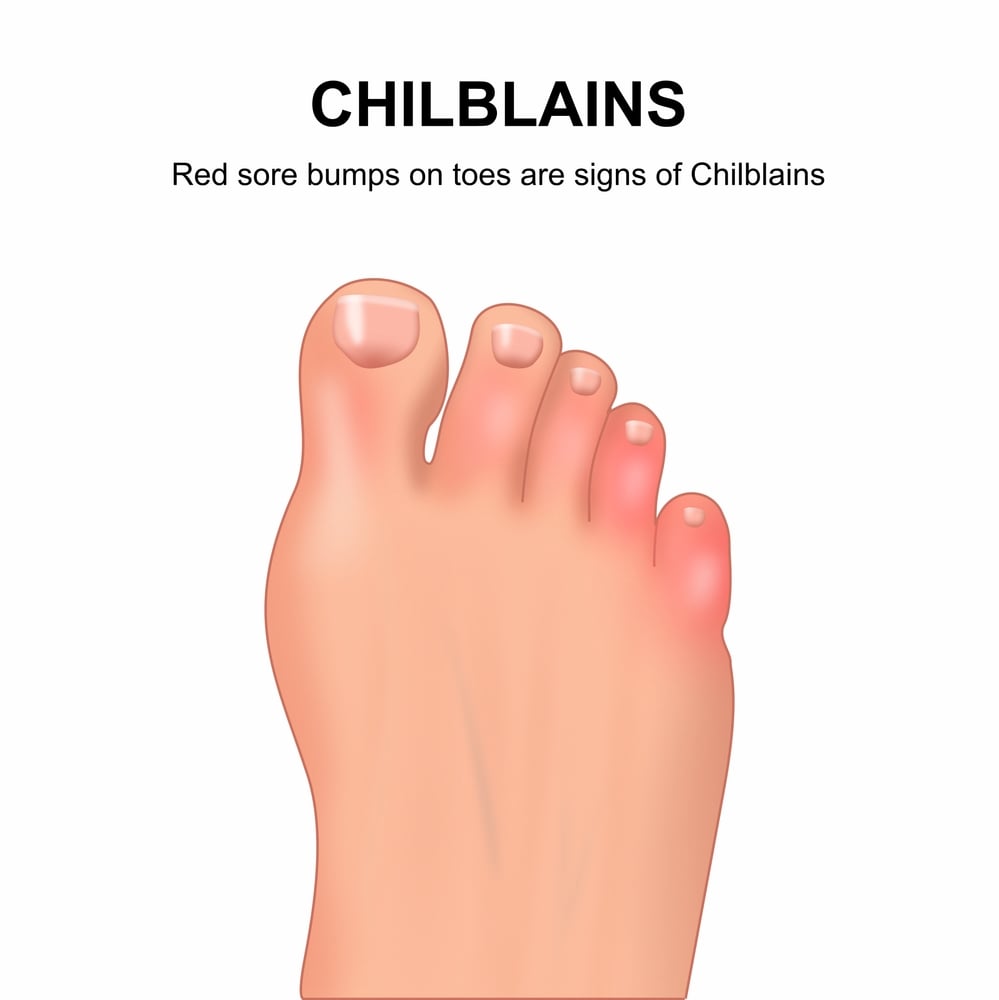
Chilblains, also known as pernio or perniosis, is a dermatological condition characterised by the development of painful, itchy, and swollen skin lesions in response to cold exposure. This circulatory disorder primarily affects the extremities, particularly the toes, resulting in distinctive red or purple patches on the skin.

The pathophysiology of chilblains involves the constriction of small blood vessels in response to cold temperatures, followed by a rapid dilation when rewarmed. This abrupt change in blood flow can lead to inflammation and damage to the surrounding tissues.

Symptoms of chilblains include swelling and itchy toes, burning sensations, and redness. In severe cases, blisters may form and potentially ulcerate.

Chilblains treatment typically focuses on symptom management and prevention. At-home remedies include avoiding scratching, applying soothing lotions, and wearing warm socks to improve circulation. For persistent or severe cases, professional podiatric intervention may be necessary.

Podiatrists can provide targeted treatments and recommendations for appropriate footwear and lifestyle modifications to minimise the risk of recurrence and alleviate discomfort associated with chilblains.

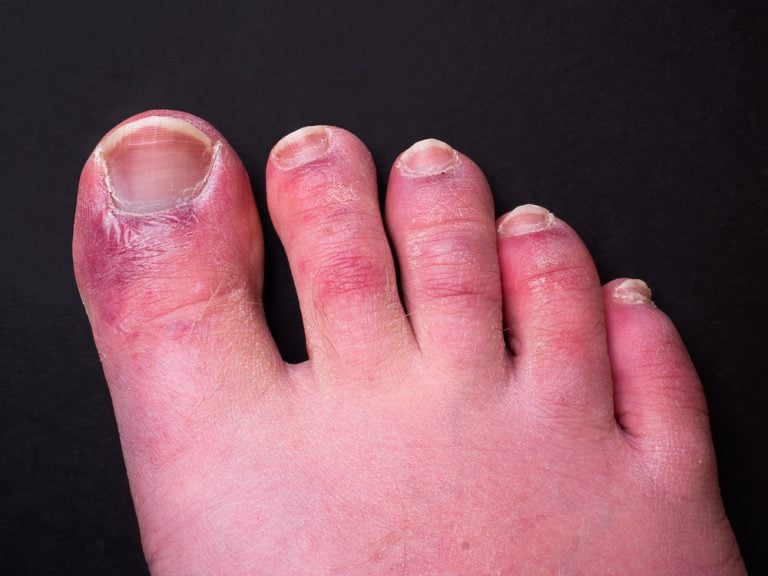
Are you toes red, swollen and itchy? If you have been experiencing cold temperatures as well, it is likely that you have chilblains. This is a frustrating condition that impacts many people's lives. The good news is there are effective and lasting treatment options available so you don't have to put up with it any longer.

Causes of Chilblains Symptoms

To fully comprehend chilblains, it is vital to examine its underlying causes:

  • Cold Temperatures

    The primary trigger for chilblains is exposure to cold temperatures, which causes the capillaries in the toes to constrict. When these constricted blood vessels are subsequently exposed to rapid warming, it can lead to fluid and blood leakage into the surrounding tissues, exacerbating the condition.

  • Older Demographics

    Chilblains are more commonly observed in specific populations. Older patients and individuals with autoimmune conditions are particularly susceptible.

  • Younger Demographics

    Additionally, children and those with a family history of chilblains are at higher risk of developing the condition. This suggests a potential genetic predisposition to chilblains.

The initial symptoms of chilblains typically manifest as pale toes, accompanied by numbness and swelling. These early signs indicate the body’s response to cold exposure and the subsequent vascular changes.

As the condition progresses, more severe symptoms may develop, including itchy reddish-purple skin areas, a burning sensation, and, in some cases, blisters that can evolve into ulcers if left untreated.

Understanding these causative factors is essential for effective prevention and management of chilblains.

Symptom Description
Skin discolouration
Purplish-red patches
Sensation
Itching and burning
Swelling
Localised edema
Complications
Blisters and ulcers

The affected areas often exhibit a burning sensation accompanied by swelling patches. In advanced cases, blisters may form, potentially evolving into ulcers if proper care is not administered. These symptoms are more prevalent in colder, damp climates, as the body’s response to sudden temperature changes triggers the condition.

Are your toes itchy and look similar to this photo? Been out in cold weather recently? This is what Chilblains looks like. Get the help you need today and make an appointment with us to get rid of your Chilblains once and for all.

Given the potential for complications, it is important to seek professional assessment by a podiatrist. These specialists can provide a thorough evaluation of the feet, identifying any underlying issues that may worsen the condition.

Podiatrists are equipped to offer targeted therapies, including massage techniques and guidance on effective home foot care strategies, ensuring optimal management of chilblains and preventing further complications.

Chilblains Podiatry Treatment Options

To address the discomfort associated with chilblains, podiatry treatment options revolve around alleviating symptoms and preventing recurrence.

Podiatrists provide in-depth assessments and evidence-based treatments designed to mitigate the condition’s manifestations. Effective treatment modalities include the application of specialised ointments to soothe irritated skin and relieve itching.

Massage techniques are utilised to boost blood flow and reduce swelling. Additionally, vasodilator medications are sometimes prescribed to improve peripheral blood circulation, thereby reducing the chances of further occurrences.

Treatment Option Description
Specialised Ointments
Application to soothe skin and reduce itching
Massage Techniques
Enhance blood flow and reduce swelling
Vasodilator Medications
Improve peripheral blood circulation
Home Foot Care Guidance
Advice on maintaining skin integrity
Appropriate Footwear Recommendations
Suggestions for cold weather protection

Podiatry patients benefit greatly from personalised care given by experienced practitioners. In addition to clinical treatments, podiatrists offer guidance on home foot care, which includes advice on maintaining skin integrity and avoiding exposure to cold environments.

Ensuring patients wear suitable footwear is crucial to preventing chilblains. Tailored care is provided by podiatry clinics across various locations, customising their treatment plans to each patient’s unique needs.

This multifaceted approach ensures that the patients receive holistic, effective care, address current symptoms, and reduce the risk of recurrence.

Chilblains Symptoms Prevention Tips

Preventing chilblains involves a combination of lifestyle adjustments and proactive measures to protect the feet and toes from cold exposure. Maintaining proper circulation and minimising exposure to cold temperatures are key factors in reducing the risk of developing chilblains.

One essential preventive measure is the use of appropriate footwear. Wearing thick, woollen socks and properly fitting shoes that provide adequate insulation helps keep feet warm and dry. It is vital to promptly remove wet footwear to prevent prolonged exposure to cold and damp conditions.

Preventive Measure Action Benefit
Footwear
Wear thick, woollen socks
Insultation
Indoor environment
Keep spaces warm
Reduce cold exposure
Circulation
Regular foot massage
Improve blood flow
Lifestyle
Avoid smoking
Protect blood vessels
Protective gear
Use protective footwear
Shield against cold

Additionally, maintaining a warm indoor environment and avoiding exposure to cold drafts can notably reduce the risk of chilblains. Regular foot massages can enhance circulation, further decreasing the likelihood of developing this condition.

Individuals should also avoid smoking, as nicotine can adversely affect blood vessels and increase susceptibility to chilblains.

By implementing these preventive measures, individuals can effectively minimise their risk of experiencing chilblains and maintain healthy feet during cold weather.

When To Seek Professional Help For Your Chilblains

While prevention is crucial, there are occasions when professional intervention becomes necessary for managing chilblains. If symptoms worsen or persist despite home remedies, seeking expert help is highly recommended. Podiatrists can provide a detailed evaluation of your condition and recommend suitable treatment options tailored to your specific needs.

Specialist podiatry clinics offer a variety of services to address chilblains, including:

The benefits of seeking professional help include personalised management plans and preventive strategies, such as recommendations on appropriate footwear and methods to maintain an ideal foot warm, which can reduce the risk of recurrent episodes.

Chilblains Conclusion

To wrap up, chilblains continues to be an example of human design’s struggle to adjust to less-than-ideal weather conditions. The combination of inadequate circulation, sudden temperature changes, and genetic tendencies sets the stage for this skin condition.

Thanks to advancements in podiatric care, such as the comforting effects of wax foot baths being particularly calming, individuals can at least find some relief.

This underscores the complexity of advanced podiatric care by showcasing the efforts to integrate ancient survival strategies into contemporary treatments.

If you think you may have a Chilblain and want the right professional advice on how to treat it, please feel free to book yourself in online or call our friendly Reception on (03) 9457 2336 today. You don’t need to put up with the discomfort and itching any longer, get the help you need today.

Picture of Bellevue Podiatry

Bellevue Podiatry

Bellevue Podiatry has been serving the people of Rosanna and its surrounding suburbs for over 10 years. We have the experienced and education to effectively treat any lower limb condition or injury that requires expert podiatry care.

White Marks On Toenails: Possible Causes & Their Podiatry Treatments

You might have noticed those peculiar white marks on your toenails and wondered about their origin. While they could be harmless, they might also indicate an underlying issue that needs attention.

The causes vary, from fungal infections to mineral deficiencies, and so do the treatments. To navigate this intricate terrain and restore your nail health, you’ll need to understand the typical culprits behind these marks and modern podiatry’s cutting-edge solutions.

Identifying the underlying issue helps tailor an accurate and effective treatment plan. So, what should your next steps be to address these marks? Let’s discuss this and more in our latest blog.

Key Takeaways

Common Causes of White Marks

Several factors can lead to the appearance of white marks on your toenails:

  • Fungal Infections

    Onychomycosis, a fungal infection, can cause white, yellow, or brown patches on the nail. This infection can spread to other nails and surrounding skin, leading to complications such as swelling, pain, and difficulty walking.

  • Dehydration

    Keratin granulations, which appear as white, chalky patches, can result from excessive dehydrating products like nail polish removers. This condition is usually reversible by giving your nails a break from such products and using moisturisers.

  • Trauma or Injury

    Minor trauma to the nail bed can disrupt nail growth, causing white spots or patches, known as leukonychia. This condition resolves independently but may persist if the nail matrix is damaged.

  • Nail Psoriasis

    This condition can cause white, scaly plaques on the nail surface and separate the nail from the nail bed. Accurate diagnosis is necessary for effective treatment.

  • Nutritional Deficiencies

    While rare, deficiencies in zinc and calcium can cause white spots on the nails. However, more common causes should be considered first.

Understanding these causes empowers you to identify and address the underlying problems, securing healthier nails. Consult a podiatrist to determine your condition’s exact cause and appropriate treatment.

Types of Toenail Fungus

Tinea Unguium is one of the most common types of fungal nail, but there are others. This is why it is so important to accurately diagnose your fungal concern so a targeted treatment plan can be implemented that works.

Understanding the types of toenail fungus is essential for effective diagnosis and treatment. Toenail fungus can lead to various symptoms, including white patches under nails, white dots on toenails, and even white toenails from nail polish use. The most common types include:

Type Presentation
Distal Subungual Onychomycosis
Affects nail bed and underside of nail
White Superficial Onychomycosis
White spots on nail surface
Proximal Subungual Onychomycosis
Starts at cuticle, affects nail plate
Endonyx Onychomycosis
Involves nail plate, less common

Distal subungual onychomycosis, the most prevalent, usually begins under the nail and can cause thickening and discolouration. If you notice a white patch under the nails or a white dot on your toenail, it might be white superficial onychomycosis caused by Trichophyton mentagrophytes. This type exclusively affects the surface layer but can lead to untreated brittleness.

Proximal subungual onychomycosis starts at the cuticle and progresses inward. It is often seen in immunocompromised individuals and can notably distort the nail structure. Applying nail polish without breaks can exacerbate these conditions by trapping moisture and fostering fungal growth.

Effective treatment often includes topical antifungal lacquers, nail debridement, patient education, and/or specialised Clearanail fungal nail therapy. Seeking guidance from a podiatrist like those at Bellevue Podiatry can make a substantial difference.

Non-Fungal White Mark Conditions

While fungal infections commonly cause white marks on toe nails, it’s essential to recognise that not all such marks are fungal. Several non-fungal conditions can lead to the appearance of white spots or streaks on your toenails:

  • Trauma

    As mentioned earlier, trauma to the nail is a frequent cause of white marks. You might notice white spots appearing if you've accidentally stubbed your toe or dropped something heavy on it. These marks typically grow out with the nail over time and don't require specific treatment.

  • Allergies to Nail Products

    Allergic reactions to nail products can also result in white marks. If you've recently changed your nail polish or started using a new foot care product, the allergen could be the culprit. Discontinuing the use of the allergen often resolves the issue.

  • Health Condition

    Underlying health conditions like psoriasis or mineral deficiencies can manifest as white marks on toe nails. These situations require a more extensive approach to treatment, addressing the root cause rather than just the nail symptoms.

If you’re concerned about white marks on your toenails, it’s best to consult a podiatrist. They can accurately diagnose the cause and provide appropriate treatment, whether fungal or non-fungal.

Prevention and Nail Care Tips

Proper nail care practices are fundamental for the best toenail health and the prevention of white marks:

  • Proper Footwear

    It’s best to prioritise protecting your toenails from trauma by wearing well-fitting shoes that don't squeeze or rub against your nails. This simple step can notably reduce the risk of damage that often leads to white spots.

  • Nail Hygiene

    Proper nail hygiene is essential. Keep your toenails clean and dry to create an environment inhospitable to fungal growth. Avoid harsh chemicals that can weaken the nail structure when caring for your nails. Instead, use gentle nail care products that nourish and strengthen your nails.

  • Breaks from Nail Polish

    While nail polish can be aesthetically pleasing, regular breaks from it are essential. This prevents dehydration and allows your nails to breathe, reducing the likelihood of white spots developing. Consider alternating periods of wearing polish with polish-free intervals.

  • Regular Podiatry Care

    Lastly, don't underestimate the value of professional care. Regular visits to a podiatrist can provide you with expert advice tailored to your specific nail health needs. They can spot potential issues early and recommend appropriate preventive measures or treatments.

When To Seek Professional Help

If you notice persistent white marks on your toenails that aren’t related to trauma, it’s essential to seek professional help from a podiatrist. Persistent white spots could signal underlying issues like Superficial White Onychomycosis or other fungal infections. Podiatrists have the clinical expertise to accurately diagnose the cause and recommend effective treatments to prevent further complications.

When white marks are accompanied by signs of infection, such as redness, swelling, or pain, immediate medical attention is vital. Leaving nail conditions untreated can lead to more severe illnesses. Regular check-ups with a podiatrist are highly recommended, especially if you notice these persistent changes in your toenails.

Here are some signs that it’s time to see a podiatrist:

Podiatrists have the expertise to accurately diagnose the underlying cause of white marks on toe nails. They can differentiate between fungal infections, trauma, and other nail disorders. By seeking professional help, you’ll receive a tailored treatment plan that addresses the specific cause of your white marks, preventing complications and promoting nail health.

Regular check-ups with a podiatrist are also recommended to monitor changes in your toenail health. This proactive approach allows for early detection and treatment of any emerging issues, ensuring the longevity of your toenails’ health. Remember, it’s always best to consult with a professional for proper diagnosis and treatment when in doubt.

In Closing...

To sum up, addressing white marks on your toenails isn’t just about looking better—it’s about ensuring peak foot health.

Those bothersome white spots can indicate anything from minor issues to conditions demanding immediate care. So, don’t delay seeking advice from a podiatrist, maintain exceptional nail hygiene, and take proactive measures to avoid these blemishes.

Your toenails will express gratitude, and you’ll confidently walk out, showcasing your best foot forward, literally and figuratively.

You don’t need to worry about white marks on your toenails.  Call us today on (03) 9457 2336 or book online and let us get you the answers you’re looking for so you can have clear and healthy toenails once again.

Toenail Infection

Understand how you get nail infections and what you can do to get rid of them once and for all. You don't need to put up with unsightly toenails - get our eBook to find out how!

melbourne podiatry clinic toe nail fungus treatment toenail fungus remedy at home
Picture of Bellevue Podiatry

Bellevue Podiatry

Bellevue Podiatry has been serving the people of Rosanna and its surrounding suburbs for over 10 years. We have the experienced and education to effectively treat any lower limb condition or injury that requires expert podiatry care.

Foot Callus Removal: At Home & Lasting Podiatry Treatments

While foot calluses may seem minor, they can heavily impact your comfort and mobility if left untreated. You’ve likely tried quick fixes at home, but lasting relief often requires a more thorough approach.

Understanding the causes of calluses and exploring DIY methods and professional podiatry treatments can help you develop an effective strategy for managing this common foot condition.

From simple soaks to advanced surgical options, a range of solutions are available to address your specific needs. The key lies in choosing the right combination of treatments for your situation.

Callus Treatment Key Takeaways

Understanding Foot Calluses

Thick, hardened patches of skin on your feet are telltale signs of foot calluses. These protective layers develop in response to repeated friction or pressure on specific areas of your feet. Typically, you’ll find calluses on the soles, heels, or balls of your feet, where the most pressure is concentrated during daily activities.

Do you have raised layers of dead skin on one or more pressure points on your feet? These are likely calluses and will only get worse, and more painful, if they are left untreated.

Understanding the nature of foot calluses is essential for effective callus removal. Unlike smaller corns with a hard centre, calluses cover a larger area and have a more uniform texture. While both are forms of hyperkeratosis, it’s essential to differentiate between a foot corn and a callus for proper treatment.

To get rid of corn on feet or calluses, you need to address the underlying cause. Ill-fitting shoes, prolonged standing, or gait abnormalities can contribute to their formation.

Learning how to get rid of calluses on feet involves a combination of preventive measures and targeted treatments. By identifying the source of friction and implementing appropriate solutions, you can effectively manage and prevent the recurrence of these thickened skin areas, ensuring healthier, more comfortable feet.

Home Remedies and DIY Treatment / Removal

One effective method for managing foot calluses at home involves a combination of consistent soaking, gentle exfoliation, and targeted moisturisation:

Additionally, it’s crucial to avoid sharp tools like razors to remove calluses, as this can lead to injuries or infections. If the calluses persist or cause significant discomfort, it is advisable to seek guidance from a podiatrist. They can provide specialised care and advanced treatment options tailored to your needs.

Over-the-Counter Solutions for Callus Removal

Given their accessibility and ease of use, over-the-counter solutions offer a vital approach to managing foot calluses:

Medicated patches, creams, and ointments, often containing salicylic acid, are available to help soften and break down thickened skin.

Salicylic acid’s effectiveness in gradual exfoliation makes it a common ingredient in these products.

61c7pbzOQbL. AC SX679
With a 40% urea content, our urea cream may immediately soften corns & calluses and hydrate the outermost layer of the skin. The combined 2% salicylic acid also increases the exfoliating power.

Pumice stones or foot files can be utilised alongside these treatments for an enhanced outcome.

By gently exfoliating the callused area, these tools help promote smoother skin. 

71FQFAWBguL. AC SX522
Free from toxins and rich in minerals, earth lava pumice stone lasts longer than synthetic alternatives, ensuring you get the most out of your purchase.

Non-medicated callus pads are also beneficial.

They provide cushioning and reduce friction and pressure on the affected area, aiding in the callus removal process.

61nOQxw7j4L. AC SX679
Strong Adhesive: these callus cushions have strong adhesion, nonslip and collision proof, to keep them from shifting while attached to the foot and moving; Cushion stays firmly in place so you can enjoy walking, standing, running or playing sports.

These over-the-counter options are particularly suitable for mild to moderate calluses. They allow you to manage the condition effectively without the need for immediate professional intervention. However, it’s vital to monitor the condition of your calluses.

Should they become severe or persist despite treatment, seeking a professional podiatrist’s advice is recommended. Expert evaluation and specialised care may be necessary for more persistent cases, ensuring you receive the most effective treatment and relief from discomfort.

Professional Podiatry Clinic Treatments

While over-the-counter solutions can be effective for managing mild to moderate calluses, professional podiatry treatments may be necessary for more persistent or severe cases.

These options address not just the symptom but the root cause, ensuring longer-lasting relief and healthier feet:

  • Debridement

    The podiatrist carefully removes thickened skin—immediate relief and prevention of further complications.

  • Orthotic Devices

    Custom-made shoe inserts to redistribute pressure. Prevents callus formation by alleviating pressure points.

  • Prescription Creams

    There are more potent than OTC creams for softening skin. It enhances removal and protects against recurrence.

  • Regular Podiatry Visits

    Ongoing professional foot care. Effective management and prevention of recurring calluses.

Preventing Future Feet Calluses

After addressing existing calluses, focusing on prevention is critical to maintaining healthy feet. To avoid future callus formation, guarantee proper shoe fit and avoid tight footwear that can create pressure points. Keep your toenails trimmed straight across to reduce pressure on your toes, which can contribute to callus development.

Podiatrists are experts at treating your feet with the latest technology and evidence-based treatments. Don't hestiate in making an appointment to get the care you need.

Use cushioned insoles or orthotic inserts to support and minimise foot friction. These additions can help distribute pressure more evenly across your foot, reducing the likelihood of callus formation in specific areas.

Maintain good foot hygiene by:

Address foot issues promptly, such as bunions or hammertoes, as these conditions can create additional pressure points and lead to callus formation. These preventive measures will diminish the risk of developing new calluses and maintain healthier feet. If you experience persistent foot problems, consult a podiatrist for specialised care and treatment options tailored to your needs.

When To Seek Professional Help

For persistent or severe callus issues, professional podiatric intervention becomes necessary. If you experience significant pain or discomfort, it’s time to consult a podiatrist. Over-the-counter treatments might be ineffective for deeply rooted or extensive calluses, so specialised care is necessary.

By tailoring advice and treatment to your specific needs, a podiatrist ensures long-term relief and healthier feet. Ultimately, professional help isn’t just about removing calluses but addressing underlying issues and preventing recurrence, ensuring you can continue serving others without discomfort or limitations. Your foot health is vital to your overall well-being.

Summing It Up...

You’ve now got the lowdown on callus removal, from DIY methods to professional treatments.

Don’t let these pesky growths make you feel like you’re walking on hot coals. Remember, while at-home remedies can provide relief, a podiatrist’s expertise is often your best bet for long-term solutions. They’ll use their medical tools to address underlying issues and prevent future calluses.

Don’t hesitate to seek professional help if your calluses persist or cause pain.

Do your calluses make it difficult to wear shoes and enjoy walking?  Don’t put up with it any longer, take control today by booking an appointment online or call us today on (03) 9457 2336 to see one of our podiatrists and get rid of your corns and calluses once and for all.

Picture of Bellevue Podiatry Treatment Clinic

Bellevue Podiatry Treatment Clinic

Bellevue Podiatry has been serving the people of Rosanna and its surrounding suburbs for over 10 years. We have the qualifications, experience and education to effectively treat any lower limb condition or injury that requires expert podiatry care.

Article References

The following information sources were used in the development of this article. Please feel free to click on the links below if you like a deeper understanding of this subject matter.


  1. Mayo Clinic – https://www.mayoclinic.org/diseases-conditions/corns-and-calluses/diagnosis-treatment/drc-20355951
  2. Healthline – https://www.healthline.com/health/how-to-get-rid-of-calluses
  3. GoodRx – https://www.goodrx.com/health-topic/dermatology/callus-treatment
  4. American Academy of Dermatology Association – https://www.aad.org/public/everyday-care/injured-skin/burns/treat-corns-calluses