October 2025

Blog 146 – Stabbing Heel Pain? Bellevue Podiatry Recommended Toolkit for Plantar Fasciitis

Is the first step out of bed in the morning an exercise in agony? Do you feel a sharp, stabbing pain in your heel that seems to scream with every move? If so, you are not alone. That debilitating pain is the classic calling card of plantar fasciitis, one of the most common issues we treat in our clinic.

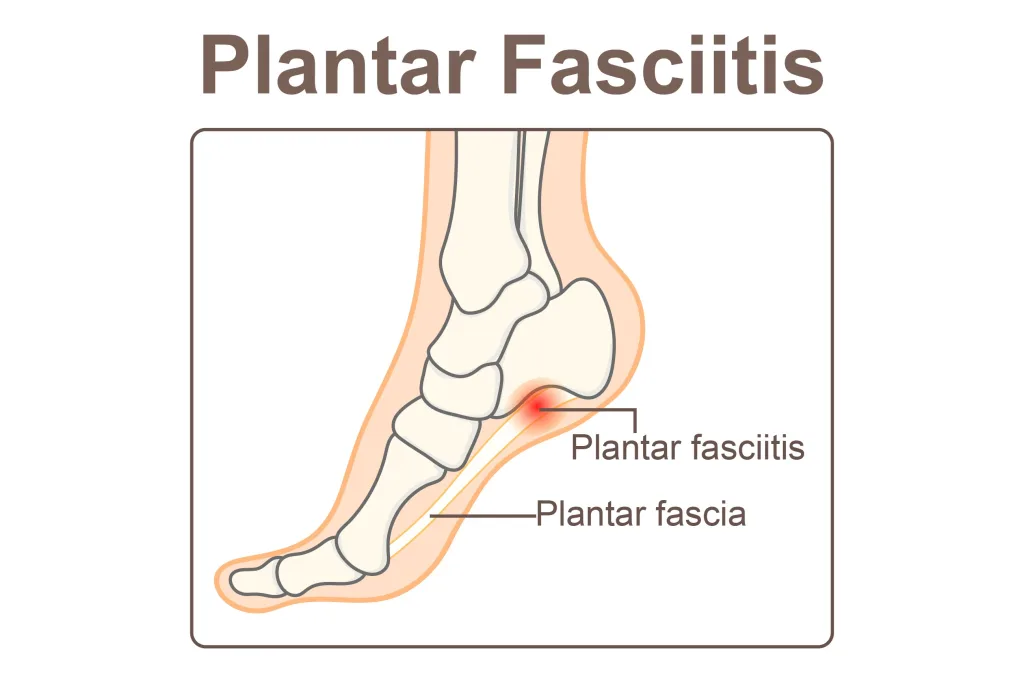
Plantar fasciitis occurs when the plantar fascia—a thick, powerful band of tissue that runs along the bottom of your foot connecting your heel to your toes—becomes injured and degenerated. Think of it as a vital “bowstring” supporting your arch. When it’s overstressed from things like improper footwear, tight calf muscles, or overuse, it starts developing microtraumatic injuries, leading to pain.

The good news is that there is a solution for plantar fasciitis. You don’t have to live with it. In fact, nearly 90% of patients find significant relief with consistent, non-surgical treatment.

As podiatrists, we’ve seen what works with plantar fasciitis. We’ve put together this 4-part toolkit with the exact at-home products and strategies we recommend to our patients. These are low-risk, high-efficacy interventions designed to provide relief and promote healing.

In a Hurry? Here Are 5 Key Takeaways

The 4-Part Plantar Fasciitis Toolkit

Effective plantar fasciitis treatment isn’t about one magic bullet; it’s about a consistent, multi-pronged attack on the problem. Here are the four essential components. Let’s begin.

Why It Works: Unlike rigid athletic tape, flexible kinesiology tape provides dynamic support. When applied to the bottom of the foot, it can help lift the skin and underlying tissue, which is thought to decompress the area, increase blood flow, and reduce plantar fasciitis pain signals. It also provides your brain with constant feedback (proprioception) from your foot, which can improve mechanics and offload the strained fascia while still allowing for natural movement.

How to Use It: A simple application involves sitting with your foot flexed. Anchor one strip of tape on the ball of your foot and pull it with about 50% tension back along the arch, anchoring it to the heel. You can add another cross-strip for more support. The tape can be worn for 2-4 days, even in the shower.

What to Look For: Choose a reputable brand of kinesiology tape. Pre-cut strips designed for foot applications can be easier for beginners, but a standard roll works perfectly well once you learn the technique.

Kinesiology tape can help with plantar fasciitis by providing support to the arch, reducing strain on the plantar fascia, and alleviating pain.

The below video is a useful tutorial from KT Tape on how to self-apply kinesology tape if you are struggling with plantar fasciitis and want some much needed pain relief:

Why It Works: Massaging the plantar fascia and the tight muscles in your calf helps increase blood flow, break down scar tissue, and provide immediate, satisfying plantar fasciitis relief. While a professional’s hands are outstanding, you can do highly effective work yourself.

How to Use It: While sitting, roll a firm ball under your foot, applying gentle pressure to any tender spots for 30-60 seconds. A frozen water bottle can be used as a roller to combine the benefits of massage and icing.

What to Look For: Don’t overthink it. A simple lacrosse ball is perfect for deep, targeted pressure. For a gentler massage, a dedicated foot roller works well.

Ergonomic design foot massager roller fits to the arch of the foot, increase comfort for all types of foot and heel pain, plantar fasciitis relief, neuropathy disorders. Great stress relief gift for women and men who have foot pain problems.

Why It Works: The root cause of plantar fasciitis is often a lack of proper support. An OTC insole with firm, structured arch support helps control pronation and reduces the daily strain on your plantar fascia. This is not a flimsy gel cushion; it’s a semi-rigid device that helps correct biomechanics.

How to Use It: Replace the flimsy factory liner that came with your shoes with the supportive insole. Make sure it fits perfectly and doesn’t crowd your toes. Wear them in all your closed-toe shoes.

What to Look For: We recommend insoles with a firm, non-compressible arch and a deep heel cup. Avoid soft, squishy gel insoles, as they provide comfort but not the corrective support your fascia needs.

Designed for people over 200 pounds who suffer from lower back pain and foot & leg fatigue from being on their feet.

Why it Works: This isn’t a plantar fasciitis product per say, but it’s the most critical part of your toolkit. Your calf is made of two primary muscles—the gastrocnemius (upper calf) and the soleus (lower calf). Tightness in either one pulls on the heel bone via the Achilles tendon, placing constant tension on the plantar fascia and giving you plantar fasciitis. You must stretch both.

How to Do Them:

  1. Gastrocnemius Stretch (Knee Straight): Stand facing a wall with your hands on it for support. Place the leg you want to stretch behind you, keeping your heel flat on the floor and your leg straight. Gently lean forward into the wall until you feel a stretch in the upper part of your calf. Hold for 30 seconds. Repeat 3 times.


  2. Soleus Stretch (Knee Bent): Please assume the same starting position. Now, while keeping your heel flat on the floor, slightly bend the knee of your back leg. You should feel this stretch lower down in your calf, closer to your heel. This procedure isolates the deeper soleus muscle. Hold for 30 seconds. Repeat 3 times.

Please watch this useful video tutorial from accredited US hospital Sharp Healthcare on how to perform these two important calf stretches.

Putting It All Together: A Daily Routine for Relief

When to See a Podiatrist

This at-home plantar fasciitis toolkit is highly effective, but it is not a replacement for professional medical advice. You should book an appointment with us at Bellevue Podiatry if:

Here at Bellevue Podiatry, we can provide a definitive plantar fasciitis diagnosis and discuss more advanced treatments like custom orthotics, corticosteroid injections, or physical therapy modalities to get you back on your feet, pain-free.

Custom Orthotics are an effective way to resolve a number of biomechnical issues that can lead to outside of foot pain. It is crucial to ensure an accurate diagnosis and biomechanical assessment for an effective prescription of custom orthotics.

Your Next Step Toward a Pain-Free Life

Taking control of your plantar fasciitis is the first and most important step. By consistently using this toolkit, you are actively creating an environment for your foot to heal. Remember to be patient with your body—healing takes time.

But you don’t have to navigate this path alone. If your plantar fasciitis pain persists or you’re unsure about your progress, please know that expert help is just a phone call away. At Bellevue Podiatry, our commitment is to assist our patients in achieving long-lasting relief and resuming their favorite activities.

If you want the right professional advice on how to treat your foot pain, we currently have a limited offer running to help you out. For just $79 (usually valued at $189), book in online for our Complete Foot Pain Assessment & Treatment Consultation will get:

  • Complete In-Depth Foot Pain Examination
  • Review of Footwear & Personal Habit Diagnosis
  • Treadmill Walking Gait Analysis & Video Assessment
  • Complete Foot & Ankle Structural Diagnosis
  • Effective Foot Pain Treatment Plan To Get You Walking Pain Free
  • Peace of Mind You Know What Is Causing Your Foot Pain & How To Fix It
Check out our heel pain eBook below for further details on this special offer as well as other tips and techniques you can try at home to manage your plantar fasciitis and foot pain.

You don’t need to put up with heel pain any longer.  Our team of experienced Podiatrists have the education and experience to get you moving pain free again.  Take control today by booking in online or call us today on (03) 8104 9270 to get this issue sorted once and for all.

Foot Pain & Plantar Fasciitis

Understand what causes your foot pain and what you can do to get rid of it once and for all. Find out what treatments can get you back to walking pain free so you can enjoy living an active life again!

plantar fasciitis treatments best arch support insoles for plantar fasciitis
Picture of Bellevue Podiatry

Bellevue Podiatry

Bellevue Podiatry has been serving the people of Rosanna and its surrounding suburbs for over 10 years. We have the qualifications, experience and education to effectively treat any lower limb condition or injury that requires expert podiatry care.

Picture of Nicole Hardidge - Principal Podiatrist

Nicole Hardidge - Principal Podiatrist

Nicole graduated with a Bachelor of Podiatry from Latrobe University in 2009 with a certificate in Advanced Clinical Education. Nicole has completed her post graduate certificate in wound care through Monash University.

Blog 145 – Heel Discomfort Causes & Treatment in Melbourne | Bellevue Podiatry

Nearly one in ten Australians will experience heel discomfort at some point this year, and you might be wondering why your morning steps feel like walking on glass. At Bellevue Podiatry in Melbourne, we’ve seen how heel pain can derail your daily routine—from your morning run to simply standing at work.

Fortunately, there is good news. Most heel pain responds well to targeted treatment once you understand what’s causing it. Let’s explore the common culprits behind your discomfort and the proven solutions that’ll get you back on your feet.

Key Takeaways

Why Is My Heel Hurting? Identifying Heel Discomfort Symptoms

There are several common reasons for arch pain, with plantar fasciitis being one of the most common. The good news is there are a number of effective and lasting evidence-based podiatry treatments meaning you don't have to put up with the pain any longer.

The nature and timing of your heel discomfort can provide insight into the underlying cause:

Common Causes of Heel Pain We Treat in Melbourne

At Bellevue Podiatry, we diagnose and treat a wide spectrum of heel pain conditions, each requiring a different approach.

Understanding the specific cause of your heel pain is crucial. At Bellevue Podiatry, we take a patient-centred approach, focusing on identifying the root of your pain. This is the first step towards effective, evidence-based treatment that will get you back on your feet.

Plantar Fasciitis: The Most Frequent Culprit

Plantar fasciitis accounts for the majority of heel pain cases we evaluate at Bellevue Podiatry in Melbourne. This condition inflames the plantar fascia—the thick tissue connecting your heel to your toes—causing sharp, stabbing pain with your first morning steps or after rest.

Risk Factor Symptom First-Line Treatment
Calf Tightness
Morning Heel Pain
Targeted Stretching
Overuse / Running
Medial Heel Tenderness
Orthotic Insoles
Poor Footwear
Pain After Rest
Supportive Shoes
Flat / High Arches
Worsens With Standing
Activity Modification
Increased Weight
Sharp, Stabbing Sensation
Ice & Anti-Inflammatories

We’ll diagnose through examination and imaging when needed.

Achilles tendinitis affects the thick tendon connecting your calf muscle to your heel bone, producing pain at the back of your heel that typically flares during your first morning steps and worsens with running, jumping, or prolonged standing.

Insertional Achilles Tendinopathy is a chronic overuse injury at the insertion of the Achilles Tendon. People with this problem generally present with pain when first getting out of bed which reduces slightly after walking a short distance and then returns again with extended walking.

Risk factors include calf tightness, sudden activity increases, inadequate footwear, and flat or high-arched feet. We diagnose Achilles tendinitis through clinical examination and may use ultrasound or MRI if needed.

The treatment centres on stretching therapy for your calf and Achilles tendon, activity modification, heel lifts, anti-inflammatories, and physical therapy. Persistent cases may benefit from shockwave therapy or injections.

Many patients who show up at our Melbourne clinic worry that a heel spur seen on X‑ray is the root of their pain, but in most cases, the spur itself isn’t the culprit.

Heel spurs are calcium deposits that often appear alongside plantar fasciitis, yet they’re asymptomatic in many people.

A heel spur is a bony protrusion from the underside of the heel bone, often forming due to chronic strain or tearing of the plantar fascia, the band of tissue supporting the arch of the foot. While a spur itself might not be painful, it's often linked to plantar fasciitis, the actual cause of heel pain, which can worsen with morning steps or activity.

The real problem is usually inflammation or degeneration of the plantar fascia. A tight Achilles tendon increases load on that tissue, driving both conditions.

We focus treatment on stretching, strengthening, orthotics, and other soft‑tissue therapies. Spur removal is rarely necessary when we address the underlying biomechanical cause.

Not all heel pain stems from inflammation or bony growths; sometimes the bone itself develops a stress fracture, or the protective fat pad suffers a bruise.

Stress fractures in the calcaneus—the heel bone—are small cracks caused by repetitive high-impact activity, commonly seen in runners and military recruits who’ve ramped up their training too quickly.

A heel stress fracture from running is a small crack in the heel bone (calcaneus) caused by repetitive impact. Symptoms include pain that worsens with activity and improves with rest, tenderness, and swelling.

stone bruise results from stepping on a tough object, causing sharp pain when you walk barefoot.

Both conditions require protected weight-bearing (stiff shoe, boot, or crutches), ice, and imaging—MRI or bone scan—to confirm diagnosis and prevent worsening damage.

There are many more causes for your heel pain that are too numerous to list here in their entirety.  Below is a table of several other common types of heel pain that you may be experiencing.  

Always remember that accurate diagnosis of your issue is the crucial first step in developing an effective and lasting treatment plan that resolves your heel pain permanently.  

Condition Typical Patient Key Symptom Aggrevating Factors First-Line Treatment
Retrocalcaneal bursitis
Typically affects runners and individuals with Haglund’s deformity
Characterised by tender swelling at the back of the heel
Aggravated by tight heel counters and high heels
Treated with footwear modifications, heel lifts, and ice application
Baxter’s nerve entrapment
Active adults
Burning inner-heel pain
Prolonged standing
Off-loading orthoses, nerve glides
Sever’s disease
Children 8–15 years
Activity-linked posterior ache
Sports, tight calves
Calf stretching, heel lifts, activity modification
Sever's disease (calcaneal apophysitis) is a common cause of heel pain in growing children and adolescents, typically aged 8-15, resulting from repetitive stress on the growth plate at the back of the heel.

Effective At-Home Treatments for Initial Relief

When you’re experiencing heel pain, several evidence-based at-home measures can provide meaningful relief while you’re waiting for a professional assessment. The R.I.C.E. protocol—rest, ice, compression, and elevation—reduces inflammation during the acute phase, and specific stretches targeting your plantar fascia and Achilles tendon address underlying mechanical stress.

Equally important is wearing supportive footwear that properly cushions and aligns your foot, helping prevent further strain while your tissues heal.

The R.I.C.E. Method: Rest, Ice, Compression, and Elevation

If your heel pain has just begun, the R.I.C.E. method offers a proven first-line approach to reduce inflammation and ease discomfort before you see a podiatrist.

Applying ice can provide short-term pain relief for heel pain by reducing inflammation, but it may not fix the underlying problem, especially if the pain is caused by a degenerative condition like plantar fasciosis. To use ice, apply a cloth-covered ice pack or frozen bottle for 15-20 minutes, three to four times a day.

Rest by avoiding weight-bearing activities for 48–72 hours to protect the plantar fascia. Ice the painful area for 15 minutes every 2–3 hours, always using a barrier to protect your skin. Apply gentle compression with a sleeve or bandage to limit swelling without cutting off circulation. Elevate your foot above your heart on pillows several times daily.

Combine these steps with supportive footwear for optimal relief.

Gentle, targeted stretching consistently ranks as one of the most effective at-home strategies to relieve plantar fascia and Achilles tension that drives heel pain:

Footwear choice plays a pivotal role in both preventing heel pain and accelerating recovery once symptoms appear. You’ll want shoes with firm heel counterscushioned midsoles, and a 20–30 mm heel-to-toe drop to reduce strain on your foot.

Wearing properly fitted shoes with a wide toe box and low (if any) heels is the ideal choice of footwear. An experienced podiatrist can review your footwear and guide you on the best possible choices. Get the right professional advice from those with specialised education and experience in the complex field of foot & ankle health.

Match arch support to your foot type—flat, neutral, or high—using prefabricated insoles if needed. Replace worn shoes every 500 km; degraded cushioning increases impact forces on the heel.

At home, avoid barefoot walking on hard floors. Choose supportive slippers with built-in orthotics.

If unsure, a podiatrist can guide shoe selections matched to your biomechanics for the best prevention and healing.

Professional Podiatry Treatments for Lasting Heel Pain & Plantar Fasciitis Relief

When home treatments haven’t resolved your heel pain within a few weeks, professional podiatry care can identify the underlying cause and provide targeted, evidence-based interventions.

At Bellevue Podiatry, you’ll receive a thorough biomechanical assessment—including gait analysis and imaging—to pinpoint structural issues, tight tissues, or faulty mechanics driving your symptoms.

From there, your podiatrist will design a personalised treatment plan combining custom orthoticsshockwave therapy, hands-on therapy, and strengthening protocols to deliver lasting relief and prevent recurrence.

Comprehensive Biomechanical Assessment and Diagnosis

Because heel pain often stems from multiple mechanical factors working together, Bellevue Podiatry‘s all-encompassing biomechanical assessment forms the foundation of accurate diagnosis and lasting relief.

A treadmill gait assessment is a valuable technique to quickly identify issues with your walking style that could be causing your foot pain so a targeted & effective treatment plan can be implemented.

Your clinician takes a detailed medical and activity history, then performs physical tests to identify plantar fascia tenderness, tendon tightness, and gait abnormalities captured on treadmill video. When needed, weight-bearing X‑rays or diagnostic ultrasound confirm stress fractures or soft‑tissue tears.

This thorough evaluation pinpoints whether overpronation, calf restriction, or footwear contributes to your symptoms, enabling a targeted treatment plan—stretching protocols, custom orthotics, shockwave therapy, or injections—that addresses root causes and restores pain‑free walking.

Many heel‑pain sufferers trace their symptoms back to structural issues—overpronation, high arches, or abnormal foot mechanics—that place excess strain on the plantar fascia and surrounding tissues. 

Custom orthotics, cast from a biomechanical assessment and foot impression, correct these abnormalities with tailored arch support and shock absorption. Evidence shows they markedly reduce plantar fasciitis pain when combined with stretching.

Your custom orthotic journey includes:

Stretching, orthotics, and rest are the foundation of heel-pain care, yet some cases resist months of conservative therapy and require a more targeted approach.

Extracorporeal shockwave therapy uses focused sound waves to target the plantar fascia or Achilles tendon, helping to lessen pain in long-lasting plantar fasciitis and Achilles tendon issues after three to six weekly treatments. It’s non-invasive, clinic-based, and well-tolerated.

Shockwave therapy, or extracorporeal shockwave therapy (ESWT), is a non-invasive treatment for plantar fasciitis that uses high-energy sound waves to stimulate healing, improve blood flow, and regenerate tissues in the heel and arch. It is a conservative option for chronic cases that haven't responded to other treatments and works by over-stimulating nerves to reduce pain and triggering repair mechanisms.

For shorter‑term relief, ultrasound‑guided injections place corticosteroid precisely at the site of inflammation.

We personalise treatment selection based on your diagnosis, symptom duration, imaging findings and goals, ensuring you receive the advanced care that resolves stubborn heel pain.

When conservative measures plateau before full recovery, a structured rehabilitation plan targeting the specific biomechanical deficits driving your heel pain becomes essential.

At Bellevue Podiatry, we develop personalised programmes combining calf and plantar fascia stretching with progressive strengthening exercises.

Your plan follows a comprehensive biomechanical assessment and gait analysis, typically including 4–10 supervised sessions paired with home exercises like eccentric calf raises.

We integrate custom orthotics, taping, or shockwave therapy when indicated, monitoring objective outcomes to adjust intensity and guarantee safe return-to-activity.

Your rehabilitation journey includes:

When to See a Podiatrist in Melbourne for Your Heel Pain

Custom Orthotics are an effective way to resolve a number of biomechnical issues that can lead to outside of foot pain. It is crucial to ensure an accurate diagnosis and biomechanical assessment for an effective prescription of custom orthotics.

A podiatrist will diagnose the cause and provide evidence-based treatment, from custom orthotics to advanced therapies, ensuring optimised recovery.

Summing It All Up For You...

In conclusion, this blog has explored the common causes of heel pain, including plantar fasciitisAchilles tendinitisheel spurs, and overuse injuries, while highlighting effective treatment options such as stretching exercisesorthotics, physical therapy, and advanced interventions like shockwave therapy.

Understanding these factors empowers you to address heel pain proactively and prevent recurrence. If you’re experiencing persistent heel pain, the team at Bellevue Podiatry in Melbourne is here to help with tailored assessments and personalised treatment plans—schedule your consultation today and reclaim your comfort and mobility.

If you want the right professional advice on how to treat your foot pain, we currently have a limited offer running to help you out. For just $79 (usually valued at $189), book in online for our Complete Foot Pain Assessment & Treatment Consultation will get:

Check out our heel pain eBook below for further details on this special offer as well as other tips and techniques you can try at home to manage your plantar fasciitis and foot pain.

You don’t need to put up with sore feet any longer.  Our team of Podiatrists have the education and experience to get you moving pain free again.  Take control today by booking in online or call us today on (03) 8104 9270 to get this issue sorted once and for all.

Foot & Heel Pain | Pain From Overuse

Understand what causes your foot pain and what you can do to get rid of it once and for all. Find out what treatments can get you back to walking pain free so you can enjoy living an active life again!

plantar fasciitis treatments best arch support insoles for plantar fasciitis
Picture of Bellevue Podiatry Heel Discomfort Clinic

Bellevue Podiatry Heel Discomfort Clinic

Bellevue Podiatry has been serving the people of Rosanna and its surrounding suburbs for over 10 years. We have the qualifications, experience and education to effectively treat any lower limb condition or injury that requires expert podiatry care.

Picture of Nicole Hardidge - Principal Podiatrist

Nicole Hardidge - Principal Podiatrist

Nicole graduated with a Bachelor of Podiatry from Latrobe University in 2009 with a certificate in Advanced Clinical Education. Nicole has completed her post graduate certificate in wound care through Monash University.

If you would like a deeper understanding of the content discussed in this article, please click on the links below:

  1. https://www.mayoclinic.org/diseases-conditions/plantar-fasciitis/symptoms-causes/syc-20354846 (Mayo Clinic)
  2. https://www.health.harvard.edu/digital_first_content/foot-pain-a-look-at-why-your-feet-might-hurt (Harvard Health Publishing)
  3. https://orthoinfo.aaos.org/en/diseases–conditions/heel-pain (American Academy of Orthopaedic Surgeons)
  4. https://my.clevelandclinic.org/health/symptoms/heel-pain (Cleveland Clinic)
  5. https://www.foothealthfacts.org/article/why-does-my-heel-hurt (American College of Foot and Ankle Surgeons)