December 2025

Blog 152 – Shockwave Therapy for Plantar Fasciitis Melbourne: A Patient’s Guide

You’ve probably tried everything short of staying in bed all day to rid yourself of that stabbing heel pain each morning. Rest, ice, expensive orthotics, stretching routines that rival yoga classes—yet your plantar fasciitis persists.

Before you resign yourself to limping through another Melbourne winter, there’s a treatment gaining serious traction in podiatry clinics across Melbourne that might finally break the cycle.  Let’s dive in!

Key Takeaways

Why Standard Treatments Sometimes Fail Plantar Fasciitis

Although plantar fasciitis affects millions each year, many standard treatments only mask the pain rather than fix the root problem.

Your plantar fascia suffers degenerative damage from repetitive micro-tears, yet anti-inflammatories and rest don’t stimulate the collagen remodelling your tissue needs for lasting healing.

shockwave therapy for plantar fasciitis melbourne
Heel pain lasting weeks is common and often caused by conditions like plantar fasciitis, Achilles tendinitis, or bursitis. If the pain persists for more than a couple weeks, worsens, or is severe, see a podiatrist for a professional diagnosis and treatment plan.

Corticosteroid injections provide quick relief, but benefits fade after about four weeks, and repeated shots risk plantar fascia rupture.

Stretching, ice, and orthotics alone often fall short in chronic cases. That’s why shockwave therapy has emerged: it actively triggers tissue repair, addressing the underlying degeneration when symptoms persist beyond six months.

What is Extracorporeal Shockwave Therapy (ESWT)?

Extracorporeal Shock Wave Therapy (ESWT) sends high-energy acoustic pressure waves through your skin directly into the damaged plantar fascia tissue. This shockwave treatment creates controlled microtrauma that stimulates your body’s natural healing response.

The acoustic waves increase local blood flow, promote collagen remodelling, and break down calcific deposits, causing your heel pain:

shockwave therapy for plantar fasciitis melbourne
Shockwave therapy can be a beneficial treatment option for plantar fasciitis, however it needs to be administered correctly and in the approrpriate scenarios.

The Bellevue Podiatry Approach: Why Choose Us in Rosanna?

When you choose Bellevue Podiatry in Rosanna for your plantar fasciitis treatment, you’re accessing an on-site diagnostic ultrasound that confirms plantar fascia degeneration before we begin therapy. Our Melbourne podiatrists deliver focused ESWT as a non-invasive alternative to surgery, with sessions lasting 10–15 minutes.

Shockwave Feature Your Benefit
Diagnostic ultrasound
Targeted, evidence-based treatment
3-session protocol (1–2 weeks apart)
Convenient outpatient care
Walk-in, walk-out
Immediate weight-bearing, minimal downtime
Integrated rehab plan
Stretching, strengthening, footwear guidance
Medication review
Optimised shockwave outcomes

Our clinic combines advanced podiatry technology with personalised rehabilitation strategies.

shockwave therapy for plantar fasciitis melbourne
Shockwave therapy (ESWT) is a non-invasive treatment using high-energy sound waves to stimulate healing for chronic heel pain, especially plantar fasciitis, by improving blood flow and regenerating tissue, offering relief when other treatments fail.

What to Expect During Your Treatment Session

What happens once you arrive for your shockwave session? Your podiatrists will apply coupling gel to your heel, then position a handheld applicator over the painful area.

Each wave therapy treatment delivers approximately 1,500–3,000 pulses to your plantar fascia, with intensity adjusted to suit your comfort. Most patients tolerate the procedure without anaesthesia, experiencing only brief discomfort.

The outpatient session typically lasts 10–15 minutes. You’ll walk out immediately afterwards, though your physiotherapy team will recommend limiting activity for 48 hours.

Expect mild soreness or bruising that resolves within 5–10 days, and avoid anti-inflammatories during initial recovery.

Bellevue Podiatry uses market leading Swiss DolorClast shockwave therapy machine.  Below is a video demonstration of the device treating a patient with plantar fasciitis.

Clinical Evidence: What Are the Success Rates?

You understand the procedure, but does shockwave therapy actually work? Extensive reviews show success rates of 80–90% worldwide, with “successful” meaning at least 75% pain reduction within three months:

Our Melbourne podiatrists can explain how combining shockwaves with targeted exercises maximises your outcomes, giving you the best chance of lasting relief.

Frequently Asked Questions About Shockwave in Melbourne

You probably have practical questions before booking shockwave therapy in Melbourne. Most patients want to know how many sessions they’ll need, whether their private health insurance will cover the cost, and if they can wear orthotics during treatment.

Here are answers to the most common questions our Melbourne clinics receive.

How Many Sessions Will I Need?

How many shockwave sessions will you need? Most Melbourne podiatrists recommend a course of 3 to 5 treatments spaced about one week apart for chronic plantar fasciitis.

Each session lasts 5–15 minutes and delivers roughly 1,500–3,000 shockwaves to your painful area. Sessions are typically scheduled every 5–8 days, allowing your body’s healing response to develop between visits.

Some patients find relief after just 2–3 treatments, while long‑standing cases may require 4–6 sessions. If you don’t see meaningful improvement—around 75% pain reduction—within three months, your podiatrist will reassess and discuss alternative options.

Does private health insurance cover shockwave therapy?  Coverage depends on your fund and policy level.

Medicare and private insurers typically rebate the consultation, but shockwave itself is variably covered—often not fully rebated.

Some Melbourne clinics charge around $40 extra per session; others include it at no additional cost.  Out-of-pocket expenses vary widely between practices and insurers.

Always check with your private health fund and clinic beforehand to confirm rebate levels, gap payments, and any session limits. Understanding your coverage upfront helps you budget for treatment and avoid unexpected costs.

Can I combine shockwave with orthotics? Yes, and combining them is often recommended.

Shockwave treats the inflamed plantar fascia tissue, while orthotics offload and support your arch to prevent recurrence. There’s no contraindication to wearing orthotics during your typical three-to-five weekly shockwave sessions—continue using them before, during, and after treatment.

Your podiatrist may recommend custom orthotics for structural issues or prefabricated inserts as a cost-effective option. Bring your orthotics to your initial assessment so the clinician can check the fit and adjust load-sharing.

Combining shockwave with orthotics, stretching exercises, and proper footwear delivers better long-term outcomes than shockwave alone.

Ready to Walk Pain-Free? Book Your Assessment in Rosanna

Why endure another month of heel pain when a thorough assessment in Rosanna can map your path to relief?

When you book your initial consultation, a clinician will review your medical history and current medications, then perform a physical exam—that may include a diagnostic ultrasound—to confirm plantar‑fascia degeneration and rule out other conditions like stress fractures or nerve compression

shockwave therapy for plantar fasciitis melbourne
Orthotics can also effectively treat heel pain by providing arch support to realign the foot and reduce strain on the plantar fascia ligament.

You’ll learn whether shockwave therapy suits you, discuss stopping aspirin or ibuprofen five days beforehand, and receive a treatment plan outlining three to five weekly sessions. Our clinic will explain fees, Medicare rebates, contraindications, expected timelines, and scheduled follow‑up reviews to monitor your progress.

In Closing...

Shockwave therapy has emerged as a proven, non-invasive solution for plantar fasciitis sufferers in Melbourne who haven’t found relief through conventional treatments. This innovative technology delivers targeted acoustic waves to stimulate healingreduce pain, and restore mobility—often when stretching, orthotics, and rest have failed to provide lasting results.

If you’re ready to address your heel pain at its source rather than simply managing symptoms, the experienced team at Bellevue Podiatry is here to guide you through every step of your recovery.  Contact us today to schedule your comprehensive assessment and discover whether shockwave therapy is the right solution for your plantar fasciitis.

You don’t need to put up with heel pain any longer.  Our team of experienced Podiatrists have the education and experience to get you moving pain free again.  Take control today by booking in online or call us today on (03) 8104 9270 to get this issue sorted once and for all.

Plantar Fasciitis

Understand what causes your foot pain and what you can do to get rid of it once and for all. Find out what treatments can get you back to walking pain free so you can enjoy living an active life again!


plantar fasciitis treatments best arch support insoles for plantar fasciitis
Picture of Bellevue Podiatry Shockwave Therapy

Bellevue Podiatry Shockwave Therapy

Bellevue Podiatry has been serving the people of Rosanna and its surrounding suburbs for over 14 years. We have the qualifications, experience and education to effectively treat any lower limb condition or injury that requires expert podiatry care.

Picture of Nicole Hardidge - Principal Podiatrist

Nicole Hardidge - Principal Podiatrist

Nicole graduated with a Bachelor of Podiatry from Latrobe University in 2009 with a certificate in Advanced Clinical Education. Nicole has completed her post graduate certificate in wound care through Monash University.

If you would like a deeper understanding of the content discussed in this article, please refer to the reference sources below:

  1. National Centre for Biotechnology Information (NCBI/PubMed) – Efficacy of extracorporeal shock wave therapy for chronic plantar fasciitis: https://pmc.ncbi.nlm.nih.gov/articles/PMC10614648/
  2. Mayo Clinic – Plantar fasciitis diagnosis and treatment: https://www.mayoclinic.org/diseases-conditions/plantar-fasciitis/diagnosis-treatment/drc-20354852
  3. BMJ (British Medical Journal) – Shock wave therapy for plantar heel pain (review): https://www.bmj.com/content/327/7406/75
  4. Cleveland Clinic – Extracorporeal shock wave therapy overview: https://my.clevelandclinic.org/canada/services/shockwave-therapy

Blog 151 – How to Fix an Ingrown Toenail: A Podiatrist’s Guide to Relief and Recovery

You’ve felt that sharp, nagging pain along the side of your big toe—the telltale sign of an ingrown toenail. Before you reach for nail clippers or attempt risky bathroom surgery, you need to understand what actually works and what could land you in serious trouble.

Understanding which home remedies are effective and when professional intervention becomes non-negotiable often determines the difference between safe relief and a painful infection. Let’s explore this and more useful nail care information in our latest blog on ingrown toenails.

Key Takeaways

What Causes an Ingrown Toenail?

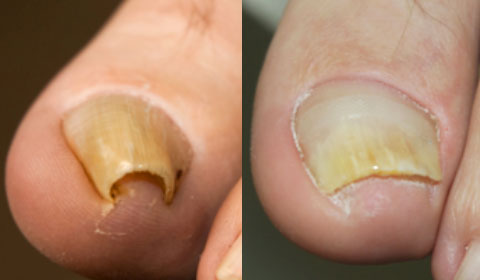
An ingrown toenail (onychocryptosis) happens when the nail's edge curves and grows into the surrounding skin, causing pain, redness, swelling, and warmth, commonly on the big toe.

Professional podiatry assessment ensures proper toenail treatment and prevents complications.

4 Safe Ways to Treat an Ingrown Toenail at Home

If your ingrown toenail is painful but not severely infected, you can start with proven home treatments before seeking professional care.

Follow these steps carefully and monitor your symptoms—if pain worsens or signs of infection develop, contact Bellevue Podiatry Rosanna promptly.

1. Soak Your Feet in Warm Salt Water

Soaking the affected foot in warm salt water softens the nail plate, reduces localised inflammation, and alleviates pain—making it the cornerstone of conservative home treatments for mildly ingrown toenails.

Use warm water with one to two tablespoons of Epsom salt per quart, soaking for fifteen to twenty minutes, two to three times daily.

A foot soak in warm, salty water can help relieve pain and discomfort from an ingrown toenail - however we would only suggest this home remedy for early onset and mild ingrown toenail cases.

After each soak, dry thoroughly and apply antiseptic ointment.

If you have diabetes, poor circulation, or signs of infected ingrown tissue—increasing redness, pus, or fever—skip home ingrown toenail treatment and contact a podiatrist immediately for professional intervention.

Once you’ve placed the cotton wisp and covered the ingrown edge, protect the site from bacterial infection by applying over-the-counter antibiotic ointment:

Stop and seek care if redness, swelling, or pus increases—severe cases may require nail avulsion by a podiatrist.

Protecting the injured toe from pressure accelerates healing and prevents further trauma to the ingrown edge.

Open-toed shoes or sandals eliminate direct compression and improve airflow, reducing infection risk while dressings remain intact.

Proper footwear supports home treatment and minimises recurrences before professional intervention becomes necessary.

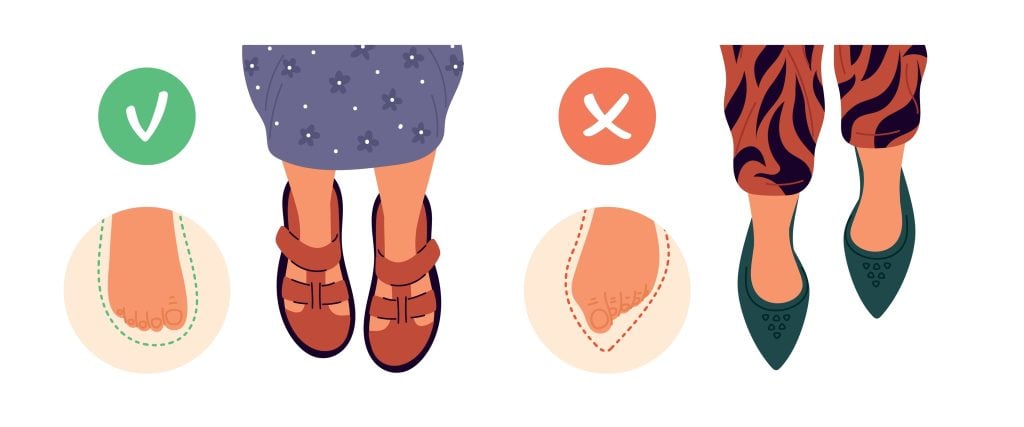
Wearing properly fitted shoes with a wide toe box and low (if any) heels is the ideal choice of footwear to reduce your likelihood of getting an ingrown toenail. An experienced podiatrist can review your footwear and guide you on the best possible choices.

What NOT To Do: Common DIY Mistakes

While home care can relieve mild ingrown toenails, specific popular DIY methods cause more harm than good and substantially increase your risk of infection or permanent nail damage.

Understanding these common mistakes will help you avoid complications and recognise when it’s time to consult Bellevue Podiatry Rosanna for professional treatment.

Avoid "Bathroom Surgery" (Digging Too Deep)

Although the temptation to remove an ingrown toenail yourself can be strong when you’re in pain, attempting “bathroom surgery” with sharp instruments poses serious risks that outweigh any short-term relief.

Never use:

Studies confirm professional treatment achieves lower recurrence and complication rates than self-removal, making podiatric care the evidence-based choice.

One of the most persistent home remedies for ingrown toenails—cutting a V-shaped notch in the centre of the nail. There is no clinical evidence to support this and it often worsens the condition.

This notch weakens the nail plate, causing unpredictable splitting and jagged edges that dig deeper into surrounding skin.

To prevent ingrown toenails, cut them straight across, not too short, and don't round the corners; soak feet first in warm water, use clean, sharp clippers, and leave a tiny bit of the white nail visible, ensuring shoes aren't too tight.

Instead of relieving pressure, it redirects growth unevenly and increases recurrence risk. The sharp fragments trap debris and bacteria, raising infection risk—especially dangerous if you have diabetes or poor circulation.

Irregular cuts also complicate professional treatment, as podiatrists may need to remove more tissue. Opt for safer alternatives: soaking, gentle cotton lifting, or professional partial nail removal.

When faced with the discomfort of an ingrown toenail, many people reach for razor blades, sewing needles, kitchen knives, or nail scissors in an attempt to cut away the offending edge

But these household tools carry serious risks that far outweigh any temporary relief.

Risks of sharp household tools:

Warning Signs: When to See a Podiatrist Immediately

While many ingrown toenails respond to conservative home treatment, certain warning signs demand immediate professional evaluation.

Warning Sign Action Required
Diabetes, neuropathy, or circulation disorders
Immediate podiatry assessment
Pus drainage, foul odour, or severe swelling
Same-day evaluation
Red streaks tracking up foot or leg
Emergency care needed
Fever, chills, or systemic symptoms
Urgent medical attention

Don’t delay if you’re experiencing rapidly worsening pain, skin growing over the nail, or copious bleeding. Additionally, seek prompt consultation if home remedies fail after several days or symptoms recur frequently—you may require partial nail removal.

Nail trimming and debridement from a professional can be an effective measure against some cases of ingrown toenails.

Professional Treatments at Bellevue Podiatry in Rosanna

When home remedies fail or your ingrown toenail shows signs of infection, Bellevue Podiatry in Rosanna provides evidence-based treatments tailored to your condition’s severity.

Conservative Nail Edge Trimming

Conservative nail edge trimming at Bellevue Podiatry in Rosanna offers targeted relief for mild-to-moderate ingrown toenails without requiring complete nail removal.

Using sterile instruments under local anaesthetic when needed, your clinician carefully trims and bevels the offending nail corner or spicule to relieve pressure with minimal tissue damage.

The procedure typically includes:

For patients looking for a non-surgical option that keeps the whole nail intact, professional nail bracing helps fix the shape of the nail that causes it to grow into the

At Bellevue Podiatry, Rosanna, a trained podiatrist, applies two evidence-based systems: Onyfix, a polymer brace that hardens on the nail surface and gently reshapes it over weeks, and the BS Brace, a thin stainless-steel strip that exerts continuous upward force for rapid pain relief.

Onyfix works by applying a hardened composite resin strip to the nail that acts as a brace to reshape it. This pain-free system gently guides the nail to grow in the correct, flatter position, correcting ingrown or involuted toenails over several months.

Both require no anaesthesia, minimise downtime, and are adjusted during follow-up visits over six to twelve weeks.

They’re indicated for painful curved nails without severe infection, reducing the need for partial nail avulsion.

Removing the ingrown portion of the nail through partial nail avulsion (PNA) remains the gold standard when home remedies and bracing fail to resolve persistent pain, infection, or recurrent episodes.

Performed under local anaesthetic at Bellevue Podiatry, Rosanna, this minor in-office procedure trims away the painful nail edge and typically includes matrixectomy to prevent regrowth.

What to expect:

With no pain and quick recovery time (as long as you follow the post-operative care), ingrown toenail surgery is a quick, safe, painless and long-lasting remedy.

When ingrown toenails keep coming back even after home treatment and surgery, a detailed prevention plan tackles the main physical issues that cause them to grow back. Bellevue Podiatry’s Rosanna performs thorough gait and foot-structure assessments to identify pressure patterns contributing to nail ingrowth.

Ingrown toenail
Take it from us - getting ingrown toenail surgery from an experienced Podiatrist is infinitely less painful than enduring one more day of this painful and frustrating condition. Lasting pain relief is only a phone call away.

You may receive custom orthotic prescriptions and footwear modification recommendations to redistribute forces across your toes. For chronically curved nails, non-surgical orthonyxia bracing gradually reshapes the nail plate over months.

The clinic provides individualised trimming education, wound care protocols, and ongoing monitoring—especially critical if you have diabetes or poor circulation—to prevent infection complications and promote long-term nail health.

Prevention: How to Stop Ingrown Toenails from Coming Back

Although treating an ingrown toenail resolves acute symptoms, preventing recurrence requires systematic attention to nail care and footwear choices.

Preventing recurrence requires systematic attention to nail care and footwear choicesYou’ll reduce your risk substantially by implementing these evidence-based strategies:

toenails infection nails cases patients nail bed antibiotics procedure toe
Onyfix is a non-invasive, pain-free system for correcting ingrown and curved toenails using a special composite material that acts as a nail brace, guiding the nail to grow in a natural, flat shape without surgery, tension, or downtime, making it suitable for diabetics, pregnant women, and those with needle phobia.

Are you ready to Fix Your Ingrown Toenail for Good?

If you’ve experienced the throbbing pain of an ingrown toenail, you’re likely ready for a definitive solution rather than repeated temporary fixes. Mild cases can be treated at home, but persistent ingrown nails point to underlying structural issues that need to be addressed by a professional.

Bellevue Podiatry Rosanna provides lasting solutions, such as partially removing the nail and treating the nail bed with phenol, which is very effective at stopping Our podiatrists assess your specific condition, provide immediate pain relief, and recommend appropriate treatment based on severity.

Don’t let chronic ingrown toenails limit your activities.  Contact us today for expert care that addresses the root cause permanently.

If you think you may have an ingrown toenail and want the right professional advice on how to treat it, we currently have a limited offer running to help you out. A GAP FREE ingrown toenail assessment consult (only $80 for those without extras private insurance).

Please feel free to book yourself in online or call our friendly Reception on (03) 8104 9270 today.

Ingrown Toe Infection

Understand how you get ingrown toenails your self care home options and what you can do to get rid of them once and for all. You don't need to put up with the pain of an ingrown toenail any longer.

podiatry care
Picture of Bellevue Podiatry Ingrown Nail Clinic

Bellevue Podiatry Ingrown Nail Clinic

Bellevue Podiatry has been serving the people of Rosanna and its surrounding suburbs for over 10 years. We have the qualifications, experience and education to effectively treat any lower limb condition or injury that requires expert podiatry care.

Picture of Nicole Hardidge - Principal Podiatrist

Nicole Hardidge - Principal Podiatrist

Nicole graduated with a Bachelor of Podiatry from Latrobe University in 2009 with a certificate in Advanced Clinical Education. Nicole has completed her post graduate certificate in wound care through Monash University.

If you would like a deeper understanding of the content discussed in this article, please click on the links below:

  1. PubMed Central – Ingrown Toenails: A Systematic Review https://pmc.ncbi.nlm.nih.gov/articles/PMC10257290/

  2. Mayo Clinic – Ingrown Toenails: Diagnosis and Treatment https://www.mayoclinic.org/diseases-conditions/ingrown-toenails/diagnosis-treatment/drc-20355908

  3. Harvard Health Publishing – What to Do About Ingrown Toenails  https://www.health.harvard.edu/newsletter_article/foot-health-what-to-do-about-an-ingrown-toenail

  4. American College of Foot and Ankle Surgeons – Ingrown Toenail https://www.footcaremd.org/conditions-treatments/toes/ingrown-toenail

  5. American Podiatric Medical Association – Ingrown Toenails https://www.apma.org/patients-and-the-public/conditions-affecting-the-foot-and-ankle/ingrown-toenails/