August 2025

Blog 141 – Why You Have Sore Legs at Night: A Guide to Causes and Solutions | Leg Muscle Cramps

You’re lying in bed when that familiar ache starts radiating through your legs, disrupting what should be restorative sleep. This nocturnal discomfort affects millions and stems from diverse physiological mechanisms, ranging from simple muscle fatigue to complex vascular insufficiencies.

While occasional soreness may indicate benign overexertion, persistent symptoms can signal underlying circulatory disorders, neurological conditions, or metabolic imbalances requiring targeted intervention. Understanding these distinct causes will determine whether you need immediate podiatrist attention or if you can manage your symptoms through evidence-based home remedies.

Key Takeaways

Understanding the Most Common Causes of Aching Legs at Night

Restless Legs Syndrome (RLS) is a neurological condition causing an irresistible urge to move your legs, usually accompanied by unpleasant sensations like crawling or tingling, which are temporarily relieved by movement.

Your nighttime leg discomfort typically stems from five primary categories, each requiring distinct diagnostic and therapeutic approaches.

Nocturnal leg cramps present as sudden, involuntary muscle contractions, whereas restless leg syndrome manifests as an irresistible urge to move your legs, accompanied by uncomfortable sensations.

Vascular conditions, including peripheral artery disease and chronic venous insufficiency, create circulation-related aching, whereas dehydration and electrolyte imbalances disrupt normal muscle function and contribute to cramping episodes.

Nocturnal Leg Cramps

Nocturnal leg cramps strike up to 60% of adults as sudden, involuntary muscle contractions that typically seize the calf muscles during sleep, lasting anywhere from seconds to several minutes.

When muscle cramps occur, immediately dorsiflex your foot, massage the affected area, and apply heat or cold for relief.

To dorsiflex your foot, lift your foot and toes upwards, bringing them closer to your shin. This movement decreases the angle between your foot and shin, and you can perform it by sitting on the floor and pulling your toes towards your body or by walking on your heels.

Restless Legs Syndrome (RLS) differs from nocturnal leg cramps through its characteristic urge to move the legs combined with uncomfortable sensations described as crawling, tingling, burning, or aching that worsen during periods of rest and peak in the evening hours.

This nighttime leg condition affects 5-10% of adults, with prevalence increasing with age. Key clinical associations include:

When aching legs at night markedly impair sleep or daily function, medical evaluation enables targeted treatments, including iron supplementation, dopamine agonists, or anticonvulsants.

Atherosclerotic narrowing of leg arteries characterises peripheral artery disease (PAD), a vascular condition that reduces blood flow to lower extremity muscles and frequently manifests as nighttime leg aching or cramping.

While typical claudication occurs during walking, advanced PAD produces persistent nocturnal leg pain even at rest. Poor circulation creates aching that may improve when you lower your legs, allowing gravity-assisted blood flow.

Clinical Feature Symptoms Assessment Method
Pain Pattern
Nocturnal aching, rest pain
Patient history
Physical Signs
Cool skin, diminished pulses
Physical examination
Diagnostic Test
Ankle-brachial index <0.9
Vascular imaging
Risk Factors
Smoking, diabetes, hypertension
Medical history
Treatment
Lifestyle modification, revascularization
Multidisciplinary approach

While arterial disease restricts blood flow to your legs, venous problems create the opposite challenge—blood struggles to return efficiently from your legs back to your heart. 

Chronic venous insufficiency occurs when the valves in leg veins fail, causing blood to pool and increasing venous pressure. This creates heavy, throbbing sensations that worsen at night. Varicose veins—those visible, dilated superficial veins—commonly accompany CVI and contribute to aching legs at night.

Conservative management includes:

These interventions effectively reduce nighttime venous congestion and associated discomfort.

Varicose veins are enlarged, swollen veins, typically in the legs, caused by weakened valves that allow blood to pool and cause bulging. Symptoms can include leg pain, aching, swelling, and skin changes, with complications such as skin staining, ulcers, or blood clots possible in severe cases.

Dehydration and electrolyte imbalances represent the most frequently overlooked causes of nocturnal leg discomfort, affecting up to 60% of adults at some point in their lives.

When you’re dehydrated, reduced plasma volume alters neuromuscular excitability, making muscle fibres prone to involuntary contractions and muscle cramps at night. Low sodium, potassium, magnesium, and calcium levels disrupt nerve-to-muscle signalling, triggering nocturnal leg cramps.

foot health Heel pain
To stay hydrated after exercise, drink approximately 20-24 ounces (600-720 ml) of fluid for every pound (0.5 kg) of body weight lost during your workout, spreading your intake over the next few hours. Replenish lost electrolytes by choosing sports drinks, chocolate milk, or mineral water, and supplement with water-rich foods like watermelon, cucumbers, and tomatoes.

Intense exercise, prolonged standing, or heavy sweating without proper fluid replacement can increase your risk of experiencing leg pain at night. You’ll benefit from consistent hydration throughout the day and from replacing electrolytes after strenuous activity.

Beyond metabolic disturbances, nerve compression or damage frequently underlies persistent nocturnal leg pain that disrupts your sleep.

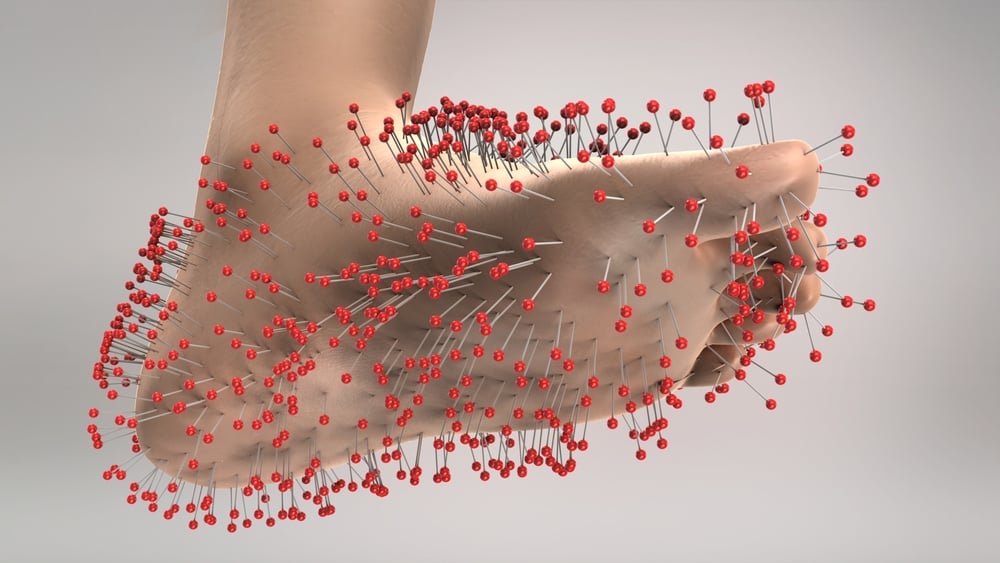
Lumbar radiculopathy produces sharp, radiating pain from the lower back into the legs, while peripheral neuropathy, often caused by diabetes or vitamin deficiencies, causes tingling and burning sensations.

Spinal stenosis compresses nerve roots, creating heaviness and cramping that worsens when lying flat.

Common nerve-related causes include:

Sleeping positions and mattress firmness can aggravate existing nerve compression, intensifying your nocturnal leg pain.

Although pregnancy brings numerous physiological changes, up to 60% of pregnant individuals experience nighttime leg pain, particularly calf cramps and generalised aching in the lower extremities.

Increased blood volume, weight gain, and uterine pressure on pelvic veins contribute to sore legs at night. Hormone-driven fluid retention causes swollen, heavy legs that worsen after prolonged periods of standing.

Effective management strategies include:

Seek immediate evaluation for unilateral pain with redness or warmth, indicating potential thrombosis.

Sore lower legs during pregnancy are often caused by leg cramps, which can be relieved by stretching, massage, and staying hydrated. Other causes include the increased weight of pregnancy, pressure on veins, weight gain, changes in posture, varicose veins, and nerve compression.

Effective At-Home Remedies to Soothe Sore Legs

You can implement several evidence-based interventions at home to reduce sore legs at night discomfort and prevent recurring episodes. These therapeutic approaches target the underlying physiological mechanisms that contribute to muscle cramping, poor circulation, and tissue inflammation.

The most effective remedies include targeted stretching protocolshydration optimisation, thermotherapy applications, and postural modifications that enhance venous return.

Gentle Stretching Before Bed

Since muscle tension accumulates throughout the day and often intensifies when you’re at rest, implementing a targeted stretching routine before bed can markedly reduce nocturnal leg discomfort and cramping episodes.

Execute these evidence-based stretching before-bed techniques:

Conclude with ankle pumps and foot flexes for 1–2 minutes to enhance circulation and minimise venous pooling.

The calf wall stretch is a great simple stretch you can do every day do improve the health and mobility of your Achilles tendon - but the key is consistency if you want to see positive results.

Because dehydration and electrolyte imbalances represent primary modifiable risk factors for nocturnal leg pain, maintaining ideal fluid and nutrient status forms a cornerstone of effective symptom management.

Target 2-3 litres of daily hydration while replenishing key electrolytes after exercise. Consider magnesium supplementation (200-400 mg nightly) after consulting your clinician, as studies suggest potential benefits for nocturnal leg cramps.

Nutrient Food Sources Evening Timing
Potassium
Bananas, potatoes
Light snack
Magnesium
Nuts, leafy greens
2 hours pre-bed
Calcium
Dairy, fortified milk
With protein

Avoid alcohol and caffeine near bedtime, as both exacerbate dehydration. Incorporate balanced nighttime nutrition combining carbohydrates and protein to stabilise blood glucose and prevent hypoglycemia-related muscle weakness.

Therapeutic heat application through warm baths consistently provides immediate relief for nocturnal leg discomfort by promoting vasodilation and muscle relaxation.

15–20 minute soak increases blood flow to tight calf and thigh muscles, reducing calf cramps and nocturnal leg pain.

Enhance your treatment protocol with these evidence-based techniques:

Monitor water temperature carefully if you have peripheral neuropathy or diabetes to prevent thermal injury.

A calf massage involves techniques like light stroking (effleurage) to warm the muscles, followed by kneading (petrissage) to release knots and tight spots, and deep pressure strokes to improve blood flow and mobility. You can use your hands, fists, or a foam roller to apply pressure, working in the direction of your head, and may benefit from using massage oil.

While warm baths and massage target muscle tension directly, elevating your legs addresses circulatory factors that contribute to nocturnal leg discomfort.

Position your legs 30–45 cm above heart level for 15–20 minutes using pillows under your calves to reduce venous pressure and alleviate aching from varicose veins or prolonged standing.

To improve circulation, elevate your legs by positioning them above your heart level, using pillows or a wedge to prop them up. This simple act uses gravity to help oxygen-depleted blood return to your heart, reducing swelling and pressure on your veins. Aim to keep your legs elevated for about 15–30 minutes, 3-4 times a day, or even while you sleep, to promote better blood flow and overall leg health.

However, if you have peripheral artery disease, elevation may worsen symptoms—discontinue if pain increases when legs are raised.

Maximise effectiveness by combining elevation with calf-activation exercises, such as ankle pumps, and wearing prescribed compression stockings.

This integrated approach reduces venous pooling and swelling more effectively than elevation alone.

Red Flags: When You Must See a Podiatrist for Nighttime Leg Pain

While most sore legs at night resolves with conservative management, certain warning signs require immediate podiatric evaluation to prevent serious complications.

You must seek urgent medical attention if you experience unilateral swellingwarmth, or redness in your leg, as these symptoms may indicate deep vein thrombosis—a potentially life-threatening condition.

Additionally, persistent severe pain, neurological symptoms like numbness or weakness, or vascular compromise signs such as pale, cold extremities warrant prompt specialist assessment.

Pain Accompanied by Swelling, Redness, or Warmth in One Leg

Recognising acute vascular emergencies, you must seek immediate medical attention when nighttime leg pain presents with unilateral swelling, redness, or warmth. These symptoms indicate potentially life-threatening conditions requiring urgent evaluation.

Critical warning signs include:

Any combination of unilateral symptoms plus fever, breathlessness, or chest pain constitutes a medical emergency.

Although nighttime leg pain often resolves with conservative measures, specific presentations demand immediate professional evaluation to prevent serious complications. Severe, persistent, or progressively worsening symptoms indicate underlying pathology requiring specialised assessment.

Symptom Pattern Potential Condition Action Required
Sudden severe pain with swelling
Deep vein thrombosis (DVT)
Emergency evaluation
Persistent pain disrupting sleep
Vascular/neuropathic disorders
Prompt podiatry consultation
Progressive worsening despite treatment
Structural abnormalities
Thorough diagnostic workup
Pain with numbness / tingling
Nerve pain / compression syndromes
Neurological assessment

Don’t ignore escalating nighttime leg pain—early intervention prevents complications and optimises treatment outcomes through targeted therapeutic approaches.

Beyond pain intensity and duration, specific neurological symptoms accompanying nighttime leg discomfort represent distinct red flags that demand immediate podiatric evaluation. Numbness, tingling, or burning sensations indicate potential peripheral neuropathy, affecting up to 50% of diabetic patients.

Weakness, foot drop, or balance issues suggest motor nerve compression requiring prompt assessment. Critical warning signs include:

These objective findings necessitate nerve conduction studies and targeted treatment.

When your legs appear pale, feel cold to the touch, or develop non-healing sores, you’re observing critical vascular compromise that demands immediate podiatric assessment.

Cold, pale feet, combined with claudication—pain during walking—typically indicate peripheral artery disease due to poor circulation.

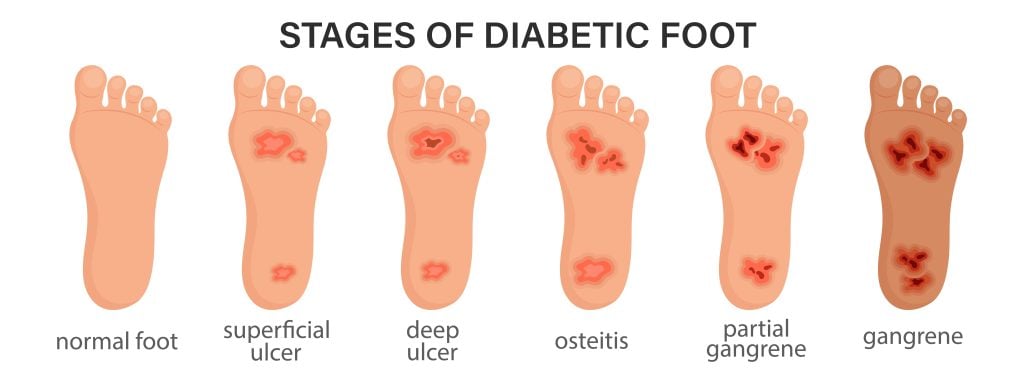
Diabetes assessment rosanna ivanhoe podiatry Diabetic Foot
Doppler ultrasound is a noninvasive test that can be used to measure the blood flow through your blood vessels. It is a valuable tool for accurately assessning potential foot health issues, particularly for the diabetic foot.

Non-healing sores on the toes or pressure points indicate advanced vascular insufficiency, requiring urgent intervention to prevent infection and tissue loss.

Risk factors, including diabetes, smoking, hypertension, and obesity, amplify urgency.

Your podiatrist will examine pulses, assess skin temperature, and evaluate the characteristics of any wounds. They may also order ankle-brachial index testing or vascular imaging to determine the appropriate treatment and prevent limb-threatening complications.

Summing It All Up...

Understanding why your legs become sore at night requires recognising the spectrum of possible causes—from common dehydration and muscle fatigue to more serious circulation issues and neuropathic conditions. As we’ve explored, simple adjustments like proper hydrationtargeted stretching routines, and optimal sleep positioning can often provide significant relief. However, more complex cases may require a professional assessment to address underlying conditions, such as restless leg syndromeperipheral artery disease, or nerve compression.

Ignoring persistent nocturnal discomfort can lead to worsening symptoms and disrupted sleep patterns, which in turn affect your overall well-being and daily functioning. Don’t let another night of leg pain interfere with your rest and quality of life—contact Bellevue Podiatry today to schedule a comprehensive evaluation with our specialists who can develop a personalised treatment plan to ensure you wake up refreshed and pain-free.

You don’t need to put up with sore legs any longer.  Our team of Podiatrists have the education and experience to get you moving pain free again.  Take control today by booking in online or call us today on (03) 8104 9270 to get this issue sorted once and for all.

Picture of Bellevue Podiatry

Bellevue Podiatry

Bellevue Podiatry has been serving the people of Rosanna and its surrounding suburbs for over 10 years. We have the qualifications, experience and education to effectively treat any lower limb condition or injury that requires expert podiatry care.

Picture of Nicole Hardidge - Principal Podiatrist

Nicole Hardidge - Principal Podiatrist

Nicole graduated with a Bachelor of Podiatry from Latrobe University in 2009 with a certificate in Advanced Clinical Education. Nicole has completed her post graduate certificate in wound care through Monash University.

If you would like a deeper understanding of the content discussed in this article, please click on the links below:

Blog 140 – Effective Removal of Ingrown Nail: Your Comprehensive Guide to Treatment & Prevention

You’ve likely felt the sharp pain of an ingrown toenail digging into your skin, causing swelling and discomfort that hinders your steps. Don’t attempt removal yourself—it risks infection and recurrence.

Instead, start with proven home care, but know when professional intervention becomes essential. Please read on, where we discuss the safest paths to relief and lasting prevention.

Key Takeaways

Understanding Ingrown Toenails

An ingrown toenail occurs when the edge of a toenail grows into the surrounding skin. This can cause pain, redness, swelling, and potentially infection. It most commonly affects the big toe but can occur on any toe.

An ingrown toenail develops when the nail’s edges grow into the surrounding skin, often affecting your big toe and representing about 20% of foot issues seen in primary care, especially among young men:

These early, prompt treatment prevents complications like follicle hypertrophy and severe infection.

Why DIY "Removal of Ingrown Nails" Is Not Recommended

Ouch! Does your big toe look like this? You may be tempted to try and "fix" your ingrown toenail at home, but the reality is the vast majority of our patients that attempt At Home DIY end up making things worse - which makes our job harder and more complex. Early professional intervention is always the smart choice.

Why tackle an ingrown toenail yourself when it often leads to serious complications?

Professionals provide sterile environments and expertise, avoiding contraindications like unsafe chemical procedures in pregnancy.

Initial Home Care and Self-Treatment Strategies

Before seeking professional help, you can some try initial home care strategies to ease ingrown toenail discomfort and prevent worsening – we recommend you only consider these at home remedies if your ingrown toenail is in the very early stages.

For ingrown toenails, which often affect your big toe, you can manage mild cases at home. Start with warm salt water soaks to soften the toenail and reduce swelling on your foot. If symptoms persist or worsen, don’t delay consulting a professional.

A foot soak in warm, salty water can help relieve pain and discomfort from an ingrown toenail - however we would only suggest this home remedy for early onset and mild ingrown toenail cases.

Professional "Removal of Ingrown Nail" Procedures

When conservative home treatments fail to resolve your ingrown toenail, professional medical intervention becomes necessary to prevent complications and provide definitive relief.

Your healthcare provider will assess the severity of your condition to determine whether non-surgical medical treatments or surgical interventions offer the most appropriate therapeutic approach.

The choice between these professional removal procedures depends on factors including the presence of infection, recurrence history, and the extent of nail embedment in surrounding tissue.

Non-Surgical Medical Treatments

When you’re experiencing mild to moderate ingrown nail symptoms, several non-surgical professional treatments can effectively resolve the condition without requiring invasive procedures.

The following evidence-based interventions offer significant pain relief and correction while preserving nail integrity and minimising recovery time.

Professional Nail Trimming

Professional nail trimming serves as the primary non-surgical intervention for ingrown toenails, where a podiatrist carefully excises the problematic nail edge using specialised instruments to eliminate pressure against surrounding tissue.

This first-line treatment involves removing the ingrowing portion through precise cutting techniques.

Your podiatrist will address ingrown nails by strategically trimming affected areas to prevent further complications.

Nail trimming and debridement from a professional can be an effective measure against some cases of ingrown toenails.

The BS Brace is a modern treatment that helps guide the growth of problematic nails using gentle pressure, so there’s no need to cut away any tissue, while also tackling the root causes of ingrown nails.

Our podiatry specialist will conduct a thorough assessment before applying this specialised brace to your affected toenail, offering superior outcomes compared to partial nail removal procedures.

Similar to the BS Brace’s mechanical approach, Onyfix employs composite resin technology to correct ingrown toenail trajectories without surgical intervention.

This LED-cured treatment reshapes nail growth patterns, eliminating the need for ingrown toenail surgery or ingrown toenail procedures.

A professional application ensures precise positioning for ideal ingrown toenail removal outcomes.

You’ll avoid anaesthesia while achieving effective correction of ingrown toenail surgery candidates through this non-invasive alternative.

Over time, the OnyFix brace grows out with your toenail and "trains" it back into correct position safely and painlessly.

Surgical Interventions for Ingrown Toenails

When conservative treatments fail to resolve your ingrown toenail, surgical interventions offer definitive solutions with high success rates.

You’ll typically undergo partial nail avulsion (PNA) for localised ingrowth or total nail avulsion (TNA) for extensive involvement, both performed under local anesthesia.

Your podiatrist may combine these procedures with phenolization or other matrix destruction methods to prevent nail regrowth and reduce recurrence rates to as low as 1.1%.

Partial Nail Avulsion (PNA)

Partial nail avulsion (PNA) represents a definitive surgical intervention for moderate to severe ingrown toenails that haven’t responded to conservative treatment.

This surgical procedure for ingrown toenails involves ingrown toenail extraction under local anaesthetic, removing approximately 30% of the lateral nail plate.

The toenail removal procedure utilises specialised instruments and demonstrates superior efficacy when combined with phenolization.

A partial nail avulsion is a minor surgical procedure where a portion of an ingrown toenail is removed to relieve pain and prevent regrowth. It's often performed under local anesthetic, and a chemical may be applied to the nail matrix to prevent the affected portion from growing back.

Total Nail Avulsion (TNA) represents the most extensive surgical intervention for severe or recurrent ingrown toenails affecting the entire nail plate.

This ingrowing toenail operation involves complete nail removal under local anaesthesia.

The toe surgery for ingrown toenails includes phenolization to prevent regrowth, making this toenail surgery highly effective with minimal recurrence rates.

Toenail surgery is a minimally invasive procedure that is walk in / walk out. Follow your podiatrist's post-op care guidelines and you will be back to normal (pain free) activities in little time.

The prevention of nail regrowth stands as a critical component in surgical interventions for ingrown toenails, with phenolization representing the gold standard approach during matrixectomy procedures.

Under local anaesthetic, this chemical destruction of nail matrix tissue reduces recurrence rates to 1.1-4.3%.

Alternative surgery options include electrosurgical ablation and laser matrixectomy, offering similar efficacy in preventing regrowth.

The only very mild and short discomfort you will feel is the light pin prick of the syringe. After two seconds of discomfort, the pain killer works fast and you feel no further pain or discomfort during the procedure.

Post-Procedure Care and Recovery

Following ingrown toenail removal, you’ll need to prioritise proper wound care and activity modifications to promote effective healing outcomes:

Preventing Future Ingrown Toenails

Wearing properly fitted shoes with a wide toe box and low (if any) heels is the ideal choice of footwear to reduce your likelihood of getting an ingrown toenail. An experienced podiatrist can review your footwear and guide you on the best possible choices.

Why should you invest time in prevention strategies when simple lifestyle modifications can significantly reduce your risk of developing future ingrown toenails?

Evidence-based prevention requires systematic implementation of proven techniques:

  • Proper nail trimming technique

    Cut toenails straight across using clean, sharp trimmers, avoiding rounded edges or cutting shorter than the toe tips to prevent inward curvature.

  • Appropriate footwear selection

    Choose shoes with wide toe boxes that provide adequate space, reducing pressure-induced nail ingrowth.

  • Optimal foot hygiene maintenance

    Keep feet clean and dry daily to minimise infection risks.

  • Trauma protection protocols

    Wear protective footwear during sports and manual activities to prevent repetitive injury-related ingrowth.

Cost and Coverage of "Removal of Ingrown Nails"

How much will you pay for ingrown nail removal, and what portion will your insurance cover?

Partial nail avulsion can cost between $200 – $400 without insurance, while total nail avulsion can cost around $400 – $600, including anaesthesia and consultation fees.

Extras insurance cover typically covers medically necessary procedures involving infection or significant pain, though pre-authorisation may be required.

Private insurance plans can cover non-cosmetic removal, with out-of-pocket costs ranging from $50 to $200 depending on your plan – you will need to specifically confirm with your insurance provider as it is different depending on who you are with and what level of private health insurance cover you have.

When to Seek Professional Help

Don't let foot pain hold you back. Get the treatment you deserve so you can get back to doing the things you love.

When should you escalate from home care to professional medical intervention for an ingrown toenail?

You’ll need immediate professional intervention when conservative measures fail or complications arise: Seek immediate medical care when home treatments fail to improve your ingrown toenail or when complications develop.

Chronic recurrent cases warrant specialist consultation for definitive surgical management.

Summing It All Up...

Managing ingrown toenails effectively requires a combination of proper self-care techniques and professional intervention when necessary. From conservative approaches like warm water soaks and antibiotic ointment application to surgical procedures such as partial nail avulsion with phenolization, multiple treatment options exist to address this common podiatric condition

Don’t let ingrown toenails compromise your mobility and quality of life—schedule a consultation with Bellevue Podiatry today for an expert evaluation and personalised treatment solutions that will get you back on your feet comfortably.

If you think you may have an ingrown toenail and want the right professional advice on how to treat it, we currently have a limited offer running to help you out. A GAP FREE ingrown toenail assessment consult (only $69 for those without extras private insurance).

Please feel free to book yourself in online or call our friendly Reception on (03) 8104 9270 today.

Ingrown Toe Infection

Understand how you get ingrown toenails your self care home options and what you can do to get rid of them once and for all. You don't need to put up with the pain of an ingrown toenail any longer.

podiatry care
Picture of Bellevue Podiatry Treatment Clinic

Bellevue Podiatry Treatment Clinic

Bellevue Podiatry has been serving the people of Rosanna and its surrounding suburbs for over 10 years. We have the qualifications, experience and education to effectively treat any lower limb condition or injury that requires expert podiatry care.

Picture of Nicole Hardidge - Principal Podiatrist

Nicole Hardidge - Principal Podiatrist

Nicole graduated with a Bachelor of Podiatry from Latrobe University in 2009 with a certificate in Advanced Clinical Education. Nicole has completed her post graduate certificate in wound care through Monash University.

If you would like a deeper understanding of the content discussed in this article, please click on the links below:

  1. https://www.mayoclinic.org/diseases-conditions/ingrown-toenails/symptoms-causes/syc-20355903 (Mayo Clinic)
  2. https://www.health.harvard.edu/a_to_z/ingrown-toenail-a-to-z (Harvard Health Publishing)
  3. https://pubmed.ncbi.nlm.nih.gov/29589602/ (PubMed)

Blog 139 – Our Recommended 8 Best Plantar Fasciitis Shoes for All-Day Comfort and Support

If you’re struggling with plantar fasciitis, you know proper footwear can make a measurable difference in pain control and biomechanical support. Targeted shoe features—such as reinforced arch support, deep heel cups, and cushioned midsoles—address anatomic stress points across the plantar fascia and heel pad. 

Evidence consistently shows that the right combination reduces microtrauma and alleviates daily discomfort. Before upgrading your footwear arsenal, it’s essential to understand which models integrate the best technologies and clinical benefits…

Key Takeaways

The STQ Wide Toe Box Orthopaedic Walking Shoes for Women are ideal if you experience forefoot deformities or chronic metatarsal compression. 

You’ll appreciate the anatomically generous toe box, which prevents lateral compression of the metatarsal heads and accommodates hallux valgus, bunions, or hammertoe

The footwear’s lightweight structure supports dynamic ambulation while minimising plantar surface loading. Material softness allows adaptive expansion for oedema or wide feet, and slip-on design enhances ease of use. 

These shoes stabilise gait and provide traction, benefitting those with plantar fasciitis or diabetes. Remember to size up for an ideal fit, and consider speciality orthotics for precise arch and metatarsal support.

Best For: Individuals with wide feet, bunions, hammertoes, diabetes, or other foot conditions who need extra toe space, gentle materials, and orthopaedic support during walking.

These women's wide shoes feature a roomy toe box that lets toes move freely and reduce pressure and friction. The natural toe spread while walking supports better posture and may help relieve bunions, flat feet, and toe valgus.

Sufferers of plantar fasciitis seeking arch stabilisation and instant heel pain relief frequently benefit from the AOV Women’s Arch Support Walking Shoes.

You’ll notice enhanced medial longitudinal arch support designed to decrease plantar fascia strain and reduce calcaneal (heel) stress during ambulation. The air pillow located proximally to the heel provides limited lateral stability, but the sole’s extreme hardness and lack of cushioning may increase pressure on metatarsal heads over extended periods.

Consider sizing up for adequate toe box space, since the short last restricts forefoot alignment. The mesh upper dissipates heat, yet durability diminishes after daily high-mileage use.

Best For: Individuals with plantar fasciitis or high arches who need moderate arch support and instant heel pain relief during everyday walking.

Arch support technology is used to increase arch support and heel stability. The upgraded sole provides comfortable cushioning for sore heels, allowing you to reduce foot fatigue throughout the walk. They are comfortable and great for long standing workers.

VALSOLE Heavy Duty High Arch Support Insoles target individuals with plantar fasciitisoverpronation, or chronic foot fatigue who require biomechanical correction and robust cushioning—especially those weighing over 220 pounds or spending long hours on hard surfaces. 

You’ll experience high-tensile arch support that realigns the medial longitudinal arch, effectively distributing plantar pressure and mitigating tension on the plantar fascia. The insoles incorporate dense EVA foam for superior shock absorption, which decreases kinetic impact during gait. 

Rigid arch design stabilises subtalar motion, reducing pronatory stress and pain radiating to the knees, ankles, and lumbar spine. Durable materials maintain integrity through repeated loading.

Best For: Individuals with plantar fasciitis, flat feet, or high arches—especially those over 220 lbs or standing/running for long hours—who need firm, corrective arch support and lasting pain relief.

Orthotic inserts offers rigid arch support reduce the overstretch of Plantar Fasciitis.Helps ease stress and pain caused by flat feet,fallen arch,bunions, low back pain and diabetes.Achilles Tendonitis and also Ball of Foot pain.Provides moderate control and support in working and standing, comfort and cushioning for everyday use.

Patients managing diabetes, oedema, or post-operative foot conditions will benefit most from women’s comfortable, wide walking shoes designed explicitly for medical support.

You’ll notice these therapeutically designed shoes accommodate swelling and neuropathic changes by offering an adjustable Velcro closure and a wide toe box, reducing pressure on sensitive or deformed forefoot anatomy. 

They’re clinically appropriate for bunions, hammer toes, or post-surgical oedema by minimising friction and providing easy donning—even after back surgery.

Although they fit true to size, expect a roomy forefoot and narrower heel cup, so monitor for potential blistering. Ideal for short ambulation, they’re non-slip and lightweight, ensuring safety and adaptive comfort around the house.

Best For: Patients with diabetes, oedema, or post-operative foot conditions who require adjustable, easy-to-wear shoes with a wide toe box for swelling and sensitive feet.

The adjustable straps design makes sure the shoes are tailored to your foot shape. They can meet the needs of different foot types and are ideal for patients with diabetes, bunions, neuropathy, arthritis, edema, plantar fasciitis etc.

Targeting individuals seeking immediate and localised relief from plantar fasciitis pain, Dr. Scholl’s Plantar Fasciitis Pain Relief Patches utilise a hydrogel-flexible design and maximum strength lidocaine with menthol.

You’ll benefit from 12-hour clinically tested analgesia, addressing pain originating at the plantar fascia, heel, arch, or even the ball of the foot. Apply the patch directly to clean, dry skin for best adhesion—overnight use may enhance results.

Although some users report issues with patch displacement or residue, many experience significant symptom relief. If persistent pain occurs, consider adjunctive interventions such as short-wave therapy or chiropractic evaluation.

Best For: Individuals experiencing plantar fasciitis, heel, arch, or ball of foot pain who need immediate, localised, and temporary pain relief.

Dr. Scholl’s Plantar Fasciitis Pain Patches are clinically tested to provide up to 12-hours of relief from plantar fasciitis pain per patch.

Relief-seekers dealing with plantar fasciitis or persistent foot soreness will benefit from the shevalues Orthopaedic Slide Sandals for Women with Arch Support. You’ll notice the moulded footbed cradles your arches and provides precise medial support, distributing plantar loads while reducing overpronation.

The robust, lightweight polymer resists material fatigue and flattening, ensuring durability over months of continuous use. Immediate comfort—without a break-in period—minimises heel and forefoot pressure. Adjustable Velcro straps enable a semi-custom anatomical fit, compensating for heel width variation; sizing down is often necessary. With a waterproof design, these slides are functional for indoor and outdoor applications, excelling on hard surfaces.

Best For: Women seeking reliable arch support and relief from plantar fasciitis or foot soreness, both indoors and outdoors, without the high price of premium brands.

These recovery slides are built with 1.7'' squishy EVA midsoles for supreme shock absorption and unbeatable cushioning, making every step feel like walking on clouds.

Clinicians often recommend the HKR Women’s Walking Shoes with Arch Support and Non-Slip Sole for individuals with plantar fasciitis who require sustained biomechanical support throughout daily activities.

You’ll benefit from targeted arch supportanatomically-contoured cushioning, and a non-slip sole designed to optimise pressure distribution and minimise heel impact forces.

The sock-like elastic upper conforms to forefoot anatomy for a secure fit, essential for accommodating bunions, spurs, or cysts. These shoes maintain structural integrity after washing, making them a durable choice for extended ambulatory function. The lightweight construction promotes natural gait while minimising strain on the plantar fascia and surrounding tissues.

Best For: Individuals seeking comfortable, supportive, and stylish footwear to alleviate foot pain from conditions like plantar fasciitis, bunions, or heel spurs, especially during extended periods of walking or standing.

Cushion design softens your steps, durable rubber outsole will keep you safe, stable and comfortable on any terrain. The work shoes for women are both attractive and functional.

For individuals requiring mild, continuous support throughout daily activities, compression socks with 8-15 mmHg pressure offer targeted arch stabilisation and promote vascular health in cases of plantar fasciitis. You’ll notice optimised circulatory dynamics, minimising venous pooling and aiding soft tissue recovery.

Anatomically engineered, these unisex socks deliver moderate tension to the plantar fascia, which can help reduce functional pain during ambulation. Breathable materials and contoured arch zones support prolonged wear, yet fit variability may affect efficacy.

Adjust socks for ideal compression, as improper placement limits therapeutic value. Some users report insufficient heel support, so evaluate fit for your individual foot morphology.

Best For: Individuals seeking mild compression and everyday arch support to relieve plantar fasciitis discomfort during daily activities.

Targeted compression zones provide varying levels of support from moderate to extra firm. These are designed to promote blood circulation and oxygen flow and prevent cramping, fatigue, swelling. Relief from pain due to plantar fasciitis and foot injuries, Assistance with recovery after exercise.

In Closing...

If you’re one of the millions of people seeking treatment for plantar fasciitis each year, evidence-based footwear choices can significantly impact your recovery.

When you select shoes engineered for ideal heel cushioning, medial arch stabilisation, and forefoot flexibility, you’re actively reducing plantar fascial strain and mitigating chronic inflammation. Pairing these shoes with high-quality insoles and compression can further offload tissue stress, accelerating your journey back to pain-free ambulation.

If you want the right professional advice on how to treat your foot pain, we currently have a limited offer running to help you out. For just $79 (usually valued at $189), book in online for our Complete Foot Pain Assessment & Treatment Consultation will get:

  • Complete In-Depth Foot Pain Examination
  • Review of Footwear & Personal Habit Diagnosis
  • Treadmill Walking Gait Analysis & Video Assessment
  • Complete Foot & Ankle Structural Diagnosis
  • Effective Foot Pain Treatment Plan To Get You Walking Pain Free
  • Peace of Mind You Know What Is Causing Your Foot Pain & How To Fix It
Check out our heel pain eBook below for further details on this special offer as well as other tips and techniques you can try at home to manage your plantar fasciitis and foot pain.

You don’t need to put up with heel pain any longer.  Our team of experienced Podiatrists have the education and experience to get you moving pain free again.  Take control today by booking in online or call us today on (03) 8104 9270 to get this issue sorted once and for all.

Foot Pain & Plantar Fasciitis

Understand what causes your foot pain and what you can do to get rid of it once and for all. Find out what treatments can get you back to walking pain free so you can enjoy living an active life again!

plantar fasciitis treatments best arch support insoles for plantar fasciitis
Picture of Bellevue Podiatry

Bellevue Podiatry

Bellevue Podiatry has been serving the people of Rosanna and its surrounding suburbs for over 10 years. We have the qualifications, experience and education to effectively treat any lower limb condition or injury that requires expert podiatry care.

Picture of Nicole Hardidge - Principal Podiatrist

Nicole Hardidge - Principal Podiatrist

Nicole graduated with a Bachelor of Podiatry from Latrobe University in 2009 with a certificate in Advanced Clinical Education. Nicole has completed her post graduate certificate in wound care through Monash University.

Blog 138 – Cracked Heels Causes, Home Remedies & Lasting Podiatry Treatments

Cracked heels can feel like a relentless assault on your comfort and mobility, far more than just a cosmetic nuisance. If you ignore the early signs—such as dryness, fissures, and thickening skin—you risk complications like infections and chronic pain.

Understanding what triggers this condition and how to manage it with evidence-based strategies is essential. You’ll want to know which treatments truly work and when professional intervention becomes necessary.

Key Takeaways

Understanding Cracked Heels

Cracked heels, a prevalent form of foot pain, manifest as fissures or splits in the thickened skin around the heel due to loss of elasticity and hydrationYou’ll often notice cracked heels developing when the skin’s natural barrier is compromised by dryness, frequently exacerbated during warmer months or with exposure to open footwear.

Cracked heels are primarily caused by dry skin and increased pressure on the heels, particularly when the skin is already dry and lacks elasticity. Several factors can contribute to this, including prolonged standing, obesity, wearing improper footwear, and certain medical conditions. There are lasting Podiatry treatments available if home remedies have not been successful for you.

Persistent dry skin, increased mechanical pressure from prolonged standing, and friction from hard surfaces are the primary causes of cracked heels. Body weight and systemic conditions like diabetes further elevate risk by impairing skin integrity and sensation.

Podiatry recognises that heel fissures emerge when the rigid, callused skin can’t withstand repeated stress, leading to deeper cracks. Effective management begins by understanding these underlying factors and mitigating dryness and pressure to restore skin health.

Recognising Signs and Symptoms of Cracked Heels

How can you distinguish early signs of heel fissures before complications arise?

Identifying cracked heels early is essential for effective intervention. The initial presentation often includes visibly dry, thickened skin around your heel, indicating compromised skin integrity.

Early signs of heel fissures usually appear as dry, thickened skin around the heel, indicating weakened skin integrity. You may notice superficial cracks or fissures, especially in weight-bearing areas, which can progress to a split heel if neglected.

As the condition advances, pain, redness, or swelling may accompany deeper cracks, increasing the risk of skin infections.

Plantar hyperkeratosis is a condition where the skin on the soles of the feet becomes abnormally thick and hard, often due to excessive pressure or friction. It's essentially the skin's natural response to protect itself from irritation, and can lead to calluses or corns. While it's a common issue, especially in older adults, it can cause pain and mobility problems.

Look for these evidence-based clinical indicators:

Identifying symptoms of cracked heels early ensures timely management that focuses on treatment.

Risk Factors: Who's Most Susceptible to Cracked Heels?

diabetes diabetic foot
Blisters on diabetic feet are a serious complication, even if painless, as they can go unnoticed and become infected, leading to ulcers, gangrene, or even amputation.

Identifying your personal risk factors helps determine whether you’re particularly vulnerable to this condition:

When multiple risk factors combine, you’ll need thorough treatment for cracked heels, addressing this persistent foot problem through professional care and consistent preventive measures.

Potential Complications from Cracked Heels

Are you diabetic and feeling pins and needles in your feet? This could be a sign of neuropathy and you should seek professional assistance immediately. Early warnings signs like "pins and needles" must not be ignored as they can lead to very serious health issues that can be averted when care is provided early.

While minor heel cracks might seem harmless, you’re facing serious health risks if these fissures deepen and remain untreated:

Don’t wait until bleeding occurs—consult a doctor immediately if home remedies fail. Understanding how to treat cracked heels prevents escalation from simple dryness to severe medical conditions requiring extensive intervention.

Cracked Heel Treatment Options

You can address cracked heels with evidence-based at-home remedies, such as urea-based moisturisers, gentle exfoliation, and occlusive dressings.

If self-care measures don’t resolve the fissures or if you notice signs of infection, seek podiatric intervention for debridement and prescription-strength therapies.

Combining these approaches optimises skin barrier repair and reduces recurrence risk.

At-Home Remedies and Self-Care

Soak & Exfoliate

The foundation of effective at-home care for cracked heels begins with a structured soaking and exfoliation routine

Soak your feet in warm, soapy water for 10-15 minutes to soften the skin.

After soaking, gently exfoliate with a pumice stone or Fiume Chiropody Sponge 1-2 times weekly to remove dead skin without damaging healthy tissue.

Moisturise & Hydrate

Apply a urea-based cream containing at least 25% urea daily after showering, concentrating on callused areas. This draws moisture into the skin while preventing water loss.

For enhanced hydration, use natural remedies like coconut oil for its antimicrobial properties or honey as a humectant.

After moisturising, wear cotton socks overnight to lock in hydration.

Consider adding gel heel cups to your footwear for cushioning that reduces friction on healing tissue.

With a 40% urea content, our urea cream may immediately soften calluses and hydrate the outermost layer of the skin. The combined 2% salicylic acid also increases the exfoliating power.

Professional podiatric intervention becomes essential when home remedies fail to resolve persistent heel fissures or when underlying medical conditions complicate treatment.

Our podiatrists conduct thorough foot examinations, identifying root causes through gait analysis and medical history review. We will prescribe high-urea moisturisers that penetrate deeper than over-the-counter ones, promoting cellular regeneration.

Treatment Type Method Outcome
Debridement
Removes thickened skin layers
Prevents infection
Custom Orthotics
Redistributes heel pressure
Reduces friction
Prescription Creams
High-urea formulations
Deep hydration

You’ll receive personalised care plans that address hygiene practices and footwear recommendations. Through professional debridement, your podiatrist safely removes dead tissue that home tools can’t manage.

Custom orthotics provide long-term support, preventing recurrence while managing underlying conditions like diabetes or neuropathy.

Prevention Strategies for Cracked Heels

Maintaining heel integrity requires a thorough approach that addresses both moisture retention and mechanical stress factors.

You’ll need to implement evidence-based preventive measures consistently to avoid painful fissures.

Daily foot hygiene remains essential—wash with warm water and mild soap, then thoroughly dry, particularly in interdigital spaces.

These interventions, when combined with dietary modifications, create a thorough prevention strategy that addresses both local and systemic factors contributing to heel fissures.

This finely granular nano glass foot scrubber works swiftly and effectively, leaving your feet smoother than ever before. The non-slip ergonomic base ensures comfort and precision.

When to Consult a Healthcare Professional

When should you seek professional medical intervention for cracked heels?

You’ll need immediate consultation if you experience deep fissures that bleed, as these indicate severe complications. Don’t delay seeking help if you notice signs of infection—redness, swelling, or pus require prompt medical attention to prevent further issues.

Warning Sign Action Required Risk Level
Bleeding Fissures
Immediate consultation
High
Infection symptoms
Urgent medical care
High
Daily activity impairment
Podiatrist evaluation
Medium

You should arrange a visit to a podiatrist when heel pain impacts daily activities. If you suspect underlying conditions like heel bone fractures, specialised diagnostic procedures become necessary.

Additionally, consult a podiatrist when home remedies fail, especially if you have diabetes or peripheral neuropathy, ensuring you receive safe, tailored interventions.

Summing It All Up...

Cracked heels can signify more than just a cosmetic issue; they can develop into serious medical conditions that require professional intervention.

Although home remedies may provide temporary relief, they are not a substitute for comprehensive care when faced with persistent or severe symptoms. It’s crucial to recognise the importance of early assessment and treatment by a qualified podiatrist to prevent complications such as infections and cellulitis.

At Bellevue Podiatry, we are dedicated to providing expert care tailored to your specific needs. If you are struggling with cracked heels or persistent foot issues, don’t hesitate to book an appointment with us today for an evaluation and effective treatment options.

You don’t need to put up with cracked heels any longer.  Take control today by booking in online or call us today on (03) 8104 9270 to get this issue sorted once and for all.

Picture of Bellevue Podiatry

Bellevue Podiatry

Bellevue Podiatry has been serving the people of Rosanna and its surrounding suburbs for over 10 years. We have the qualifications, experience and education to effectively treat any lower limb condition or injury that requires expert podiatry care.

Picture of Nicole Hardidge - Heel Pain Principal Podiatrist

Nicole Hardidge - Heel Pain Principal Podiatrist

Nicole graduated with a Bachelor of Podiatry from Latrobe University in 2009 with a certificate in Advanced Clinical Education. Nicole has completed her post graduate certificate in wound care through Monash University.

If you would like a deeper understanding of the content discussed in this article, please click on the links below:

  1. Mayo Clinic – Cracked Heels: Causes and Treatment (Mayo Clinic)
  2. Harvard Health Publishing – Dry, Cracked Heels: Causes and Solutions (Harvard Health Publishing)
  3. PubMed – Management of Heel Fissures (PubMed)
  4. American Academy of Dermatology – Dry, Cracked Heels: Tips for Relief (American Academy of Dermatology)
  5. NHS – Foot Care: Looking After Your Feet (NHS UK)