Cracked Heels Causes, Home Remedies & Lasting Podiatry Treatments

Blog 138 – Cracked Heels Causes, Home Remedies & Lasting Podiatry Treatments

Cracked heels can feel like a relentless assault on your comfort and mobility, far more than just a cosmetic nuisance. If you ignore the early signs—such as dryness, fissures, and thickening skin—you risk complications like infections and chronic pain.

Understanding what triggers this condition and how to manage it with evidence-based strategies is essential. You’ll want to know which treatments truly work and when professional intervention becomes necessary.

Key Takeaways

Understanding Cracked Heels

Cracked heels, a prevalent form of foot pain, manifest as fissures or splits in the thickened skin around the heel due to loss of elasticity and hydrationYou’ll often notice cracked heels developing when the skin’s natural barrier is compromised by dryness, frequently exacerbated during warmer months or with exposure to open footwear.

Cracked heels are primarily caused by dry skin and increased pressure on the heels, particularly when the skin is already dry and lacks elasticity. Several factors can contribute to this, including prolonged standing, obesity, wearing improper footwear, and certain medical conditions. There are lasting Podiatry treatments available if home remedies have not been successful for you.

Persistent dry skin, increased mechanical pressure from prolonged standing, and friction from hard surfaces are the primary causes of cracked heels. Body weight and systemic conditions like diabetes further elevate risk by impairing skin integrity and sensation.

Podiatry recognises that heel fissures emerge when the rigid, callused skin can’t withstand repeated stress, leading to deeper cracks. Effective management begins by understanding these underlying factors and mitigating dryness and pressure to restore skin health.

Recognising Signs and Symptoms of Cracked Heels

How can you distinguish early signs of heel fissures before complications arise?

Identifying cracked heels early is essential for effective intervention. The initial presentation often includes visibly dry, thickened skin around your heel, indicating compromised skin integrity.

Early signs of heel fissures usually appear as dry, thickened skin around the heel, indicating weakened skin integrity. You may notice superficial cracks or fissures, especially in weight-bearing areas, which can progress to a split heel if neglected.

As the condition advances, pain, redness, or swelling may accompany deeper cracks, increasing the risk of skin infections.

Plantar hyperkeratosis is a condition where the skin on the soles of the feet becomes abnormally thick and hard, often due to excessive pressure or friction. It's essentially the skin's natural response to protect itself from irritation, and can lead to calluses or corns. While it's a common issue, especially in older adults, it can cause pain and mobility problems.

Look for these evidence-based clinical indicators:

Identifying symptoms of cracked heels early ensures timely management that focuses on treatment.

Risk Factors: Who's Most Susceptible to Cracked Heels?

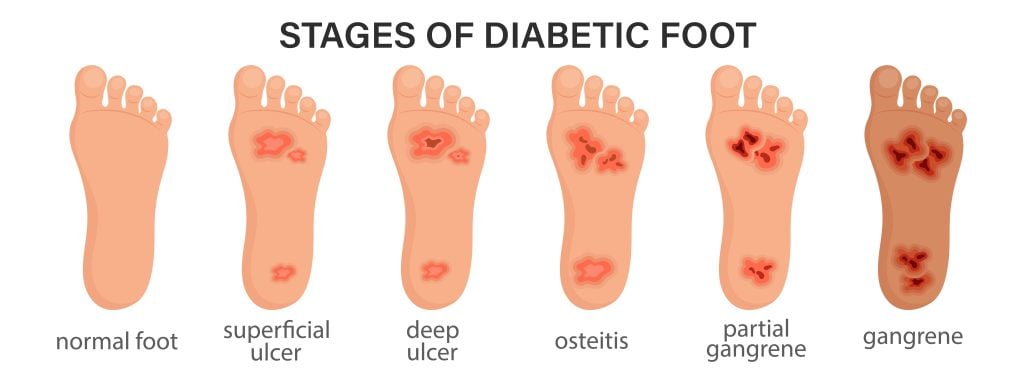
diabetes diabetic foot
Blisters on diabetic feet are a serious complication, even if painless, as they can go unnoticed and become infected, leading to ulcers, gangrene, or even amputation.

Identifying your personal risk factors helps determine whether you’re particularly vulnerable to this condition:

When multiple risk factors combine, you’ll need thorough treatment for cracked heels, addressing this persistent foot problem through professional care and consistent preventive measures.

Potential Complications from Cracked Heels

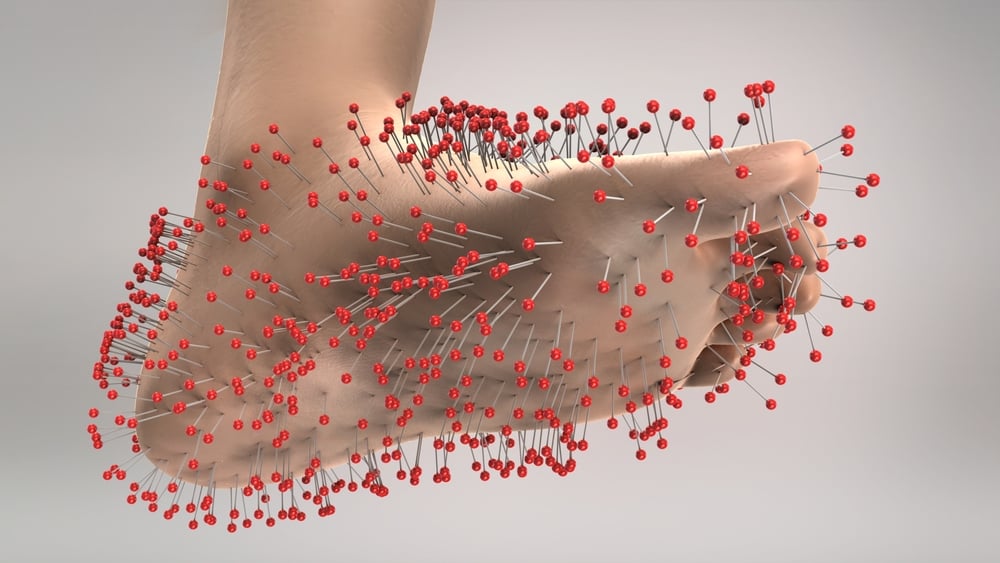
Are you diabetic and feeling pins and needles in your feet? This could be a sign of neuropathy and you should seek professional assistance immediately. Early warnings signs like "pins and needles" must not be ignored as they can lead to very serious health issues that can be averted when care is provided early.

While minor heel cracks might seem harmless, you’re facing serious health risks if these fissures deepen and remain untreated:

Don’t wait until bleeding occurs—consult a doctor immediately if home remedies fail. Understanding how to treat cracked heels prevents escalation from simple dryness to severe medical conditions requiring extensive intervention.

Cracked Heel Treatment Options

You can address cracked heels with evidence-based at-home remedies, such as urea-based moisturisers, gentle exfoliation, and occlusive dressings.

If self-care measures don’t resolve the fissures or if you notice signs of infection, seek podiatric intervention for debridement and prescription-strength therapies.

Combining these approaches optimises skin barrier repair and reduces recurrence risk.

At-Home Remedies and Self-Care

Soak & Exfoliate

The foundation of effective at-home care for cracked heels begins with a structured soaking and exfoliation routine

Soak your feet in warm, soapy water for 10-15 minutes to soften the skin.

After soaking, gently exfoliate with a pumice stone or Fiume Chiropody Sponge 1-2 times weekly to remove dead skin without damaging healthy tissue.

Moisturise & Hydrate

Apply a urea-based cream containing at least 25% urea daily after showering, concentrating on callused areas. This draws moisture into the skin while preventing water loss.

For enhanced hydration, use natural remedies like coconut oil for its antimicrobial properties or honey as a humectant.

After moisturising, wear cotton socks overnight to lock in hydration.

Consider adding gel heel cups to your footwear for cushioning that reduces friction on healing tissue.

With a 40% urea content, our urea cream may immediately soften calluses and hydrate the outermost layer of the skin. The combined 2% salicylic acid also increases the exfoliating power.

Professional podiatric intervention becomes essential when home remedies fail to resolve persistent heel fissures or when underlying medical conditions complicate treatment.

Our podiatrists conduct thorough foot examinations, identifying root causes through gait analysis and medical history review. We will prescribe high-urea moisturisers that penetrate deeper than over-the-counter ones, promoting cellular regeneration.

Treatment Type Method Outcome
Debridement
Removes thickened skin layers
Prevents infection
Custom Orthotics
Redistributes heel pressure
Reduces friction
Prescription Creams
High-urea formulations
Deep hydration

You’ll receive personalised care plans that address hygiene practices and footwear recommendations. Through professional debridement, your podiatrist safely removes dead tissue that home tools can’t manage.

Custom orthotics provide long-term support, preventing recurrence while managing underlying conditions like diabetes or neuropathy.

Prevention Strategies for Cracked Heels

Maintaining heel integrity requires a thorough approach that addresses both moisture retention and mechanical stress factors.

You’ll need to implement evidence-based preventive measures consistently to avoid painful fissures.

Daily foot hygiene remains essential—wash with warm water and mild soap, then thoroughly dry, particularly in interdigital spaces.

These interventions, when combined with dietary modifications, create a thorough prevention strategy that addresses both local and systemic factors contributing to heel fissures.

This finely granular nano glass foot scrubber works swiftly and effectively, leaving your feet smoother than ever before. The non-slip ergonomic base ensures comfort and precision.

When to Consult a Healthcare Professional

When should you seek professional medical intervention for cracked heels?

You’ll need immediate consultation if you experience deep fissures that bleed, as these indicate severe complications. Don’t delay seeking help if you notice signs of infection—redness, swelling, or pus require prompt medical attention to prevent further issues.

Warning Sign Action Required Risk Level
Bleeding Fissures
Immediate consultation
High
Infection symptoms
Urgent medical care
High
Daily activity impairment
Podiatrist evaluation
Medium

You should arrange a visit to a podiatrist when heel pain impacts daily activities. If you suspect underlying conditions like heel bone fractures, specialised diagnostic procedures become necessary.

Additionally, consult a podiatrist when home remedies fail, especially if you have diabetes or peripheral neuropathy, ensuring you receive safe, tailored interventions.

Summing It All Up...

Cracked heels can signify more than just a cosmetic issue; they can develop into serious medical conditions that require professional intervention.

Although home remedies may provide temporary relief, they are not a substitute for comprehensive care when faced with persistent or severe symptoms. It’s crucial to recognise the importance of early assessment and treatment by a qualified podiatrist to prevent complications such as infections and cellulitis.

At Bellevue Podiatry, we are dedicated to providing expert care tailored to your specific needs. If you are struggling with cracked heels or persistent foot issues, don’t hesitate to book an appointment with us today for an evaluation and effective treatment options.

You don’t need to put up with cracked heels any longer.  Take control today by booking in online or call us today on (03) 8104 9270 to get this issue sorted once and for all.

Picture of Bellevue Podiatry

Bellevue Podiatry

Bellevue Podiatry has been serving the people of Rosanna and its surrounding suburbs for over 10 years. We have the qualifications, experience and education to effectively treat any lower limb condition or injury that requires expert podiatry care.

Picture of Nicole Hardidge - Heel Pain Principal Podiatrist

Nicole Hardidge - Heel Pain Principal Podiatrist

Nicole graduated with a Bachelor of Podiatry from Latrobe University in 2009 with a certificate in Advanced Clinical Education. Nicole has completed her post graduate certificate in wound care through Monash University.

If you would like a deeper understanding of the content discussed in this article, please click on the links below:

  1. Mayo Clinic – Cracked Heels: Causes and Treatment (Mayo Clinic)
  2. Harvard Health Publishing – Dry, Cracked Heels: Causes and Solutions (Harvard Health Publishing)
  3. PubMed – Management of Heel Fissures (PubMed)
  4. American Academy of Dermatology – Dry, Cracked Heels: Tips for Relief (American Academy of Dermatology)
  5. NHS – Foot Care: Looking After Your Feet (NHS UK)