Ingrown Toenail Treatment Melbourne | Relief & Nail Surgery | Ingrown Nail Foot Clinic | Personalised Treatment Options

Blog 149 – Ingrown Toenail Treatment Melbourne | Nail Surgery Clinic | Personalised Treatment Options

You’ve noticed the redness and felt the throbbing, and you’re now searching for relief from your ingrown toenail. Whether you’re dealing with your first episode or a recurring problem, Melbourne podiatrists offer treatment options that range from simple conservative care to permanent surgical solutions.

Understanding what’s available—and what to expect from each approach—will help you make the right choice for your situation. Let’s discuss this and more in our latest blog.

Key Takeaways

Living with Ingrown Toenail Pain? We Offer Relief Today

Ingrown Toenail Treatment Melbourne
An ingrown toenail is a common condition where the side of a toenail grows into the skin. It can be painful and cause swelling, redness, and inflammation. You don't need to put up with them though - Podiatrists have a range of effective and lasting treatment options.

Why does ingrown toenail pain feel so intense, and what can you do about it right now? A sharp nail spike digging into your toe causes redness, swelling, and sometimes infection.

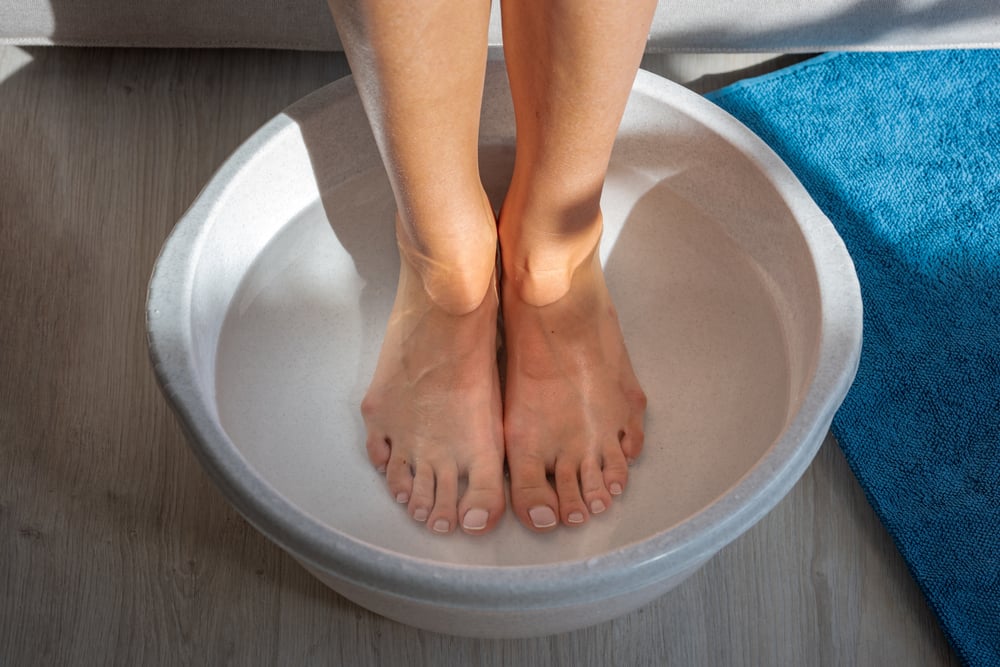
While waiting for your appointment with an experienced Melbourne podiatrist, warm saline soaks for twenty minutes several times daily, antiseptic dressings, and oral analgesics reduce inflammation.

Early ingrown toenail treatment often achieves relief in one or two visits by removing the offending spike. For persistent cases, our Melbourne clinic offers partial nail avulsion—a walk-in, walk-out procedure under local anaesthetic that permanently resolves recurrent ingrown toenail pain with minimal downtime.

What Is An ingrown Toenail?

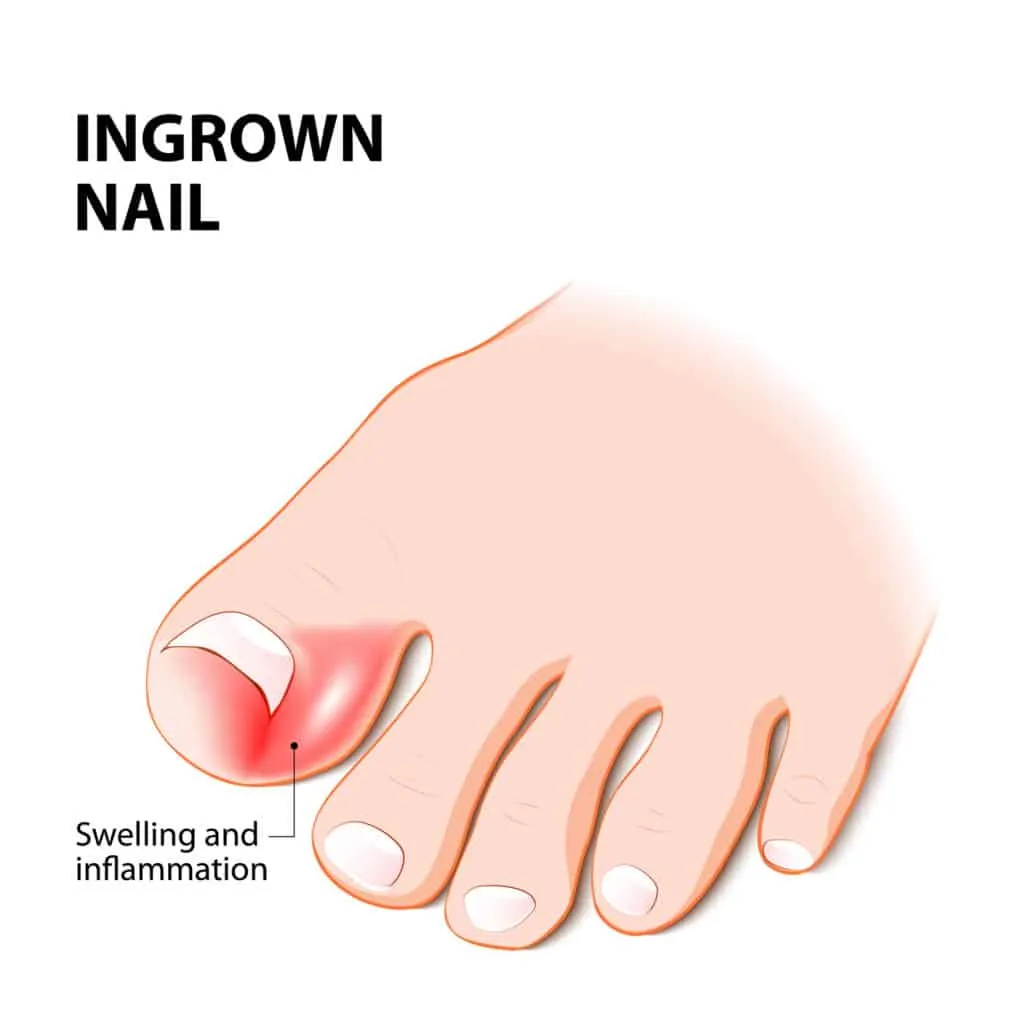
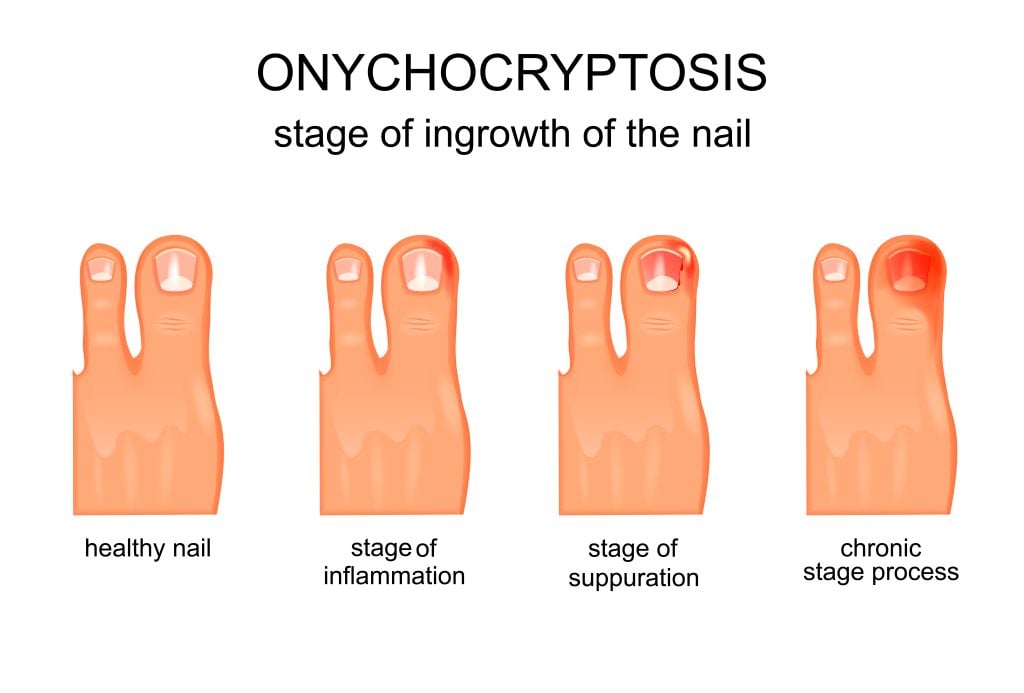
An ingrown toenail—medically termed onychocryptosis—develops when the edge or corner of your nail grows or curls into the soft tissue alongside it, penetrating the skin:

Without toenail treatment from a podiatrist, ingrown toenails worsen over time, increasing pain and infection risk.

Ingrown toenail
Take it from us - getting ingrown toenail surgery from an experienced Podiatrist is infinitely less painful than enduring one more day of this painful and frustrating condition. Lasting pain relief is only a phone call away.

What Causes Ingrown Toenails?

Understanding the root causes of ingrown toenails helps you prevent recurrence and seek appropriate treatment:

Our foot clinic assesses each patient’s unique health factors and may recommend orthotics or tailored care plans to address underlying biomechanical issues and restore comfort.

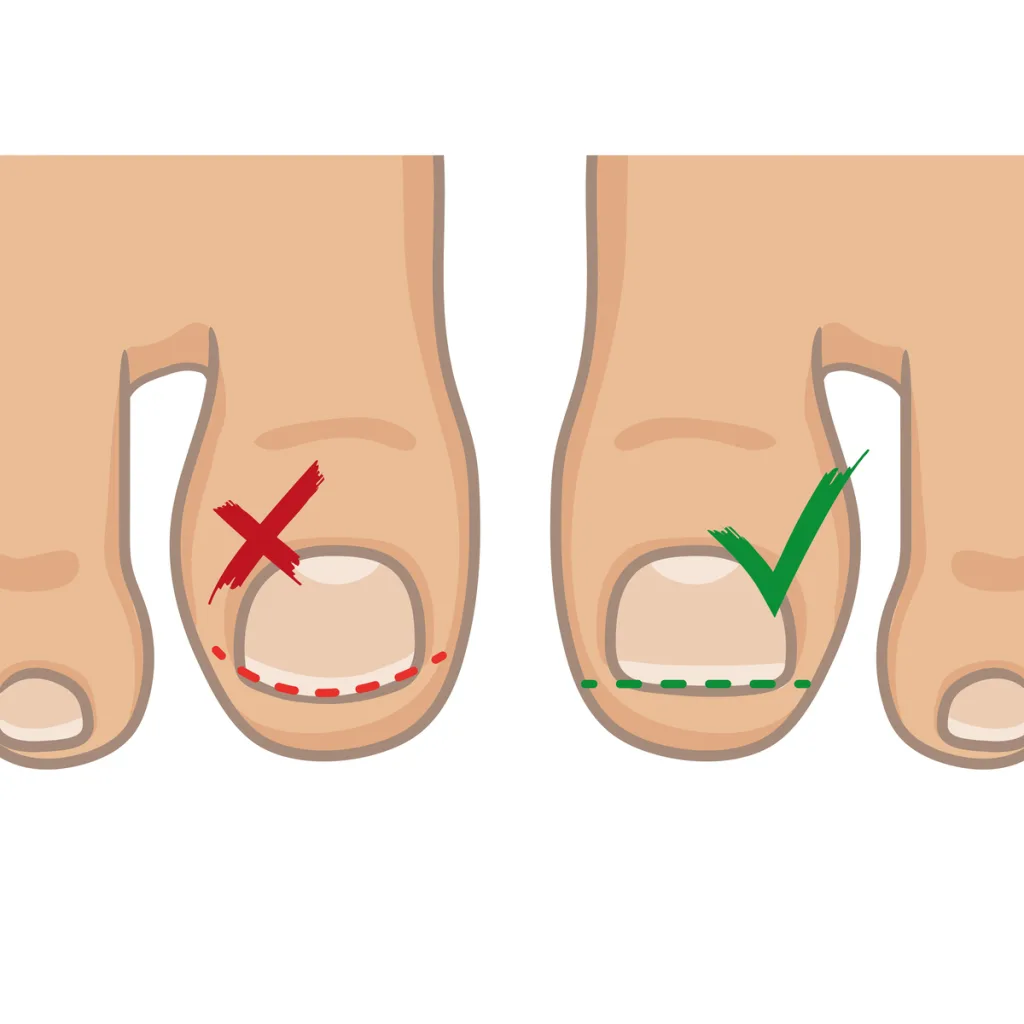
To reduce your chances of an ingrown toenail, cut across the nail as shown above. It's important NOT to cut with the curve of your toenail, this will increase the chances of getting an ingrown toenail.

Your Treatment Options at Bellevue Podiatry

At Bellevue Podiatry, we tailor treatment to the severity and persistence of your ingrown toenail. For early or mild cases, we offer conservative non-surgical care and innovative nail braces (Onyfix or BS Brace) to correct nail growth and relieve pressure.

When your condition is chronic or recurrent, minor nail surgery provides a definitive, permanent solution under local anaesthetic.

Conservative Care (Non-Surgical Nail Treatment)
When an ingrown toenail is identified early, conservative treatment can often resolve the problem without surgery. Your podiatrist will carefully assess the nail and surrounding tissue, then use specialist instruments to have the offending spike removed in-clinic.

You’ll receive clear instructions on home care, including warm saline soaks, antiseptic dressings, and proper trimming techniques.

ingrown toenail
Regular warm water Epsom salt soaks will help reduce any inflammation caused by early onset ingrown toenails. Remember if at home care doesn't resolve your ingrown toenail, you must seek professional intervention immediately.

Most patients find effective ingrown toenail treatment in Melbourne requires just one or two visits. Taping techniques, regular professional trimming, and footwear advice help prevent recurrence.

While antibiotics may treat infection, removing the spike addresses the underlying cause.

Not every ingrown toenail requires surgery. If you’d prefer to avoid toenail surgery, we offer two proven non-surgical bracing systems that may be suitable for your needs:

Both options prevent recurrence when the nail matrix is healthy. Success depends on the correct application and follow-up by our trained podiatrists. Book online for a consultation to explore your best treatment path.

Onyfix works by applying a hardened composite resin strip to the nail that acts as a brace to reshape it. This pain-free system gently guides the nail to grow in the correct, flatter position, correcting ingrown or involuted toenails over several months.

If conservative treatments haven’t resolved your ingrown toenail—or it keeps coming back—minor nail surgery offers a permanent solution. Bellevue Podiatry performs Partial Nail Avulsion (PNA) with phenolisation in-clinic under local anaesthetic.

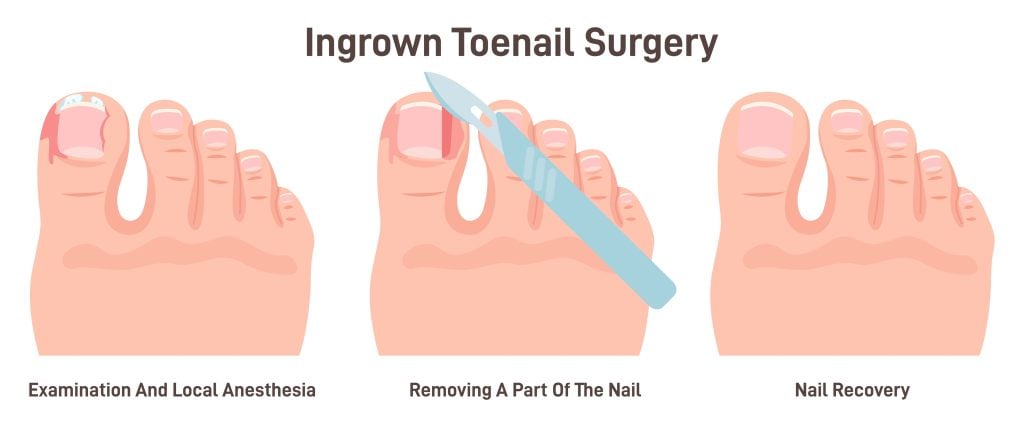
A partial nail avulsion is a minor surgical procedure where a portion of an ingrown toenail is removed to relieve pain and prevent regrowth. It's often performed under local anesthetic, and a chemical may be applied to the nail matrix to prevent the affected portion from growing back.

The procedure removes the ingrowing nail segment down to the cuticle, then chemically ablates the germinal matrix to prevent regrowth of that portion.

It’s a walk-in, walk-out treatment taking under an hour. You’ll need rest and elevation for 48 hours, daily saline soaks, and dressing changes for 1–6 weeks. Most patients return to normal activities with minimal downtime.

Ingrown Toenail Surgery: What to Expect

The procedure follows three clear steps: a thorough initial assessment, the in-clinic surgery itself (which is quick and performed under local anaesthetic), and structured aftercare to promote fast healing.

Most patients walk out the same day and return to normal activities within 1–2 weeks.

Step 1: Your Initial Assessment

When you arrive for your ingrown toenail consultation, your podiatrist will conduct a thorough assessment to determine the most appropriate treatment path. We will take a focused history covering onset, previous treatments, pain severity, and any conditions like diabetes that may affect healing.

Your assessment includes:

You’ll provide informed consent before scheduling your procedure.

Once you’ve agreed to proceed, your podiatrist will numb your toe with a local anaesthetic injected at the base—the only uncomfortable moment in an otherwise painless procedure. The entire treatment typically takes less than an hour.

For recurrent cases, your podiatrist will remove the offending nail wedge and apply phenol to the underlying matrix, preventing regrowth of that section.

With no pain and quick recovery time (as long as you follow the post-operative care), ingrown toenail surgery is a quick, safe, painless and long-lasting remedy.

sterile dressing is applied immediately afterwards. While you can usually walk out of the clinic, arranging transport is recommended.

The procedure offers a high cure rate when performed by an experienced podiatrist, with minimal disruption to your daily routine.

The procedure itself is brief, but proper aftercare determines your recovery speed and long‑term success.

Immediately post-surgery, you’ll wear a thick sterile dressingthe local anaesthetic wears off within hours, with paracetamol or ibuprofen controlling discomfort.

Your recovery checklist:

Most patients need dressing reviews for 4–6 weeks.

Answering Your Key Questions About Toenail Surgery

You likely have practical concerns about pain, recovery, and mobility after ingrown toenail treatment.

The answers depend on whether you need conservative care or minor surgery, but Melbourne podiatrists prioritise comfort and a swift return to daily activities. Below, we address the most common questions patients ask before their first visit.

Is the ingrown toenail procedure painful?

Pain concerns are completely natural when facing any medical procedure. Modern ingrown toenail treatment is designed to keep discomfort minimal. Here’s what you can expect:

Recovery timelines vary depending on the extent of your procedure, but most patients find healing straightforward with proper aftercare.

You’ll typically rest with your foot elevated for 48 hours, then move to light activity and open-toe footwear for 1–2 weeks.

Taking early action for an ingrown toenail will greatly improve your chances of resolving it without the need for professional help. We highly recommend taking infection control measures as soon as any discomfort is detected.

Dressings are changed regularly over 4–6 weeks while the wound heals, often with daily warm salt-water soaks. Desk work can usually resume within days, but standing roles or sports typically require about two weeks off.

If your entire nail is removed, full regrowth takes approximately 12 months—though partial removal with phenol permanently prevents the problem edge from returning.

While full healing may take several weeks, the good news is you’ll be able to walk immediately after your ingrown toenail procedure. Performed under local anaesthetic, it’s a walk-in, walk-out treatment.

However, you’ll need to take precautions:

Follow our clinic’s wound-care instructions carefully during the 4–6 week healing period.

How to Prevent Ingrown Toenails From Coming Back

Once an ingrown toenail resolves, recurrence becomes the primary concern—and prevention strategies can substantially reduce your risk of repeat episodes.

Prevention Strategy Action
Nail Trimming
Cut straight across, leave 1–2 mm free edge
Footwear
Choose wide, deep toe box; avoid tight shoes
Fungal Infection
Treat promptly; consider 3–6 month professional care
Biomechanics
Seek podiatry assessment for orthotics if needed

For recurrent cases, discuss partial nail avulsion with phenolisation—a definitive in-clinic procedure offering high cure rates by permanently removing the offending nail section.

Choose Melbourne's Ingrown Toenail Specialists at Bellevue Podiatry

Ingrown toenails may start as a minor irritation, but left untreated, they can escalate into painful infections that significantly impact your daily activities and quality of life. Understanding the causes—from improper nail trimming and tight footwear to genetic predisposition and biomechanical factors—empowers you to take preventive action.

At Bellevue Podiatry, our experienced team is dedicated to providing comprehensive ingrown toenail care tailored to your specific needs. We offer same-day assessmentsevidence-based treatment plans, and thorough aftercare to ensure optimal healing and prevention of recurrence. Don’t let ingrown toenail pain limit your mobility or lifestyle—contact Bellevue Podiatry today to schedule your consultation and take the first step towards lasting relief.

If you think you may have an ingrown toenail and want the right professional advice on how to treat it, we currently have a limited offer running to help you out. A GAP FREE ingrown toenail assessment consult (only $80 for those without extras private insurance).

Please feel free to book yourself in online or call our friendly Reception on (03) 8104 9270 today.

Ingrown Toe Infection

Understand how you get ingrown toenails your self care home options and what you can do to get rid of them once and for all. You don't need to put up with the pain of an ingrown toenail any longer.

podiatry care
Picture of Bellevue Podiatry Ingrown Nail Clinic

Bellevue Podiatry Ingrown Nail Clinic

Bellevue Podiatry has been serving the people of Rosanna and its surrounding suburbs for over 10 years. We have the qualifications, experience and education to effectively treat any lower limb condition or injury that requires expert podiatry care.

Picture of Nicole Hardidge - Principal Podiatrist

Nicole Hardidge - Principal Podiatrist

Nicole graduated with a Bachelor of Podiatry from Latrobe University in 2009 with a certificate in Advanced Clinical Education. Nicole has completed her post graduate certificate in wound care through Monash University.

If you would like a deeper understanding of the content discussed in this article, please click on the links below:

  1. PubMed Central – National Library of MedicineIngrown Toenails: Diagnosis and Management https://pmc.ncbi.nlm.nih.gov/articles/PMC1575331/
  2. Mayo Clinic: Ingrown Toenails – Symptoms and Causes  https://www.mayoclinic.org/diseases-conditions/ingrown-toenails/symptoms-causes/syc-20355903
  3. American Family Physician: Ingrown Toenail Management  https://www.aafp.org/pubs/afp/issues/2019/0801/p158.html
  4. Cleveland Clinic: Ingrown Toenail Treatment and Prevention https://my.clevelandclinic.org/health/diseases/17664-ingrown-toenails